
Staff Reporter
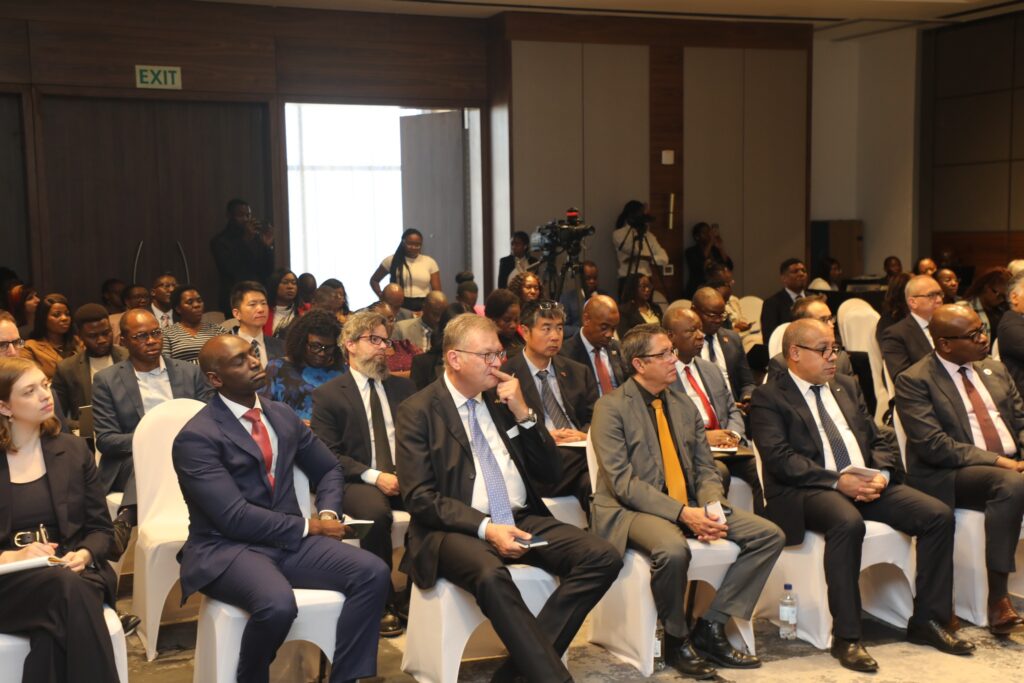
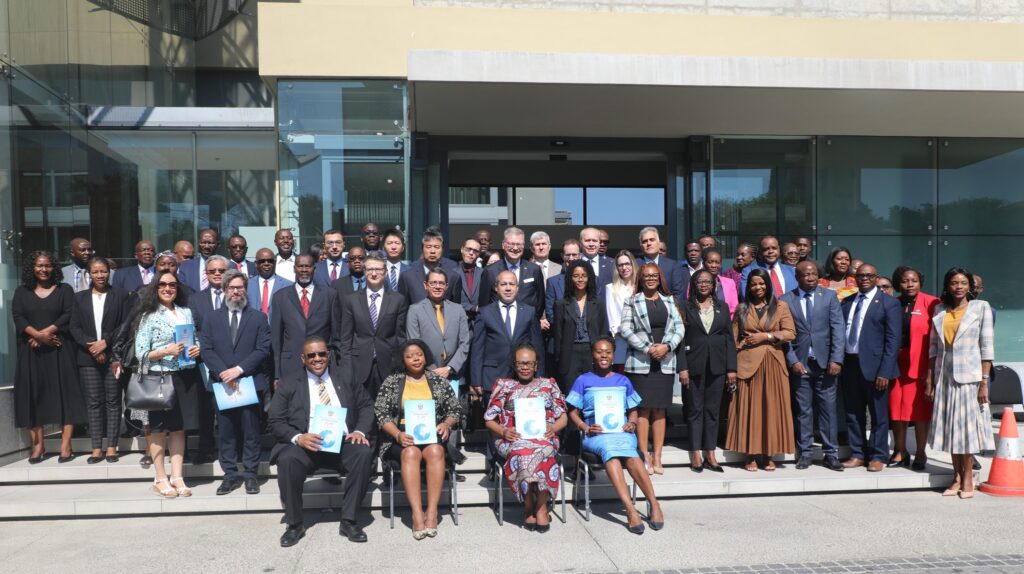
THE Ministry of International Relations and Trade has officially launched its second five-year Ministerial Strategic Plan, which focuses on advancing Namibia’s foreign policy.
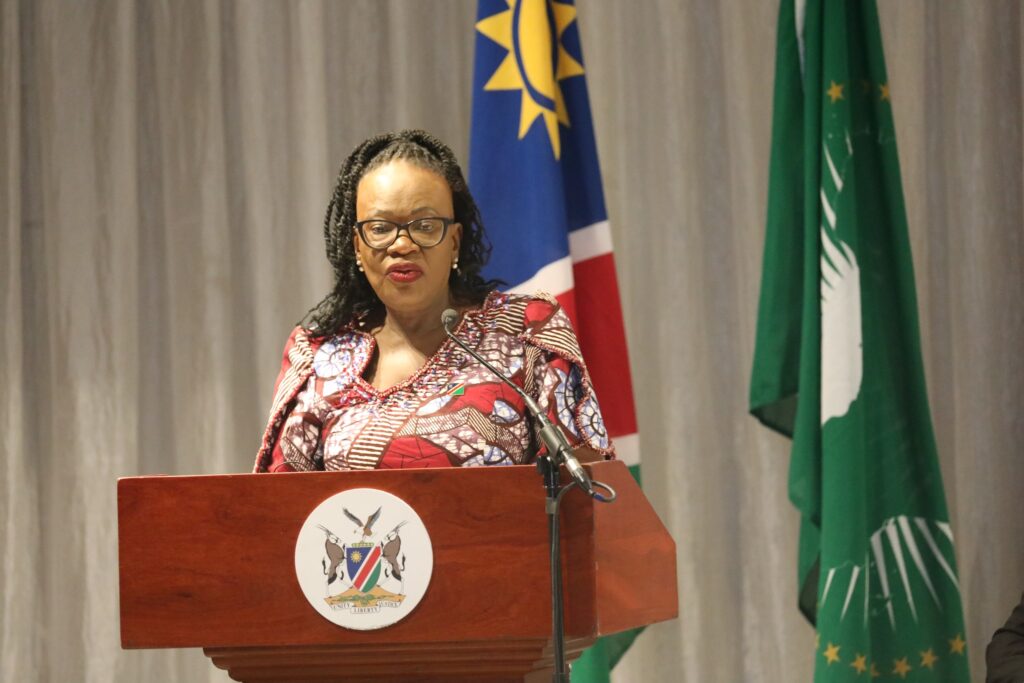
“This is the second Strategic Plan of the Ministry, covering the period 2025–2030. Its significance cannot be overstated, as it coincides with the final five years of realising Vision 2030. Therefore, the launch of this Strategic Plan represents a moment of vision, reflection, introspection, and transformation,” said the Minister of International Relations and Trade, Selma Ashipala-Musavyi.
She emphasised that the strategy reaffirms Namibia’s shared commitment to advancing the country’s foreign policy, including international trade and investment. She explained that this is particularly crucial in light of the rapidly evolving global landscape, characterised by unprecedented dynamics, accelerating digital transformation, shifting geopolitical trends, and the emergence of new and evolving regional partnerships and alliances.
“For Namibia, this evolving context presents both challenges and opportunities—challenges that test the resilience of our systems and opportunities that allow us to position ourselves more strategically at the regional, continental, and global levels. It is within this dynamic context that the Ministry of International Relations and Trade developed its Five-Year Strategic Plan (2025–2030). This forward-looking document is a commitment to action, with a detailed roadmap for executing our expanded mandate, which now includes international trade and investment,” Ashipala-Musavyi added.
She noted that the strategic plan will help the Ministry improve its operational methods to effectively address emerging issues and developments, in alignment with the country’s national policy priorities.
“Simply put, it is a compass geared towards advancing peace, security, stability, prosperity, sustained economic growth, trade and investment, reduced income inequality, youth and women’s empowerment, environmental sustainability, and the promotion of our cultural heritage,” Ashipala-Musavyi added.