Staff Reporter
THE Government, through the National Disability Council of Namibia (NDCN) and its partners, will undertake a Disability Disaggregated Data Project in the //Kharas Region this year to ensure that policies are informed, inclusive, and responsive to the lived realities of persons with disabilities.
“We must also confront a critical challenge: the absence of disaggregated disability data at the regional level, particularly here in the //Kharas Region. This data gap has hindered effective planning, budgeting, and service delivery. I am proud to announce that the Government, through the National Disability Council of Namibia (NDCN) and its partners, will conduct a Disability Disaggregated Data Project in the //Kharas Region during this financial year. This initiative will ensure that our policies are informed, inclusive, and responsive to the lived realities of our people,” said Vice President Lucia Witbooi.
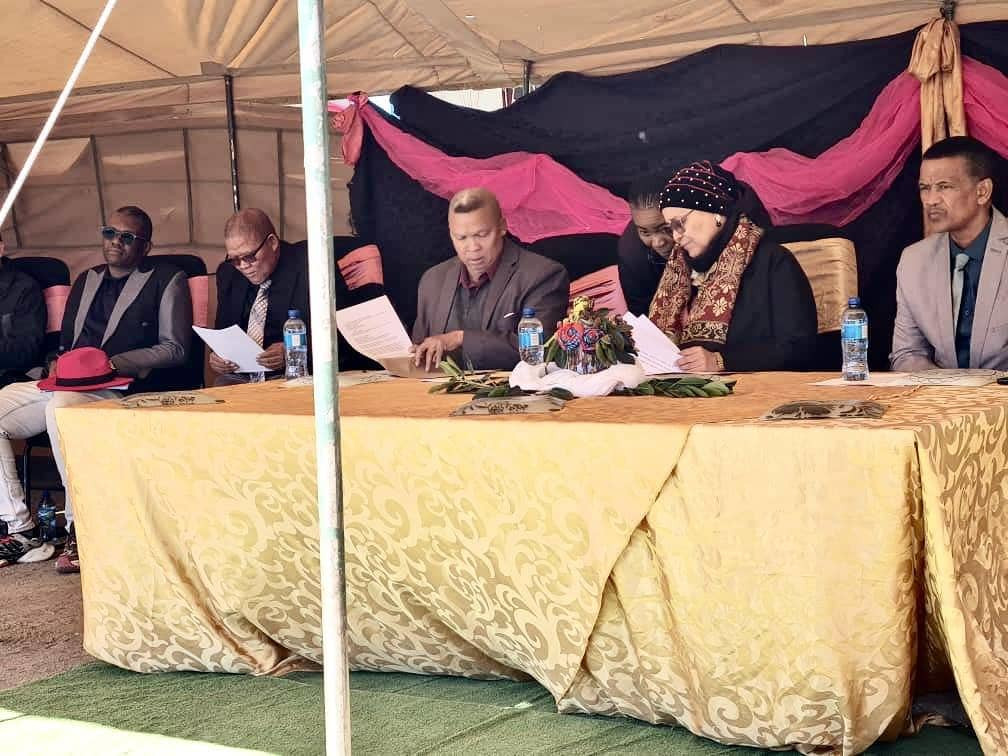
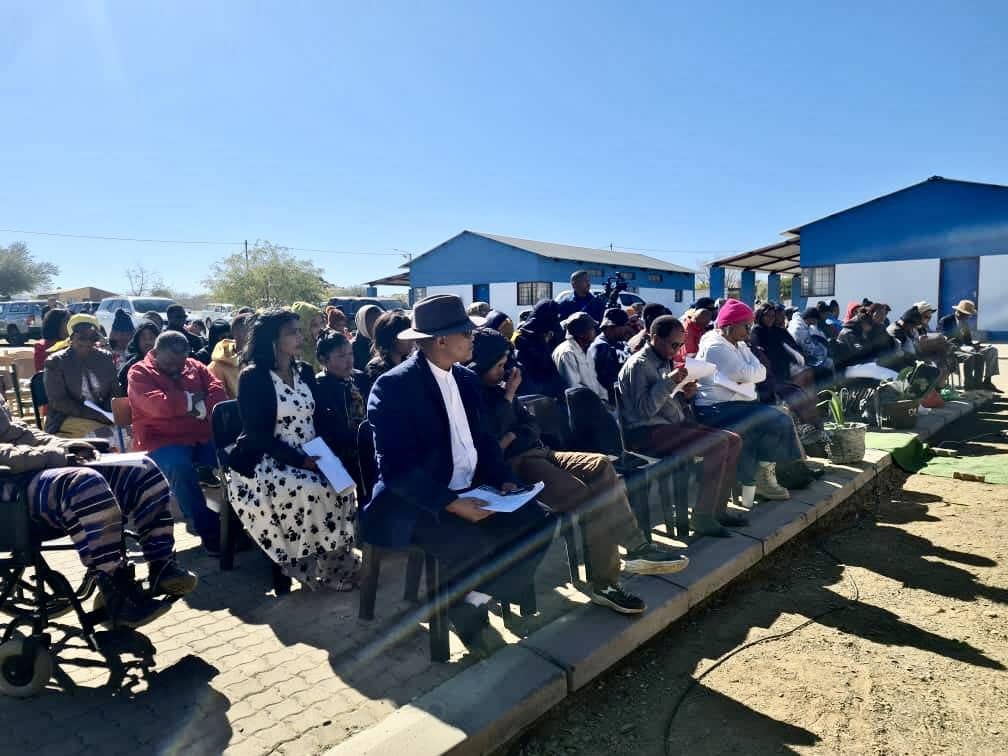
STRIVING FOR INCLUSIVITY: Scenes from the Disability Stakeholder Engagement. Photos: Vice President Lucia Witbooi.
She made these remarks at the recent Disability Stakeholder Engagement in Keetmanshoop, where she reaffirmed the Government’s commitment to ensuring that policies are shaped by the lived experiences of persons with disabilities.
“Under the visionary leadership of Her Excellency Dr Netumbo Nandi-Ndaitwah, the Government of Namibia remains steadfast in its pursuit of inclusive development. Guided by the Sixth National Development Plan (NDP6), we are prioritising social equity, economic empowerment, and an improved quality of life for all Namibians, especially the most vulnerable,” Witbooi added.
She highlighted the urgent need to improve accessibility in public buildings and schools and encouraged employers to adopt inclusive recruitment practices. She also called for vocational training programmes to incorporate adaptive approaches, inclusivity, and entrepreneurship initiatives.
“Teachers should be trained in inclusive methodologies, schools equipped with assistive technologies and learning materials, and inclusive education policies implemented to ensure that no child is left behind. Universal access to healthcare remains a priority. We are expanding mobile health services, training healthcare workers in disability-sensitive care, and increasing social grants and support services,” Witbooi said.