Staff Reporter
GERMAN European Space Agency (ESA) astronaut Dr Matthias Maurer will visit Namibia from 1 to 10 October to engage with about 8,000 school learners, promote science and technology, and strengthen cooperation between Namibia and the international space and scientific community.
Maurer, a material scientist who became an ESA astronaut in 2015, will visit Windhoek, Oshakati, Ongwediva and Swakopmund as part of World Space Week Namibia, which runs from 5 to 9 October under the theme “Rocket Revolution”.
The programme is organised by the National Commission on Research, Science and Technology (NCRST), with Maurer attending as a representative of the ESA.
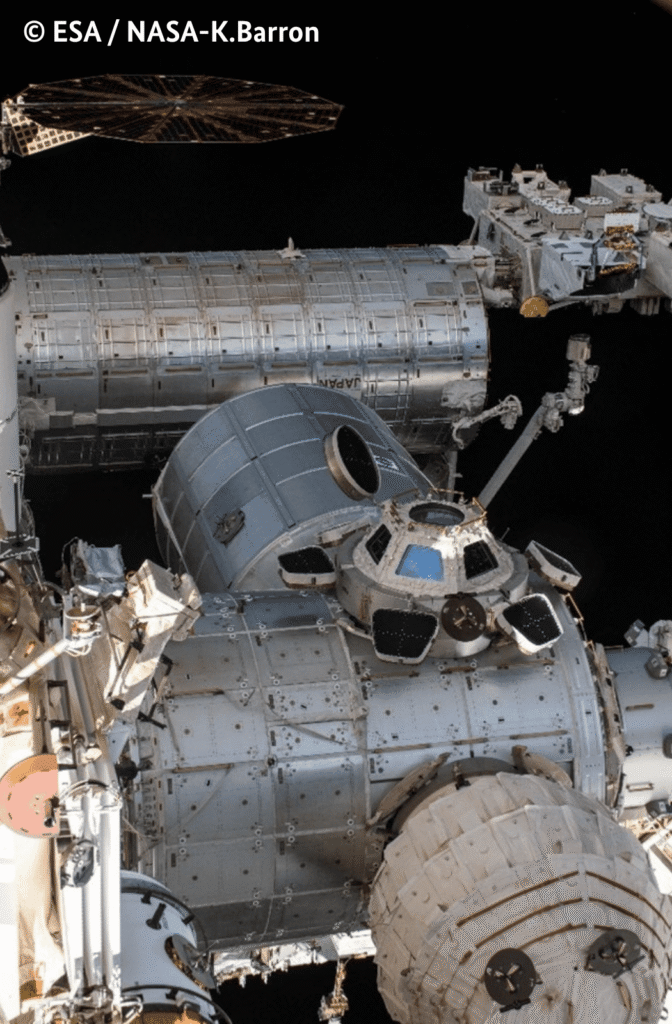
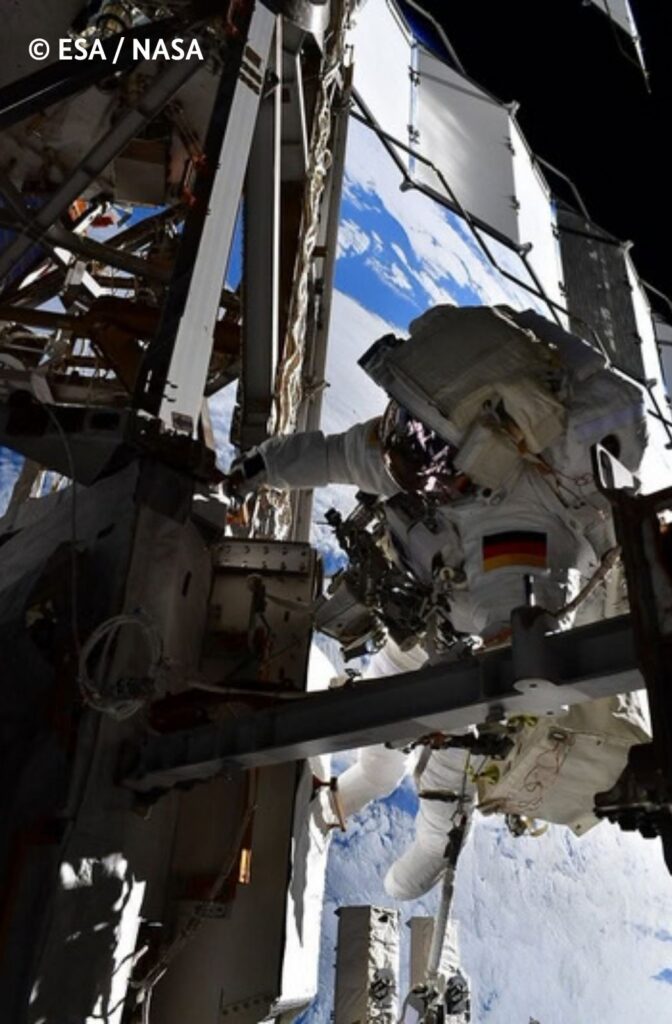
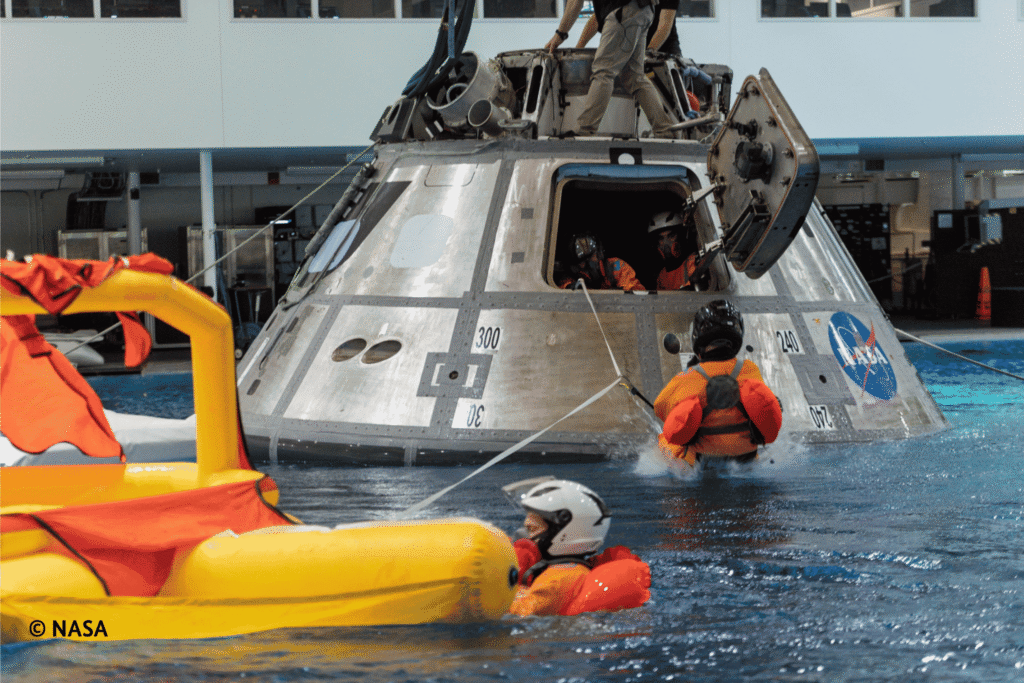
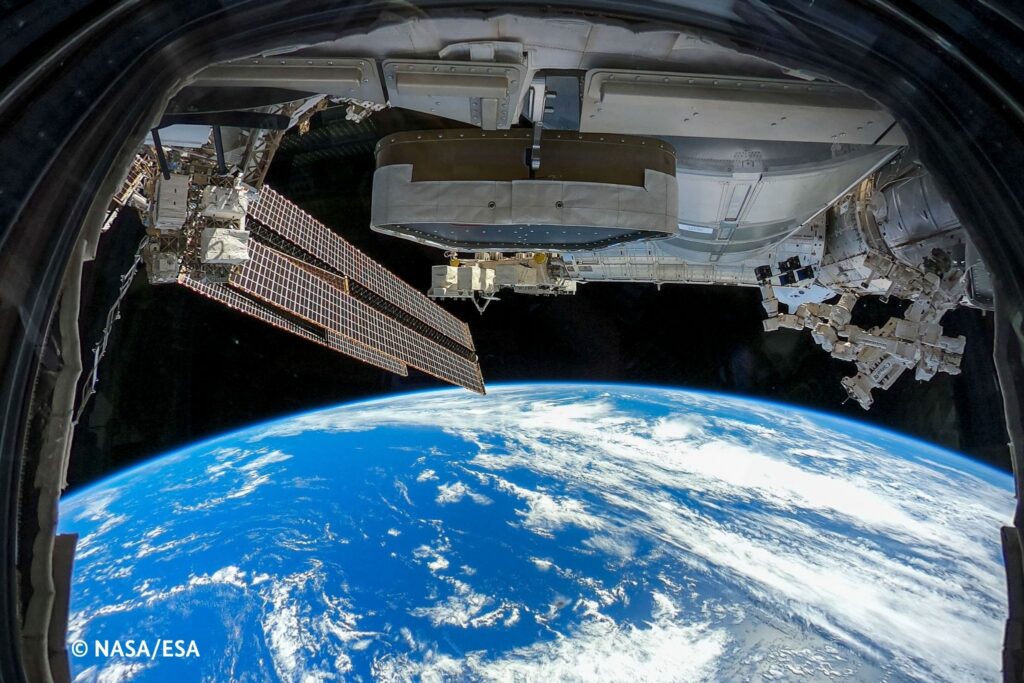

Photos: NASA/ESA
Maurer will deliver the keynote address at the opening of World Space Week Namibia at the Windhoek High School Stadium on 5 October.
He will also engage with young Namibians during public events at the University of Namibia’s Oshakati Campus and Ongwediva campus on 6 October, before visiting Swakopmund on 8 October.
Maurer said he was looking forward to engaging with Namibia’s young generation and sharing his passion for space, science, technology, engineering and mathematics.
“I believe all the young people, no matter what culture, what country, what language they are from, space is what unites us,” he said.
Maurer spent 177 days aboard the International Space Station (ISS) during the 2021/2022 SpaceX Crew-3 mission and is currently preparing for NASA’s Artemis Mission to the Moon, scheduled for 2028.
Reflecting on his first view of Earth from space, Maurer described the planet as an oasis and emphasised the need to protect it.
“It’s the only place where humans can live and thrive, and it’s a very special place. There’s no plan B. We need to protect planet Earth,” he said.
He said his time aboard the ISS changed his perspective on Earth, comparing the planet to a large spacecraft that humans have a responsibility to maintain.
One of the most memorable experiences of his space career was his spacewalk, which he described as both frightening and rewarding.
“Opening the door and stepping outside, that’s both scary, but then also so enriching because you see that you, as a human being, you can do things if you prepare for such a challenging activity and if you dare to do it and if you believe in yourself,” he said.
During his visit, Maurer will also experience Namibia’s scientific and astronomical research landscape, including the Gobabeb Desert Research Station, the High Energy Stereoscopic System (H.E.S.S.) observatory, the Africa Millimetre Telescope under construction and the International Amateur Observatory in the Gamsberg area.
He said he was particularly interested in seeing Namibia’s southern hemisphere skies and desert landscapes, which he compared to conditions found on the Moon.
“I’m especially looking forward to Namibia, to see the southern hemisphere of our universe from Namibia, but also seeing the desert areas, which will inspire me, hopefully, how to work efficiently on the moon,” he said.
Maurer also highlighted the importance of African countries becoming increasingly involved in space science and exploration.
He said space would become increasingly important for navigation, telecommunications and Earth observation, and encouraged African countries to participate alongside established space-faring nations.
“Space belongs to everyone,” he said.
He also stressed the importance of international cooperation in space exploration, saying countries could achieve more by working together.
“In space, we are humans. We represent humanity. No matter what culture we come from, no matter what passports we have, no matter what language we speak, we are humans,” he said.
Maurer’s visit forms part of the United Nations-supported World Space Week initiative, which aims to highlight the contribution of space science and technology to humanity.
The overall objective of his Namibia tour is to raise awareness of the peaceful and sustainable use of outer space, promote science, technology and research, and highlight potential economic opportunities linked to the space sector.
Public events include the World Space Week opening event in Windhoek on 5 October at 09:30, followed by events at the UNAM Oshakati Campus and UNAM’s Ongwediva campus on 6 October at 09:30 and 13:30, respectively.
Maurer will conclude the public programme with an event in Swakopmund at The Dome on 8 October at 09:30.