Staff Reporter
THE Minister of Urban and Rural Development, Erastus Uutoni, urged leaders, particularly those responsible for food distribution, to ensure that all individuals eligible for food relief are properly assisted.
“I urge all of us, especially those entrusted with food distribution at the regional level, to ensure that nobody who qualifies for this food relief is left out,” the minister said.
He made these remarks during the official opening of the Rural Development Annual Review and Planning Workshop, held in Keetmanshoop, //Kharas Region. The workshop, which began on Monday, 16 September 2024, will conclude on Friday, 20 September 2024.
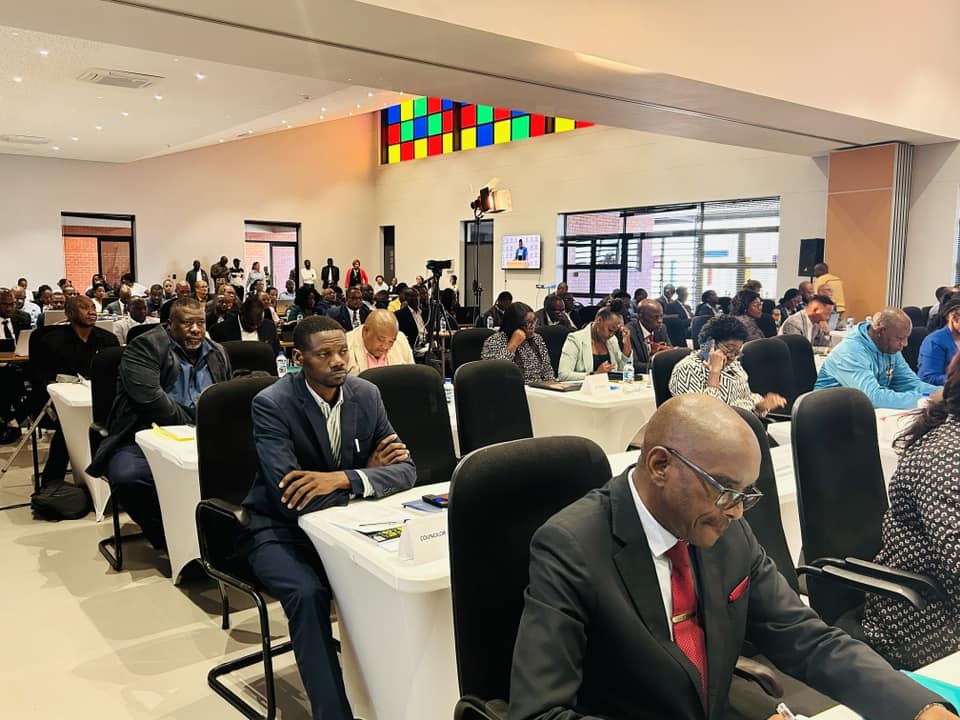
WORKING TOWARDS SOLUTIONS: Scenes from the opening of the Rural Development Annual Review and Planning Workshop. Photos: MICT Kharas Regional Office; MICT Kharas Regional Office. 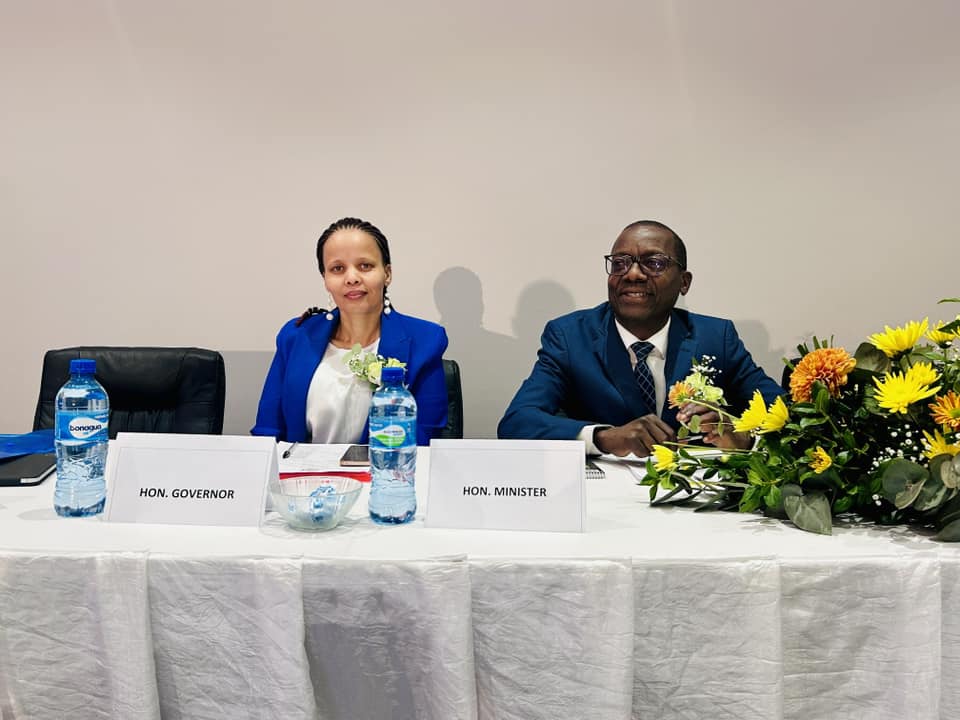
WORKING TOWARDS SOLUTIONS: Scenes from the opening of the Rural Development Annual Review and Planning Workshop. Photos: MICT Kharas Regional Office; MICT Kharas Regional Office. 
WORKING TOWARDS SOLUTIONS: Scenes from the opening of the Rural Development Annual Review and Planning Workshop. Photos: MICT Kharas Regional Office; MICT Kharas Regional Office.
Aletha Frederick, the governor of the //Kharas Region, explained that the workshop aims to provide an opportunity for collective reflection on rural development initiatives, progress, achievements, and challenges. She added that it also serves as a platform for strategizing corrective measures.
“These efforts play a critical role in mitigating rural-urban migration by creating sustainable livelihoods in rural areas, so that we can encourage individuals to remain within their communities rather than seeking opportunities elsewhere,” Frederick added.
Uutoni noted that, while the entire country is experiencing a severe drought, rural areas are particularly affected.
“Everyone now, countrywide, is affected by this drought, and it is our responsibility as leaders to ensure that those who qualify benefit. In the long term, we must develop and implement innovative programmes that reduce communities’ exposure and vulnerability to drought and increase resilience,” he said.
The minister also urged workshop participants, including the governor of the //Kharas Region and the Mayor of Keetmanshoop, McDonald Hanse, to reflect on the relevance, effectiveness, and efficiency of interventions and remedial measures addressing challenges in rural areas.
Despite the ongoing challenges in rural areas, Uutoni revealed several achievements since the last Rural Development Annual Review and Planning Workshop. These include the provision of over 50 grants, amounting to more than N$8 million, to communities by regional councils for micro-finance and food security projects.
Additionally, he said, over 600 temporary jobs were created through the Food/Cash for Work programme in rural areas, and more than 100 temporary jobs were provided for young artisans at Rural Development Centres, where they were involved in manufacturing productive equipment.