Staff Reporter
THE Third First Lady of Namibia, Monica Geingos, expressed gratitude for the support she received from former First Lady Penehupifo Pohamba and current First Lady Sustjie Mbumba, underscoring the importance of establishing strong learning networks for First Ladies both domestically and internationally.
She highlighted the personal support provided by First Lady Mbumba, in particular, as pivotal during her own transition.
She made these remarks at the Legacy Workshop of the Global First Ladies Academy in New York, United States of America (USA), held from 10 to 14 July 2024. The Global First Ladies Academy is an executive leadership programme curated by Columbia University’s Mailman School of Public Health and the Global First Ladies Alliance.
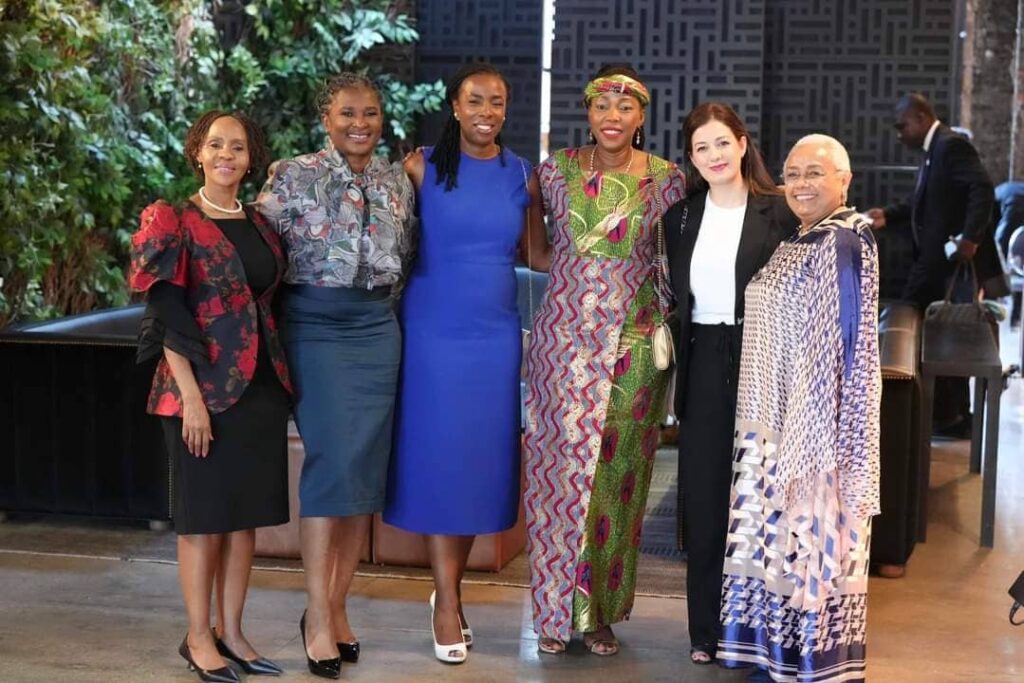
FIRST LADIES UNITED: Scenes from Global First Ladies Academy. Photo: Facebook (Monica Geingos, The Third First Lady of Namibia). 
FIRST LADIES UNITED: Scenes from Global First Ladies Academy. Photo: Facebook (Monica Geingos, The Third First Lady of Namibia). 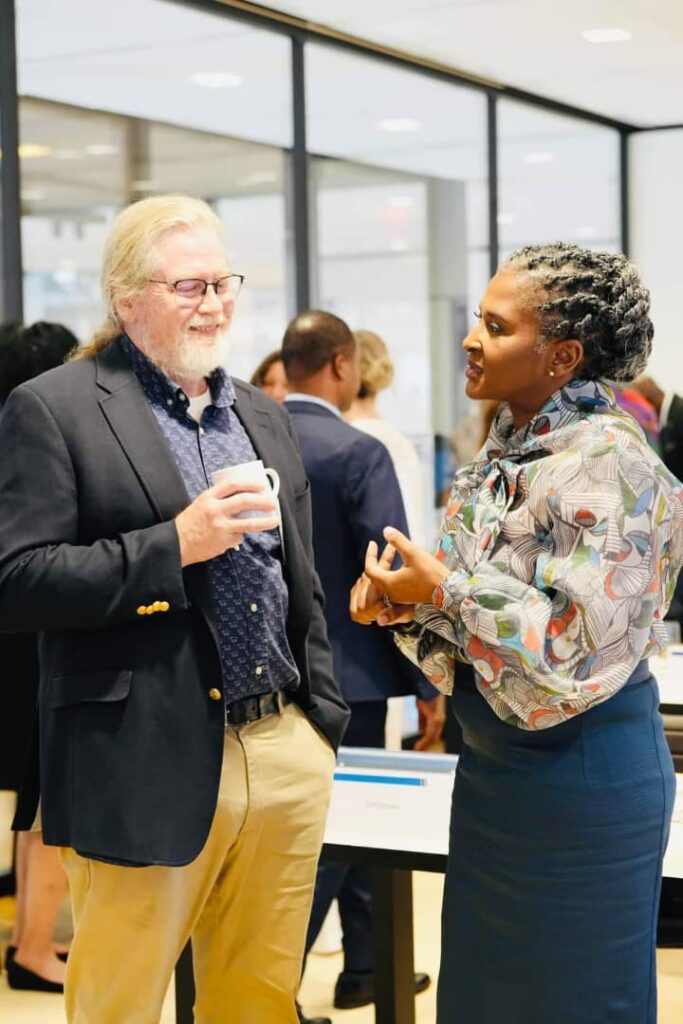
FIRST LADIES UNITED: Scenes from Global First Ladies Academy. Photo: Facebook (Monica Geingos, The Third First Lady of Namibia). 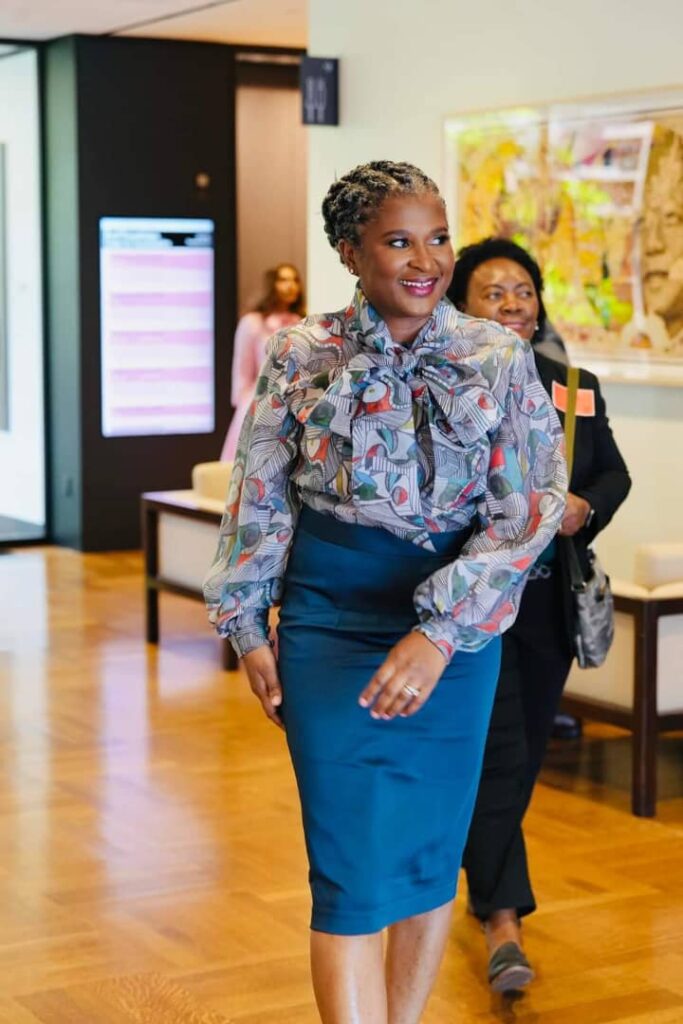
FIRST LADIES UNITED: Scenes from Global First Ladies Academy. Photo: Facebook (Monica Geingos, The Third First Lady of Namibia). 
FIRST LADIES UNITED: Scenes from Global First Ladies Academy. Photo: Facebook (Monica Geingos, The Third First Lady of Namibia). 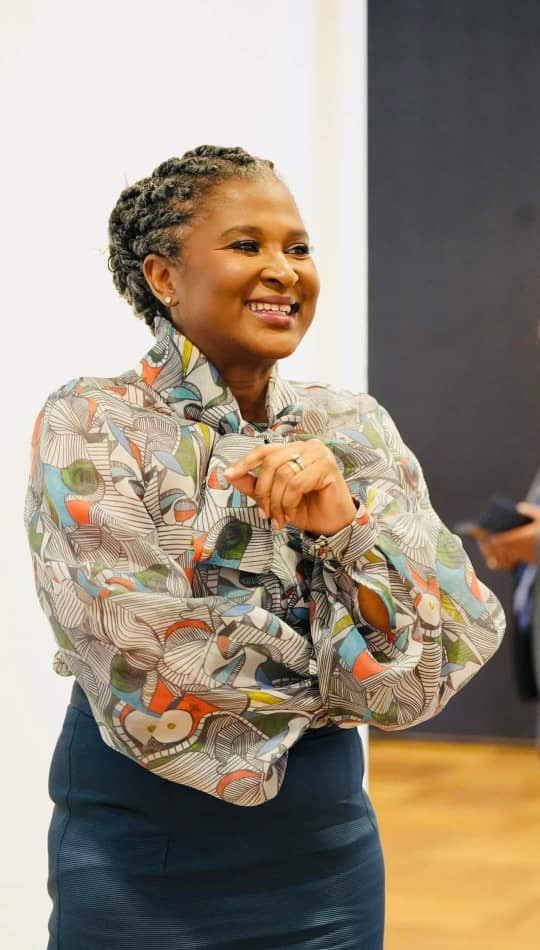
FIRST LADIES UNITED: Scenes from Global First Ladies Academy. Photo: Facebook (Monica Geingos, The Third First Lady of Namibia). 
FIRST LADIES UNITED: Scenes from Global First Ladies Academy. Photo: Facebook (Monica Geingos, The Third First Lady of Namibia). 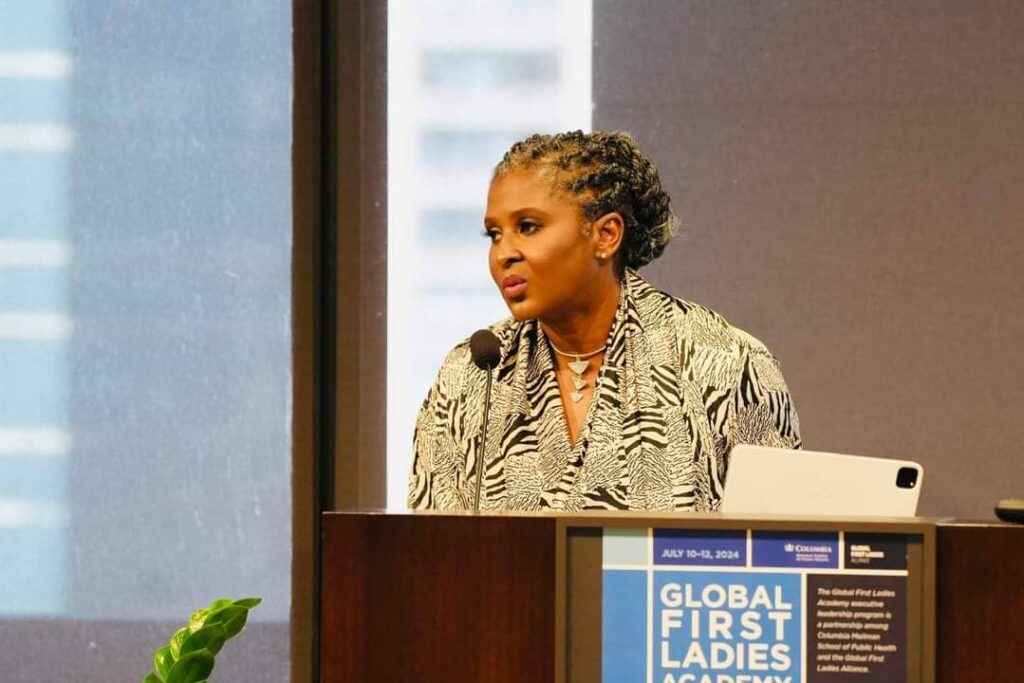
FIRST LADIES UNITED: Scenes from Global First Ladies Academy. Photo: Facebook (Monica Geingos, The Third First Lady of Namibia). 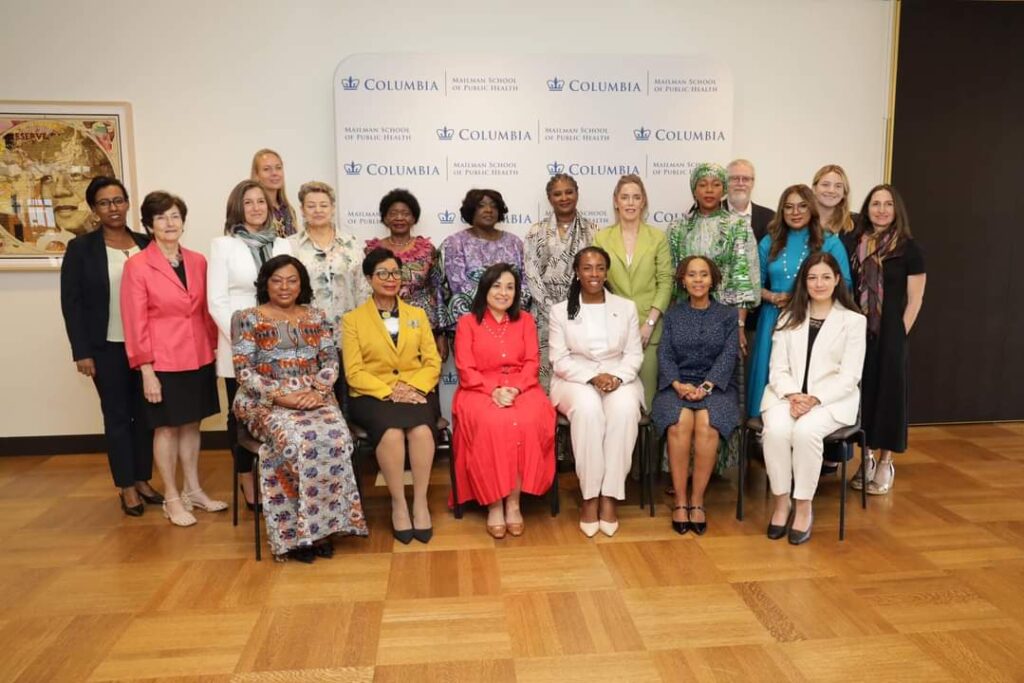
FIRST LADIES UNITED: Scenes from Global First Ladies Academy. Photo: Facebook (Monica Geingos, The Third First Lady of Namibia). 
FIRST LADIES UNITED: Scenes from Global First Ladies Academy. Photo: Facebook (Monica Geingos, The Third First Lady of Namibia). 
FIRST LADIES UNITED: Scenes from Global First Ladies Academy. Photo: Facebook (Monica Geingos, The Third First Lady of Namibia). 
FIRST LADIES UNITED: Scenes from Global First Ladies Academy. Photo: Facebook (Monica Geingos, The Third First Lady of Namibia). 
FIRST LADIES UNITED: Scenes from Global First Ladies Academy. Photo: Facebook (Monica Geingos, The Third First Lady of Namibia). 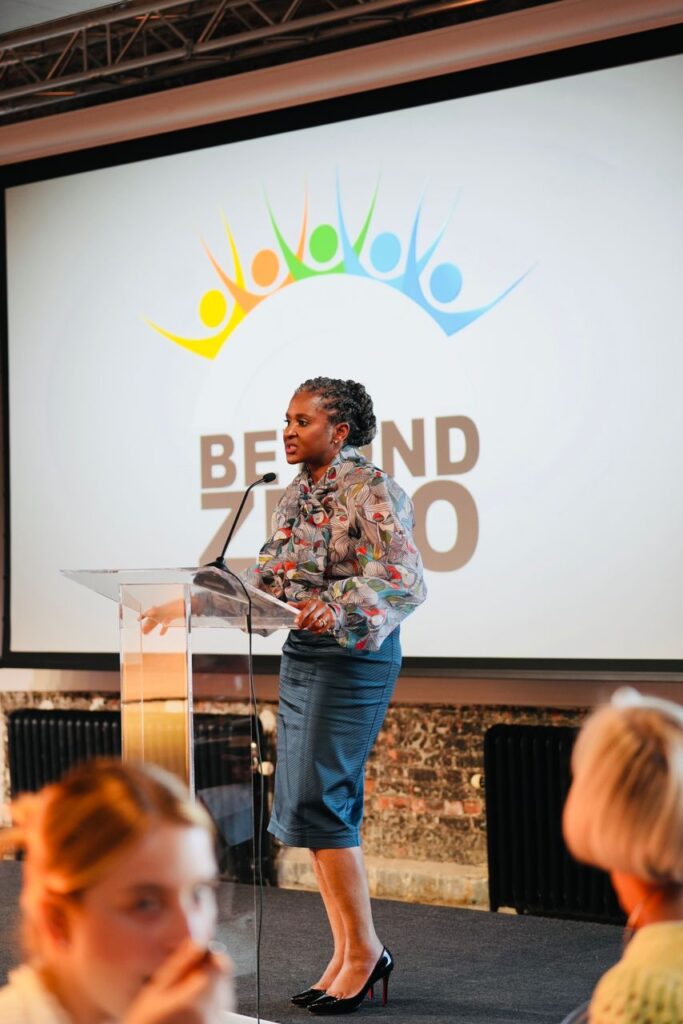
FIRST LADIES UNITED: Scenes from Global First Ladies Academy. Photo: Facebook (Monica Geingos, The Third First Lady of Namibia). 
FIRST LADIES UNITED: Scenes from Global First Ladies Academy. Photo: Facebook (Monica Geingos, The Third First Lady of Namibia). 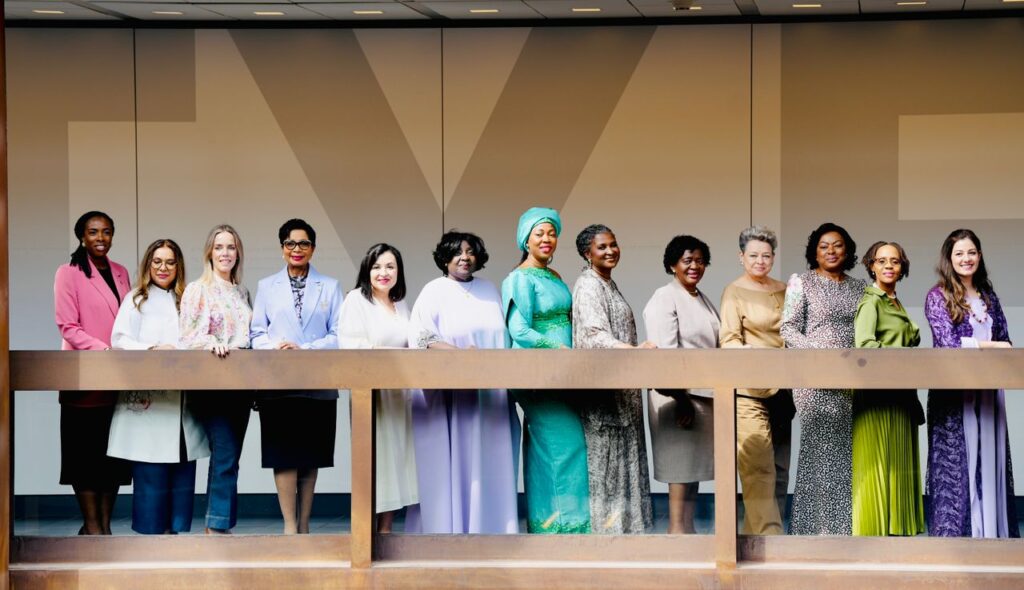
FIRST LADIES UNITED: Scenes from Global First Ladies Academy. Photo: Facebook (Monica Geingos, The Third First Lady of Namibia).
Former First Lady Monica Geingos was not only invited to attend the academy but also to serve as the lead speaker of the Legacy Workshop, discussing lessons learned as a former First Lady and how to build a legacy. During this workshop, she also highlighted the importance of First Ladies spending social capital on the advancement of social issues and staying authentic. She also emphasised the need for strong governance frameworks and meaningful partnerships.
The event brought together First Ladies, Former First Ladies, and their technical advisors from sixteen countries across Africa, Latin America, the Caribbean, and the Middle East. Participants from Angola, Bahamas, Belize, Bermuda, Botswana, Burundi, Congo, Ecuador, Guatemala, Iraq, Kenya, Malawi, Mozambique, Namibia, Paraguay, Sierra Leone, and Suriname received certificates for completing the graduate-level Executive Leadership Programme.
Attendees praised Namibia for its smooth leadership transitions and commitment to continuity in leadership values. The academy emphasised the importance of strategic planning to sustain impact, ensuring initiatives led by First Ladies endure beyond their terms.
Sessions at the event, facilitated by Columbia Mailman School of Public Health faculty and GFLA experts, covered various topics including effective leadership, navigating power dynamics and innovation, strategic policymaking, and strengthening public health systems. Discussions also addressed non-communicable diseases, HIV/AIDS, women’s cancers, HPV, and strategies for leveraging national capacity building and learning networks.