Staff Reporter
THE Desert Lion Conservation Trust (DLCT) has warned potential tourists, holiday excursionists and fishermen of roaming desert lions on Torra Bay.
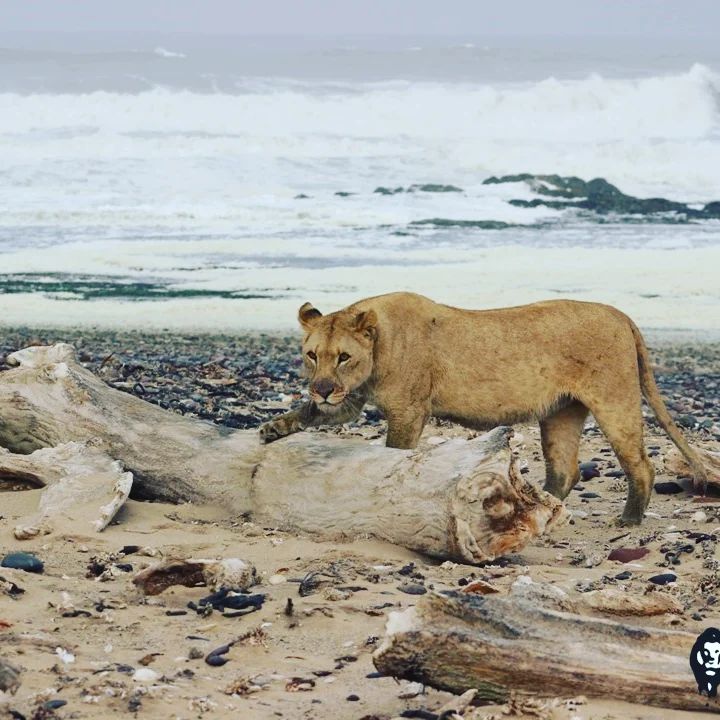
The Desert Lion Conservation Trust explained that during the past year several groups of lions have frequented the coastal habitats and have utilised marine food sources (mainly Cape fur seals) between the Koigab seal colony, the Uniab Delta and the Hoanib River mouth.
According to DLCT, the discovery of Cape fur seals and other marine food items by the desert lion population is a significant development from both a biological and conservation point of view.
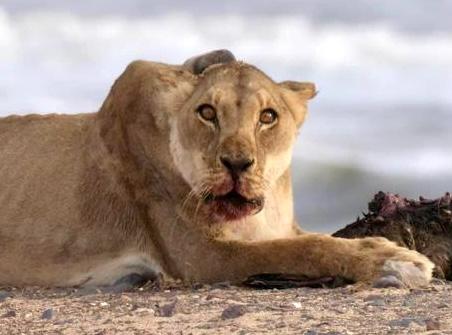
The trust explained that it is important for the conservation of the desert lion population that they continue to have access to the marine food resources as an alternative to livestock.
Despite this migration giving food security to the lions, the trust explained that towards the end of 2021/2022, there were a number of incidents between fishermen and a lioness that led to the lioness becoming aggressive and even charging the vehicles.
The Desert Lion Conservation Trust explained that as such, the disturbance to the lions when they are on the coast is a major concern that can lead to them avoiding the area. In addition to this, due to the harsh environmental conditions along the coast, the lions are extremely vulnerable, with no cover or anywhere to hide. Further to this, surf fishing as a form of tourism, with people driving and walking along the beaches, is not compatible with viewing lions in such an open and exposed environment.
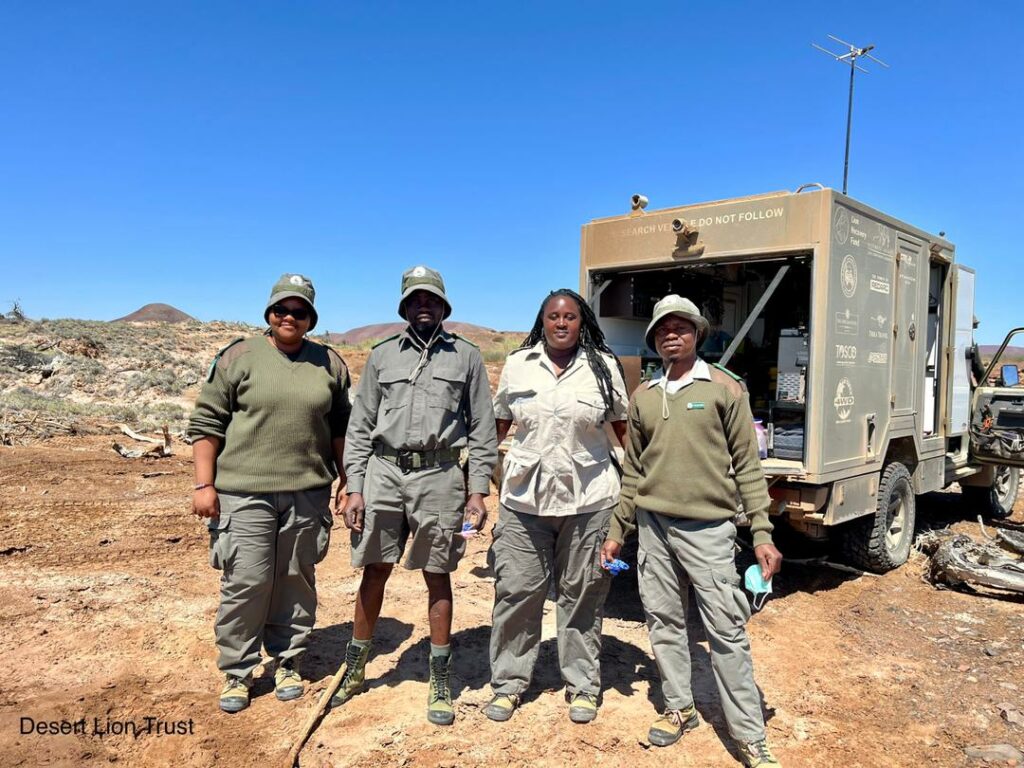
To address this, DLCT and the Ministry of Environment, Forestry & Tourism (MEFT), are collaborating to address potential incidents of conflict
Mitigation measures will involve fitting all lions with satellite collars, the tracking of lions on an hourly basis with Torra Bay Management being informed of the positions of the lions every day.
When lions visit the coast and are feeding on a seal carcass, a small section of the beach will be closed off temporarily.
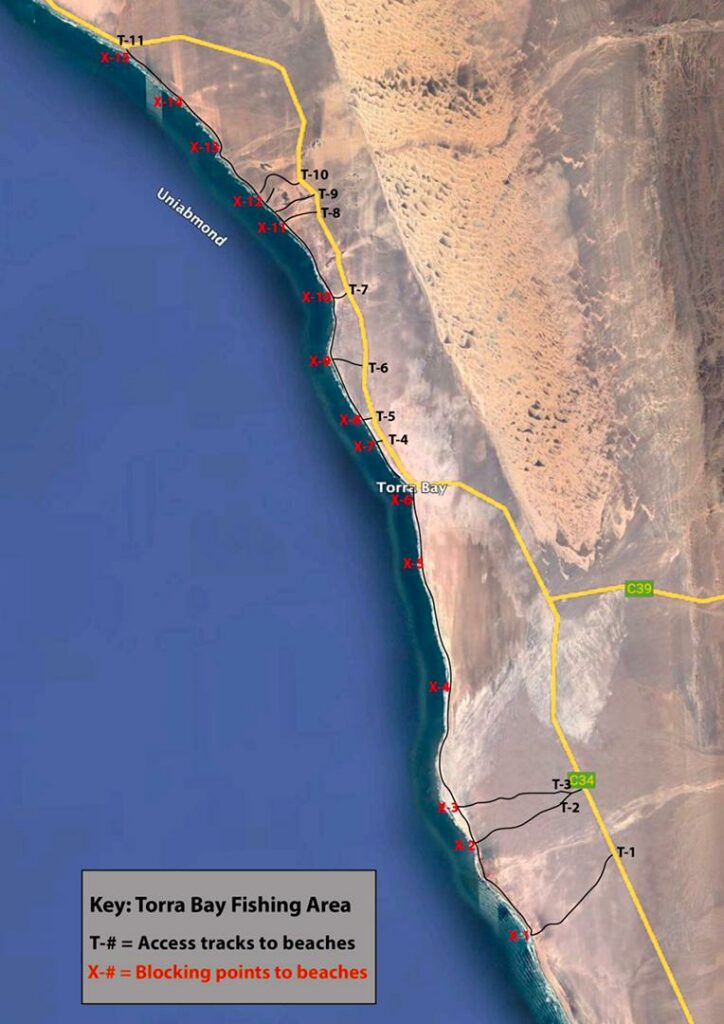
A detailed map was developed of potential blocking points to protect a section of the beach where lions are active.
Additionally, geo-fencing triggers will be developed and automated alerts will be sent to a relevant list of emails and cell phone numbers.
The trust advised tourists to avoid going off-road driving, walking at night, and vehicles must be in camp between sunset and sunrise.