Staff Reporter
The Deputy Minister of Education, Dino Ballotti, has revealed that there is an estimated shortage of over 1,900 pre-primary classrooms in the country, a gap that is affecting school readiness and contributing to repetition in the early grades.
“NDP6 highlights a substantial gap between pre-primary and Grade 1 enrolment and estimates a shortage of 1,977 pre-primary classrooms. This affects school readiness and contributes to repetition in the early grades. Expanding integrated early childhood development and pre-primary provision, especially in rural areas and communities of indigenous minorities, is therefore both an access and an equity priority. Hence the welcoming of the integration of ECD centers into the MEIYSAC,” Ballotti said.
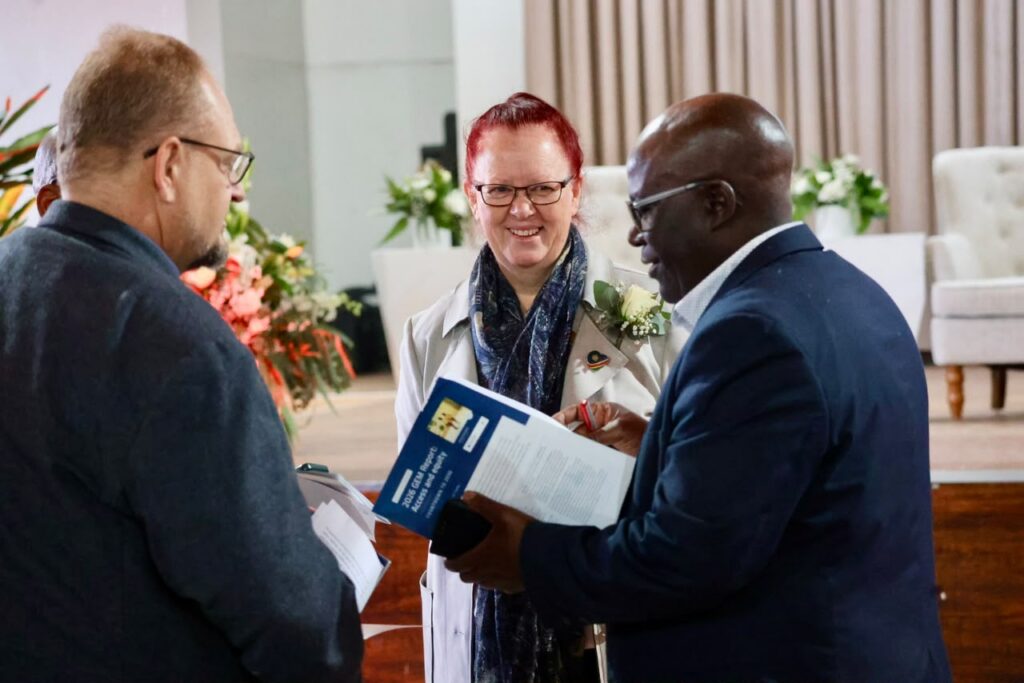
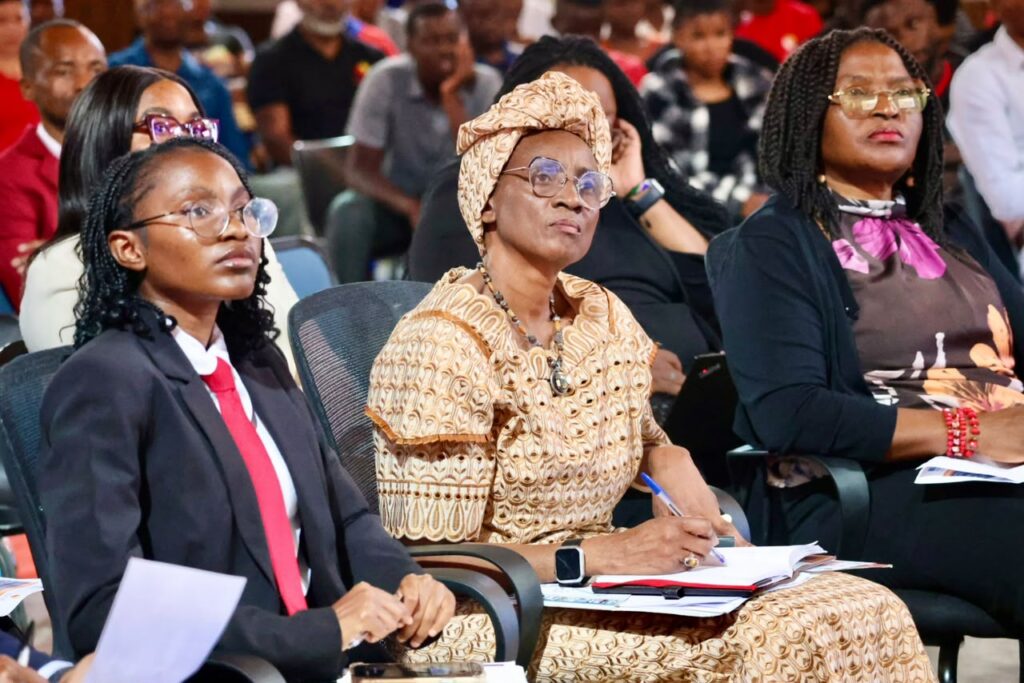
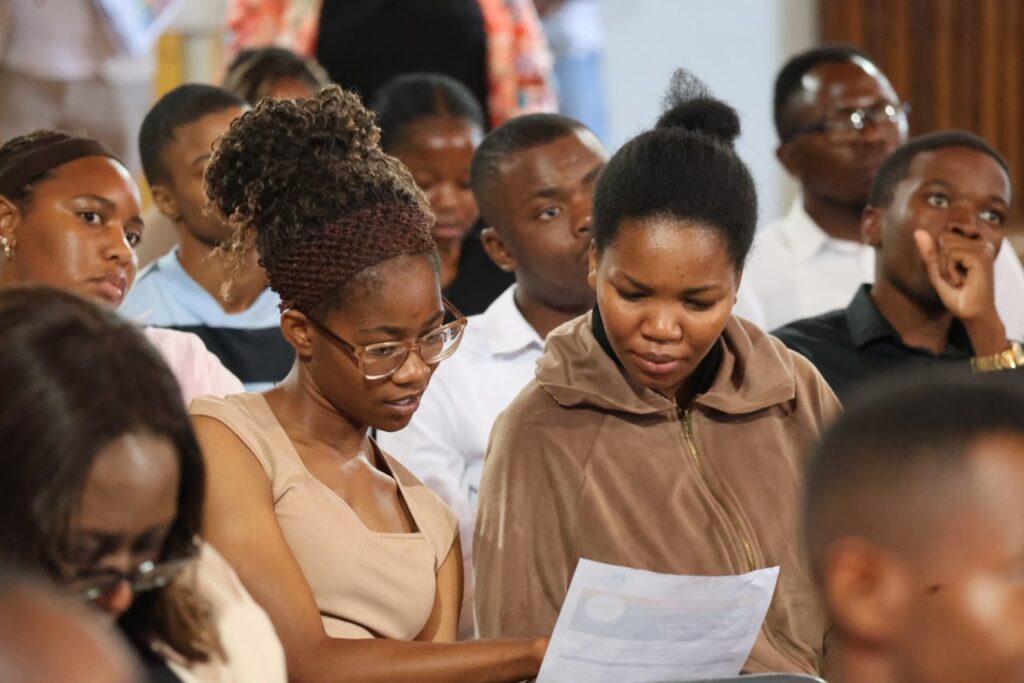
He made these remarks at the official launch of the Global Education Monitoring (GEM) Report, the first in the three-part Countdown to 2030 series designed to take stock of progress in education in terms of access and equity, quality and learning, and relevance. The report, which assessed 35 country case studies, including Namibia, is intended to help frame the debate on the post-2030 education agenda.
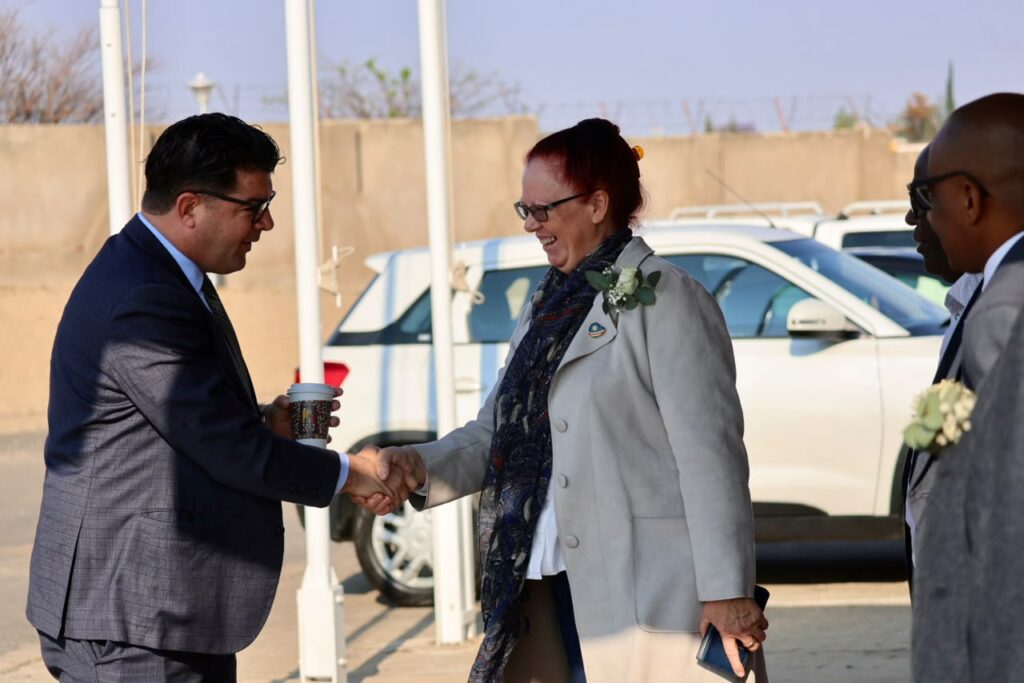
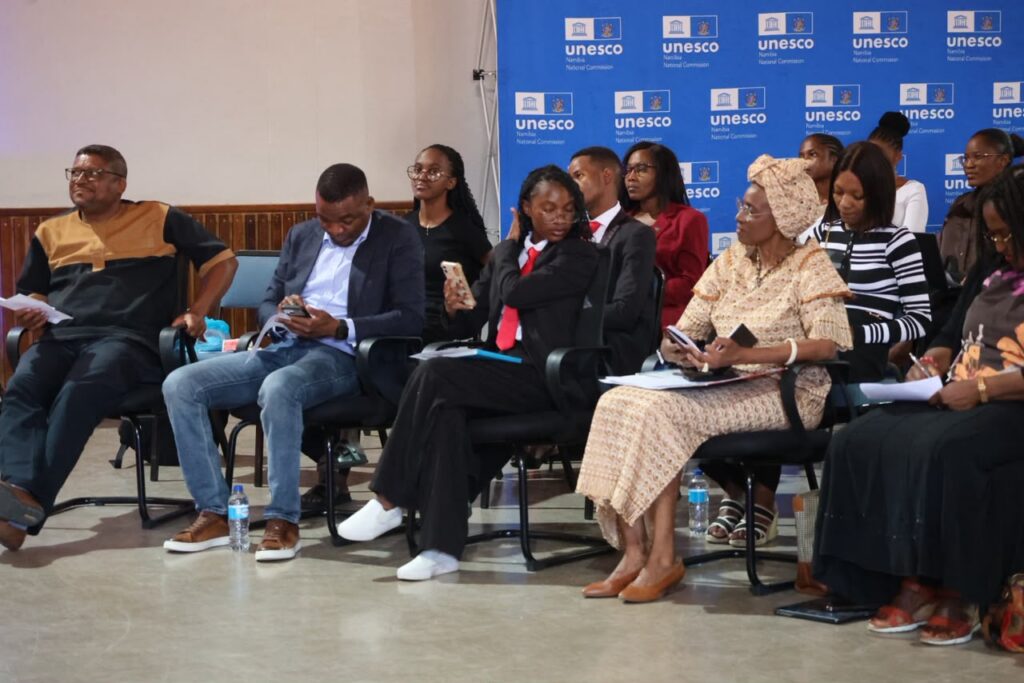
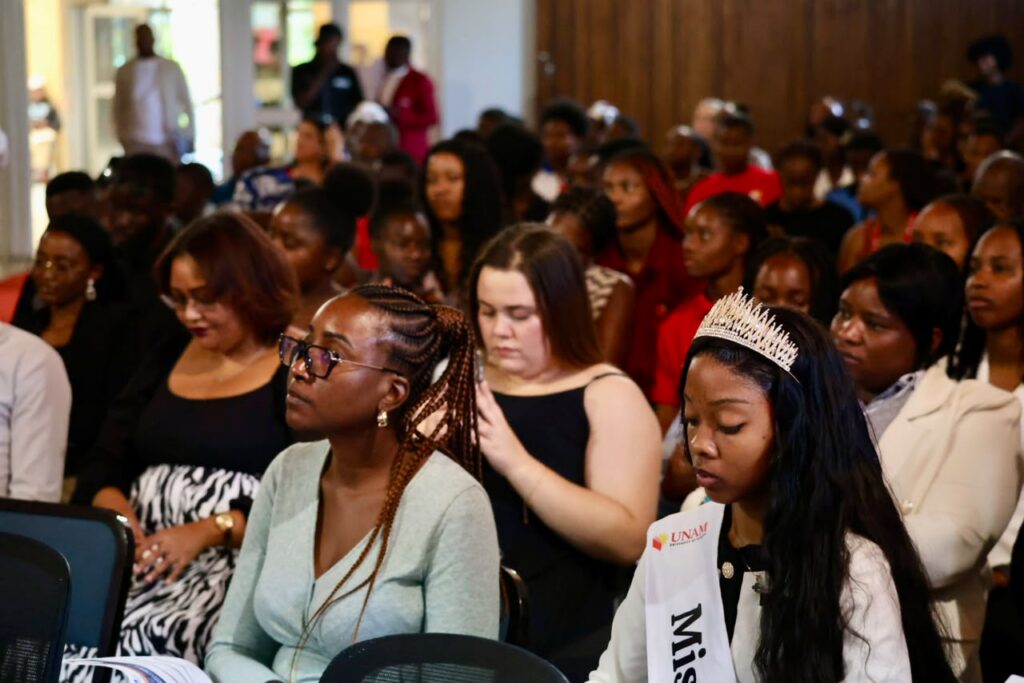

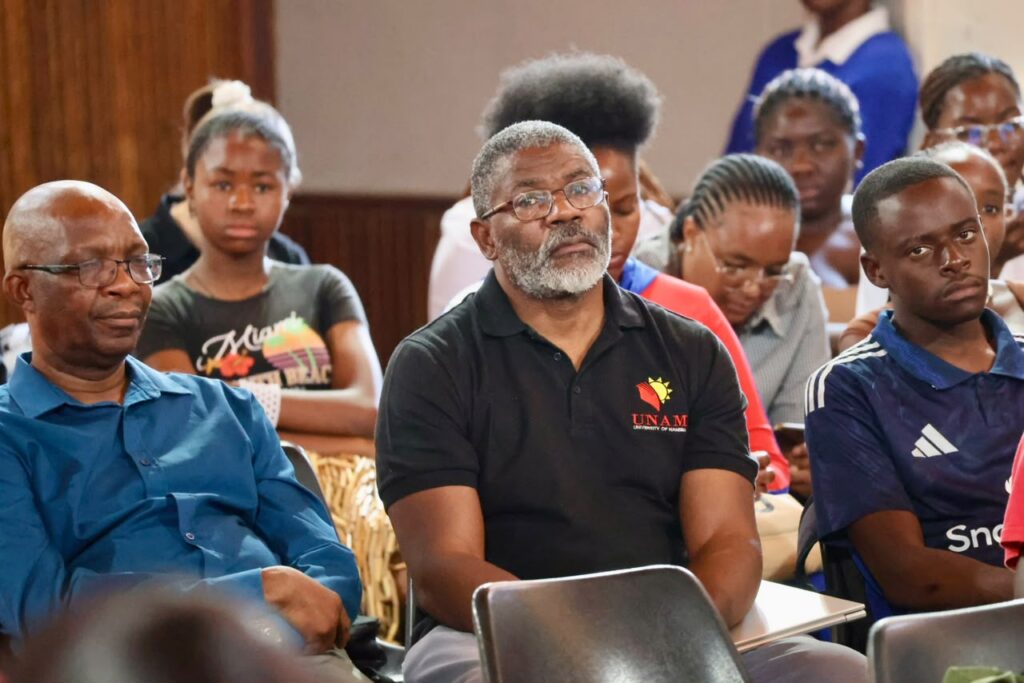
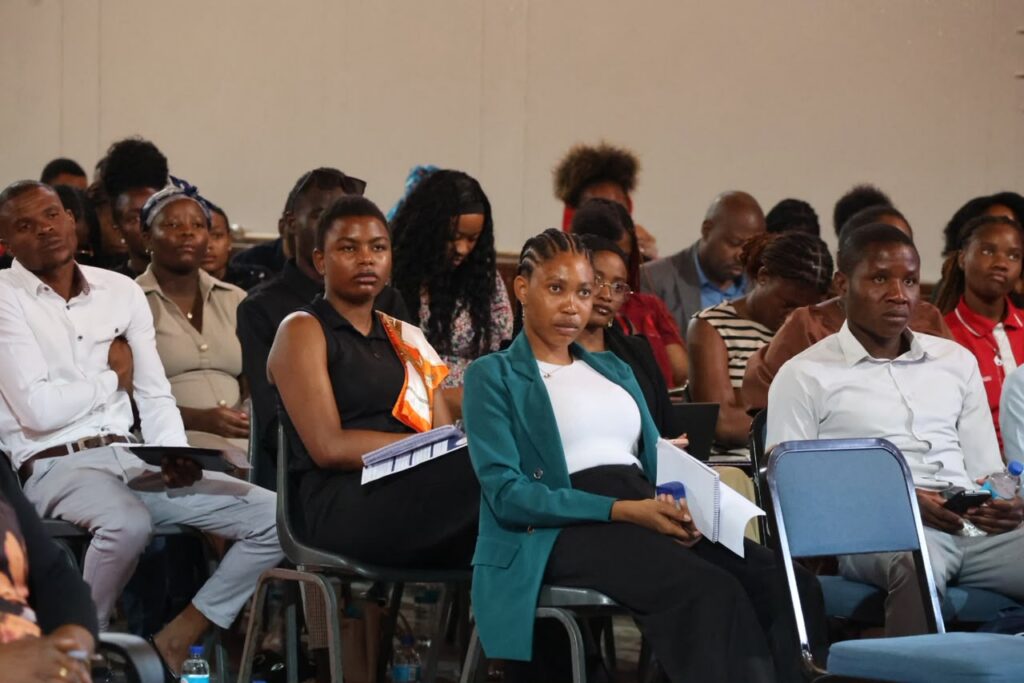
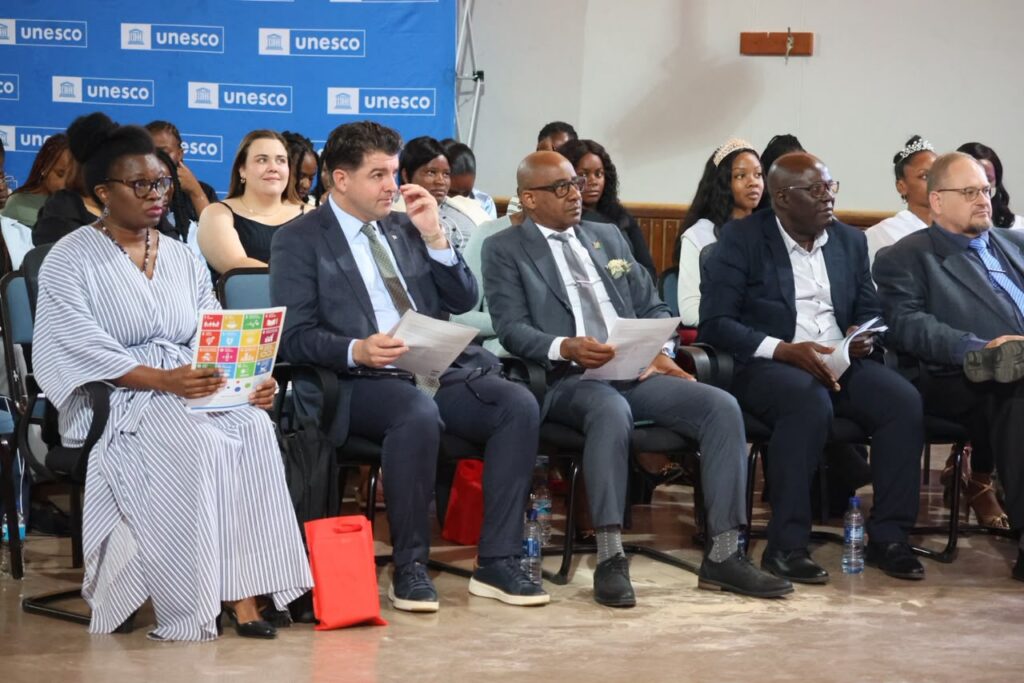

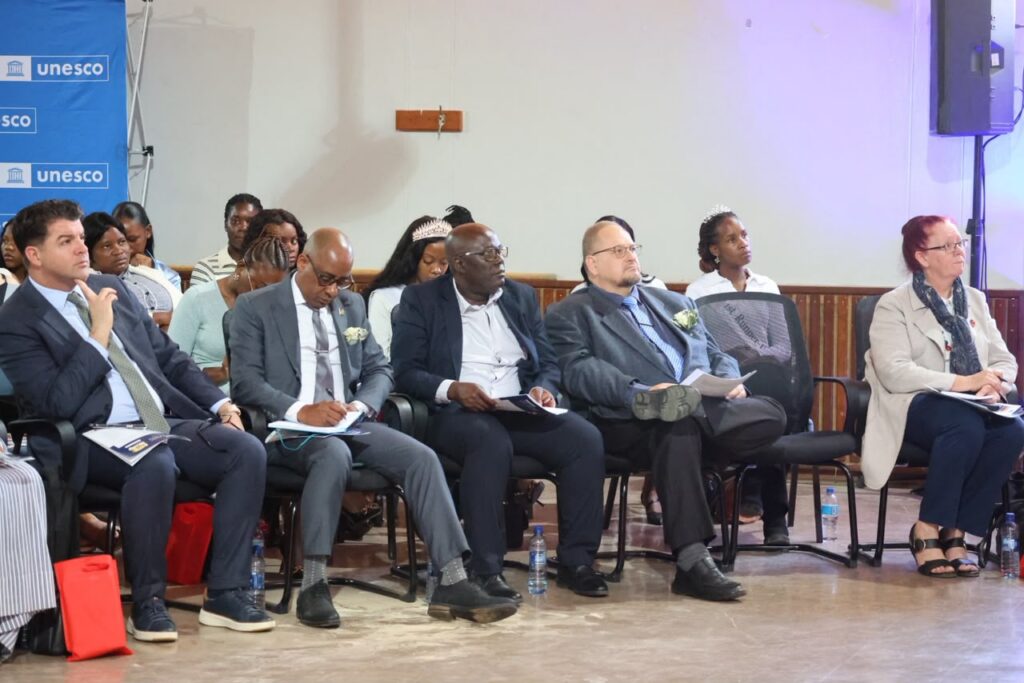
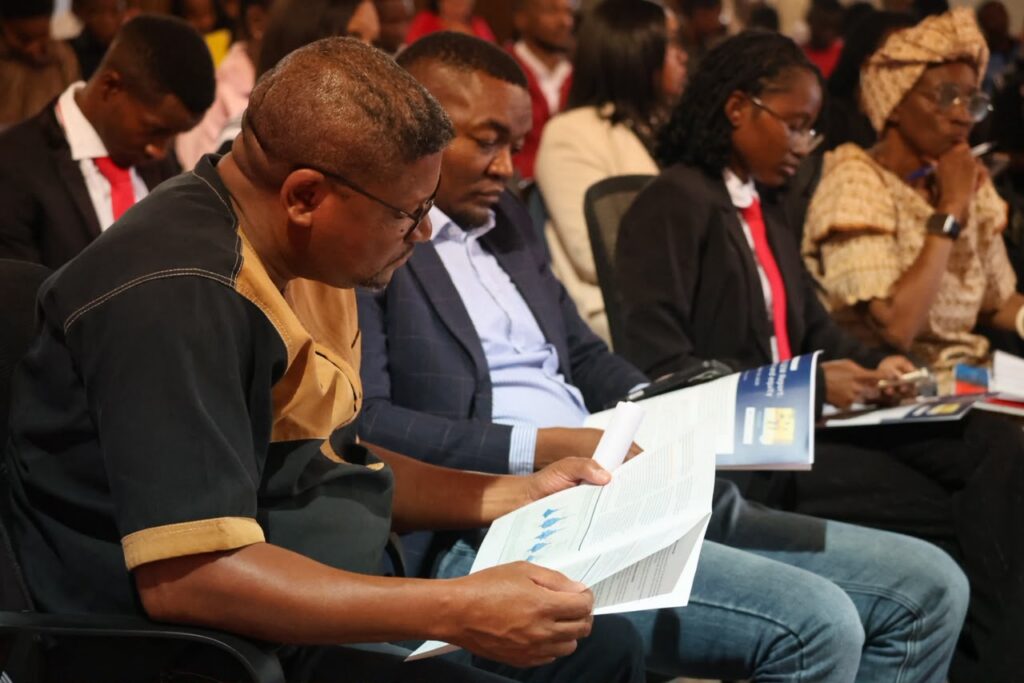




Photos: Ministry of Education.
“The Report we are launching today tells us that getting a child into a classroom is only the first step. True access means starting school at the right age, attending every day, moving successfully from one phase to the next, and finishing with an education that is meaningful,” Ballotti said.
According to him, the report gives Namibia an opportunity to assess its progress within a wider regional and global context.
“It reviews 25 years of participation across pre-primary, primary, secondary and post-secondary education and examines disparities linked to sex, location, wealth and disability. For Namibia, NDP6 records a school enrolment rate of 76.5% in 2023, with a continuing urban-rural difference, while net enrolment in primary education exceeded 97%. These gains matter, but enrolment alone is not enough. We must know who is absent, who is at risk of dropping out, who progresses and completes each level, and which groups continue to face disadvantage,” Ballotti said.
He emphasised that the data and evidence presented in the report guide planning, budgeting and the allocation of teachers, infrastructure, learning materials and support services. He added that the 2026 GEM Report identifies the allocation and targeting of resources as one of the strongest policy tools for advancing equity. For Namibia, he continued, this means directing additional support to the schools and communities facing the greatest barriers while using resources efficiently.