Staff Reporter
NAMIBIA must use the period before potential oil production to strengthen local skills, institutions, regulations and links between the petroleum sector and the wider economy, speakers at the Bank of Namibia’s 2026 Annual Symposium.
Held under the theme “Namibia’s Pre-Oil Production Phase: Assessing Choices That Unlock Long-Term Economic Value”, the symposium brought together policymakers, regulators, industry representatives, academics and local and international experts to discuss how Namibia can prepare for potential oil production and ensure the sector contributes to long-term economic development.
Bank of Namibia Governor Ebson Uanguta identified three key priorities for the pre-production period: developing domestic skills, expertise and entrepreneurship; strengthening institutions and the regulatory framework; and creating stronger links between the petroleum sector and the wider economy.
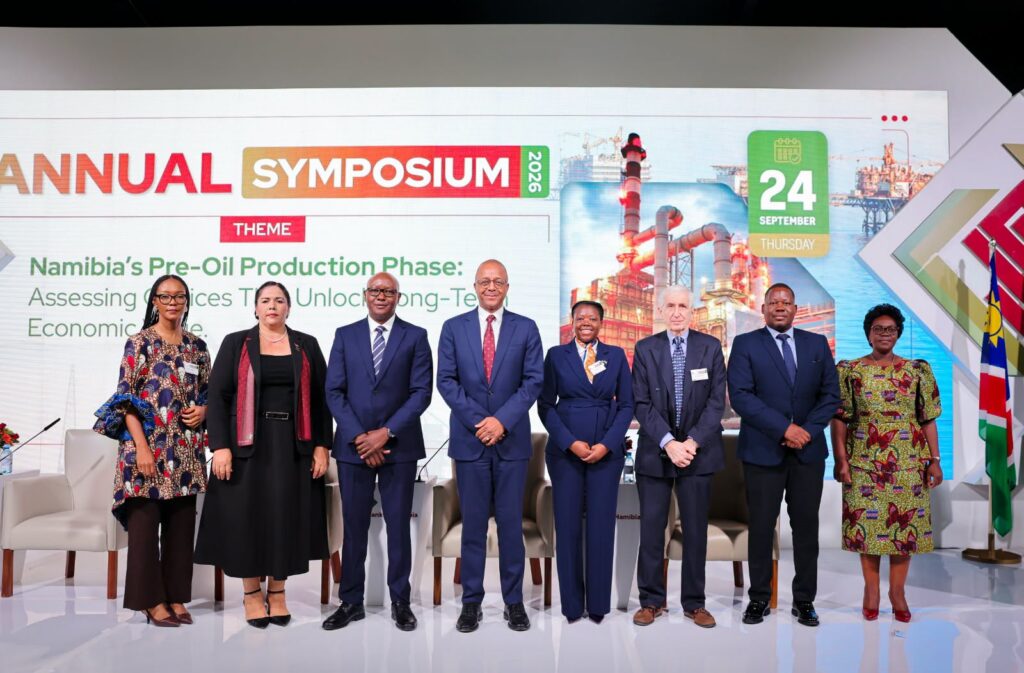
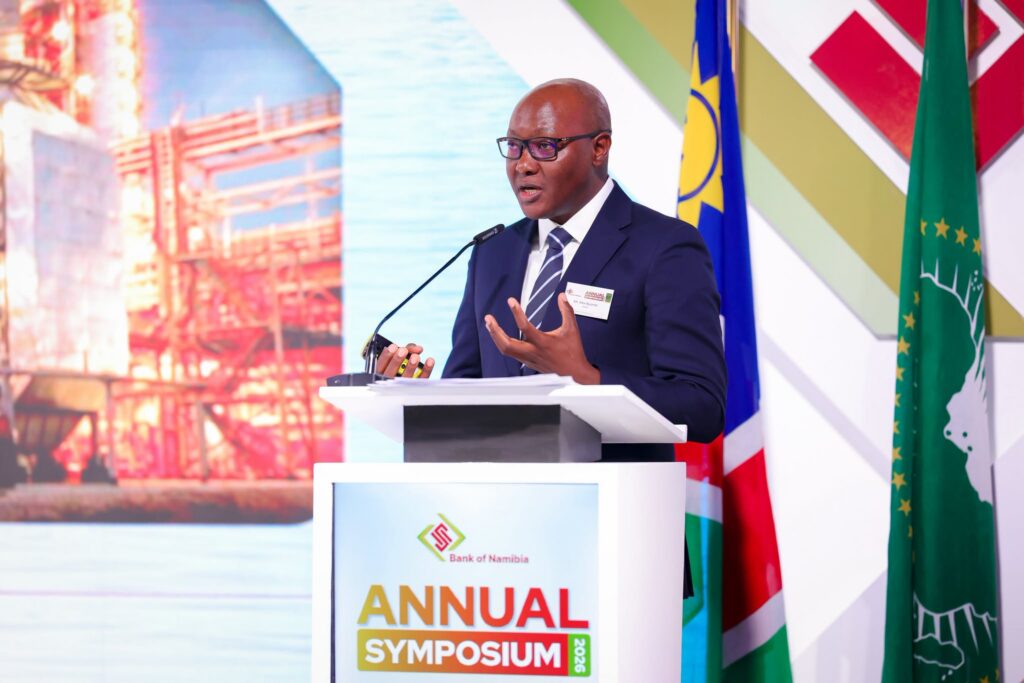
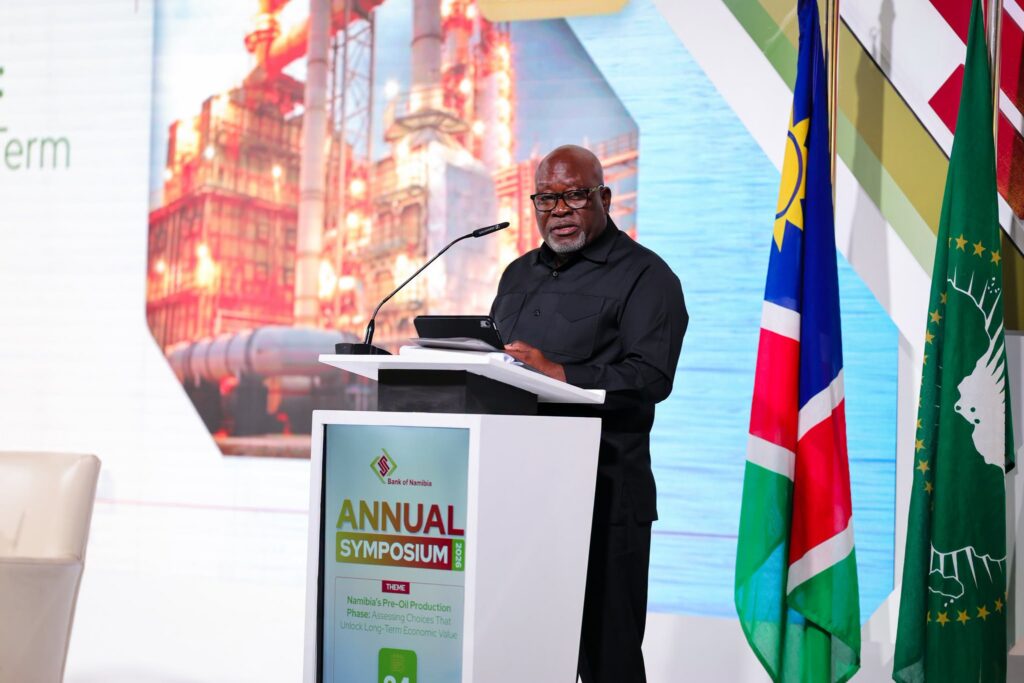
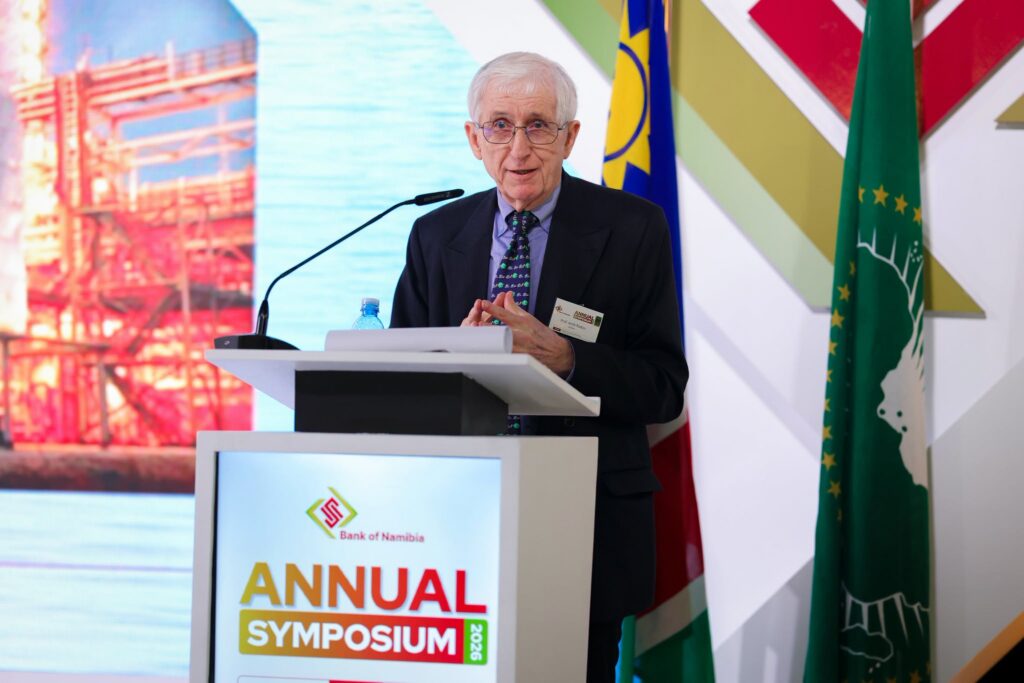
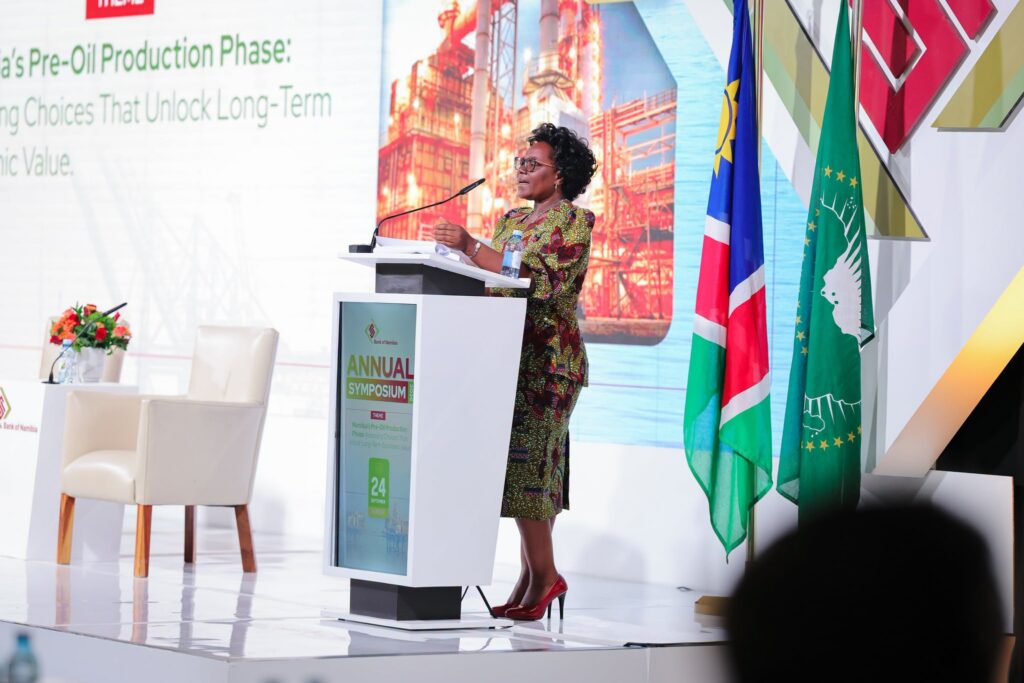
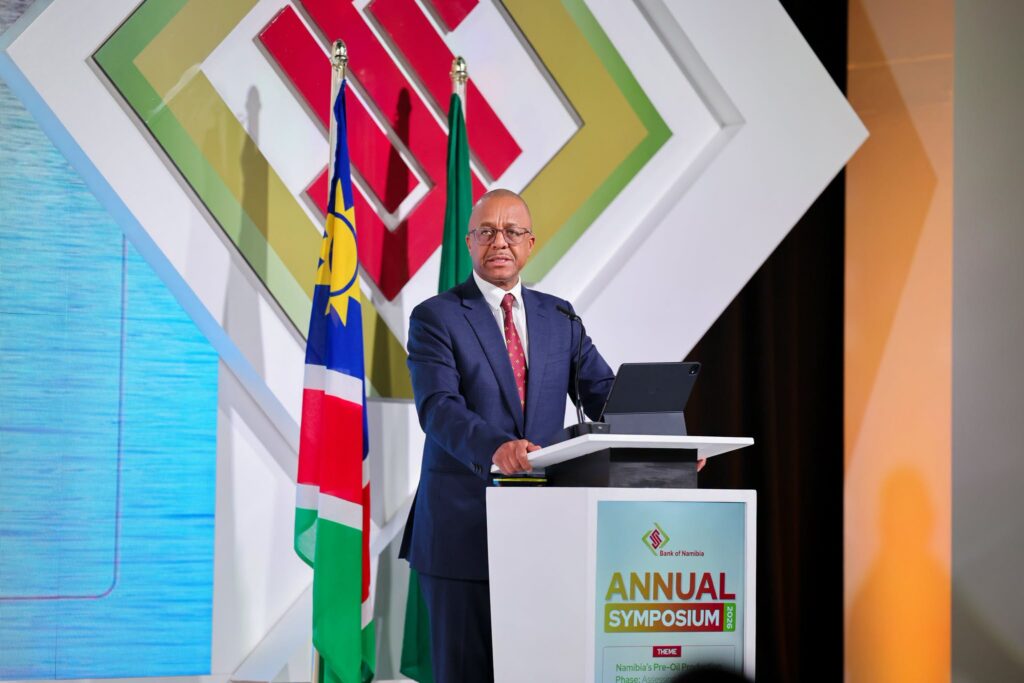
Photos: Bank of Namibia
He said Namibian businesses should progressively be able to participate in and compete for opportunities created by the oil and gas sector.
“A first priority must be building domestic capabilities. Participation should not merely be viewed from the perspective of ownership or procurement,” Uanguta said.
He added that strong institutions and effective regulation would be necessary, with coordination among institutions responsible for the sector, environmental safeguards and meaningful engagement with affected communities built into the process from the beginning.
“The Bank of Namibia is strengthening its own readiness for this transition,” Uanguta said, adding that the central bank is improving its economic forecasting frameworks to include oil and gas factors and strengthening financial stability monitoring to help financial institutions manage emerging risks.
The bank is also investing in staff capabilities through targeted training, benchmarking and peer learning, he said.
The symposium also highlighted the economic activity already generated by oil and gas exploration.
Dr Emma Haiyambo, Director of the Research and Financial Sector Development Department at the Bank of Namibia, said the sector attracted approximately N$74.4 billion in foreign direct investment between 2021 and 2025, accounting for about 56% of Namibia’s total FDI inflows.
Exploration activities also accounted for an average of about 30% of Gross Fixed Capital Formation between 2022 and 2025, she said.
However, speakers emphasised that investment and resource potential alone would not guarantee long-term economic benefits.
Alex Nyombi, Director of Development and Production at the Petroleum Authority of Uganda, said Namibia should ensure prudent use of petroleum revenues, promote value addition and local participation, and use the resources to support wider economic diversification and sustainable development.
Minister of Industries, Mines and Energy Modestus Amutse said Namibia needed to ensure that policies and financial resources translate into practical outcomes for the economy and communities.
“Stability does not mean standing still. It means managing change without losing our balance or our direction,” Amutse said.
He used examples from electrification, mining and industrial development to emphasise the need to turn investment and policy decisions into infrastructure, businesses and jobs.
Prof Jenik Radon, Adjunct Professor at Columbia University’s School of Public and International Affairs, said Namibia needed strong institutions, clear laws and the legal, technical and financial expertise required to manage petroleum resources effectively.
“Oil and gas can be a blessing, but prosperity is not automatic,” Radon said.
He argued that Namibia should take the necessary time to establish the systems needed to manage the sector, adding: “In petroleum development, going slow is going fast.”
The discussions underscored the importance of fit-for-purpose legislation, institutional capacity, prudent revenue management, local participation, specialised skills, environmental safeguards and coordination between the public and private sectors as Namibia prepares for potential oil production.