
Staff Reporter
NAMIBIA is using its participation at Expo Huila 2026 in Lubango, Angola, to identify concrete investment, trade and agricultural partnerships while learning from Angola’s approach to local production and value addition.
Namibia’s Ambassador to Angola, Leonard Iipumbu, said the country’s participation was focused on creating real business opportunities rather than simply displaying products and services.
“We are here to inform Angola about investment opportunities in Namibia, and to learn what opportunities in Angola Namibia can invest in,” Iipumbu said.
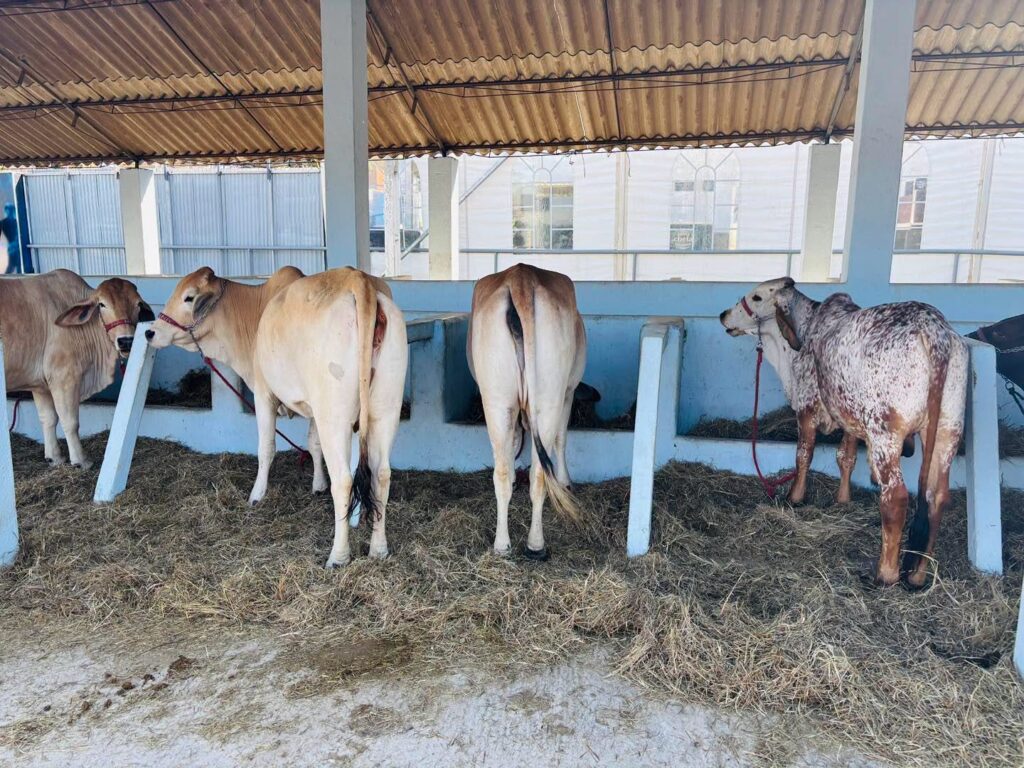
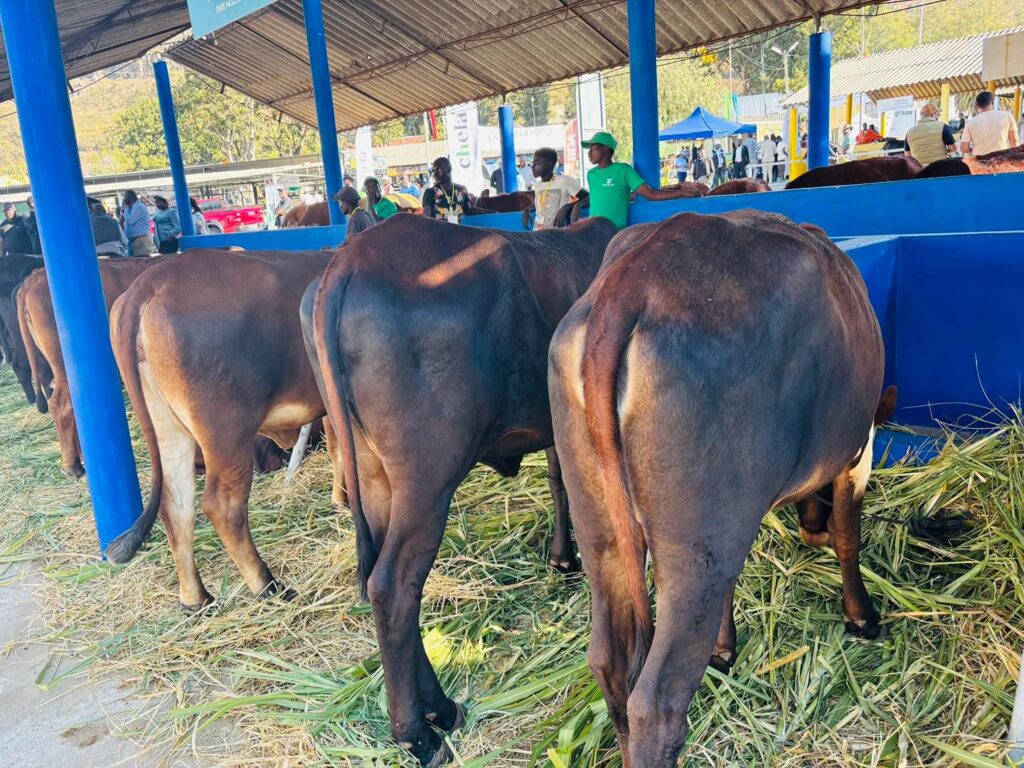
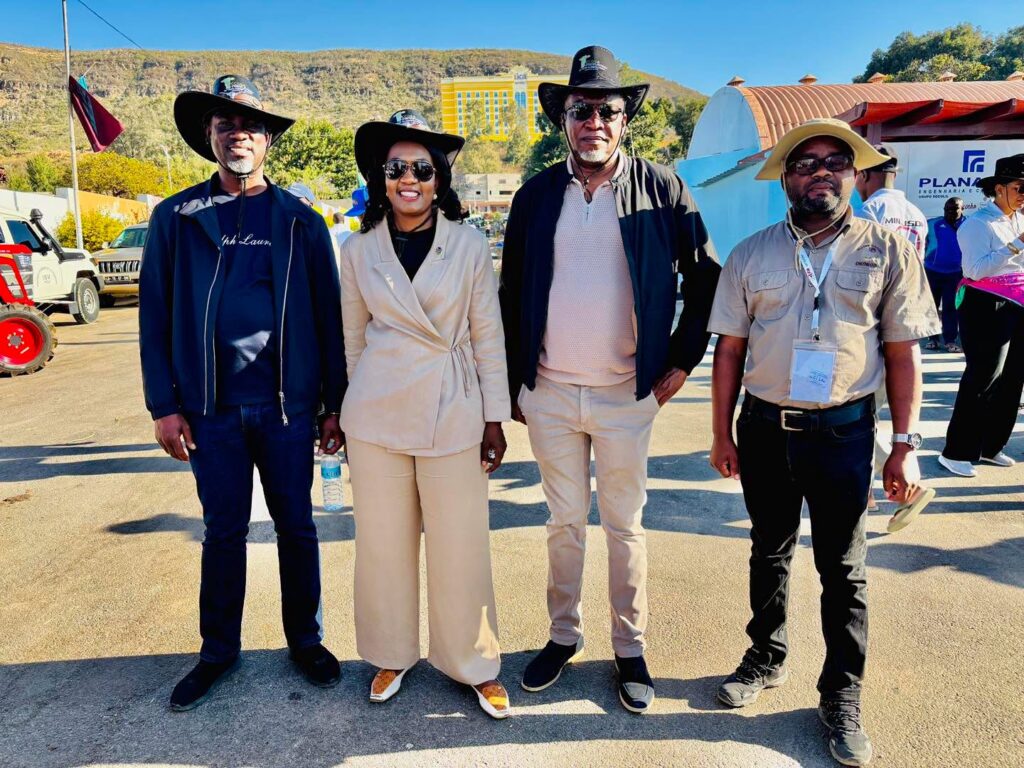

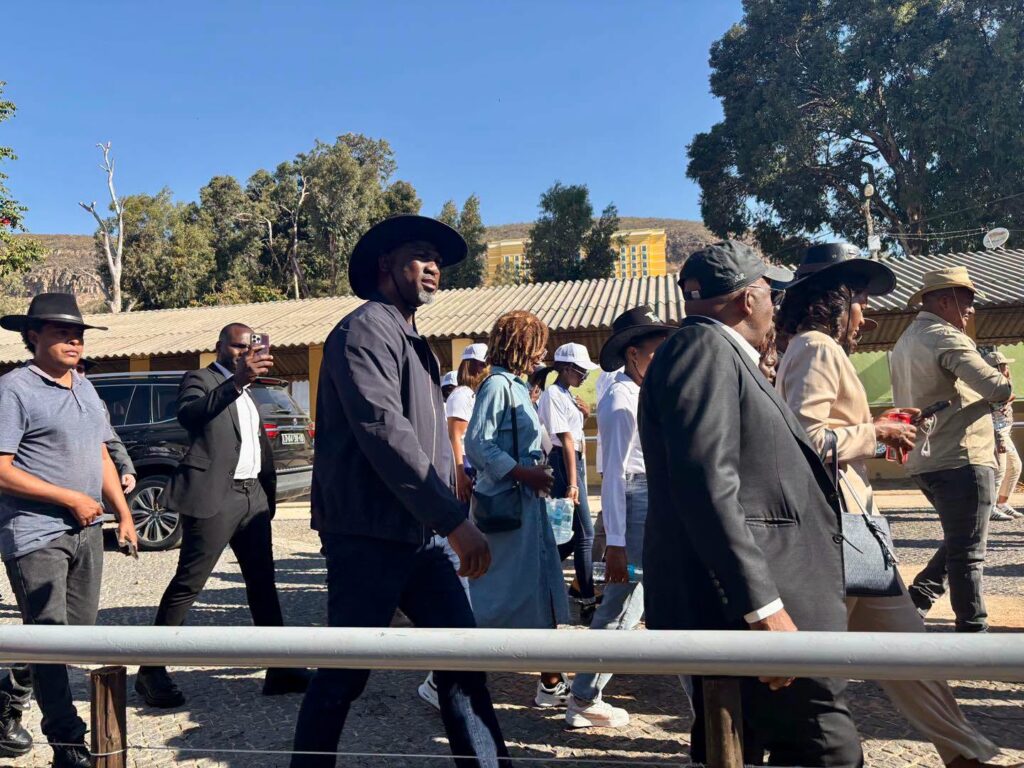
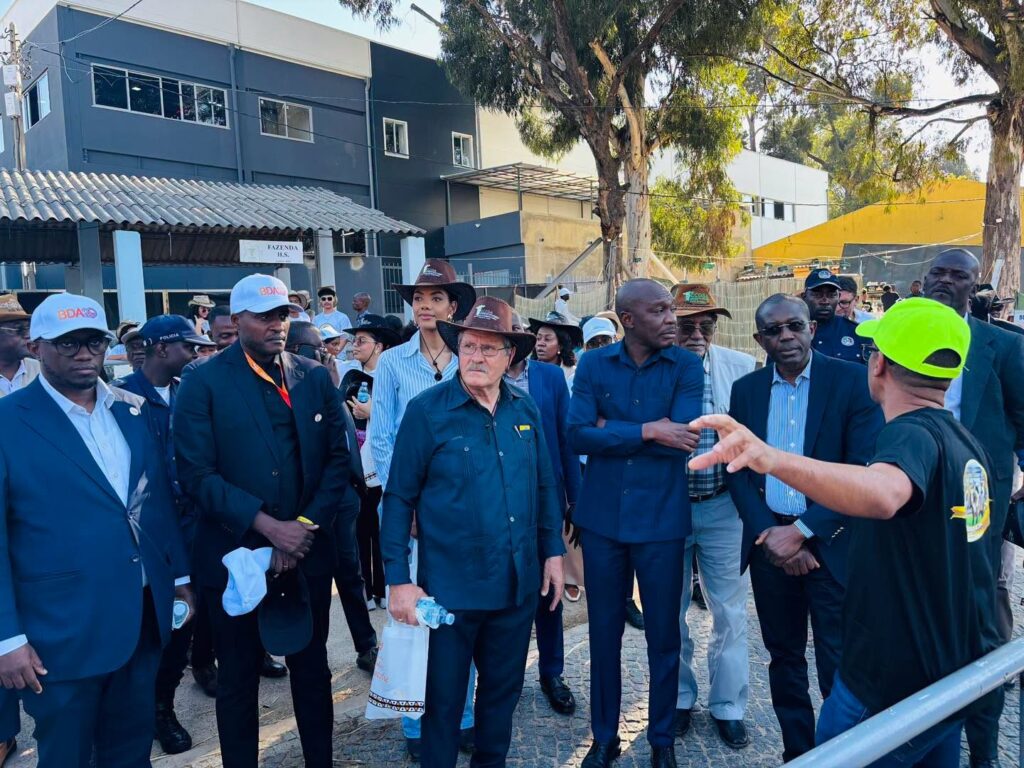
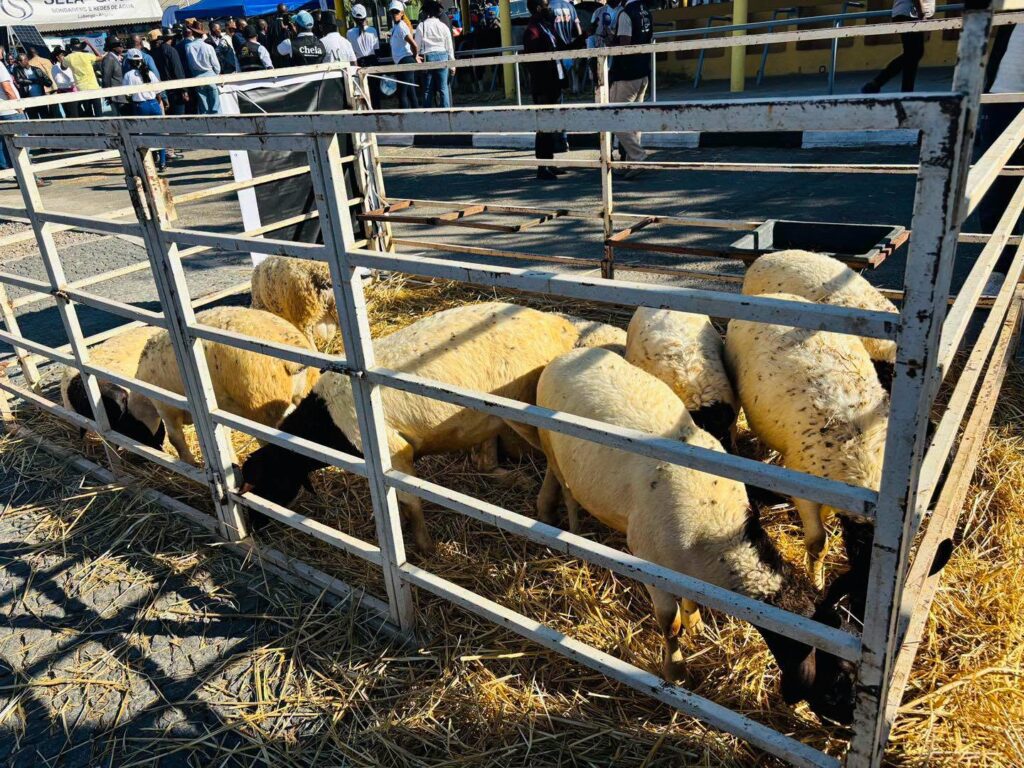
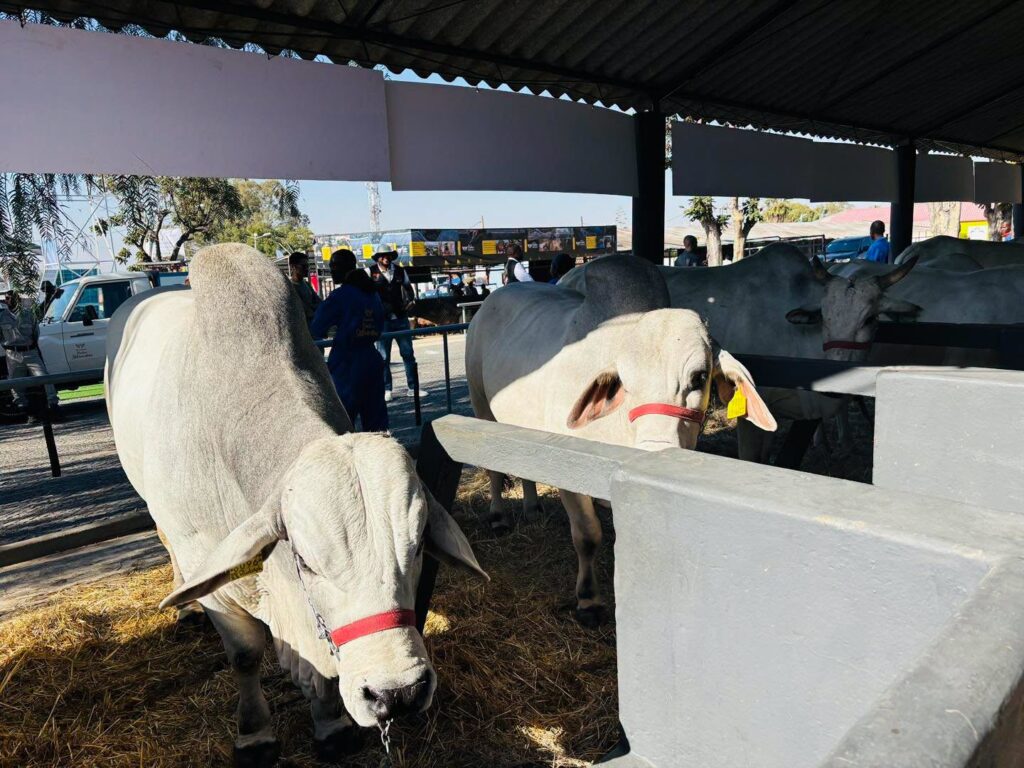
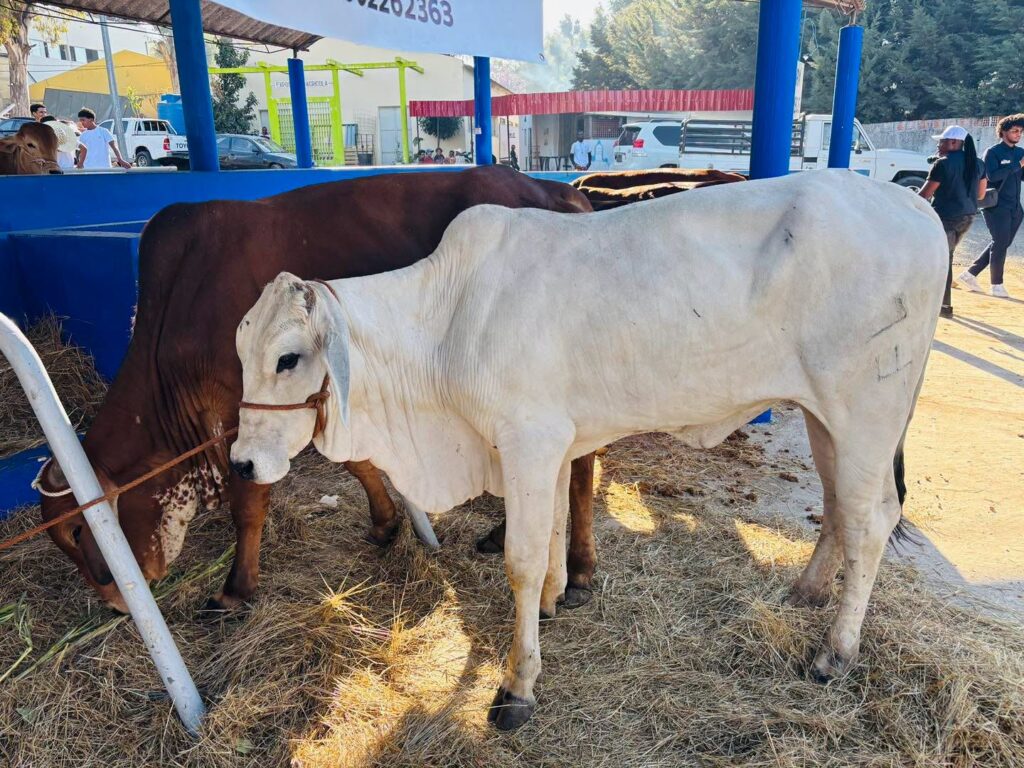
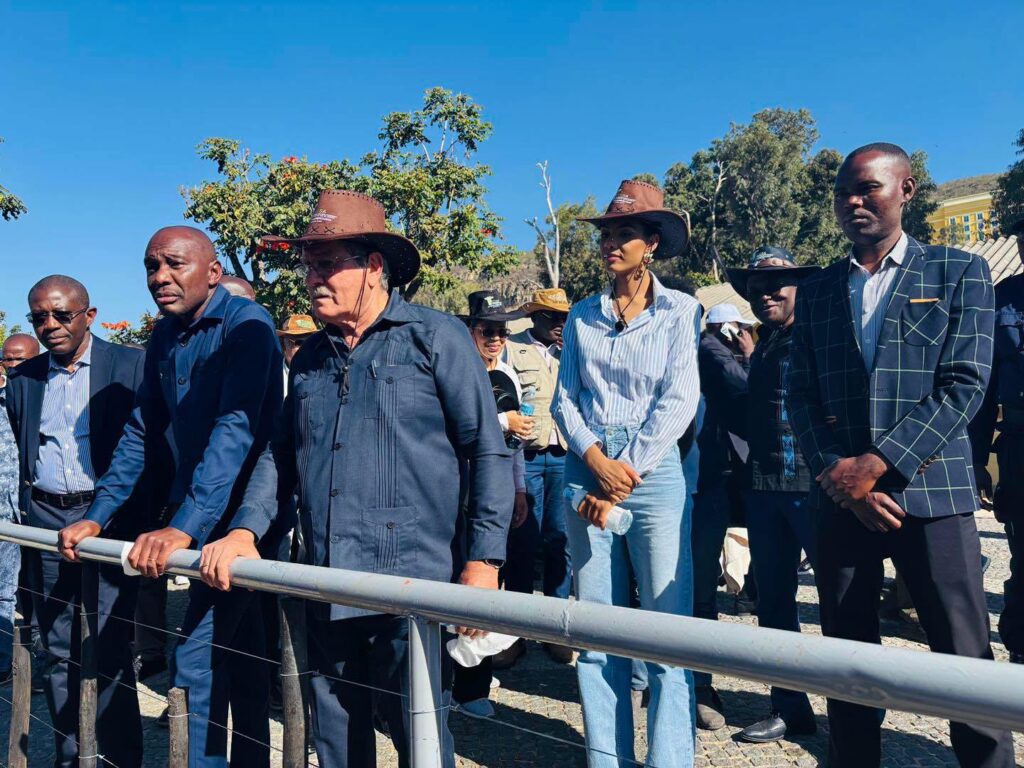

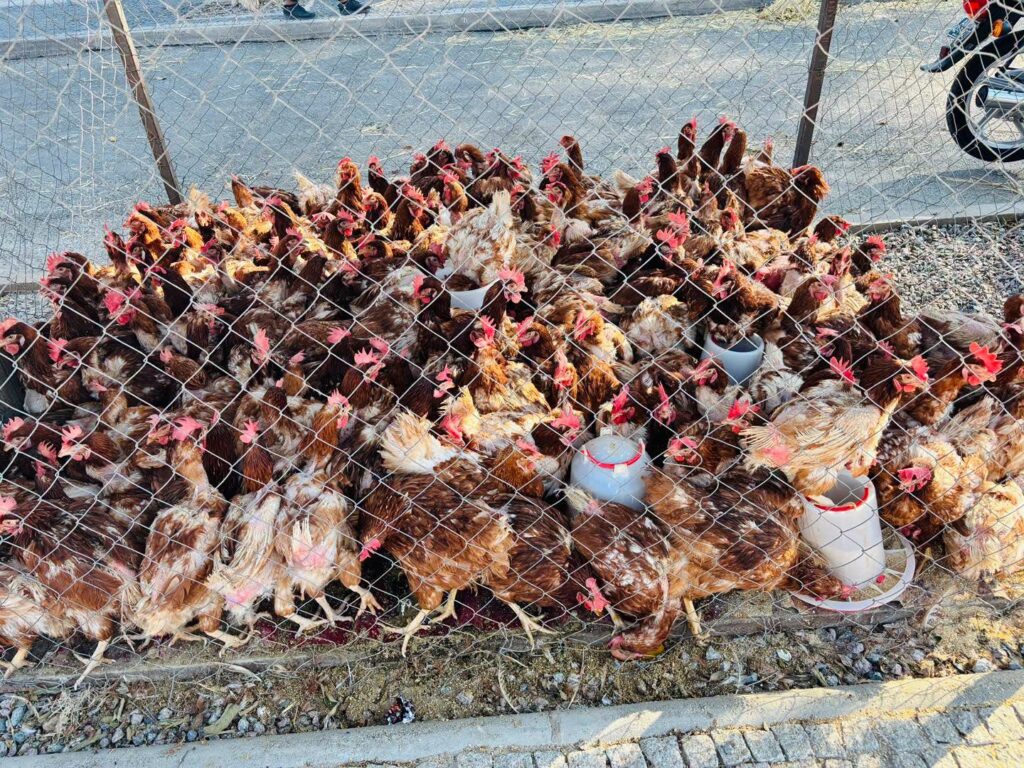
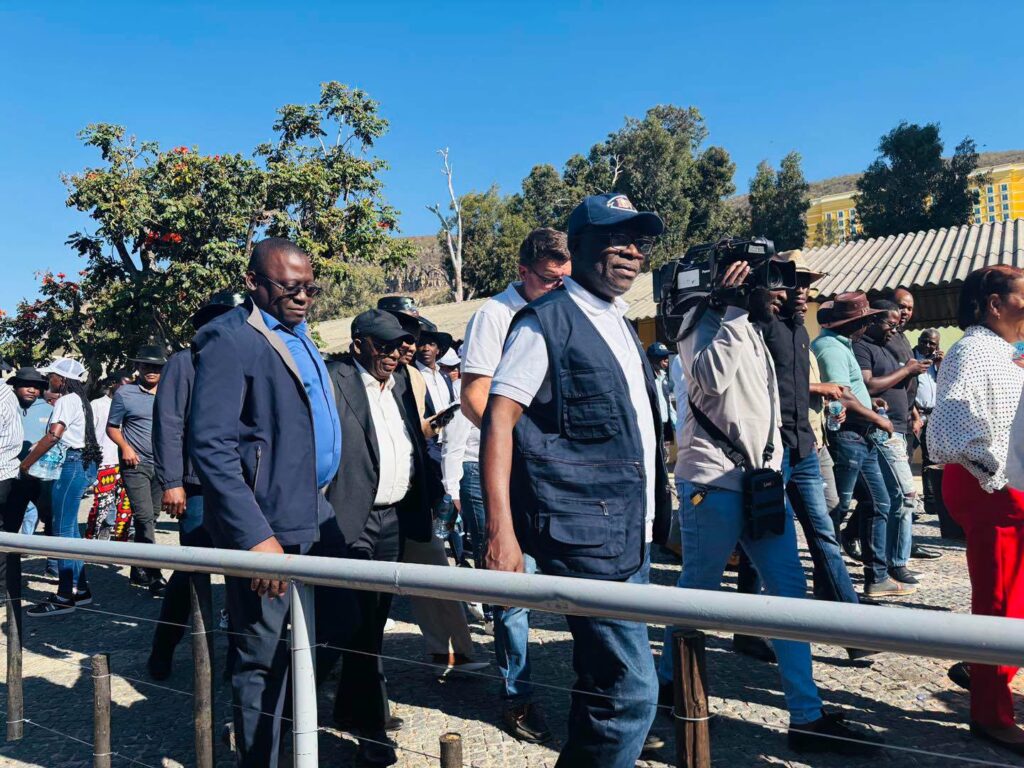
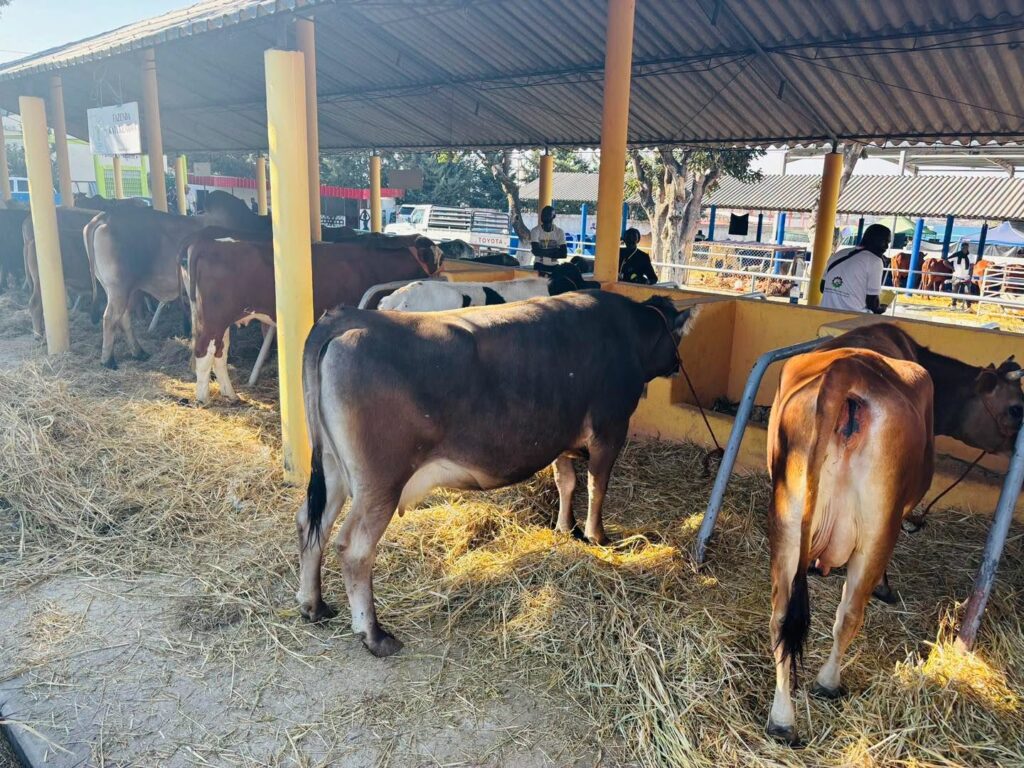

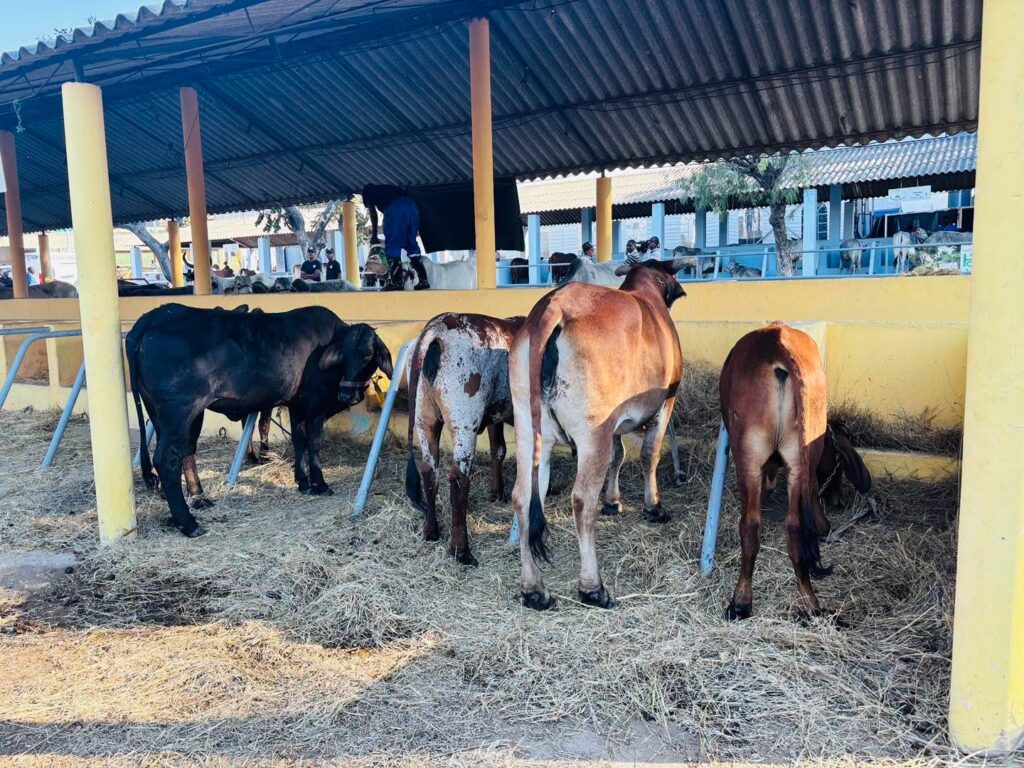
PICTURED: Scenes from the Expo Huila 2026 cattle show in Lubango, Angola. Photos: MICT Oshana Regional Office
He said a business forum scheduled for Saturday will bring together governors from Namibia’s five northern regions and their Angolan counterparts to identify specific trade and business partnerships.
The Namibian delegation includes the governors of Oshikoto, Ohangwena, Oshana, Omusati and Kunene, as well as officials and other stakeholders representing various sectors.
Oshikoto Governor Sacky Kathindi said Namibia’s participation was aimed at benchmarking against Angola and strengthening economic ties between the two neighbouring countries.
“Namibia and Angola have a lot in common. Together we can fight for economic emancipation,” Kathindi said during the cattle show at the expo.
He said agriculture and food security were key priorities of the Eighth Administration and that Namibia could learn from Angola’s approach to local production and value addition.
“A country that cannot feed itself cannot make proper decisions. Angola has plenty of water and produces most goods locally. We need to learn from how Angola does it, instead of importing and reselling,” he said.
Kathindi said the cattle show had provided the Namibian delegation with an opportunity to identify practices and technologies that could potentially be applied in Namibia.
He also called for greater cooperation between Namibian and Angolan businesses, saying the two countries should use their geographical proximity and shared history to pursue economic development.
Kathindi further suggested that Namibia could learn from the Expo Huila model by decentralising trade exhibitions and bringing different sectors and institutions closer to communities.
“If we can emulate this, decentralise this, bringing everything, all these sectors or institutions closer and showcase what they can offer to the nation, we will build our economy,” he said.
Meanwhile, Guilherme Rocha, director of Brasafrica, an Angolan agriculture and livestock company, said Expo Huila provided an important platform for businesses to connect with clients, partners and other players in the sector.
Rocha said Brasafrica supplies agricultural producers with equipment and inputs, including tractors, implements, spare parts, seeds, veterinary products and fertilisers.
He said the company also assists potential investors in developing business plans for agricultural projects in Angola.
“If, for example, a guy comes to Angola and wants to invest in Angola, he can talk to us and we can help him to make the business plan of the project,” Rocha said.
He described the annual expo as an important gathering for Angola’s livestock and agricultural sectors, providing businesses with an opportunity to showcase new products and engage with potential partners.
Expo Huila 2026 will continue until 24 August.