Staff Reporter
THE Kamutjonga Inland Fisheries Institute (KIFI) is playing a crucial role in protecting Namibia’s freshwater resources through scientific research, fish population monitoring, aquaculture development and environmental education aimed at ensuring sustainable benefits for future generations.
Located on the Kavango River in the Kavango East Region, KIFI serves as Namibia’s leading freshwater research and aquaculture development facility, supporting efforts to understand and sustainably manage inland fisheries.
Chief Fisheries Biologist Dr Francois Jacobs said the institute was established as part of the government’s long-term development vision to create a world-class research facility that would benefit Namibia and the wider SADC region.
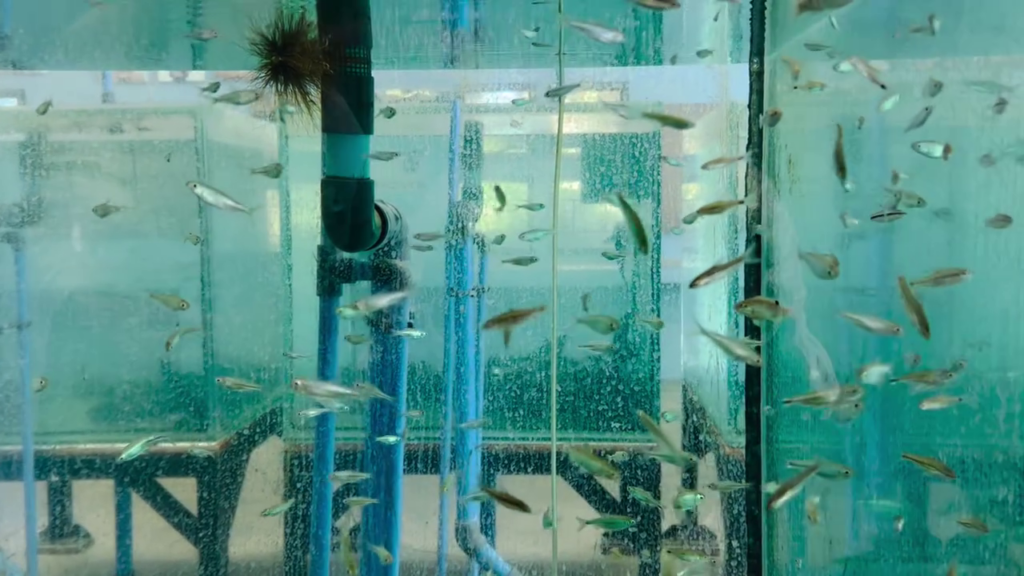
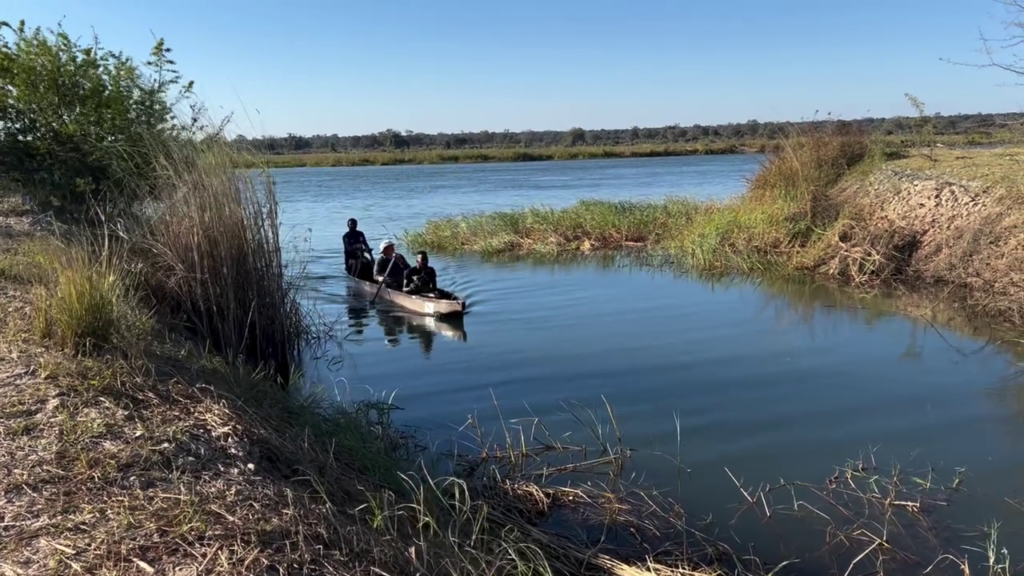
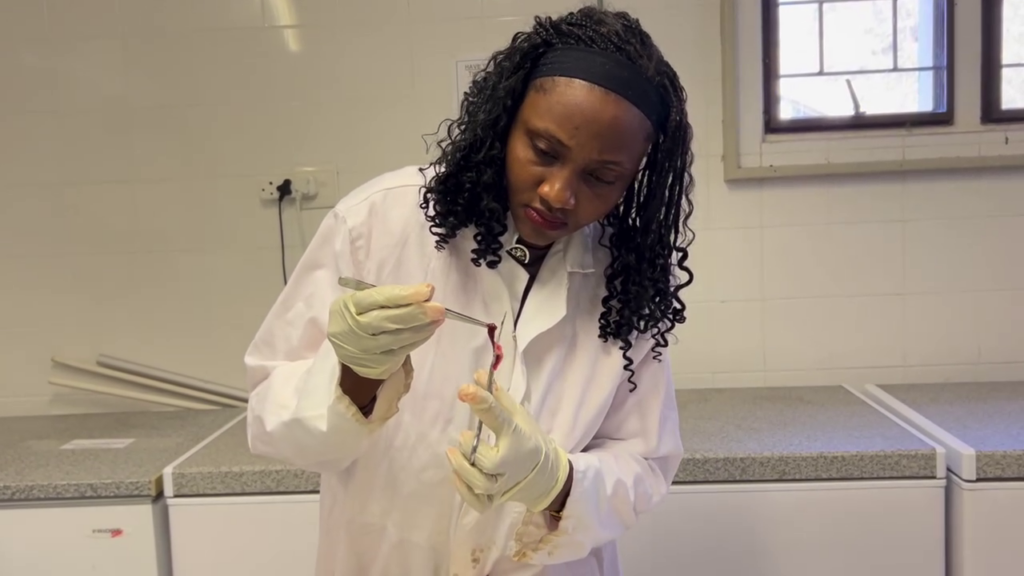

Photos: Ministry of Agriculture, Fisheries, Water & Land Reform
KIFI was inaugurated in 2008 and initially operated under the Ministry of Fisheries and Marine Resources before becoming part of the Ministry of Agriculture, Fisheries, Water and Land Reform under the Directorate of Aquaculture and Inland Fisheries.
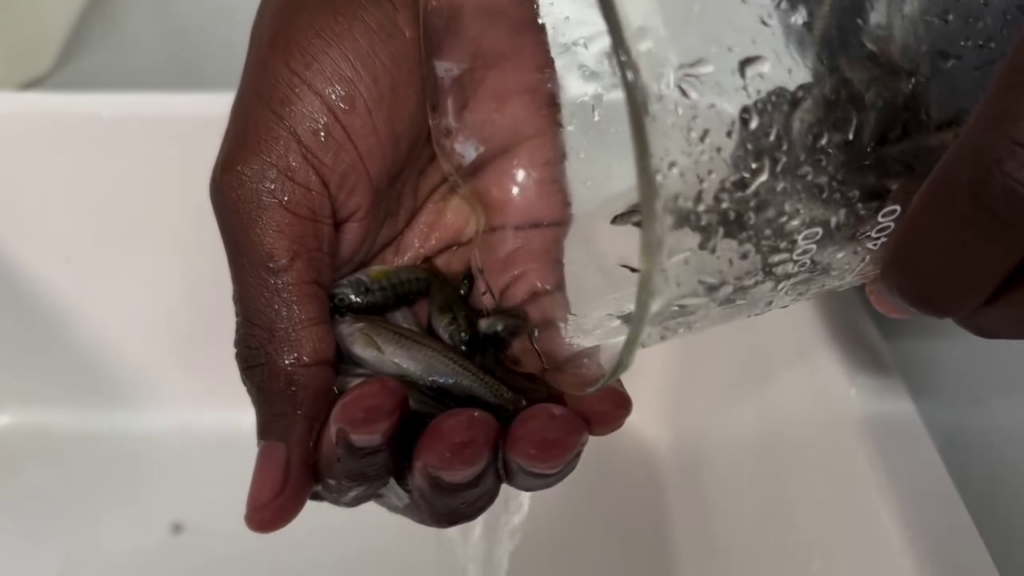
Jacobs said the institute conducts research on freshwater fish communities, focusing on sustainable utilisation, conservation, fisheries ecology and stock assessments to better understand how aquatic ecosystems function and how communities benefit from these resources.
“Our inland fisheries research contributes to better understanding the impacts of freshwater fish communities and includes aspects of sustainable utilisation, conservation and fisheries ecology,” he said.
The institute works closely with government ministries, non-governmental organisations and universities locally and internationally to strengthen research and maintain Namibia’s presence in global freshwater fisheries science.
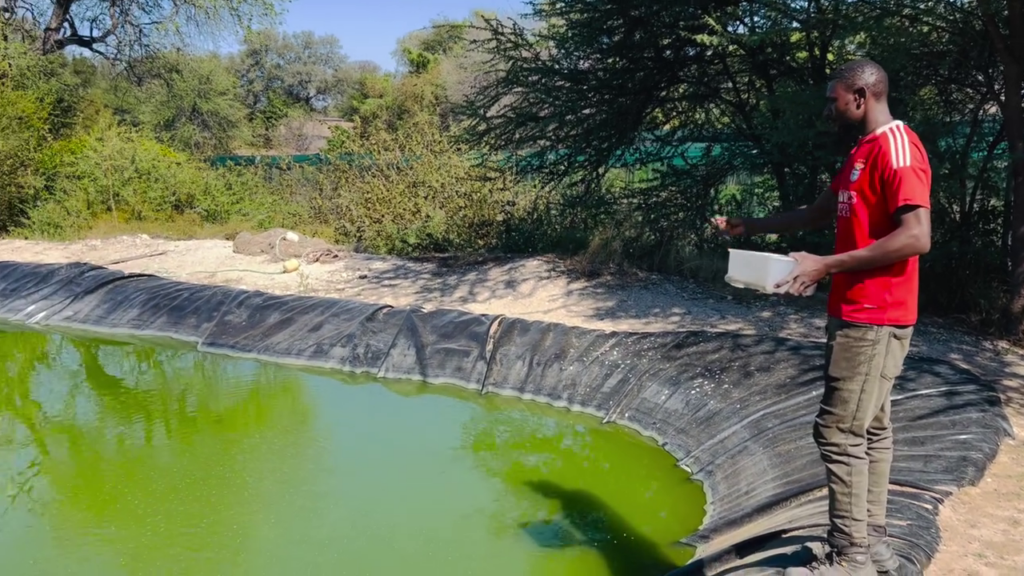
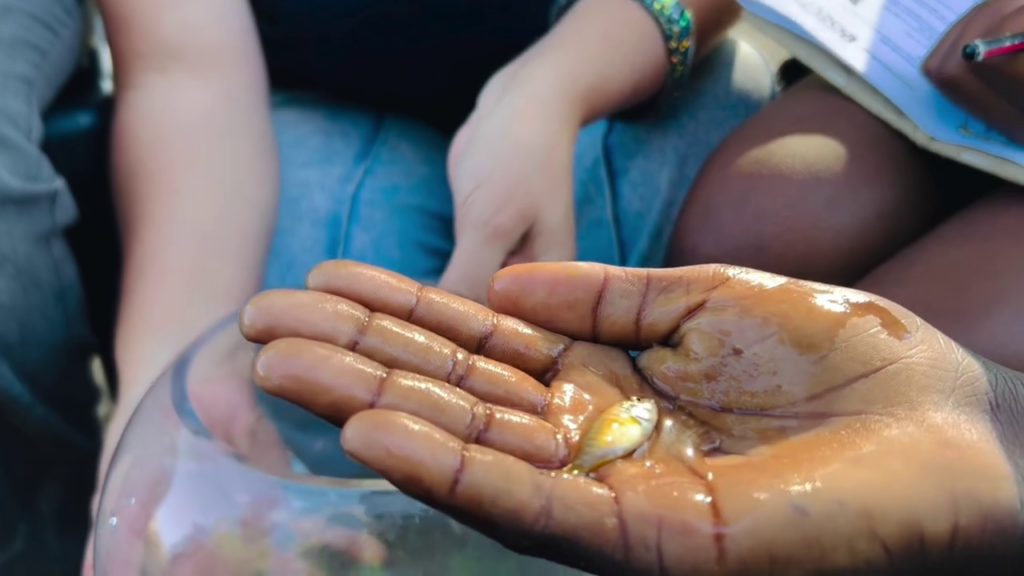
Through research on species such as tilapia and African catfish, KIFI is also developing aquaculture techniques aimed at improving food security and creating economic opportunities.
Jacobs said the institute’s extension programme supports small-scale fish farmers by providing updated knowledge, technical skills and ongoing monitoring to help them establish sustainable fish farming operations.
“Our extension programme empowers local communities with up-to-date knowledge on sustainable fish farming, transfers essential skills and provides ongoing monitoring of progress among fish farmers,” he said.
Beyond research and aquaculture, KIFI also focuses on training future scientists, students and fish farmers while promoting environmental awareness among communities.
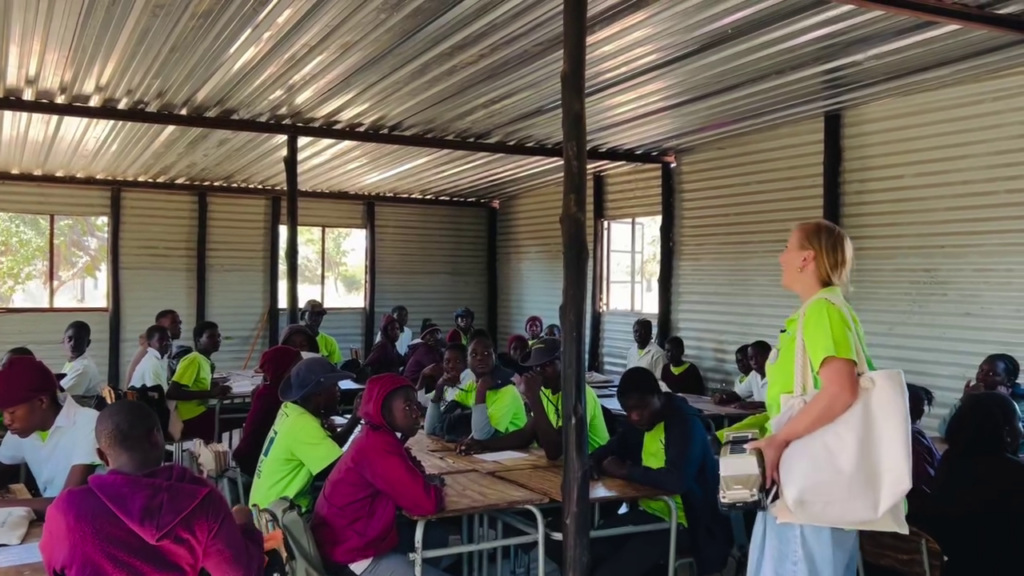
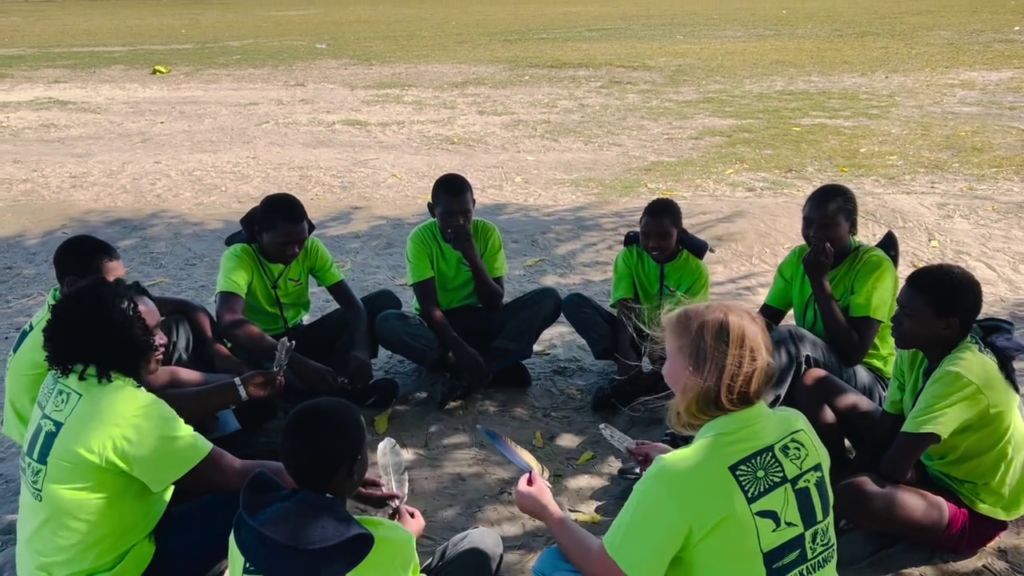
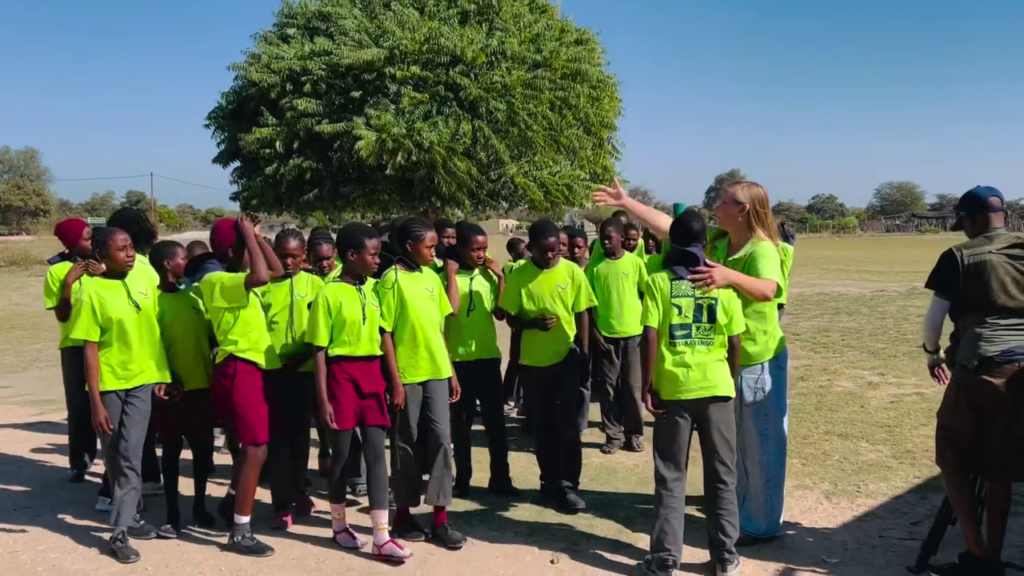
The institute has established an environmental education programme in partnership with the Kavango Wilderness Project and other stakeholders, incorporating scientific research into school learning.
Jacobs said the programme began with one school in Kamutjonga and has expanded to four schools, reaching about 250 learners through after-school environmental education sessions.
Learners are taught about fisheries, pollution, environmental degradation and the importance of protecting aquatic ecosystems, with current research being transformed into educational material that supports classroom learning.
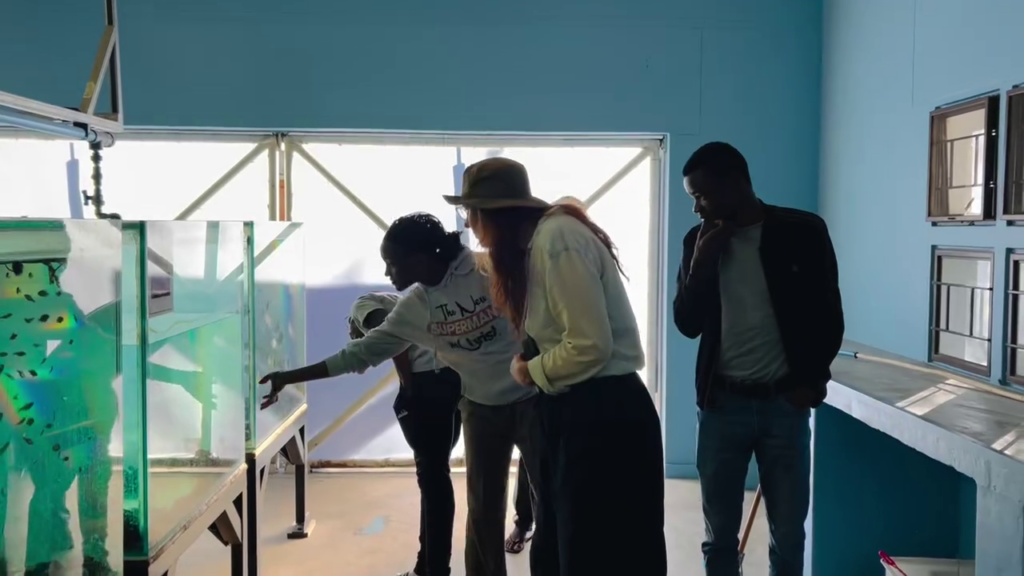
KIFI also welcomes visitors through its facilities, which include an aquarium, library and information centre. The institute receives an average of about 2 000 visitors annually as part of its efforts to increase public awareness about freshwater conservation.
Jacobs said the institute’s work is focused on ensuring that Namibia’s rivers remain productive while supporting communities that depend on inland fisheries.
“Together we are ensuring that our rivers remain rich, our communities remain fed and our future runs deep,” he said.