Staff Reporter
THE Ministry of Finance and Public Enterprises officially launched a budget reform rollout workshop as government aims to create more outcome-based budget programmes amid growing public debt and narrowing fiscal space.
Giving the keynote at the event, Elijah Ngurare, the Namibian Prime Minister, explained that Namibia stands at a critical juncture. “The 2026/27 National Budget of N$87.9 billion, excluding statutory payments, was tabled against a backdrop of recovering global conditions and a resilient domestic economy. Since then, however, the global environment has changed rapidly following the ongoing war in the Middle East,” Ngurare said.
He added that at the time the budget was presented, public debt was recorded at N$174.6 billion, representing 65.2% of GDP.
Ngurare said that the fiscal deficit for the current year is aimed at 5.5% of GDP.

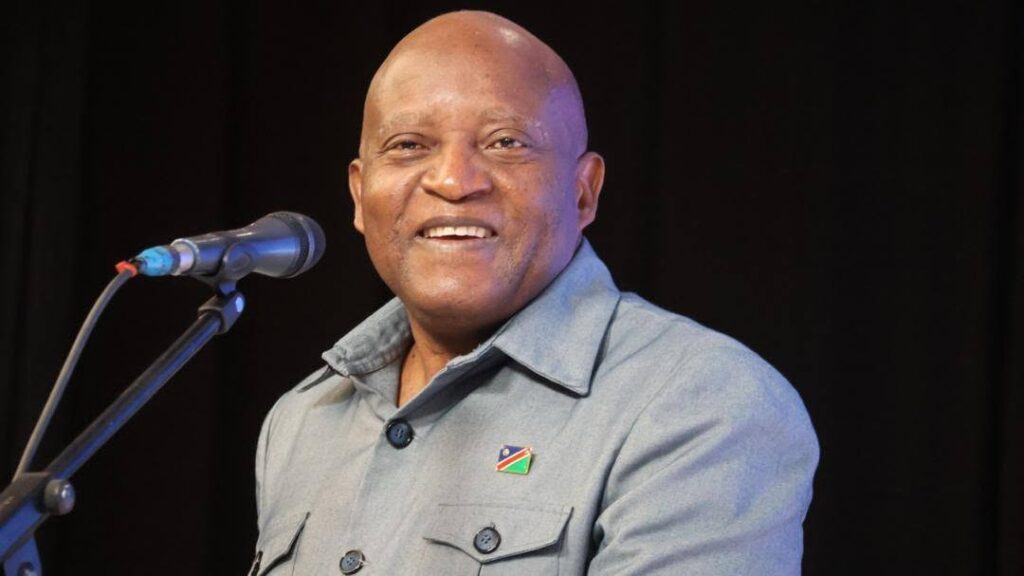
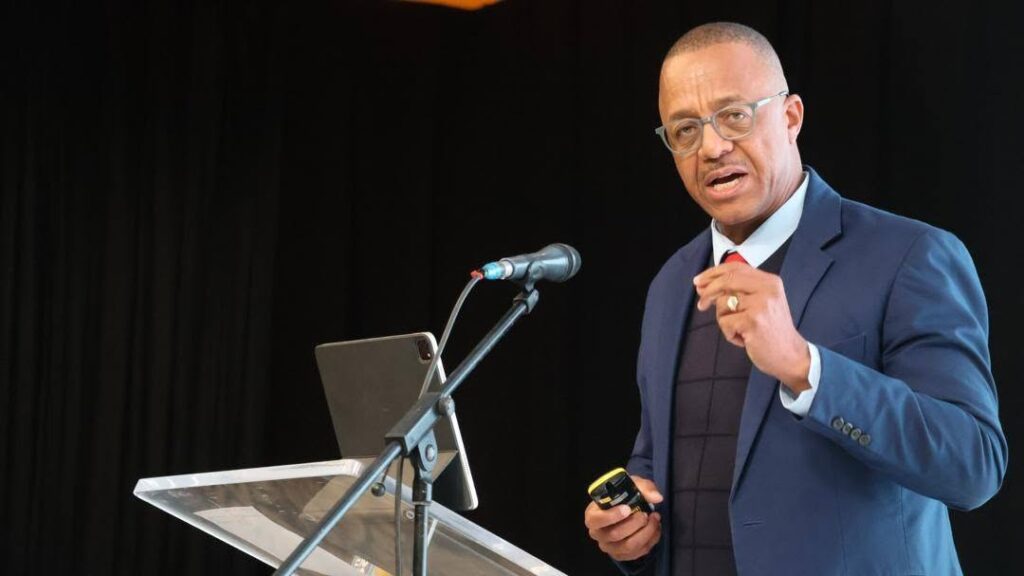
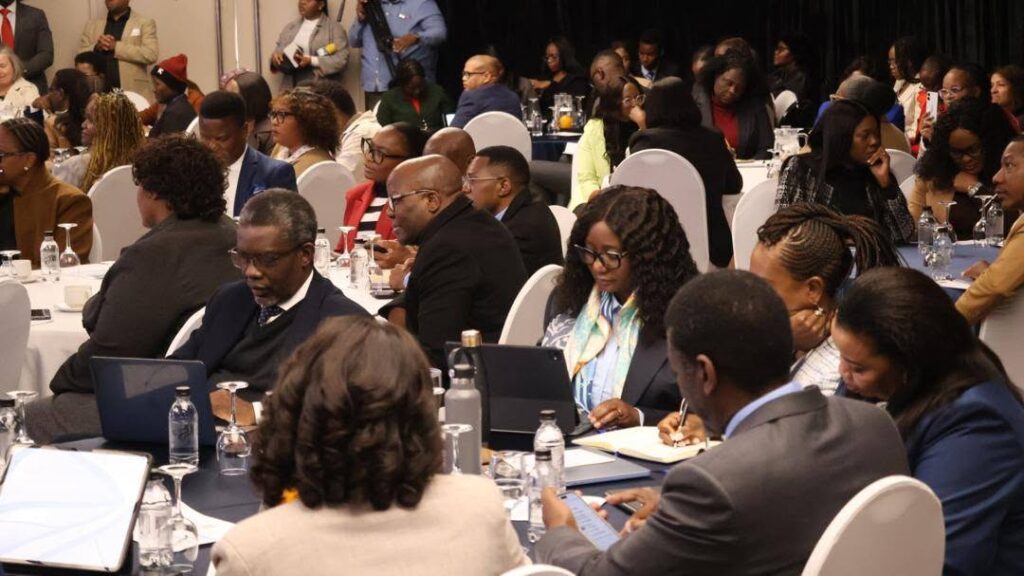
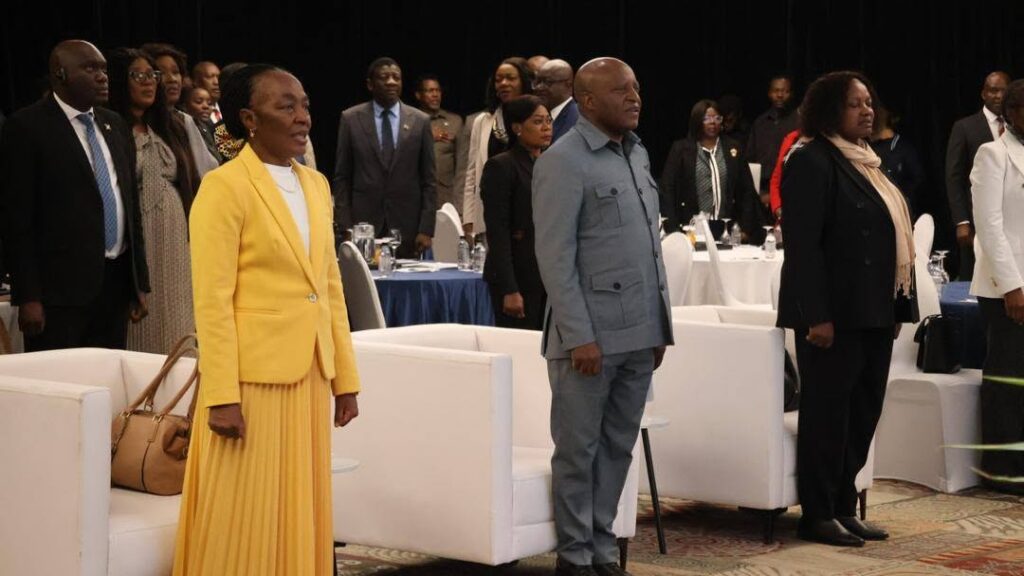
Photos: Office of the Prime Minister OPM_Namibia
“In light of these geopolitical tensions and economic disruptions, achieving the proposed fiscal outcomes for the fiscal year 2026/27 will require significant improvements in how OMAs manage their daily operations. Furthermore, the Government has committed to reducing the fiscal deficit from 5.5% of GDP in 2026/27 to 3.3% by 2028/29. This is not simply a technical adjustment in our fiscal tables; it is a strategic national imperative. It signals our determination to restore fiscal space, strengthen confidence in the economy, and place public finances on a more sustainable path,” Ngurare said.
He added that achieving this adjustment will require discipline across all Votes, stricter control over non-priority expenditure, and a shared understanding that every dollar saved today creates room for more productive investment tomorrow.
“The debt trajectory, on one hand, requires N$2.3 billion in annual savings during the current MTEF period to come from expenditure restraint; these savings must therefore be identified early, protected during execution, and safeguarded against slippages,” the Prime Minister said.
Further to this, Ngurare stressed that for too long, public sector performance has been measured by what we spend rather than what we achieve.
“A hospital’s performance cannot be judged solely by its recurrent budget; it must be judged by patient outcomes. A school’s allocation is not its measure of success: the quality of learning is,” the Prime Minister said.
He stated that this is why government is piloting outcome-based budgeting in eight selected OMAs, namely the Ministries of: (i) Education, Innovation, Arts and Culture; (ii) Health and Social Services; (iii) Home Affairs, Immigration, Safety and Security; (iv) Agriculture, Fisheries, Water and Land Reform; (v) Ministry of Finance; (vi) Industrialisation, Mines and Energy; (vii) Environment, Forestry and Tourism; and (viii) Works and Transport from the second quarter of 2026.
“Today’s workshop will introduce you to this framework. I urge you to embrace it. It is not an administrative burden, but a governance opportunity: an opportunity to demonstrate to the Namibian people that their money is producing the results they were promised,” Ngurare stressed.
He further stated that by the second quarter of 2026, he anticipates that the participating OMAs, as previously mentioned, will submit their initial outcome-based budget reports to the Ministry of Finance and the National Planning Commission. “I will be paying close attention to those reports.”
“Moving forward, the implementation will encompass the remaining OMAs from 2027/28, aiming to complete the process within the current MTEF period (2026/27–2028/29). The outcome-based budget championed requires that each dollar invested leads to improvement in the living standards of Namibians. Thus, this requires proper planning and the timely execution of such programmes. In order to ensure impactful fixed capital formation, I want to be unambiguous on one point: the virement of resources from development budgets to fund recurrent operational expenditure, as previously communicated, must be brought to an end. Capital investment is the engine of long-term growth,” Ngurare stressed.