Staff reporter
THE Ministry of Gender Equality and Poverty Eradication is deploying teams to various towns and villages across the country to assess and register households and potential beneficiaries for the Conditional Basic Income Grant (CBIG), including areas previously excluded from this support.
“To ensure that the CBIG reaches the eligible and intended beneficiaries, various teams will be visiting the municipalities, towns and villages as from 12 November 2024 until 21 December 2024. The teams will register, re-register, verify and validate prospective beneficiaries and households. This exercise will ensure that all households where vulnerable people and/or destitute persons resides are duly assessed and registered if it meets the assessment criteria,” the ministry’s executive director, Ndiitah Nghipondoka-Robiati, said.
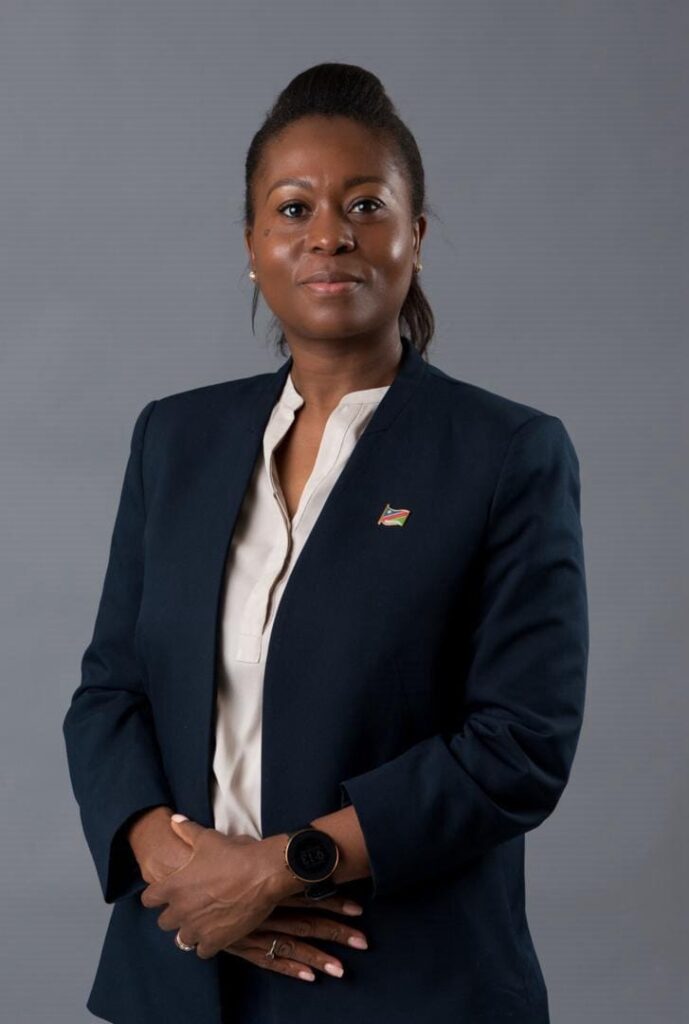
She revealed that from 12 to 23 November 2024, these teams will prioritise municipalities and towns not previously covered by the grant, including Walvis Bay, Henties Bay, Arandis, Omaruru, Usakos, Rehoboth, Aranos, Karasburg, Oranjemund, Ongwediva, Okahao, Oshikuku, Outjo, Oniipa, Omuthiya, Grootfontein, Okakarara, Otavi, and Helao Nafidi.
Nghipondoka-Robiati further highlighted that the next phase, from 25 November to 7 December 2024, will focus on municipalities and towns already receiving the CBIG, such as Swakopmund, Karibib, Mariental, Keetmanshoop, Lüderitz, Oshakati, Ondangwa, Outapi, Ruacana, Opuwo, Khorixas, Tsumeb, Oshivelo, Otjiwarongo, Okahandja, Eenhana, Nkurenkuru, Rundu, Gobabis, and Katima Mulilo.
She added that from 9 to 21 December 2024, the teams will reach village councils in areas such as Gibeon, Gochas, Kalkrand, Stampriet, Maltahöhe, Aroab, Koes, Tses, Berseba, Bethanie, Tsandi, Kamanjab, Okongo, Divundu, Leonardville, Otjinene, Witvlei, and Bukalo.
“The Ministry herewith request all the regional councils, local authority councils and all other stakeholders to assist the ministry in this endeavour in order to ensure that the grant reaches the deserving members of the society,” she added.
Nghipondoka-Robiati urged prospective beneficiaries to bring their national identification documents, along with those of household members, for both grant collection and registration. Required documents include Identity Documents, Permanent Residency Permits, Marriage Certificates, Birth Certificates, Municipal Bills, and Permission to Occupy certificates.
“All beneficiaries are required to re-register or register, even if you are already receiving the CBIG. The registration points will be at town halls or constituency offices,” she added.