Staff Reporter
THE Municipal Council of Windhoek, along with other relevant stakeholders, has convened a consultative meeting to address the increasing number of homeless people and street children in the capital. The main aim of the meeting is to ensure that dignity is restored to these vulnerable groups of people.
Queen Kamati, the Mayor of the City of Windhoek, said that Windhoek has long been known for its cleanliness, vibrant culture, economic development, and diverse population. However, she added that in recent years, an alarming trend has emerged with the proliferation of suspected homeless Namibian citizens and foreign nationals.

“Nowadays, these individuals are observed to be engaged in criminal activities such as robberies, house break-ins, loitering, traffic obstruction, and illegal trading, among others. This state of affairs poses a significant challenge to the social well-being, not only of themselves but also of residents and visitors within the Windhoek jurisdiction. Equally, there is reasonable suspicion that these individuals are experiencing a lot of challenges, including limited access to essential services such as education and healthcare, which goes against their rights to basic amenities as enshrined in the Constitution of the Republic of Namibia,” Kamati said.
She added that the Council conducted a preliminary investigation on these vulnerable groups and compiled a report. This investigation aimed to examine the living and working conditions of adults and children on the streets of Windhoek, with a specific focus on both Namibian citizens and foreign nationals.
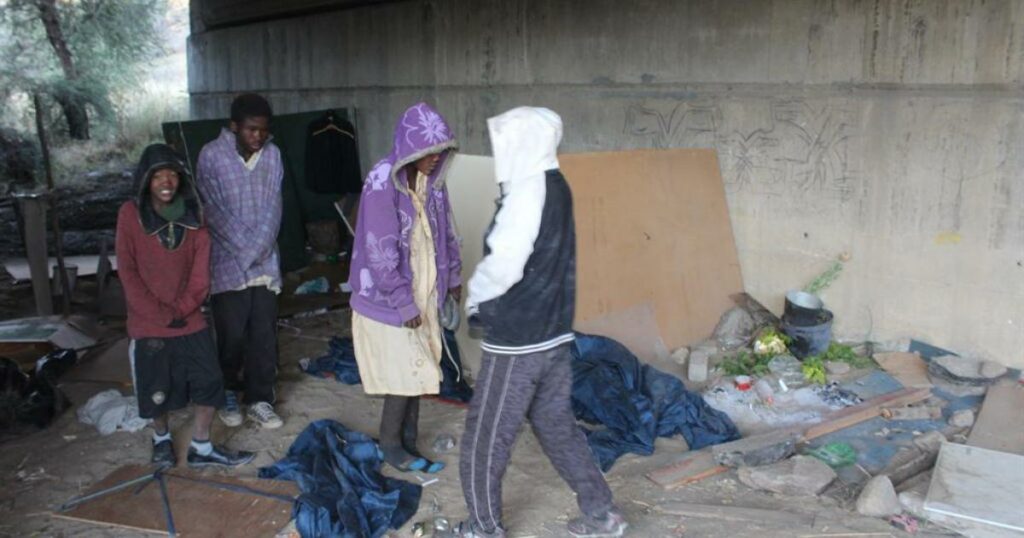
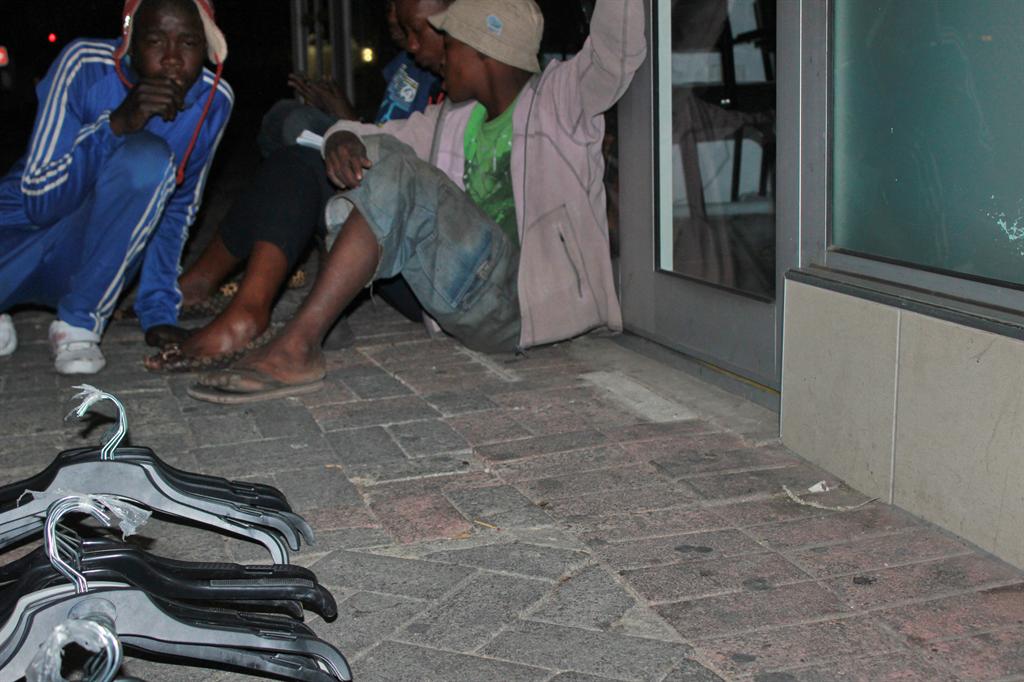
“The investigation yielded saddening and disturbing results, exposing the deplorable living conditions of these people. These groups of people live in dilapidated, abandoned houses, on the street, under bridges, in open areas, and in riverbeds. Their day-to-day activities include conducting illegal car washes, working as car guards, begging for money, scavenging in household bins and refuse dumping sites, and selling items such as recharge vouchers, maize mealies/corn, cold meat products, sweets, and soft drinks at busy street intersections,” Kamati said.
The mayor said that while the Council is responsible for managing the day-to-day affairs of the city, some responsibilities require concerted efforts and the involvement of other government offices, ministries, and agencies as prescribed in various acts, including the Enforcement of the Childcare and Protection Act, Enforcement of Conventions, Charters, and Protocols Prohibiting Child Labor, Enforcement of the Labor Act, Enforcement of the Immigration Control Act, and Enforcement of the National Welfare Act.
“Therefore, given the responsibility entrusted to the Council from the Local Authorities Act and the fact that the laws require joint enforcement by relevant stakeholders, the Municipal Council of Windhoek deemed it prudent to bring together relevant stakeholders to address the entire spectrum of vulnerable people who find themselves working and living on the streets of Windhoek. I am urging stakeholders to engage constructively and propose real and lasting solutions to the social problems affecting these vulnerable groups of people. At the end of this consultative meeting, it is my wish as the Mayor to see a working framework that spells out the responsibilities of every stakeholder, including each stakeholder’s commitment to implementing the agreed-upon way forward,” Kamati concluded.