Maria David
ABOUT 18% of the Namibian population is food insecure and depends on food relief programmes, although this trend dropped from 34% five years ago.
The country imports up to 12.6% of its local food requirements, with South Africa being the largest source, followed by Zambia.
This offers business opportunities to engage in food production, said Prime Minister Saara Kuugongelwa-Amadhila who on Thursday launched the revised National Food and Nutrition Security Policy at the Uukwangula village in the Oshana Region.
While Namibia has good food functioning markets, these create dependence of households on markets and less growing of food at household level, she said.
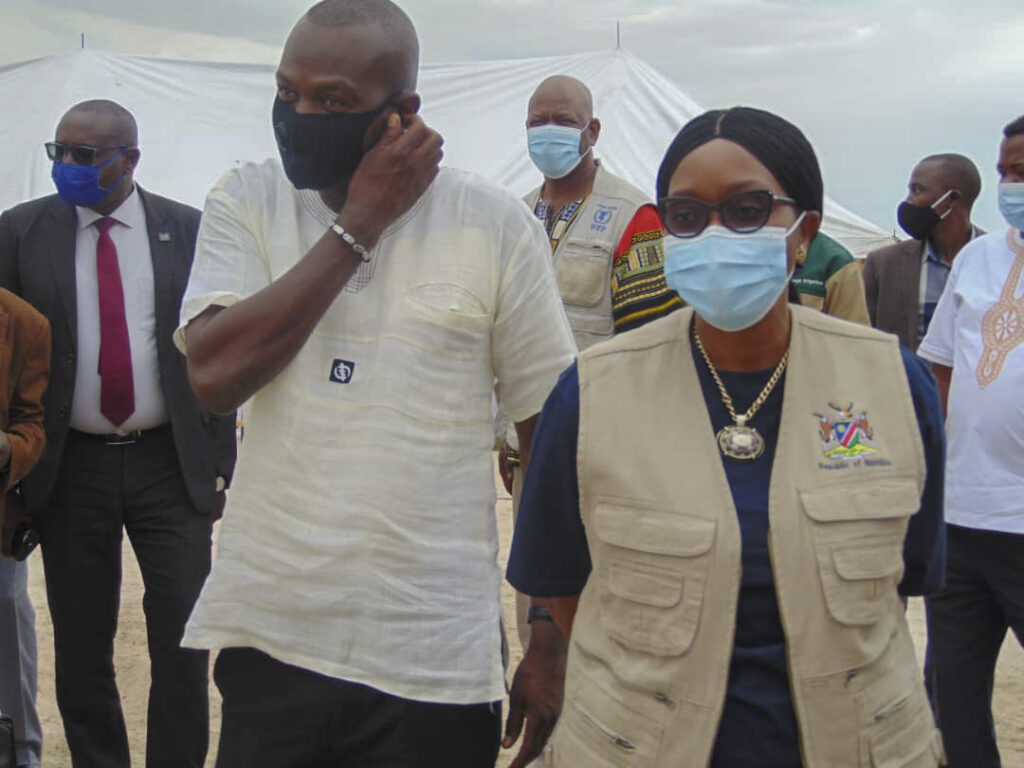
FOOD SECURITY: Prime Minister Saara Kuugongelwa-Amadhila launched the revised National Food and Nutrition Security Policy in the Oshana Region. Photos: Maria David 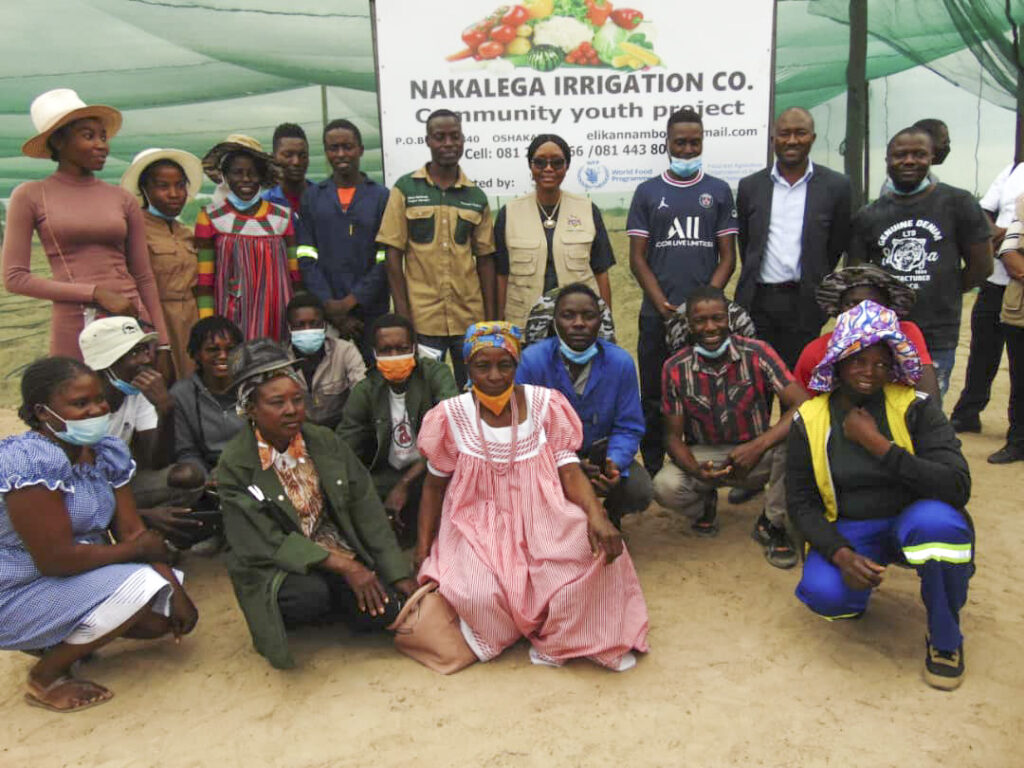
FOOD SECURITY: Prime Minister Saara Kuugongelwa-Amadhila launched the revised National Food and Nutrition Security Policy in the Oshana Region. Photos: Maria David 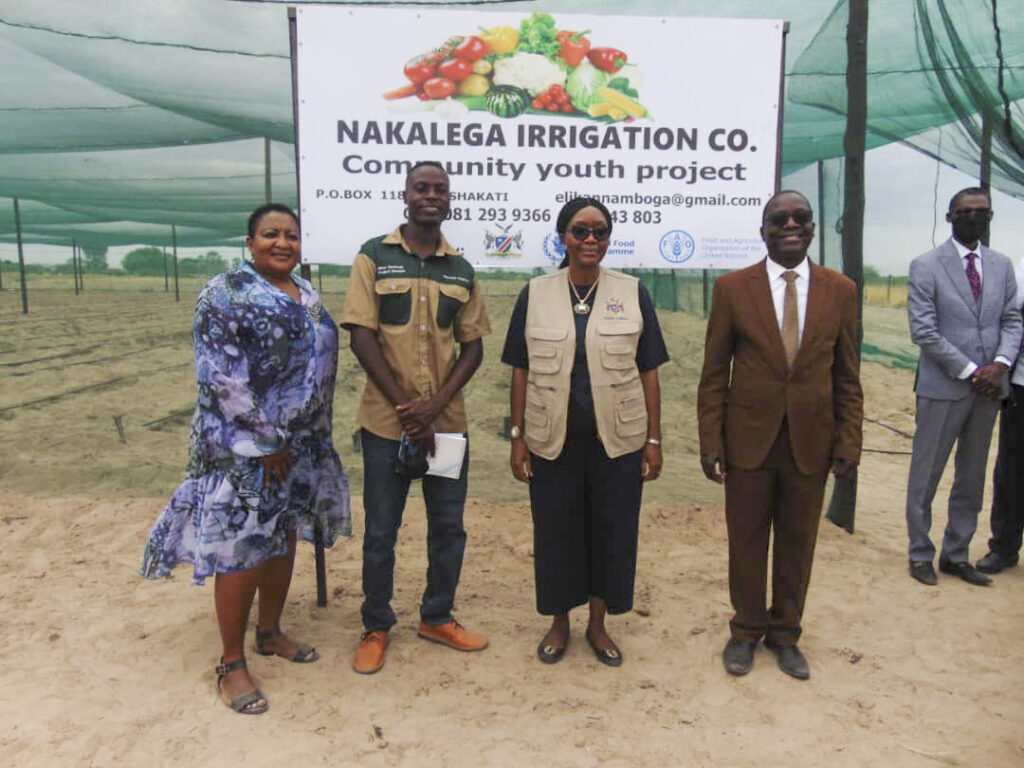
FOOD SECURITY: Prime Minister Saara Kuugongelwa-Amadhila launched the revised National Food and Nutrition Security Policy in the Oshana Region. Photos: Maria David 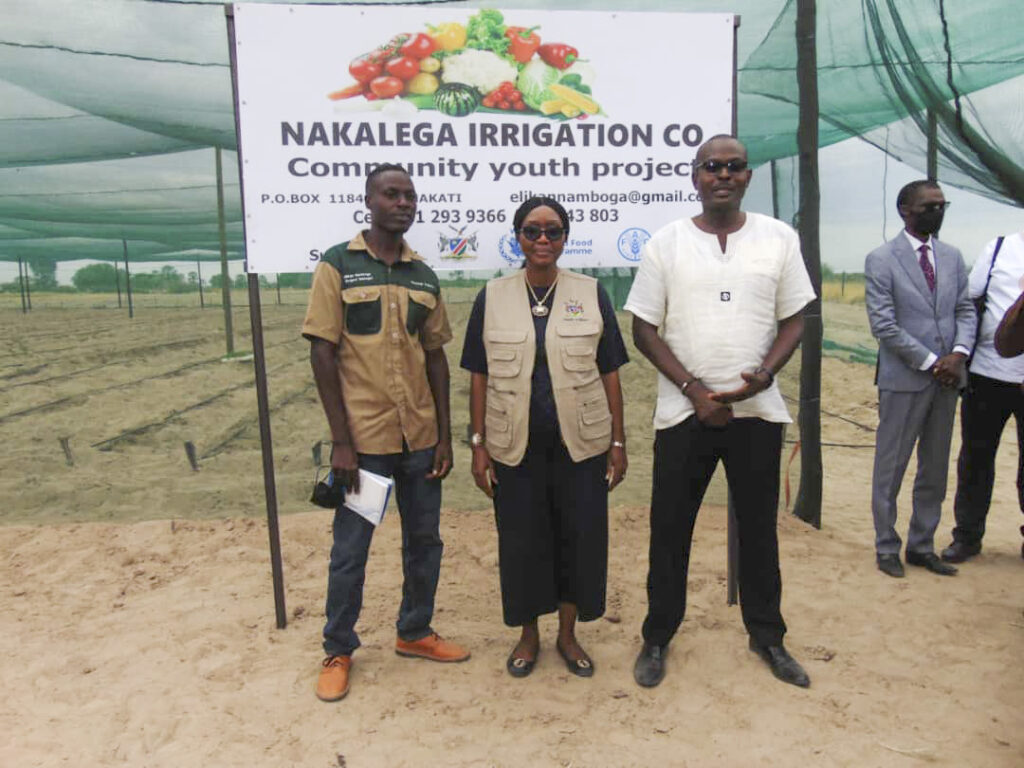
FOOD SECURITY: Prime Minister Saara Kuugongelwa-Amadhila launched the revised National Food and Nutrition Security Policy in the Oshana Region. Photos: Maria David 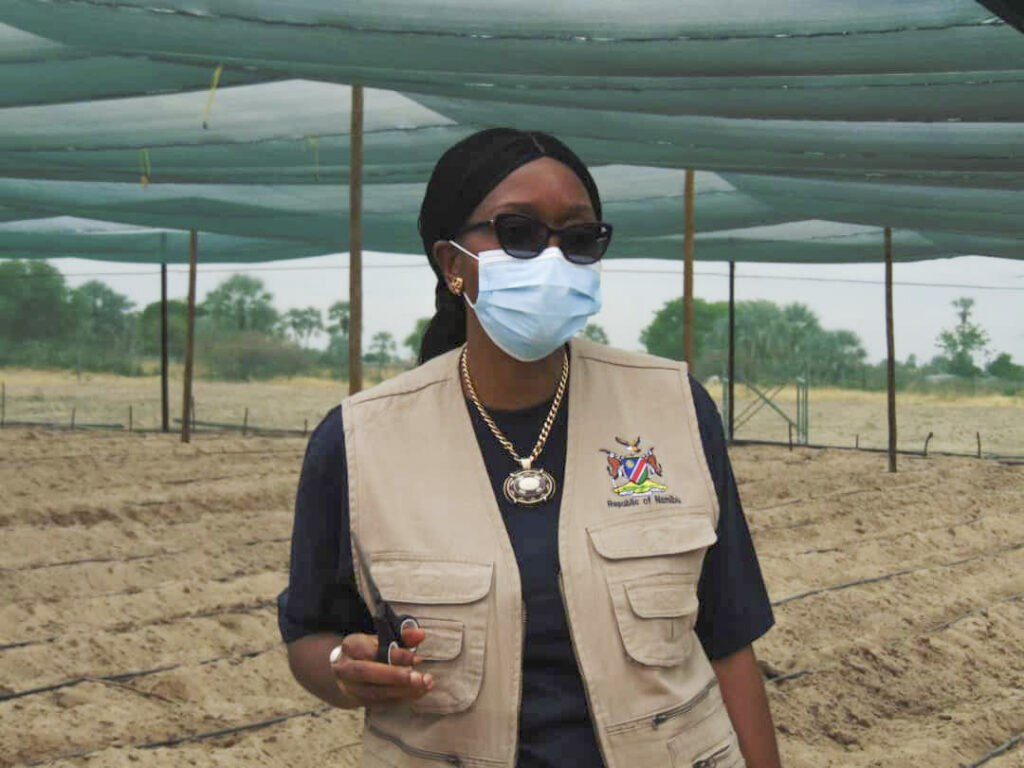
FOOD SECURITY: Prime Minister Saara Kuugongelwa-Amadhila launched the revised National Food and Nutrition Security Policy in the Oshana Region. Photos: Maria David
“This, from a business point of view, is a business opportunity for us Namibians to engage in food production as it confirms a local market for the products that are currently imported, thereby supporting local economic growth and dealing with joblessness which is pervasive, especially amongst women and the youth,” Kuugongelwa-Amadhila said.
She called on citizens to develop smallholder home gardens, where they can grow nutritious vegetables and fruits to supplement their daily diets.
Kuugongelwa-Amadhila said once implemented the policy with its Coordination Structures and Implementation Action Plan will address food security in the country.
According to the Prime Minister, the government remains committed to driving this transformational journey, following the proverb “do not give them fish but teach them how to catch the fish”.
At the launch, Oshana regional governor Elia Irimari said food and nutrition security is central to their efforts in achieving sustainable economic growth as well as in building inclusive and dignified livelihoods for the people.
“The policy presents us a strategic roadmap in our commitment to the government to eradicate poverty and hunger,” he said.
Irimari stated that much still needs to be done to enhance agricultural production to the desired production capacity to warrant food and nutrition security for all.
He added that for the country to attain good self-sufficiency will require the participation of all stakeholders at household and grassroots levels.
Established in 2015, the Nakalega Irrigation Project continues to contribute to youth employment and food security.
The project, which started with only three youths, currently employs 19 young people.
It supplies fresh produce to formal traders such as Spar, OK and Rani.