Staff Reporter
IN 1977, Laurie Marker flew from Oregon to Namibia with a captive-born cheetah cub named Khayam as part of a groundbreaking experiment: to prove she could teach a captive-raised big cat to hunt in the wild.
While she was there, the 23-year-old uncovered a devastating reality: local farmers were killing hundreds of wild cheetahs annually. In 1990, Marker sold all her possessions and moved to Africa permanently to start the Cheetah Conservation Fund (CCF).
For the past 50 years, Dr Marker has been on a relentless mission to save the world’s fastest land animal from extinction, building a sprawling infrastructure that includes Africa’s only on-site genetics laboratory, the world’s largest cheetah sperm bank, and a thriving eco-tourism operation, employing hundreds of people and uplifting the economy of one of the world’s poorest regions.
In 2016, she opened a second HQ in Somaliland in response to a surge in the illegal wildlife pet trade, where she’s rescued hundreds of stolen cubs and established a critical stronghold against wildlife trafficking.
With fewer than 7,000 cheetahs remaining, and International Cheetah Day coming up on December 4 in honour of Khayam’s birthday, Dr Marker will share, leading up to December 4, what it takes to build a global movement from scratch to save an entire species from extinction, her work combating the illegal wildlife pet trade, where poachers steal cubs from the wild to sell on the black market, and how she works to intercept smugglers and rehabilitate these animals.
Namibia prides itself on being the Cheetah Capital of the World, with over 3,000 individuals living in the north-central and western areas of the country. The Cheetah Conservation Fund has made great strides in saving the species, working with farmers and communities to safeguard the cheetah population, of which 95% lives on the same lands as livestock farmers, creating human-wildlife conflict.
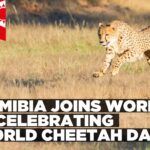
WORLD CHEETAH DAY: Celebrating the upcoming World Cheetah Day. Video: CCF.