Staff Reporter
THE Deputy Minister of Health and Social Services, Hambelela Ndjaleka, said that less than half of Namibian infants are exclusively breastfed in the first six months of life.
She called for stronger workplace, community and health facility support for mothers.
Speaking at the commemoration of the 2026 World Breastfeeding Week at Windhoek Central Hospital on Monday, Ndjaleka said that breastfeeding is “a fundamental public health priority and a human right”, and not just a personal choice.
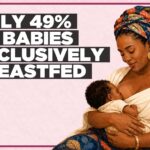
Citing the 2024 SMART Nutrition Survey, Ndjaleka said that only 49 percent of children aged 0–5 months are exclusively breastfed and that 63.6 percent of babies are breastfed within the first hour of birth, while only 36 percent of children aged 12–23 months are still breastfed.
She also said that 34.1 percent of children in that age group are bottle-fed.
“These numbers tell us that our children are being weaned too early, often onto inadequate complementary foods, directly exposing them to the risks of malnutrition and chronic illness. We must change this narrative,” she said.
The Deputy Minister outlined four areas for action, namely:
– Rolling out the “Ten Steps to Successful Breastfeeding” in every maternity ward and clinic, training health workers to provide counselling so mothers leave hospital “feeling confident and empowered”;
– Both the public and private sectors must provide robust maternity leave, breastfeeding corners, and flexible hours so “a mother should never have to choose between her career and her child’s health”;
– Dismantling the stigma around public breastfeeding and strengthening mother-to-mother support groups in villages, towns and cities;
– Fathers and family members must be active partners, including helping with meals and household duties while mothers nurse.
According to Ndjaleka, breastfeeding also protects women by reducing the risks of postpartum depression, high blood pressure and diabetes. It “saves lives, saves time, and saves money for our families.”
She reaffirmed the Ministry’s commitment to expanding the Baby-Friendly Hospital Initiative to all regions and aligning national nutrition policies with global best practice.
“My call to action today is simple but bold: Invest in maternal and infant nutrition. When we prioritise breastfeeding, we are not just feeding a baby; we are investing in a healthier workforce, a more resilient economy, and a stronger Namibian nation,” Ndjaleka said.
The Ministry urged policymakers, employers, health workers and citizens to work together “to create a Namibia where every mother is supported and every child thrives.”
This year’s global theme is “Prioritise Breastfeeding: Create Sustainable Support Systems.”
Picture for illustrative purposes only. Photo: Ministry of Health and Social Services-Namibia