Staff Reporter
THE Third Namibia Regional Water Symposium has concluded in Swakopmund with a call for increased investment in water infrastructure, stronger water resource management and greater collaboration to improve the country’s water security.
Closing the three-day symposium, Executive Director of Water and Marine Resources Teofilus Nghitila said discussions had highlighted five key priorities that must be translated into practical action to address Namibia’s water challenges.
Nghitila thanked the Government, development cooperation partners, sponsors, presenters, panellists, delegates and organising committees for their contributions to the symposium.
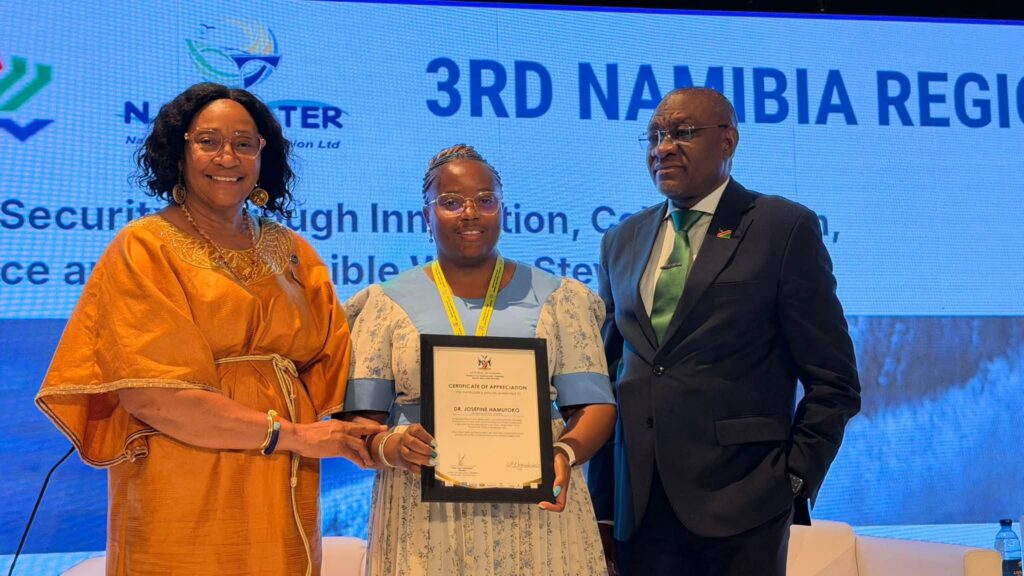
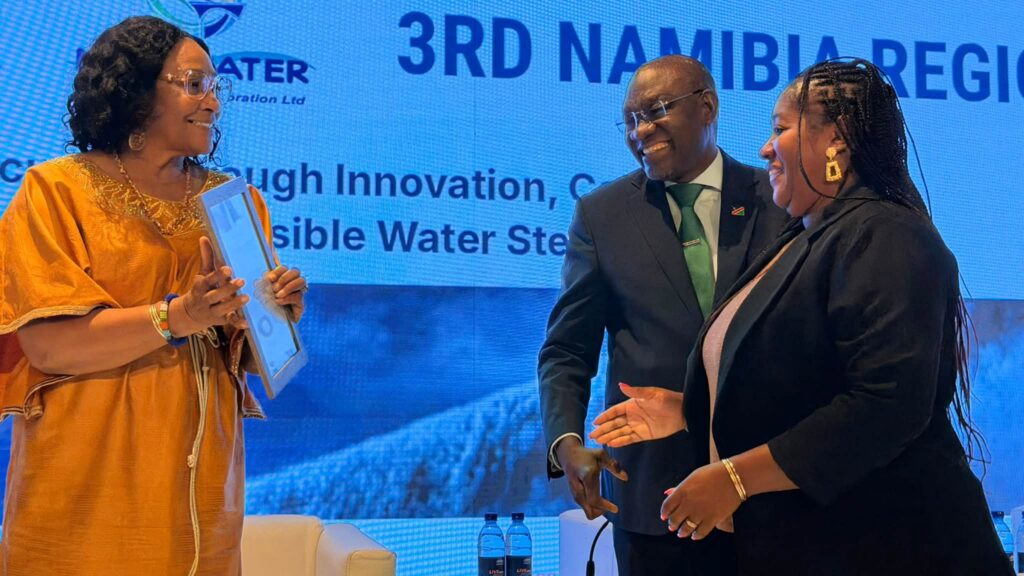
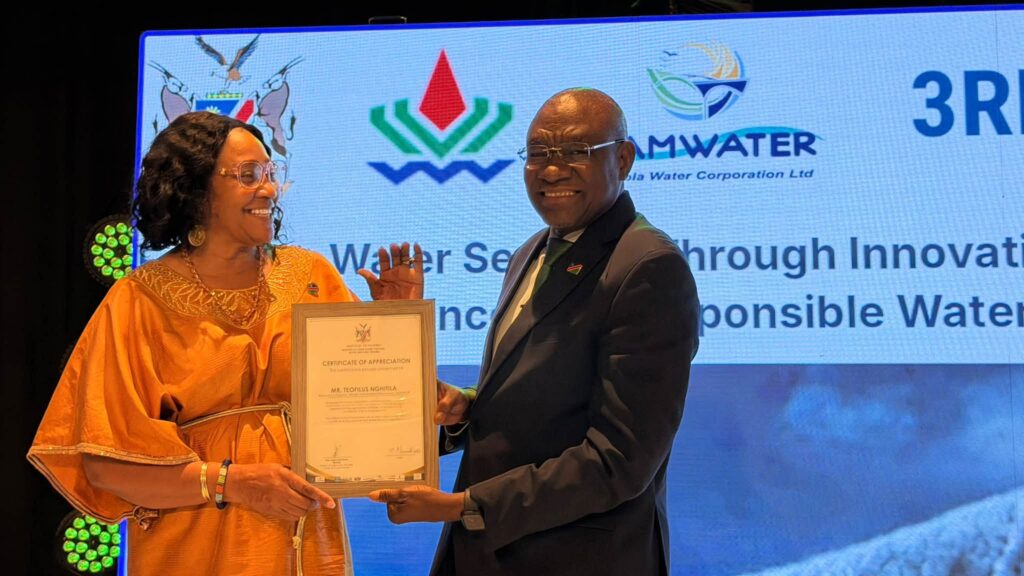
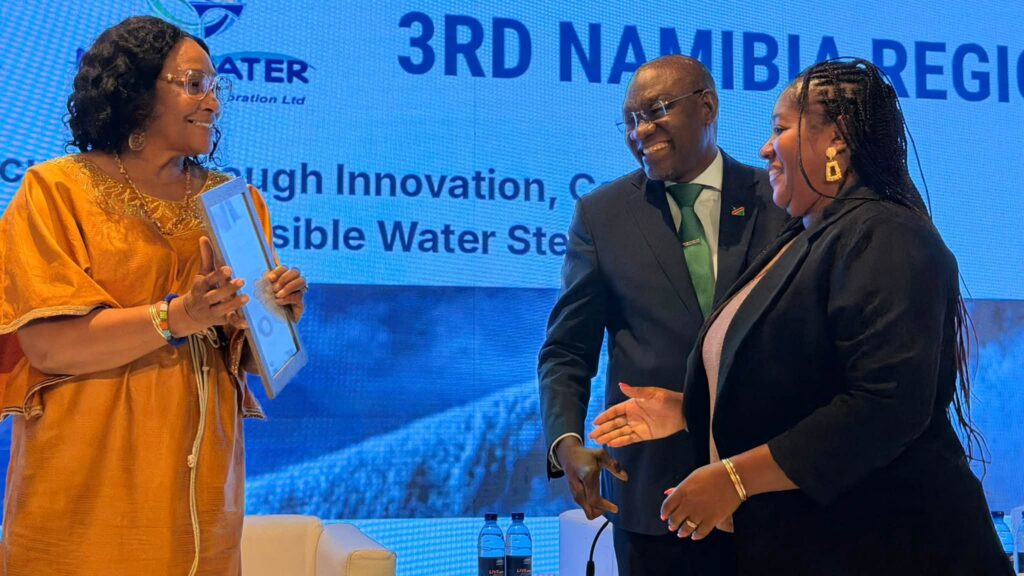
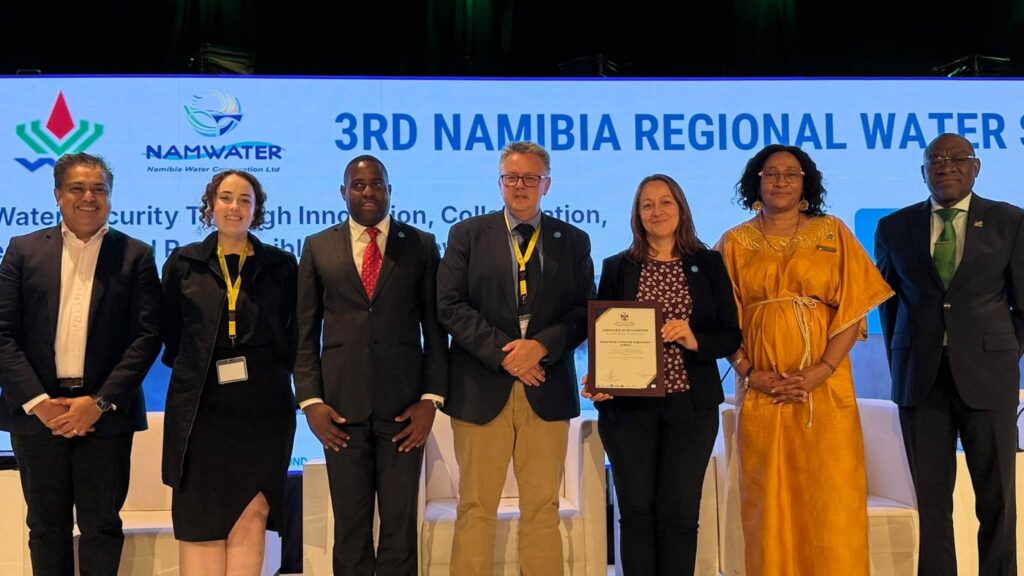
Photos: Ministry of Agriculture, Fisheries, Water & Land Reform
He also acknowledged the presence and support of Prime Minister Dr Tjitunga Elijah Ngurare, Minister of Agriculture, Fisheries, Water and Land Reform Inge Zaamwani, South African Minister of Water and Sanitation Pemmy Majodina, and Erongo Governor Dr Nathalia ǀGoagoses.
The first priority identified was increased investment in the water sector, particularly to address ageing infrastructure that is struggling to meet the demands of a growing population.
Nghitila said adequate funding was essential to introduce new technologies, support innovation, upgrade existing infrastructure and ensure proper maintenance.
The second priority was strengthening water resource management through an integrated, coordinated and sustainable approach, particularly at basin and catchment levels. He also called for continued exploration and investment in water transfer schemes where technically, economically and environmentally feasible, to move water from areas where it is available to those with greater need.
Thirdly, he emphasised the need for sustainable groundwater management, noting that Namibia relies heavily on underground water sources.
He said reliable information was needed on groundwater availability, extraction locations and rates, as well as whether current extraction levels were sustainable, particularly given the country’s arid conditions.
The fourth priority was stronger collaboration and knowledge-sharing between government, academic and research institutions, the private sector, development cooperation partners and communities.
Nghitila said government could not address water security challenges alone, adding that the symposium had demonstrated the value of partnerships through contributions from research and academic institutions, including the Namibia University of Science and Technology (NUST) and the University of Namibia (UNAM).
The fifth priority was improving resilience to climate change and variability. He said Namibia needed forward-looking planning, resilient infrastructure, improved water management systems and better preparedness for prolonged droughts and increasing pressure on water resources.
“Drought to Namibia should not become a crisis because we know we are living in an arid environment and the drought should be an expected event at any time,” Nghitila said, calling on institutions to strengthen their preparedness.
Looking ahead to the Fourth Namibia Regional Water Symposium in 2027, he urged participants to measure the success of the gathering through decisions taken, partnerships strengthened, investments mobilised and practical actions implemented.
He said the position paper presented by the Erongo Governor would be studied, with the aim of reporting on progress made against the proposed actions at next year’s symposium.
Nghitila said the symposium should remain an annual platform for dialogue, knowledge exchange, innovation and partnership-building.
He officially declared the Third Namibia Regional Water Symposium closed.