
Staff Reporter
MORE than 600 ovaHimba and ovaTjimba community members gathered in Omuhonga in April 2026 to raise concerns about the planned Baynes Hydropower Dam, stating they have not been properly consulted on a project that could significantly affect their land, livelihoods, and their access to water from the Kunene River.
The engagement, facilitated by International Rivers, formed part of a site visit to areas where the Namibian and Angolan governments are planning to construct the dam, as well as locations expected to be submerged by the project’s water reservoir. The delegation was led by Namibia’s Ombudsman, Advocate Basilius Dyakugha, accompanied by representatives from the Department of Environmental Affairs within the Ministry of Environment, Forestry and Tourism (MEFT), and the National Heritage Council.
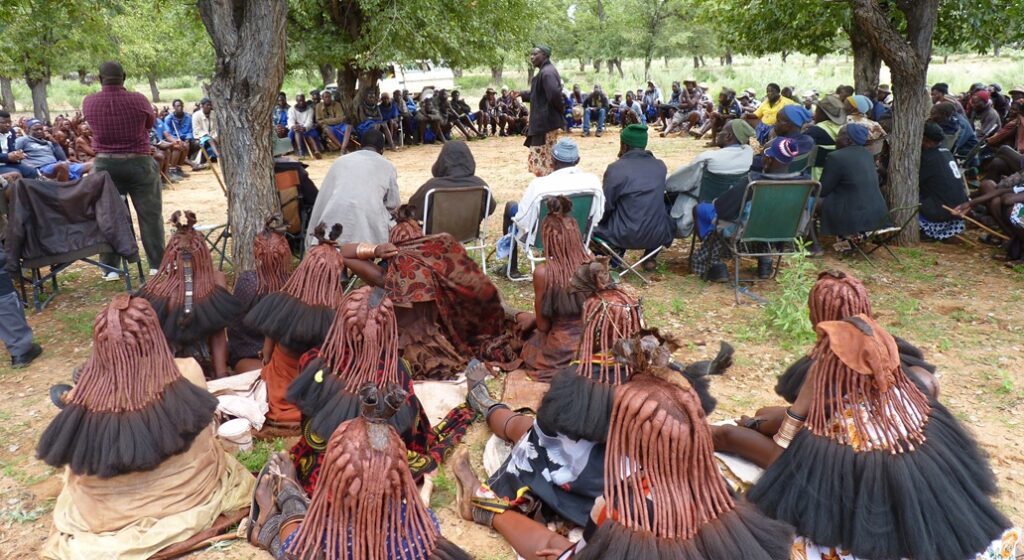
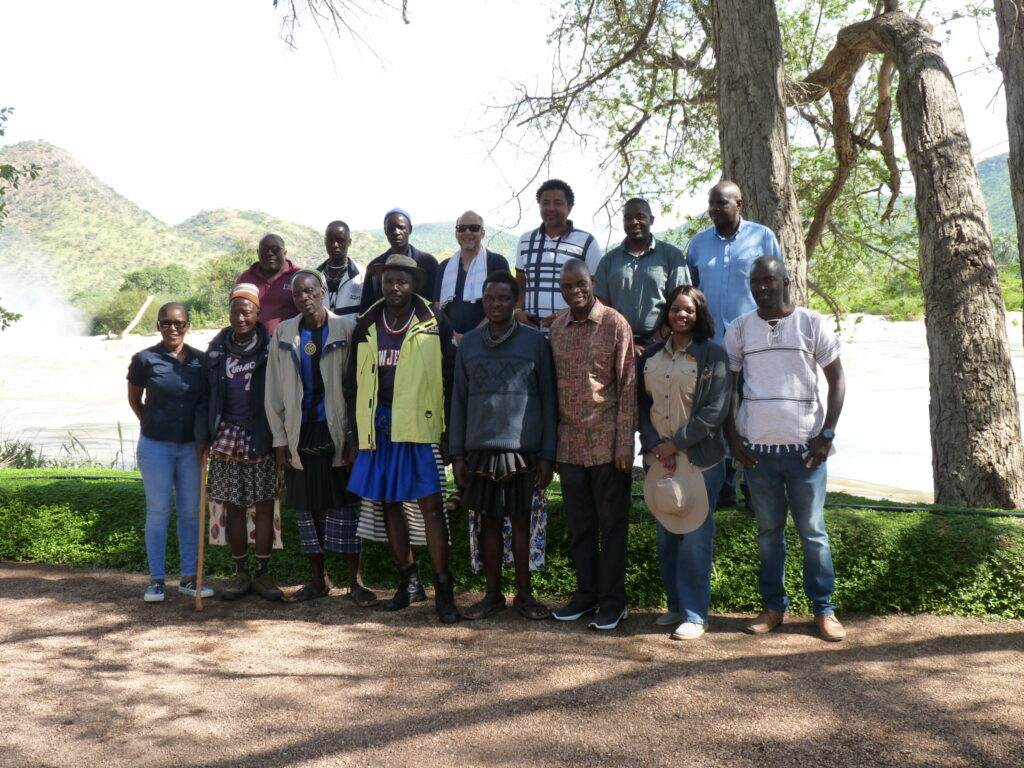
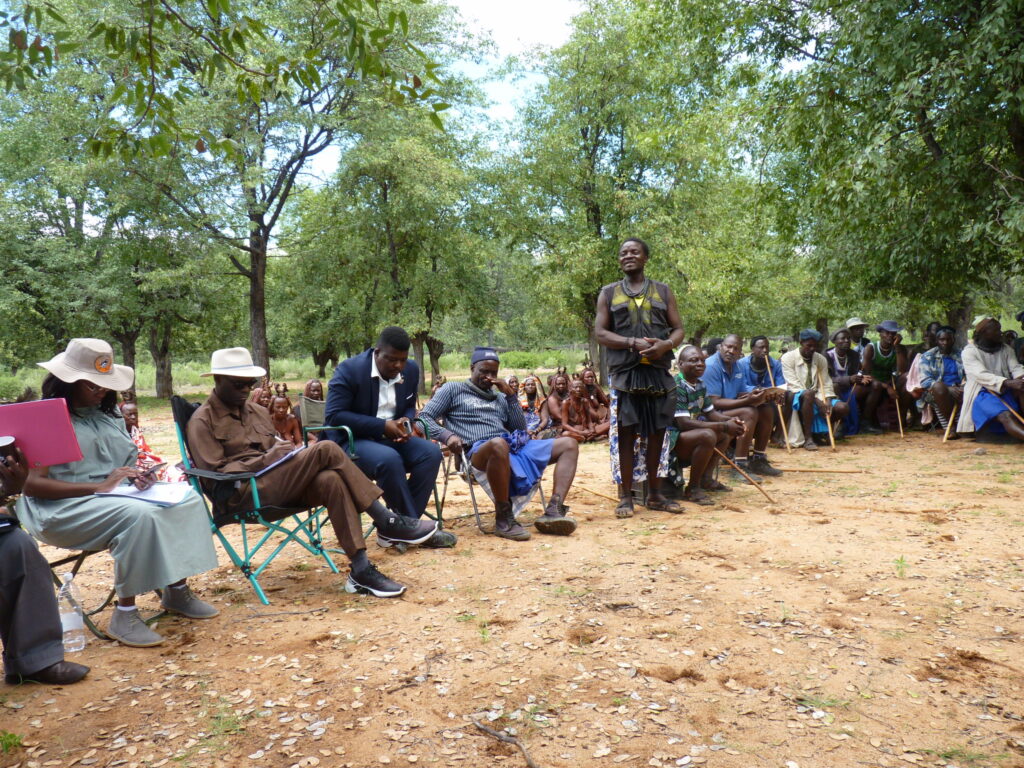
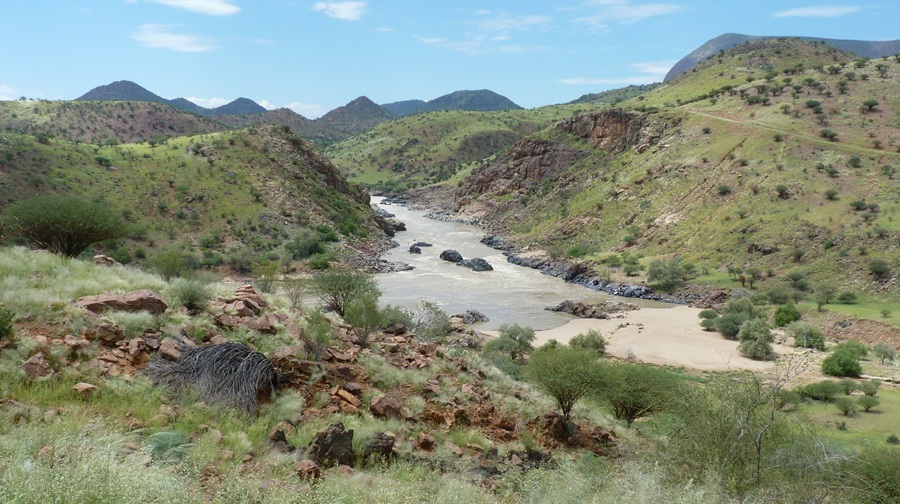
Photos: International Rivers
This visit followed a formal complaint submitted in April 2024 by Chief Mutaambanda Kapika (Ombuka-Kapika Traditional Authority) and Chief Kapirurua Muhenje (Tjizapundu Traditional Authority) to the Office of the Ombudsman, raising concerns about exclusion from consultation processes related to the project.
The Baynes Hydropower Project is a proposed 840 MW dam, a joint initiative between the Namibian and Angolan governments, planned for construction on the Lower Kunene River in the Baynes Mountains. In addition to the dam infrastructure, which includes the main and regulating dams, the project will require the construction of access roads and transmission lines.
While Chief Hikumine Kapika of the Kapika Traditional Authority and members of his community have expressed support for the project, other traditional leaders argue that this Traditional Authority represents a minority among those affected. They emphasise that, although three Traditional Authorities exist in the project area, engagement to date has been limited to one group, which is the Kapika Traditional Authority. As a result, many ovaHimba and ovaTjimba communities who would be directly affected have not been adequately informed or consulted about the project.
According to the chairperson of the Ombuka-Kapika TA, Gabriel Uemupiana Kapika: “A lack of access to information and insufficient engagement by relevant authorities, including the Lower Cunene Hydropower Authority and the Governor of Kunene, have contributed to mistrust and uncertainty around the project.”
Chiefs Mutaambanda Kapika and Kapirurua Muhenje, along with their communities, have raised serious concerns about the anticipated impacts of the planned Baynes Hydropower Project on their lives and livelihoods, indicating that a significant number of ovaHimba and ovaTjimba groups remain opposed to the project as a result.
“As a community, we are very concerned about downstream impacts of the dam, including reduced access to water for ourselves and for our livestock. Even communities as far as the Marienfluss area are also likely to be significantly affected,” said Mutjimbika Mutambo, senior councillor from the Ombuka-Kapika TA.
The Ombudsman’s visit provided an opportunity for affected communities to present their concerns directly and for officials to assess these issues. Community members emphasised the need for open, transparent, and inclusive engagement processes that allow all affected groups to participate meaningfully in decisions that will impact their lives.