Staff Reporter
THE Ministry of Agriculture has officially launched the Foot-and-Mouth Disease (FMD) Support Fund and the FMD Task Force to safeguard Namibia’s livestock sector against a potential FMD outbreak.
“The launch of two strategic initiatives aimed at enhancing our collective efforts to protect our livestock sector and the livelihoods of our farmers and safeguarding our nation’s animal health status, thereby securing income and sustaining Namibia’s access to high-value international markets. The launch of the FMD Task Force and the FMD Support Fund is essential, given the increased risks posed by regional outbreaks and the changing landscape of livestock production and movement. It demonstrates our resilience and ability to respond in a unified manner in defence of Namibia livestock sector and ensure that we maintain our leadership position as far as animal health is concerned,” the Agriculture Minister, Inge Zaamwani, said.
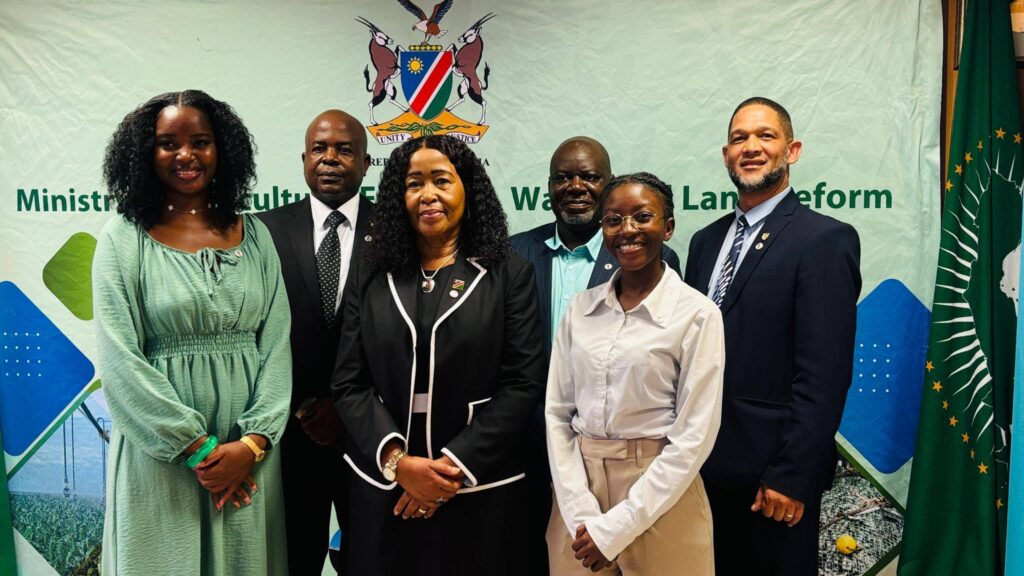
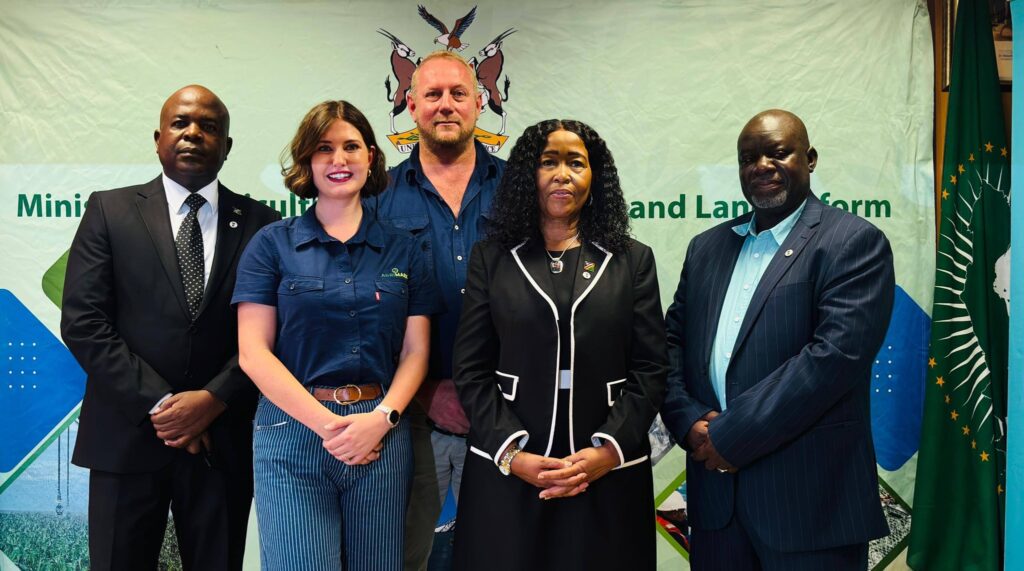
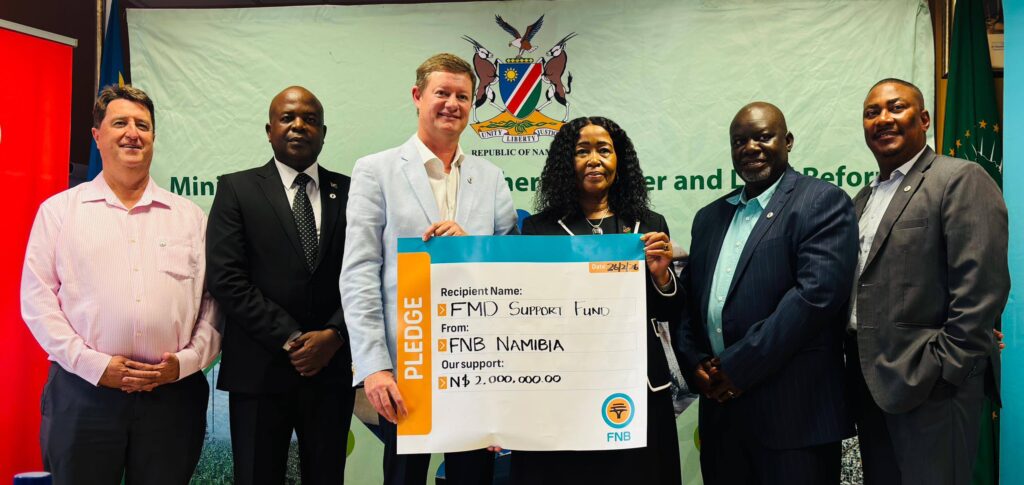
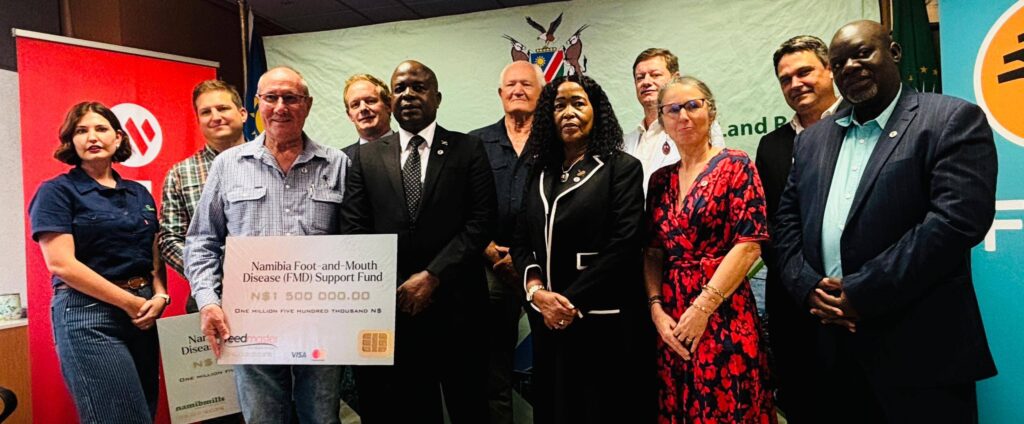
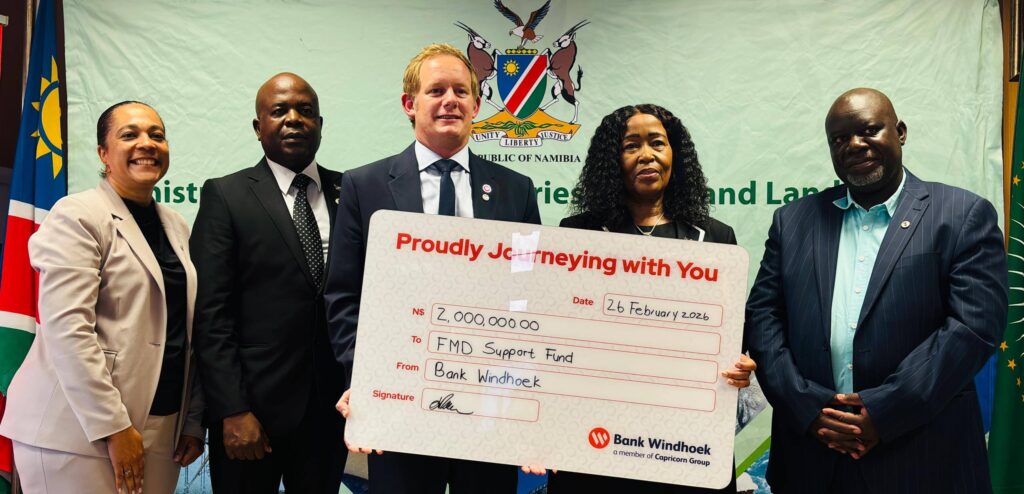
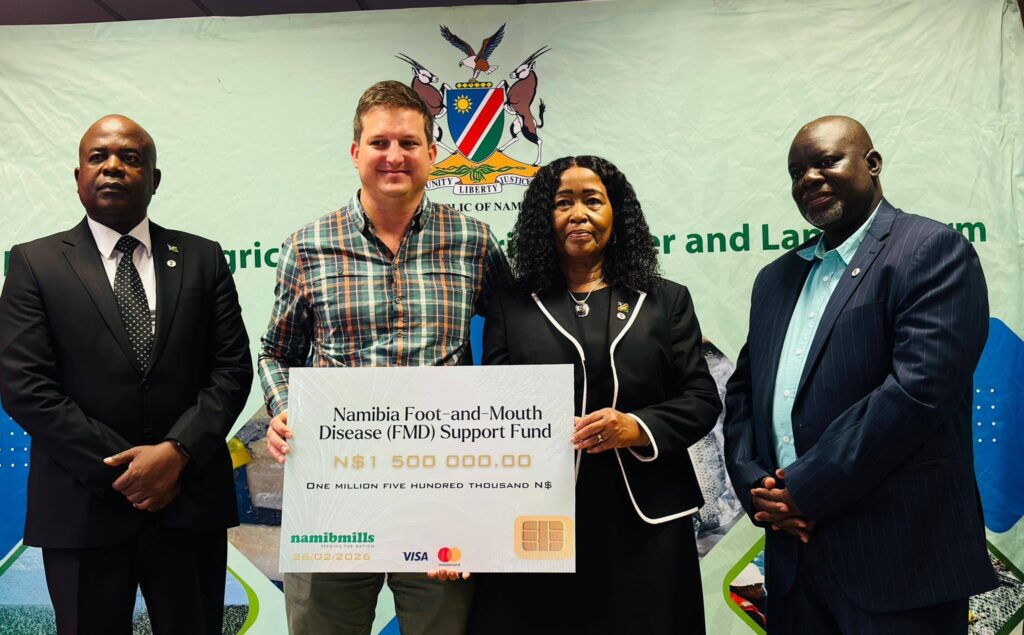
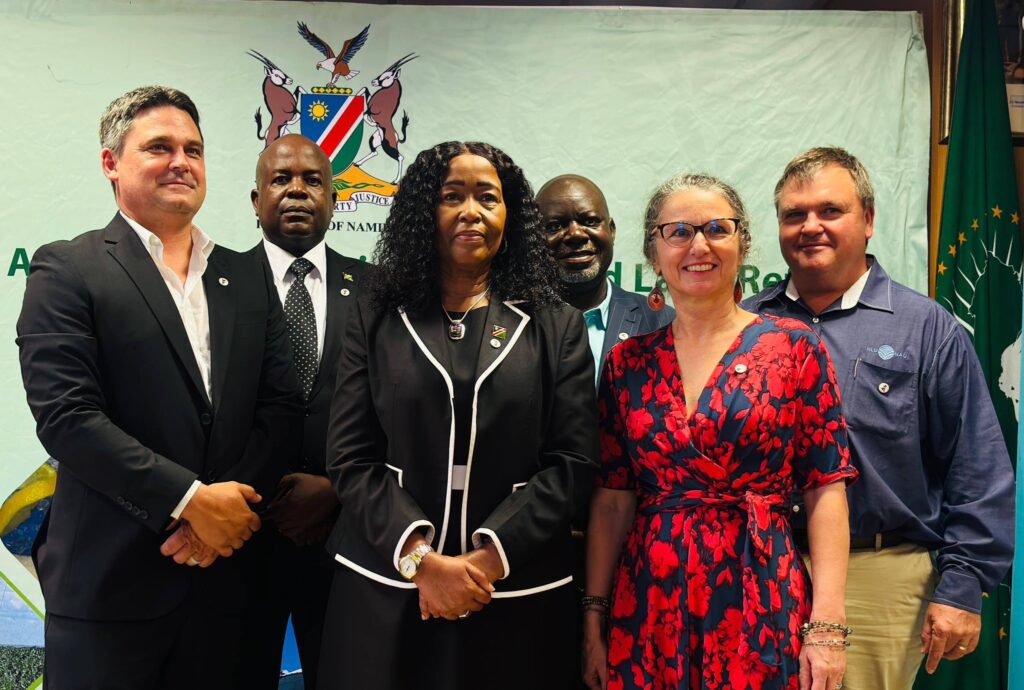
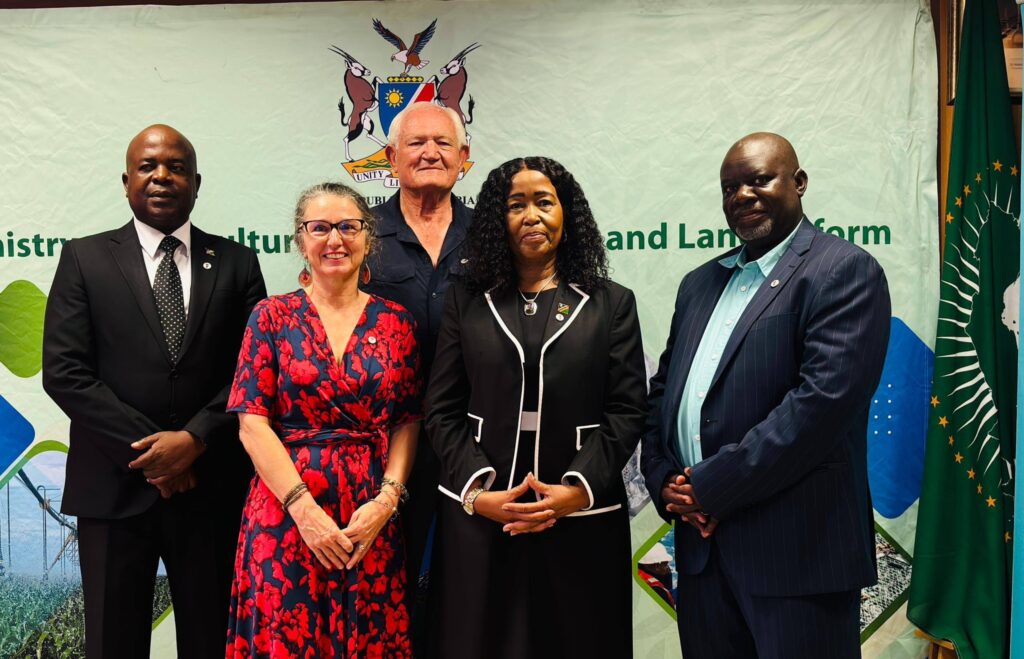
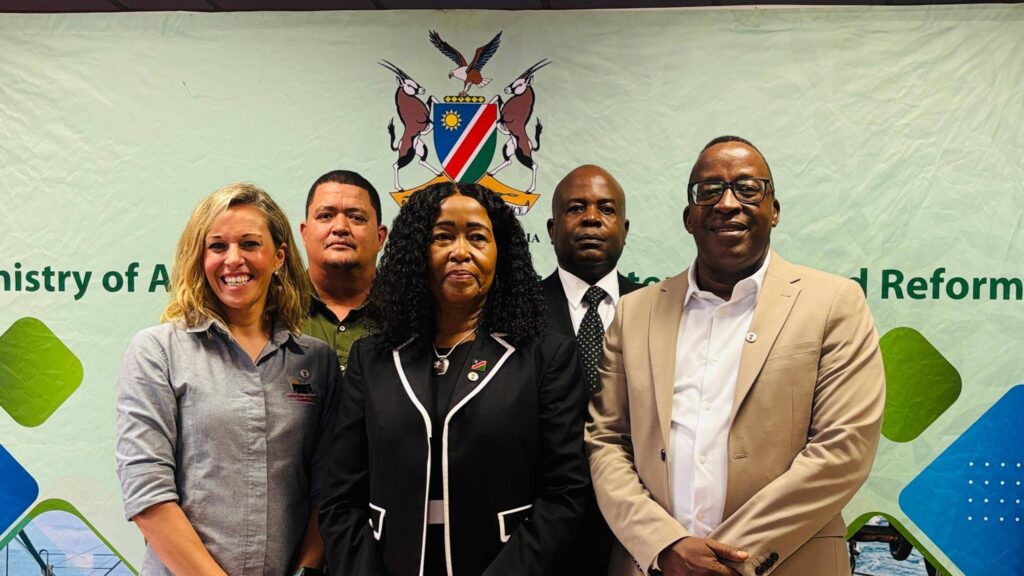
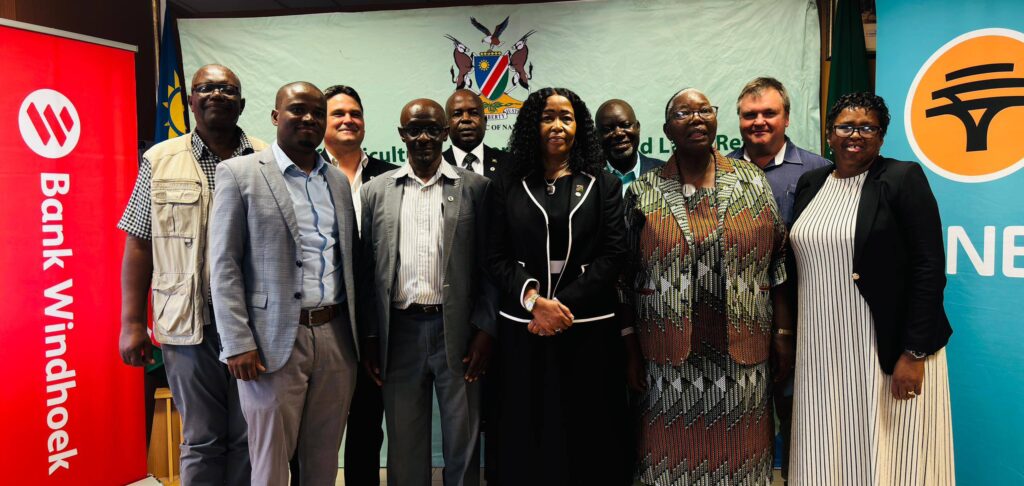
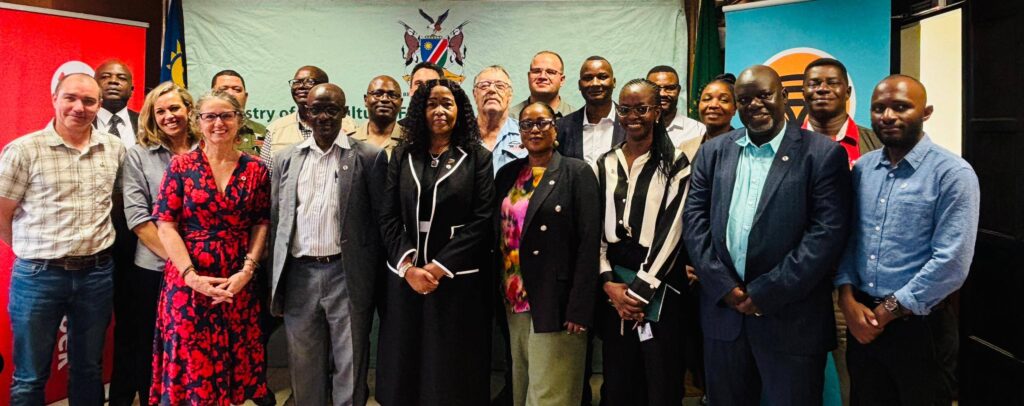
Photos: Ministry of Agriculture, Fisheries, Water & Land Reform
At the launch, individual farmers also contributed, including Dr. Amuthenu and family, as well as another farmer, who donated N$5,000 each. Key industry players made significant pledges to the FMD Support Fund: Bank Windhoek and FirstRand Namibia (FNB) each committed N$2 million, while Namib Mills and Feedmaster pledged N$1.5 million each to support prevention and control measures. Other contributions included Reho Group with N$1 million (split evenly between the FMD Fund and internal assistance), Agrimark with N$200,000, and the Namibia Agricultural Union (NAU) with an annual contribution of N$3 million for coordination, management, and awareness initiatives.
She explained that the FMD Support Fund aims to mobilise resources to implement priority interventions, including targeted vaccination campaigns, infrastructure reinforcement, enhanced border biosecurity, and comprehensive farmer awareness programmes. She noted that the fund will support vaccination programmes in high-risk areas, the upgrading and maintenance of veterinary cordon fences, the enhancement of border surveillance through improved technology and logistical backing, the development and distribution of educational materials for farmers and communities, and the reinforcement of quarantine and disease containment facilities.
“The establishment of FMD Support Fund is therefore a testament to the powerful partnership between Government and the private sector,” Zaamwani added.
She further explained that the National FMD Task Force will serve as Namibia’s central coordinating body in the fight against FMD. The task force comprises scientific, technical and operational experts who will work together to provide comprehensive guidance on prevention, early detection, rapid response, containment, control and recovery.
“The Task Force will work closely with the Directorate of Veterinary Services, farmers’ unions, industry associations, and international partners to ensure a unified and strategic response. The Livestock and Livestock Products Board of Namibia has been instrumental in supporting prevention efforts through the provision of materials, manpower, and industry mobilization. We thank them for their proactive and timely response,” she explained.
Zaamwani emphasised that these efforts are essential to protect Namibia’s livestock industry, valued at N$15 billion. She described the livestock sector as a cornerstone of the national economy, supporting the livelihoods of 70% of the population.
“The significance of livestock sector extends beyond commerce and trade, it is a foundation of food security, rural development, and social well-being. The threat of Foot-and-Mouth Disease (FMD) has escalated, primarily due to outbreaks in most of our neighbouring countries owing to illegal animal movements and cross-border transmission. The impact of an incursion would be far-reaching, affecting not only producers contributing to the beef value chain, but, the broader agricultural value chain and the national economy. Our vigilance is further heightened by the dynamic nature of livestock and people’s movement along our borders. These risks and potential exposure requires enhanced surveillance, rapid response, and coordinated prevention has never been greater,” Zaamwani added.