
Staff Reporter
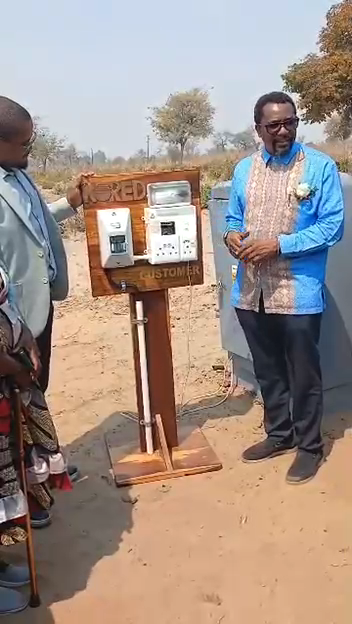
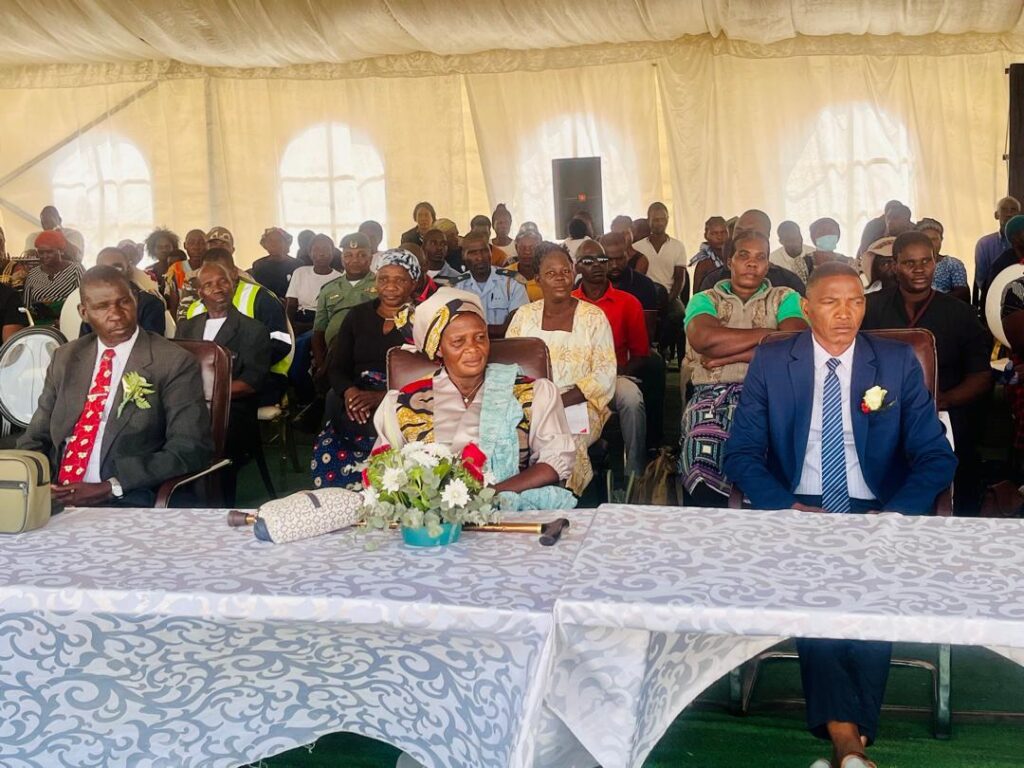
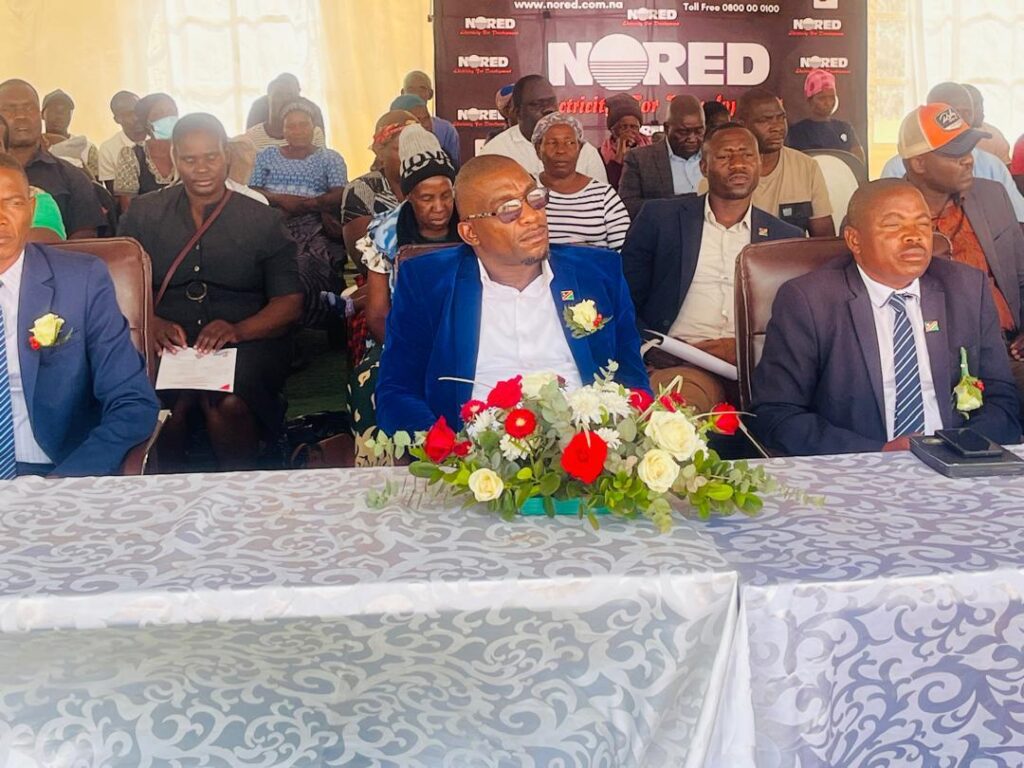
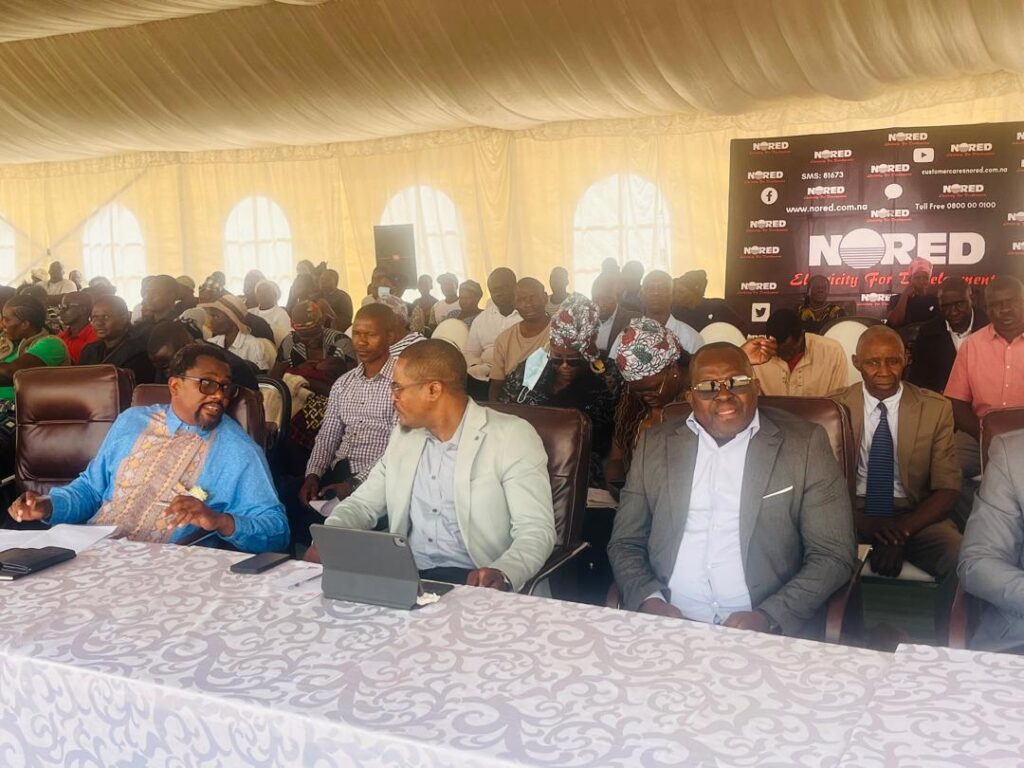
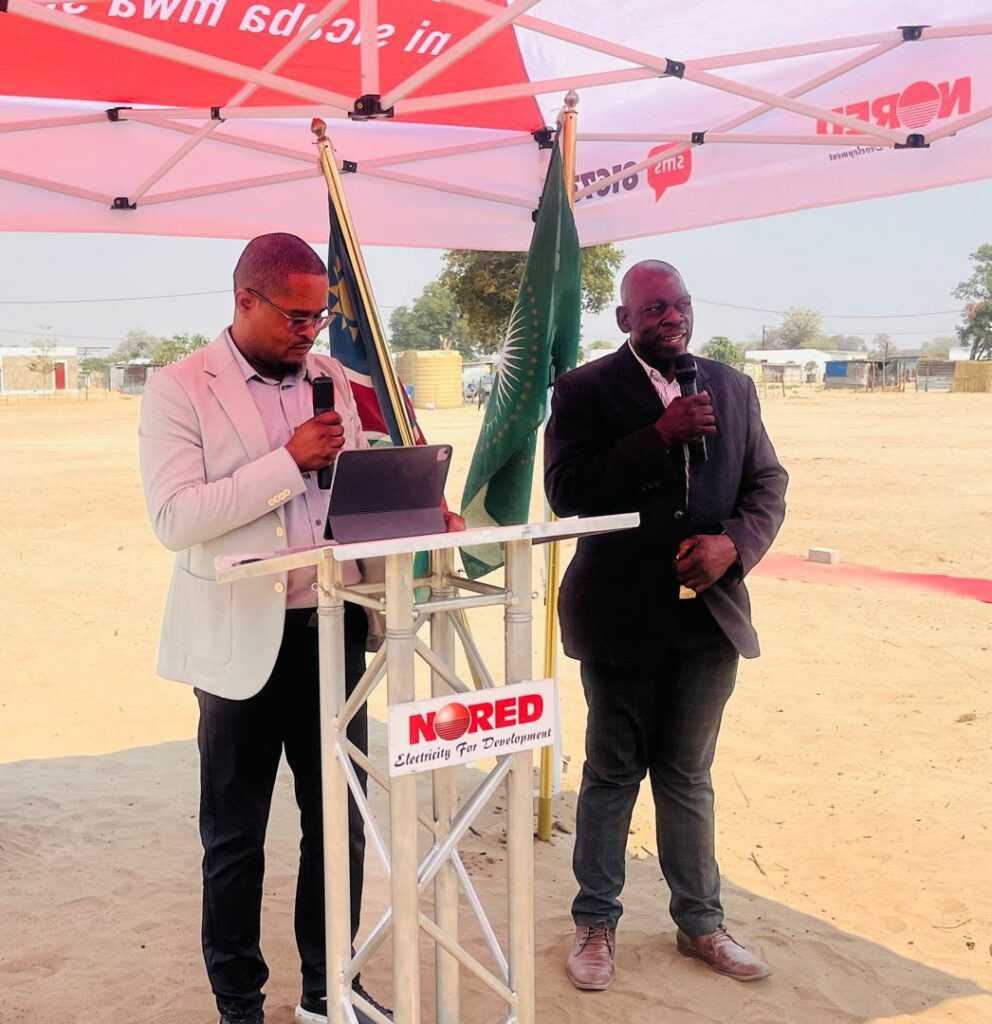
NATANGUE Ithete, the Deputy Prime Minister and Minister of Industries, Mines and Energy, today inaugurated the commissioning of joint electrification projects in the Zambezi Region in collaboration with the Northern Regional Electricity Distributor (NORED).
The minister said that as they, on 27 August 2025, inaugurate household connections in Bukalo, Nampengu, and Kongola, government also confirms the electrification of schools in Old Masokotwani, Kahunikwa, Nsundwa, Ikaba, and Malal Nkanga.
During the occasion, Ithete recalled that during the Heroes’ Day commemoration, the President of Namibia highlighted the development achievements in the Zambezi Region.
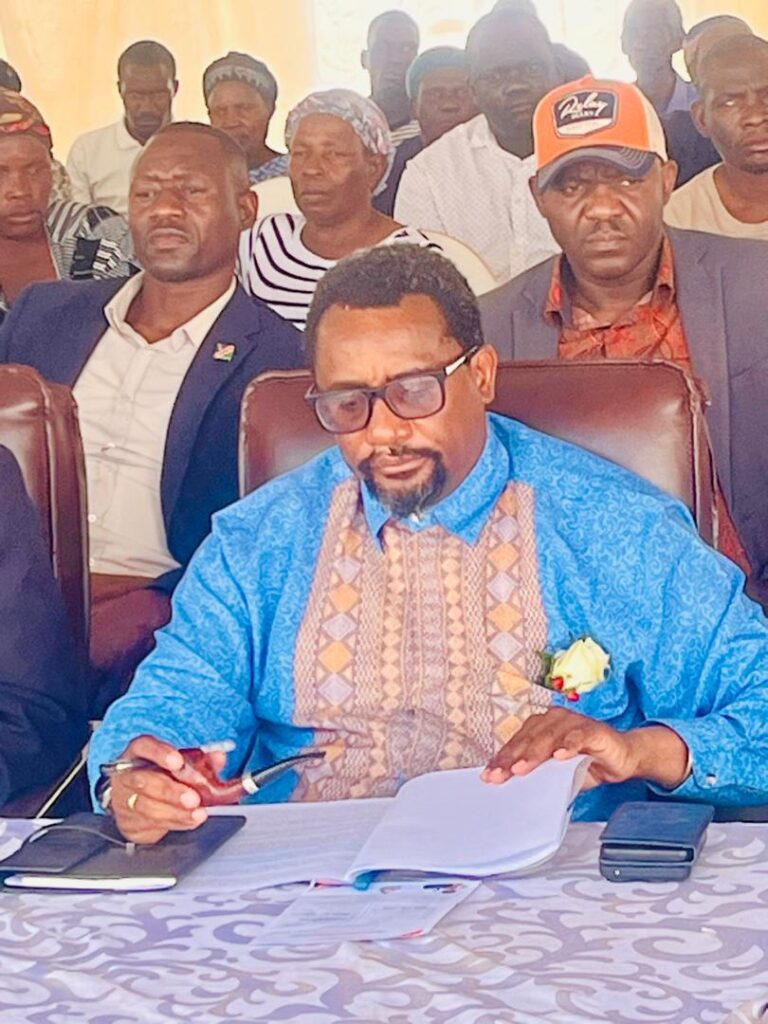
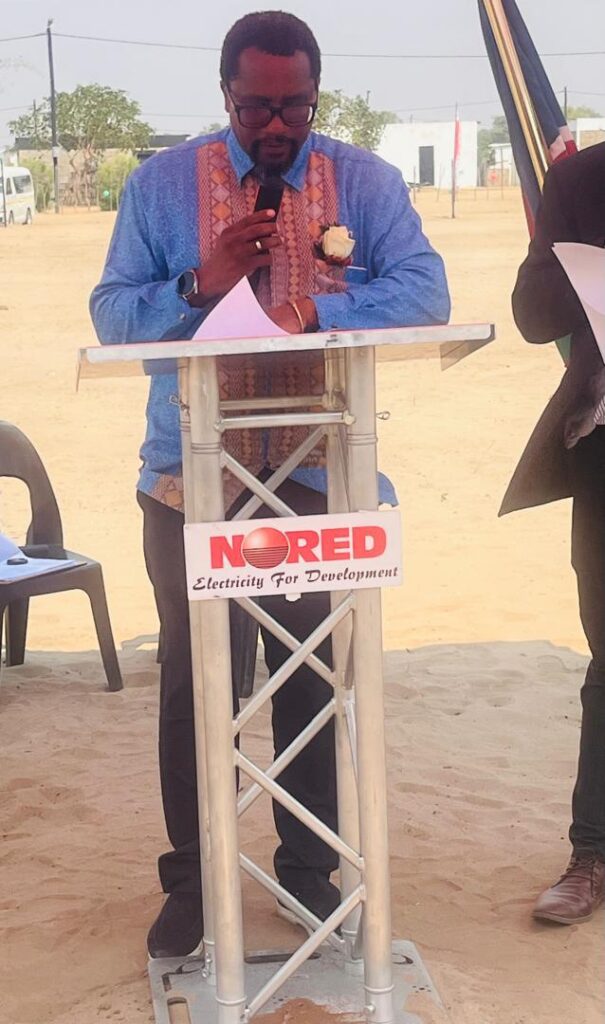
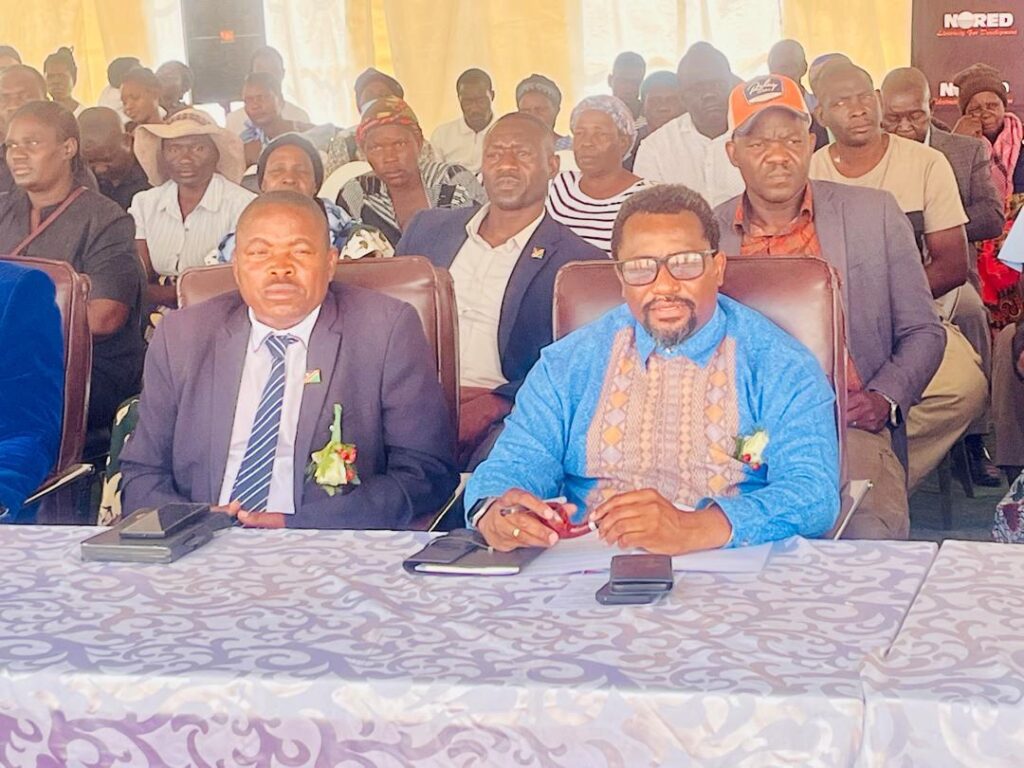
“She said electricity as a key priority of our government. That is why, as the Ministry of Industries, Mines and Energy, we are deployed to ensure that by the year 2040, every household in Namibia will have access to electricity. That is our goal, and we will not shift from it. According to the last census, there are 37,296 households in the Zambezi Region and only 13,502 are connected to the grid. That means 23,794 households are yet to be electrified. This is a serious challenge for the Ministry but also for all of us. Government cannot succeed in this cause alone because ‘two hands are always better than one.’ I want to remind us that unity of purpose remains the cornerstone of our nation building and development. Without unity, we will go into self-destruction,” Ithete said.
He added that in their quest to electrify every household in Namibia, regional electricity distributors such as NORED, the Regional Council, constituency councils, towns, villages, and even conservancies must work hand in hand for collective success.
“Many new connections, including the one we are commissioning here today, will come from the main grid through a Service Level Agreement between the Ministry and NORED. The Service Level Agreement with NORED provides an accelerated way to connect more than three times the usual annual average of households in the Region. We are starting with localities with high numbers of houses, such as peri-urban areas like Bukalo and Kongola, or larger rural areas like Nampengu. By connecting places where there are many houses together, the connections become financially viable and technically strengthen the grid for the whole region,” Ithete said.
He added that in remote villages where households are spread out, the Ministry is making provision for solar systems as part of the country’s energy solution.
“With electricity becoming costly and unaffordable, solar energy is not only an alternative means of energy, but it is locally produced, directly from our sun, which removes import costs, making electricity cheaper. I am illustrating the importance of solar energy because we will soon begin a project to connect over 700 households in Choto Extensions 7 and 8 in Katima Mulilo. We are living in the Fourth Industrial Revolution where technology and innovation are the future. Let us therefore embrace technology for the betterment of our lives.”