Staff Reporter
THE internationally acclaimed natural beauty of Namibia—and also the pride of the Namibian nation for generations—is buckling under the piling weight of collapsing basic infrastructure, raw sewage, and piles of rubbish at dumping sites in the most iconic and world-renowned tourism destinations under the control of Namibia Wildlife Resorts (NWR).
Recently, the Ministry of Environment and Tourism (MET) intervened to avert an environmental disaster in the Fish River, where raw sewage is illegally channelled into a dry riverbed, posing major health and environmental risks. The NWR board and management have ignored public and international disgust about the lack of management and accountability from NWR.
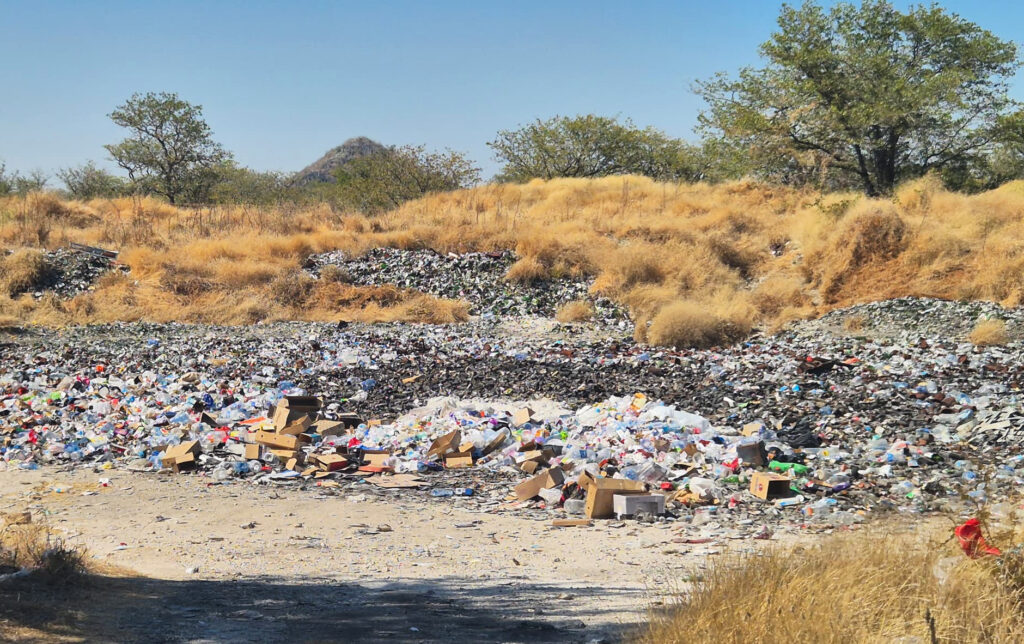
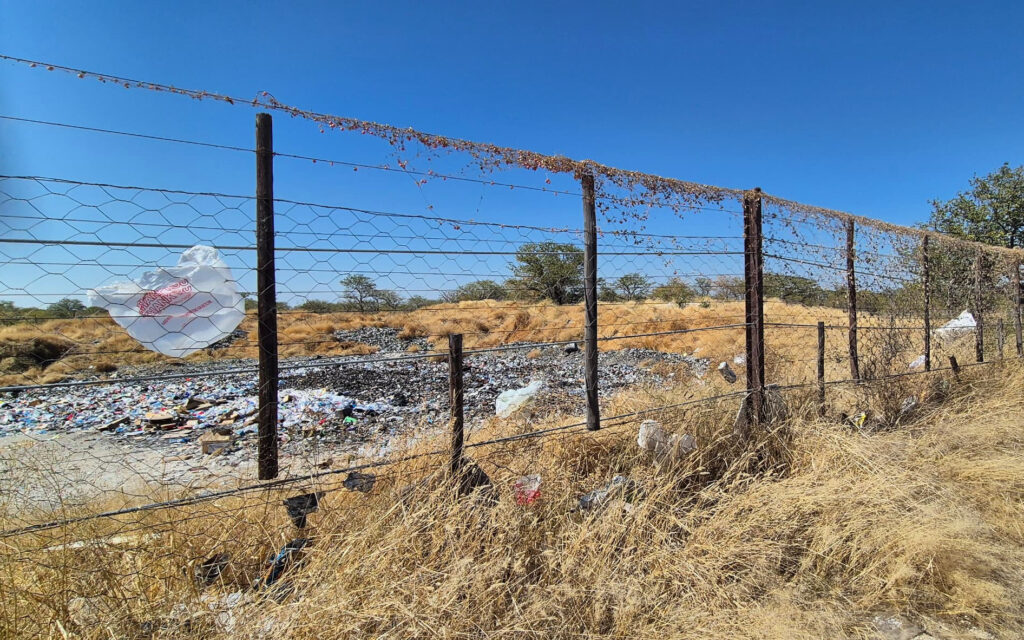
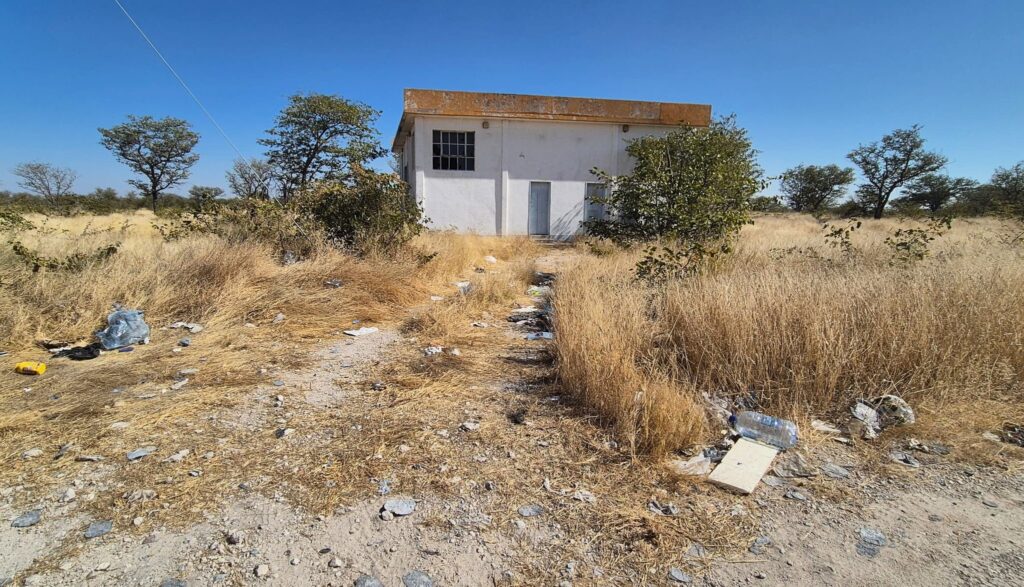
SPOTLIGHT Namibia (https://www.facebook.com/spotlighting.namibia) has consistently drawn attention to poor waste management and sewage problems at various Namibia Wildlife Resorts (NWR) facilities. However, in a recent update, the platform acknowledged improvements and voiced support for President Nandi-Ndaitwah’s stance on accountability for public officials.
Donors, donor agencies, civil society movements, tourism operators, and regular visitors are now coordinating steps in response that will force NWR to take responsibility through the Ministry of Environment and Tourism (MET), the Office of the Ombudsman, and the parliamentary standing committees who have a constitutional duty to protect the beauty and natural resources of Namibia.
Some of the most influential players in the tourism and conservation arena are investigating private prosecution to force the NWR to adhere to its mandate.
A social media platform, Spotlight, consisting of citizens traveling and exposing bad administration and unfulfilled political promises—like the cleaning up of the museum area close to the old State House, the sewage in the Fish River, and overflowing dumpsites from Waterberg to Etosha—says although the emergency measures at Ai-Ais are indeed welcome, they came after NWR ignored all complaints for years.
They point out that the resort was a prime destination and important part of the Richtersveld Transfrontier Park with South Africa, but is now a monument of incompetence that reflects badly on Namibia’s reputation, as it is in stark contrast with the well-kept South African tourism destinations just across the river.
The same contrast is noticeable between the dilapidated NWR infrastructure and thriving private accommodation lodges outside of the gates. The irony is that the private lodges are under severe checks and regulations, while at its own lodges, NWR is threatening the very same environment it claims to protect.
Okaukuejo and the Omoka gate have for a long time been referred to as a squatter camp.
A Spotlight report in March sparked outrage, and nothing came of a promise by the Minister of Education, me, Sanet Steenkamp, that immediate attention would be given after citizens cleaned it up, but they gave up due to unfulfilled promises.
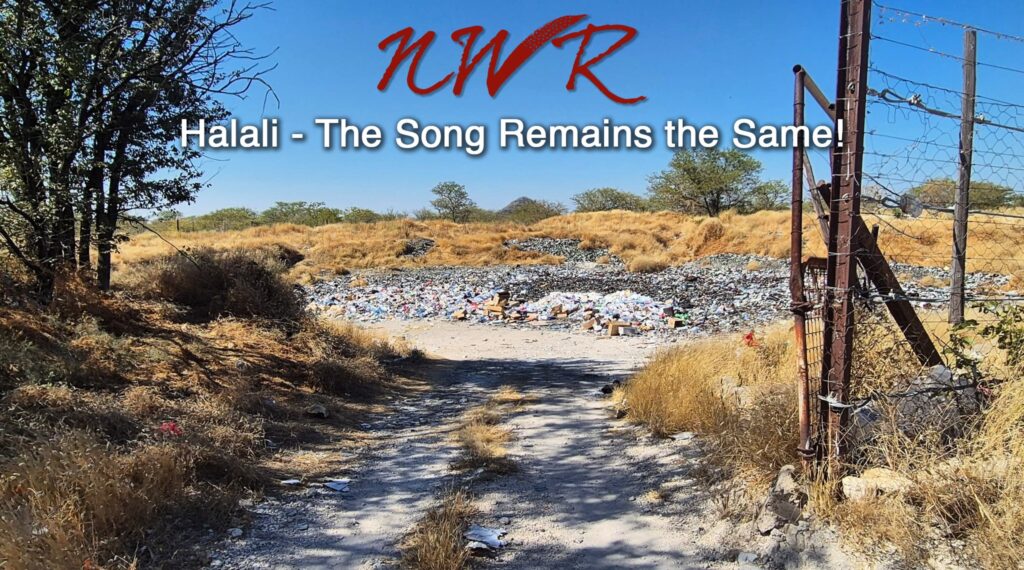
Hope for any improvement of accountability from NWR was soon dashed with a recent report that at Halali, nothing has changed, but rather became worse.
Spotlight revealed that the entrance gate to the landfill site was still wide open, making it possible for animals to get injured if they were to walk into the enclosure. Although single-use plastic bags have been banned from Namibia’s conservation areas, discarded plastic packaging material was found blowing around and getting stuck in the bushes and trees.
The group points to the Foreword of Namibia’s National Solid Waste Management Strategy, launched in 2018, where it was said:
“I am deeply concerned about the threat now posed by the prevalence of litter all around the country to our reputation as a prime tourist destination. The high levels of litter we are seeing now will discourage tourists from visiting Namibia, and those that do may never return. This situation requires immediate remedial measures, not only for the sake of our tourism sector, but also to reduce the negative effects of littering on the health of our communities and residents, the local environment, as well as the overall economy.”
The promise of 2018 is dashed by the NWR neglect of 2025. Ironically, it was during this period that solid waste continued to be discarded at ‘dump sites’ in Etosha, Namibia’s flagship national park. The Environment and Tourism Ministry is the line ministry of NWR and is also the custodian of Namibia’s environment.
Spotlighting Namibia can be accessed at: https://www.facebook.com/share/p/199YZwJPaX/