
Placido Hilukilwa
THE Ministry of Home Affairs, Immigration, Safety and Security (MHAISS), in collaboration with the United Nations Development Programme (UNDP), has announced a historic milestone in Namibia’s digital transformation journey with the introduction of the electronic identity card (e-ID).
According to the MHAISS, the e-ID awareness campaign kicks off next week Thursday.
The e-ID is described as a smart and secure, biometric-enabled document designed to modernise identity management and expand access to essential public and private services.
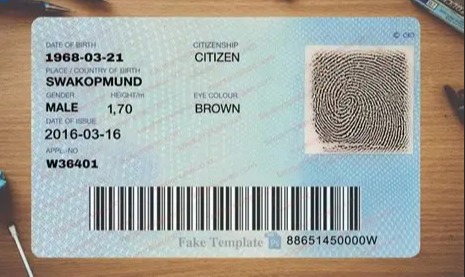
The introduction of contactless chip IDs was approved by the Cabinet in August 2023. Since then, the Government has been engaged in putting the required infrastructure in place and consulting relevant stakeholders for their input into the initiative. It is aligned with the UNDP’s Model Governance Framework for Digital Legal Identity, which, according to an MHAISS statement, marks a bold step toward a secure, inclusive, and digitally connected society.
“This advanced identity card will contain embedded biometric and demographic data, enabling real-time identity verification across sectors such as banking, healthcare, education, elections, and more,” said the Ministry’s Executive Director, Etienne Maritz.
“To foster public understanding and trust in this innovation,” he said, “the Ministry will commence a nationwide awareness campaign, beginning in the Khomas Region.”
As part of the campaign, the MHAISS will host an interactive “Un-conference on Digital Legal Identity” in Windhoek on Thursday, during which Minister Lucia Iipumbu and the UNDP Resident Representative in Namibia, Alka Bhatia, will engage directly with the public.
“As expected with any innovation,” said Maritz, “questions and concerns are expected, and the two leaders are committed to addressing them with openness and clarity.”
According to Maritz, over 500 community members from Windhoek’s constituencies, local councillors, political leaders, and administrative officials are expected to attend. He added that, unlike traditional conferences, the “un-conference” will promote open dialogue between citizens and government officials, allowing the public to ask direct questions and receive clear, transparent answers.
He outlined the key benefits of the e-ID as being:
- Enhanced security through biometric verification
- Reduction in identity fraud and elimination of duplicate records
- Improved access to government services, especially in rural areas
- Greater efficiency in service delivery through mobile outreach
He said that the transformation is not just about technology. It is about recognition, dignity, and opportunity for every Namibian. The e-ID will serve as a vital tool for inclusivity, empowering all citizens to access services and participate fully in civic and economic life.
As this transformative rollout begins, all Namibians are encouraged to stay informed through official awareness campaigns, participate in community engagements and events, ask questions, and be part of the conversation.