Staff Reporter
THE Health Minister, Dr. Kalumbi Shangula, emphasised that while the goal of ending HIV/AIDS as a public health threat is within reach, additional efforts are necessary to maximise the impact of the resources dedicated to combating the virus.
“It is evident that the goal of ending HIV/AIDS as a public health threat is within our reach. However, we cannot rest on our laurels. This goal cannot be achieved without resolute action, effective resource utilisation, and a renewed commitment from all stakeholders, backed by science and data,” he said.
The minister made these remarks at the second meeting of the Regional Technical Network (RTN) on Resource Optimisation of HIV and Broader Health Resources. The meeting was attended by senior officials of the health ministry, Brandon Hudspeth, who represented the United States Ambassador to Namibia, Randy Berry; Mike Ruffner, the Deputy Coordinator for Financial and Programmatic Sustainability in the Office of the Global AIDS Coordinator; Gail Steckley, the Global Fund Regional Manager for Southern and Eastern Africa; and Melissa Sobers, representing UNAIDS, among other stakeholders.
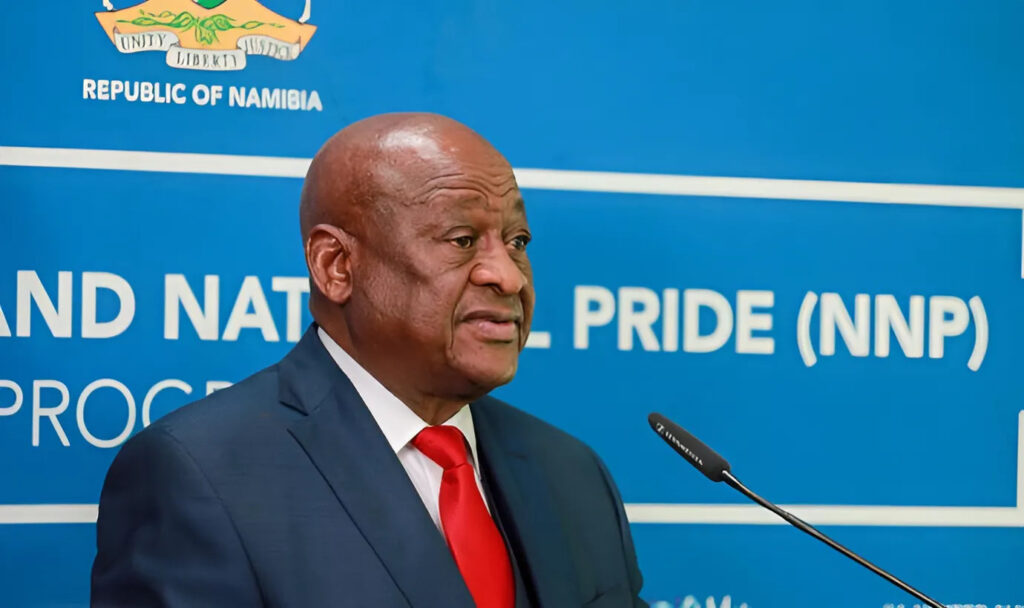
Shangula revealed that the meeting aimed to explore the application of costing and financing data, including activity-based costing and resource alignment data, to better inform planning decisions. The meeting also sought to examine economic, equity, and health-related cases for continued support and investment in the HIV response.
“By delving into the actual costs of delivering HIV and health services, we gain invaluable insights that will enable us to enhance efficiency and maximise the impact of the resources invested. This data-driven approach is not merely a tool; it is the foundation upon which we can anchor strategies that will guide us towards financial sustainability. It allows us to make informed decisions based on real-world evidence, ensuring that the resources at our disposal are used in the most effective way possible,” Shangula said.
He highlighted that Africa has borne the brunt of the HIV epidemic, and stakeholders have engaged and mobilised resources to combat the spread of infections, provide the necessary medical countermeasures, restore the health of those affected, and save lives. These efforts, he added, have yielded tangible and notable results. Shangula stressed that no effort should be spared to ensure that the successes achieved are not undone.
“It is therefore vital and necessary that stakeholders have once again come together to analyse the landscape of resource availability, resource utilisation, and resource mobilisation options in the ongoing response to HIV/AIDS and broader health resources. Our gathering here demonstrates our collective commitment to tackling one of the most significant public health challenges of our time—the HIV/AIDS epidemic,” Shangula said.