Zorena Jantze
THE Governor of the Bank of Namibia, Johannes !Gawaxab, has said that amendments made to the Banking Institutions Bill, which will regulate foreign ownership of banks, aim to ensure that Namibians have better access to credit. Foreign-owned banking institutions currently make credit decisions outside Namibia, resulting in lower credit extended to Namibian households and businesses.
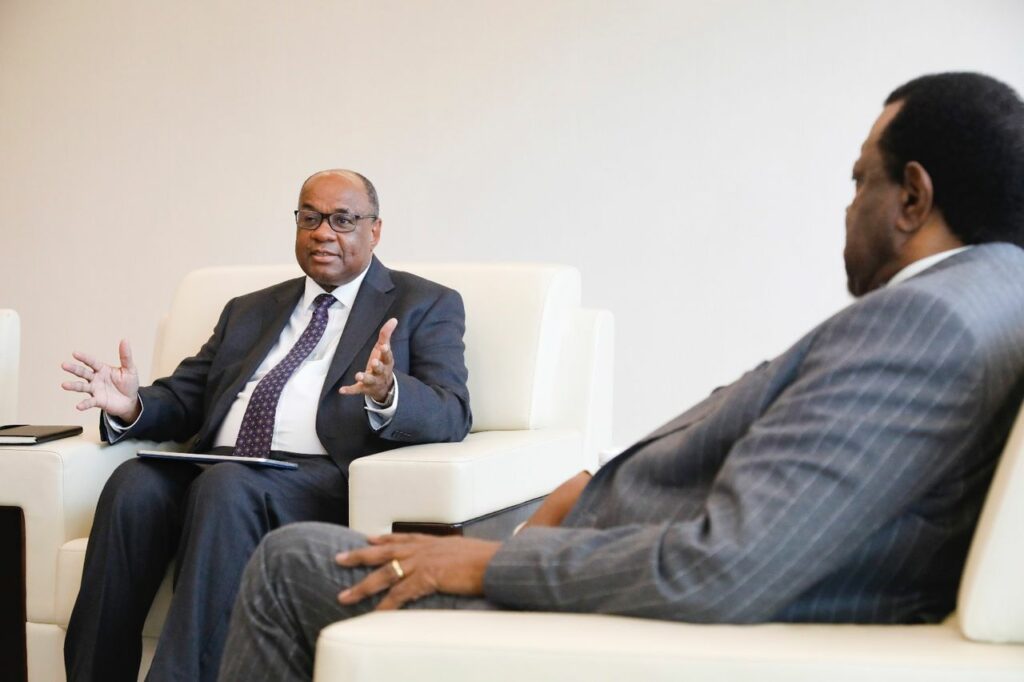
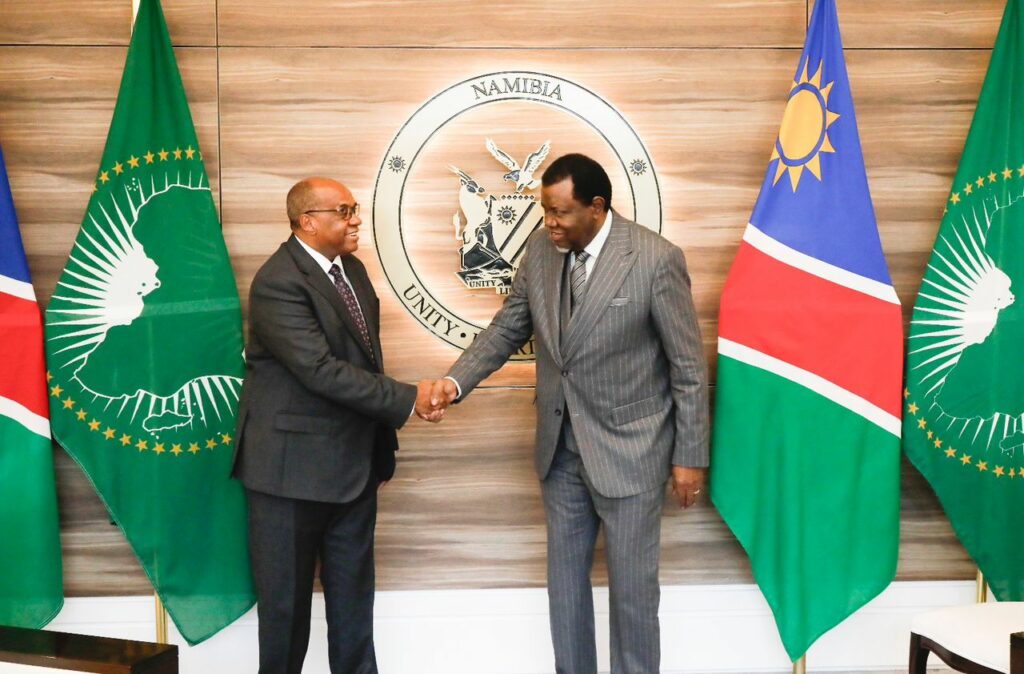
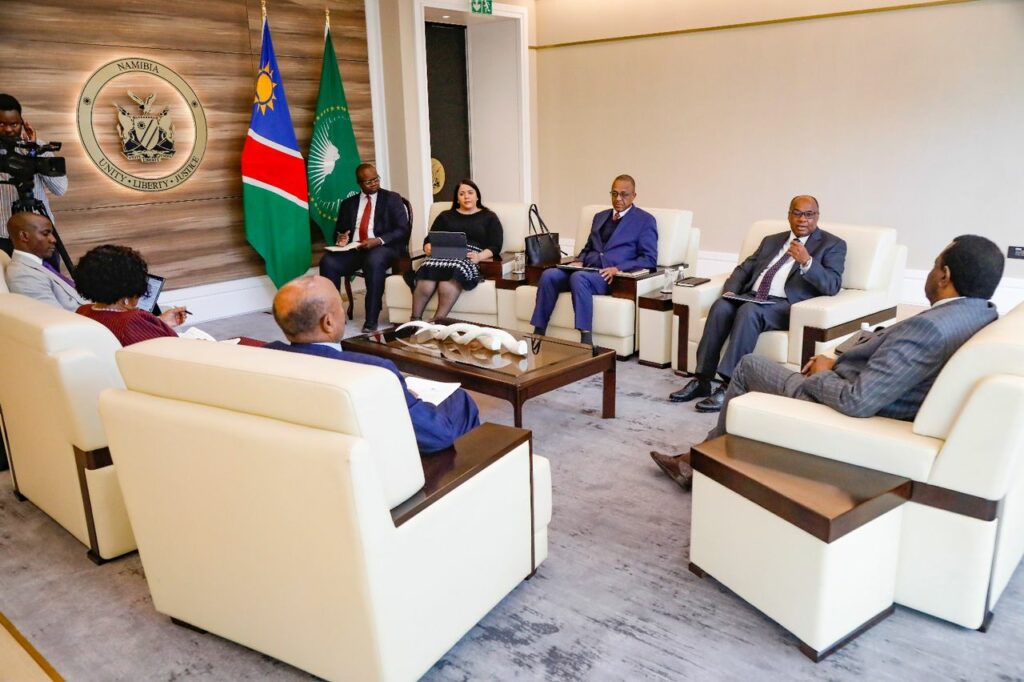
!Gawaxab made these remarks during a courtesy call to the president at State House.
“We want a banking sector that works for Namibia. We want decision-making to be centralized and taking place in Namibia. If you look at Private Sector Credit Extension (PSCE) in the country, it is around 2 to 3%. Even last year, it was at the 3% level. A few years ago, private sector credit extension was much higher, at 9 to 10%. However, currently, credit extended to Namibian individuals, households, SMEs, and businesses is quite low. So we are granting licenses to our banks to offer credit. While we are responsible for the stability and soundness of the banks, we want credit decisions to be made in Namibia by individuals authorized by the Bank of Namibia,” explained !Gawaxab.
The Governor of the central bank emphasized the need to change the law so that credit decisions can be made within the country, ensuring governance and control reside in Namibia.
!Gawaxab also mentioned that he provided the president with an update on the performance of the Namibian economy and the country’s efforts to avoid being greylisted.
Furthermore, !Gawaxab shared that the Bank is planning to set up a branch in southern Namibia.
“With all the developments in green hydrogen and oil and gas discoveries in southern Namibia, there is an opportunity to conduct research and provide central banking services in that region,” said !Gawaxab.
Additionally, key risks stemming from the global economic situation were discussed with the president. These risks, as highlighted by the South African Reserve Bank, include load shedding, the growth of the South African economy, and how these factors impact the Namibian economy.
!Gawaxab added that the issue of high interest rates and the cost of living crisis were also addressed.
Acknowledging the challenges faced by households and businesses, the central bank, along with the Ministry of Finance and Public Enterprises, relaunched the SME Economic Recovery Loan Scheme. Through this scheme, over N$187 million has been disbursed to more than 200 SMEs across the country, enabling them to continue operating and preserving existing employment.
Additionally, the Bank of Namibia has extended relief measures, implemented through commercial banks, to support households and businesses until April 2024, with N$5.8 billion in approved loans under the moratorium.
In conclusion, Governor !Gawaxab expressed, “The Bank of Namibia wishes to reaffirm the institution’s commitment to supporting Namibia’s economic development and promoting financial inclusion and economic stability. The Bank is ready and willing to work closely with its key stakeholders to navigate the prevailing complexities within the global and domestic economy and promote sustainable growth in Namibia.”