
Entertainment Reporter
“SUCH a huge time separates us from the people that made these paintings from today, with our modern mindsets and modern knowledge. There is no way we can put our minds into the minds of these ancient people and actually say, with any degree of certainty, what they meant. Anybody can have theories, but there is no means of proving it,” said Archaeologist András Zboray during his presentation at the Namibian Scientific Society. Zboray, who is visiting the country, delivered a public talk on prehistoric rock art from the Sahara and the potential parallels that can be drawn between Saharan and Namibian rock art.
No stranger to the desert, Zboray has extensively explored the great sandstone and granite massifs of the central Libyan Desert (Eastern Sahara) and has dedicated over three decades to the study of rock art. His research has primarily focused on the prehistoric art in the Jebel Uweinat – Gilf Kebir region, located at the converging borders of present-day Egypt, Libya, and Sudan.
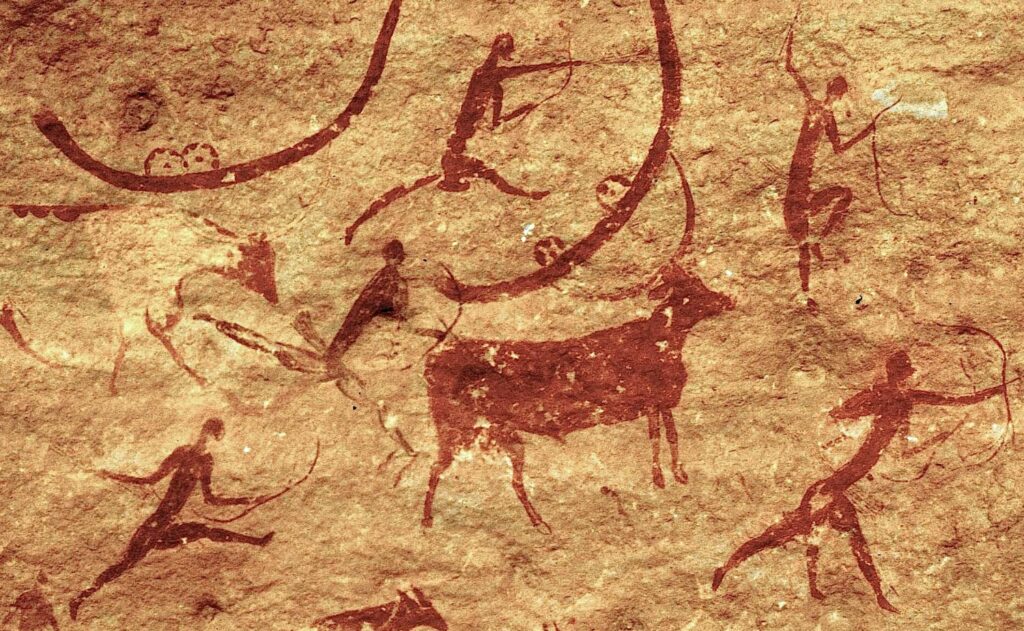
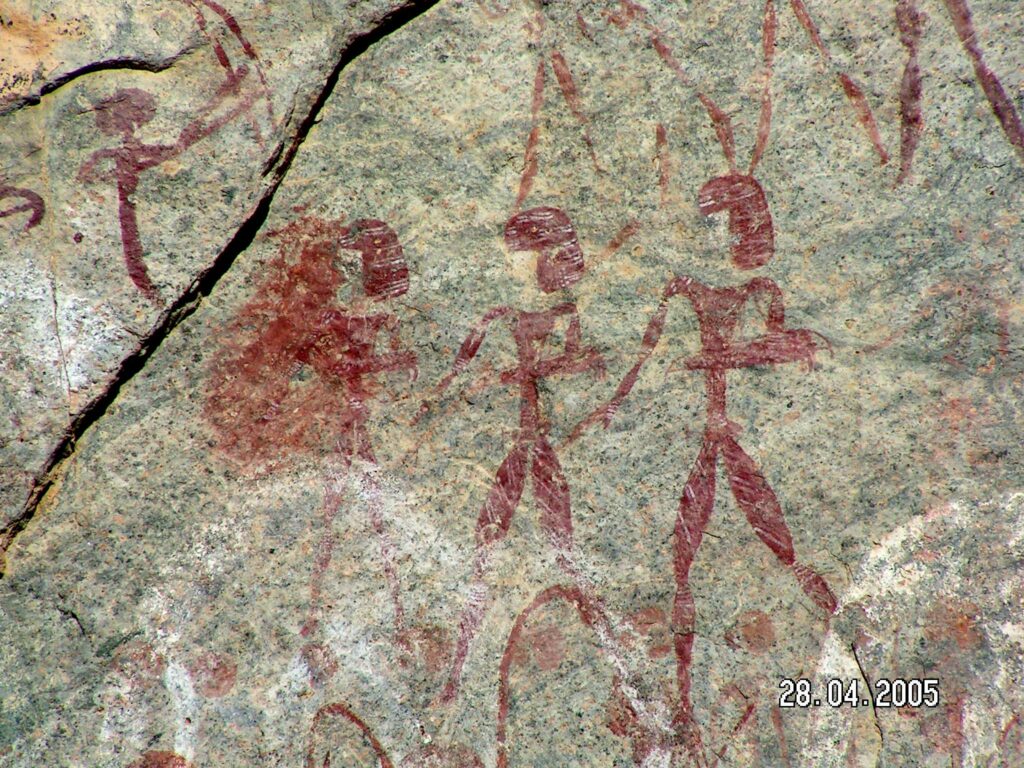
Discussing the meanings behind Namibian rock art, Zboray highlighted the Shamanists approach proposed by South African archaeologist David Lewis-Williams. “He actually based his theory on recent ethnographic records of San people, which may be valid for some restricted parts of Southern African rock art. However, using this theory as a general explanation for rock art is way off the mark. The problem lies in the absence of written records,” Zboray explained.
According to Lewis-Williams, the walls of shelters, as well as holes and irregularities in the rock surface, may have been perceived as entrances to the spirit world for the San people. “The ritual act of painting lured those images through the rock face and fixed them there for all to see. Even unpainted rock may have been as pregnant as silences in music,” wrote Lewis-Williams in his book “Through the Veil: San Rock Paintings and the Rock Face.”
Returning to his presentation, Zboray described Namibian rock art as a phase of human development. He noted that, in comparison, Namibian rock art predates pastoralism, primarily depicting hunter-gatherers, whereas Saharan rock art predominantly represents pastoralist cattle farmers. Zboray further mentioned that the earliest evidence of sheep in Namibia dates back approximately 2,000 years.
“Both in the Sahara and Namibia, the rock art is relatively recent. It belongs to the mid to late Holocene period, from the end of the ice age, around 12,000 BC to the present. We don’t have anything earlier than that,” clarified Zboray. He also highlighted that rock art in the Sahara was previously considered to be much older, with depictions of elephants, rhinos, and giant buffalos. However, recent findings indicate clear evidence of cattle pastoralists hunting giant buffalos. “Thus, the engravings in the Sahara, once thought to be very old, clearly belong to the pastoralists, dating back to 5,000 to 6,000 BC,” added Zboray.