
PICTURED: Some scenes from the countrywide demonstrations. Photos: contributed. 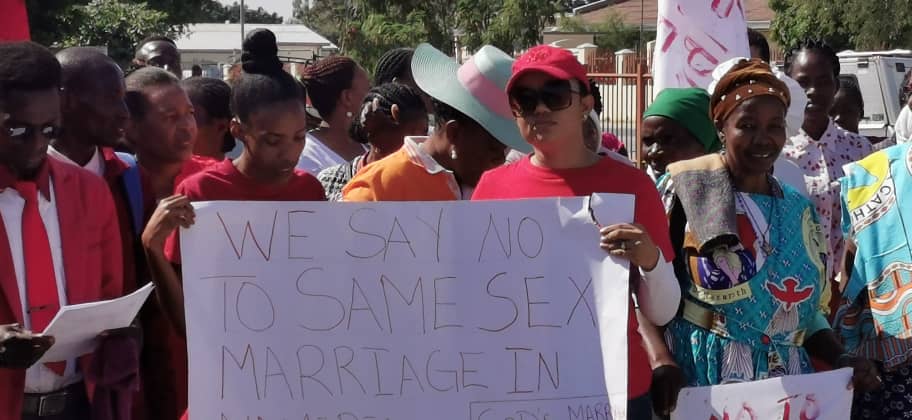
PICTURED: Some scenes from the countrywide demonstrations. Photos: contributed. 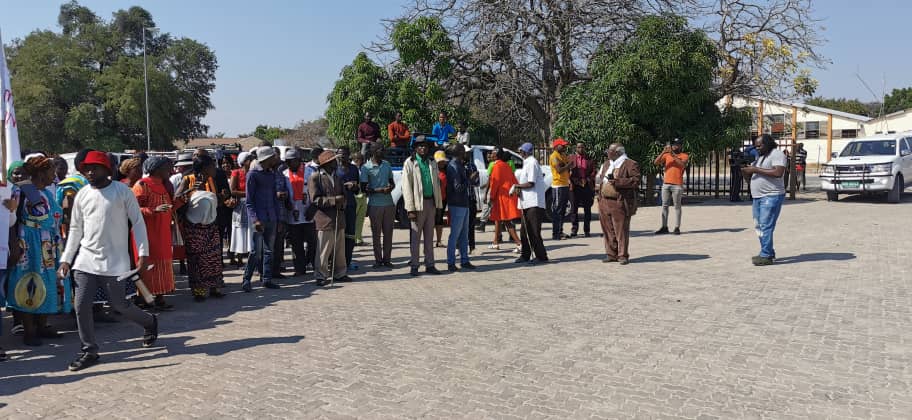
PICTURED: Some scenes from the countrywide demonstrations. Photos: contributed. 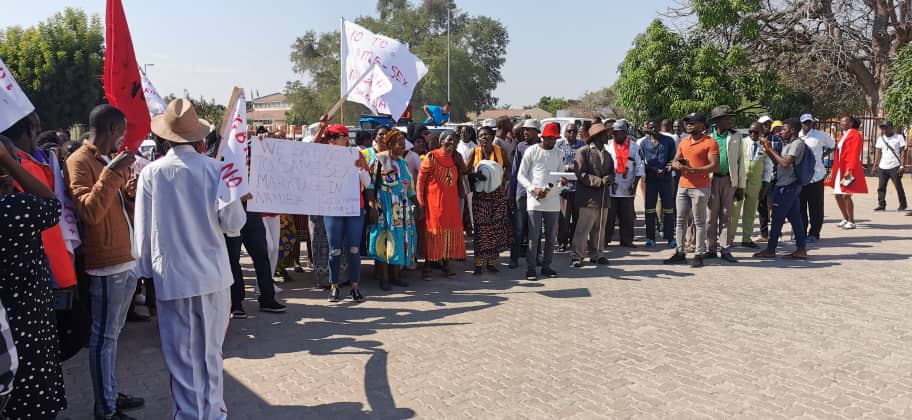
PICTURED: Some scenes from the countrywide demonstrations. Photos: contributed. 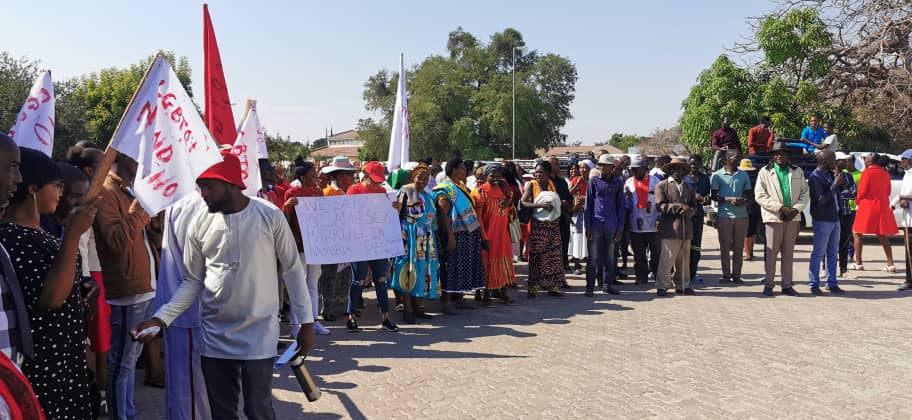
PICTURED: Some scenes from the countrywide demonstrations. Photos: contributed. 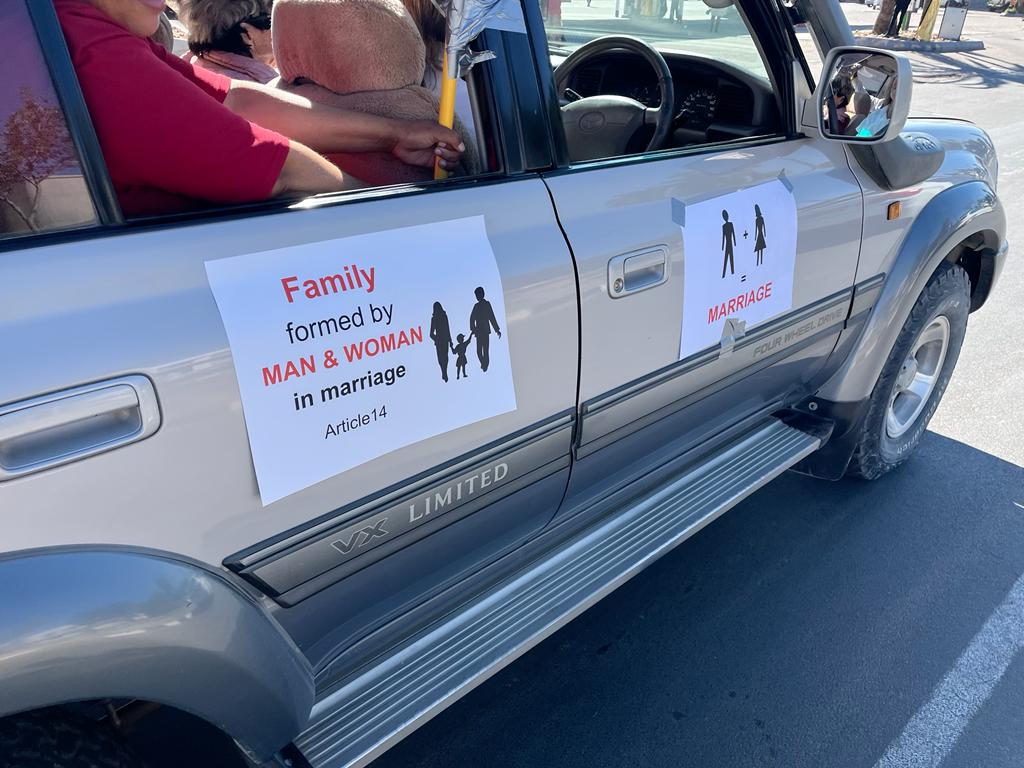
PICTURED: Some scenes from the countrywide demonstrations. Photos: contributed. 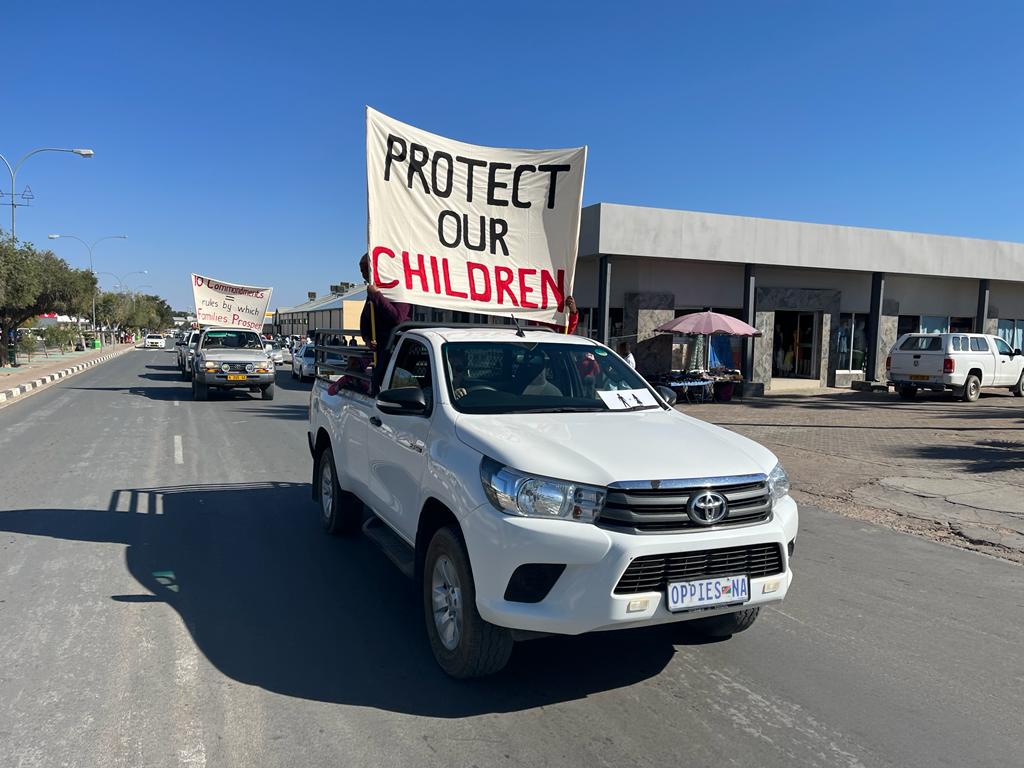
PICTURED: Some scenes from the countrywide demonstrations. Photos: contributed. 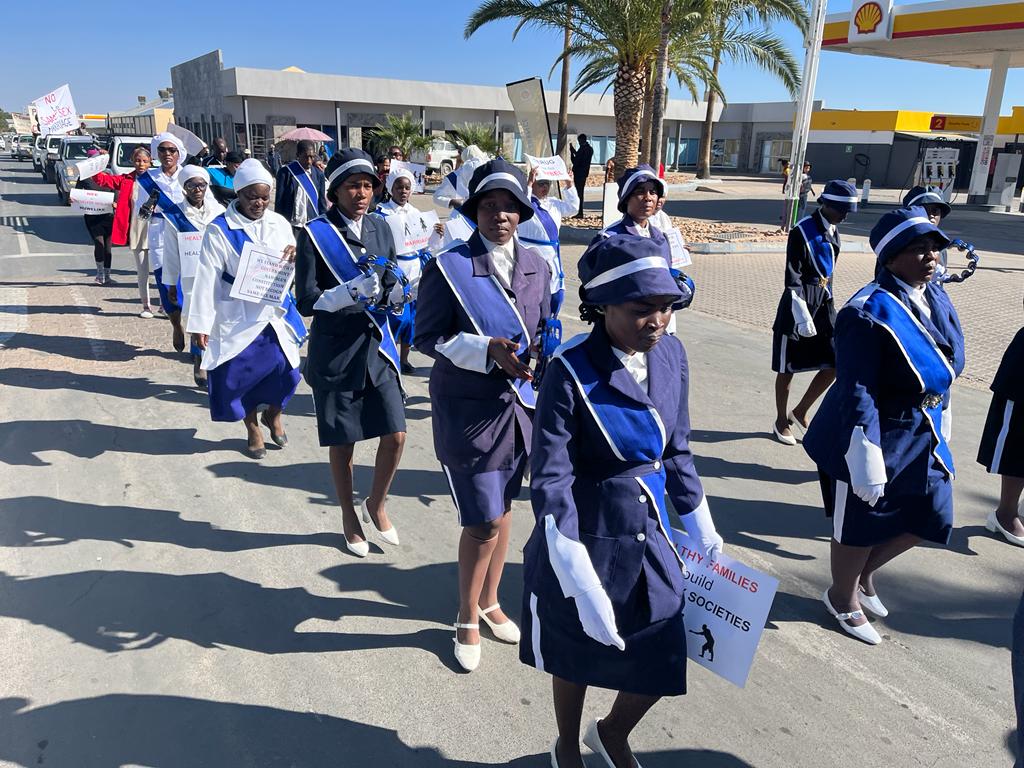
PICTURED: Some scenes from the countrywide demonstrations. Photos: contributed. 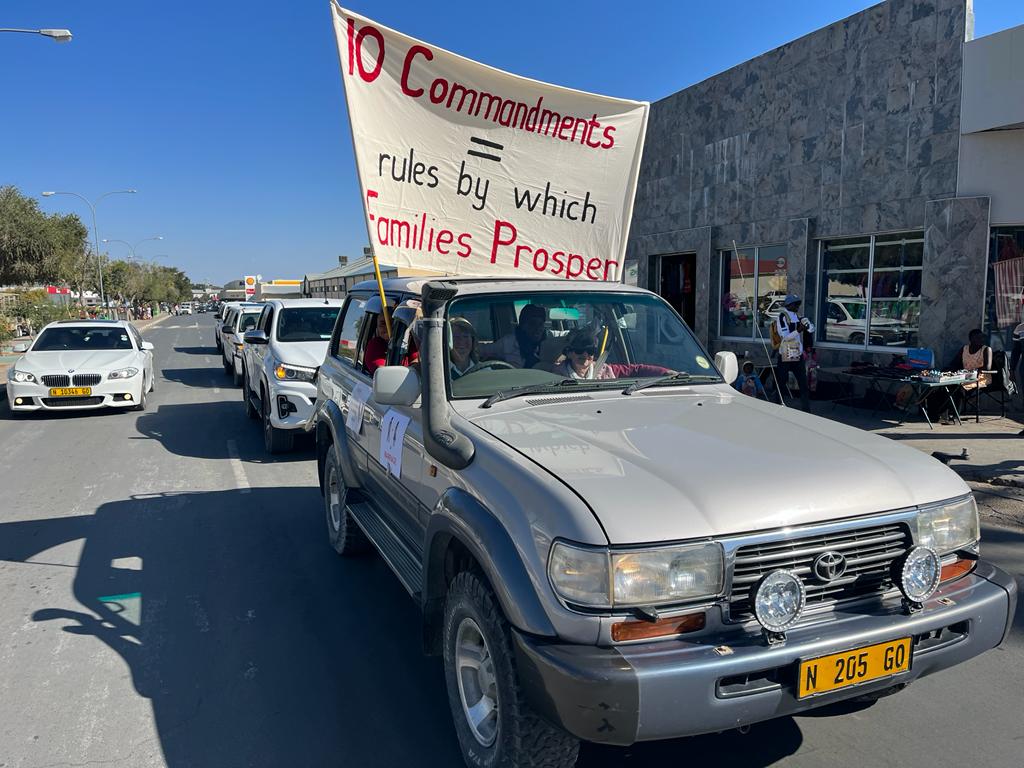
PICTURED: Some scenes from the countrywide demonstrations. Photos: contributed. 
PICTURED: Some scenes from the countrywide demonstrations. Photos: contributed. 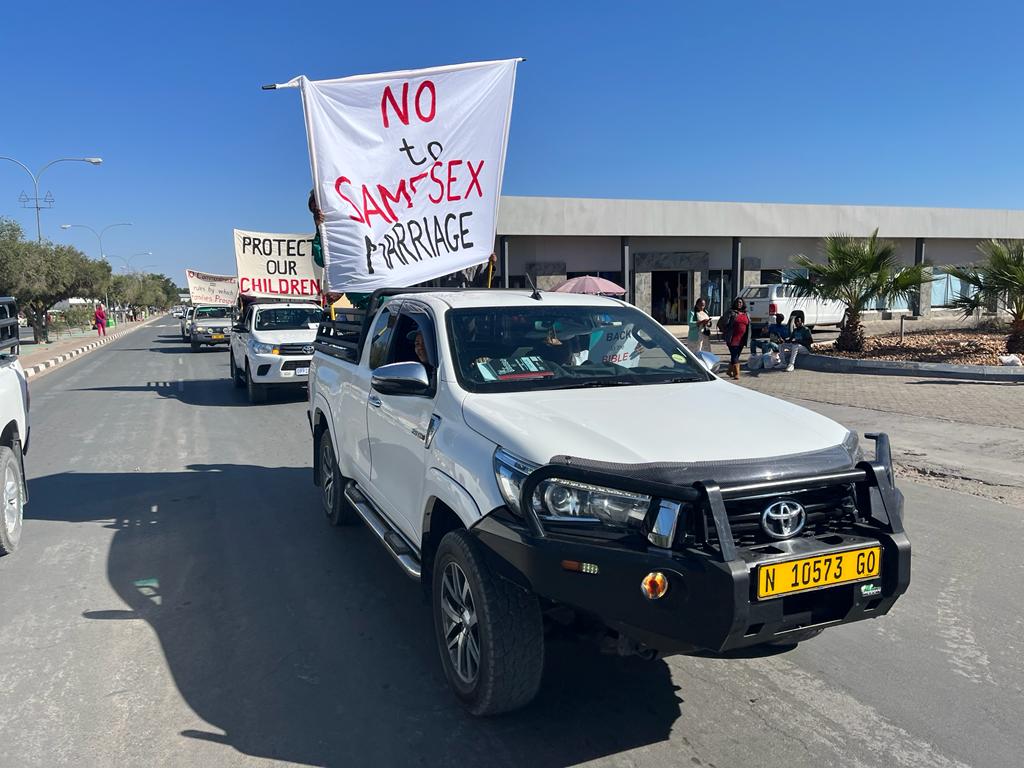
PICTURED: Some scenes from the countrywide demonstrations. Photos: contributed. 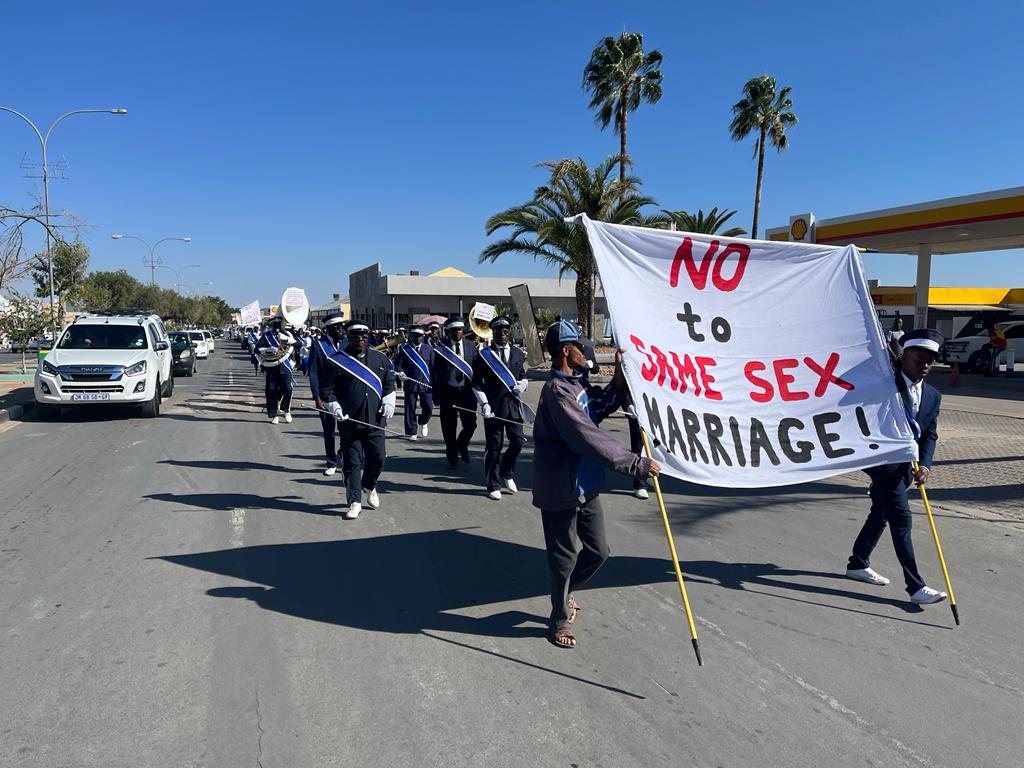
PICTURED: Some scenes from the countrywide demonstrations. Photos: contributed.
Staff Reporter
THE Christian Coalition of Churches in Namibia NGO held a nationwide protest today and delivered a petition with 25,000 signatures to the Ministry of Home Affairs and Parliament. The petition calls on the National Assembly to pass a law contradicting a Supreme Court ruling that recognizes same-sex marriages conducted abroad involving Namibians.
The demonstration in the capital saw nearly 150 people marching from the Ministry of Home Affairs, Immigration, Safety, and Security to Zoo Park.
At the gathering at Zoo Park, it is alleged that two persons with the LGBTQ rainbow flag were arrested by police. According to an unnamed source, the “gay supporters” came in the middle of the circle of protestors, waving their flag and grabbed one of the mobile speakers and tried to make a run for it, leading to their arrest.
Pastor Dr. Shirley Magazi read the petitions, which were received by Deputy Minister of Home Affairs Dr. Daniel Kashikola and Secretary of the National Assembly Lydia Kandetu.
In the petition to Parliament, Dr. Magazi stated that the Coalition presents this petition as an expression of its members’ desire to protect the family, as entrenched in Article 14 of the Namibian Constitution.
Article 14 Family states: “Men and women of full age, without any limitation due to race, colour, ethnic origin, nationality, religion, creed or social or economic status shall have the right to marry and to found a family. They shall be entitled to equal rights as to marriage, during marriage, and at its dissolution. Marriage shall be entered into only with the free and full consent of the intending. The family is the natural and fundamental group unit of society and is entitled to protection by society and the State.”
Dr. Magazi added that Article 14(3) places an obligation on society and the state to protect the family.
“The state, as defined by Article 1(3) of the Namibian Constitution, includes the Legislature. The Coalition, as the representative of Christian society, hereby petitions all parliamentarians to exercise their constitutional obligation as part of the state to protect the family by clarifying the definition of spouse in all statutory legislation in Namibia to mean a husband and wife legally married, specifically in section 2 of the Immigration and Controls Act 7 of 1993,” Dr. Magazi said.
She further emphasized that the Legislature is empowered by Article 81 of the Namibian Constitution to enact an Act of Parliament to contradict the current judgment of the Supreme Court, which undermines its role as the lawmaker.
“The judgment of Digasu does not represent the moral convictions, values, and aspirations of the Namibian people, and this was confirmed by the majority judgment under paragraph 84 of the judgment. Instead of referring the matter back to Parliament, the state organ empowered to make laws, the Supreme Court took it upon itself to dictate the values of the Namibian people,” Dr. Magazi said.
She added that the judgment further contradicts existing legislation in Namibia, enacted by this very parliament, as emphasized by Judge Mainga: “[146] What this finding failed to consider is that the laws of Namibia (including the Constitution of the Republic) do not recognize same-sex relationships and marriages.”
Examples of contradictory laws include the Sodomy Act, the Combating of Domestic Violence Act 4 of 2003, which defines domestic relations as excluding same-sex relations, and the Children’s Status Act 6 of 2006, which also defines marriages as excluding same-sex marriage.