Maria David
LIVESTOCK farmers in Namibia are grappling with the devastating effects of drought, forcing them to make tough decisions such as purchasing bales of grass or relocating their animals to areas with better grazing opportunities.
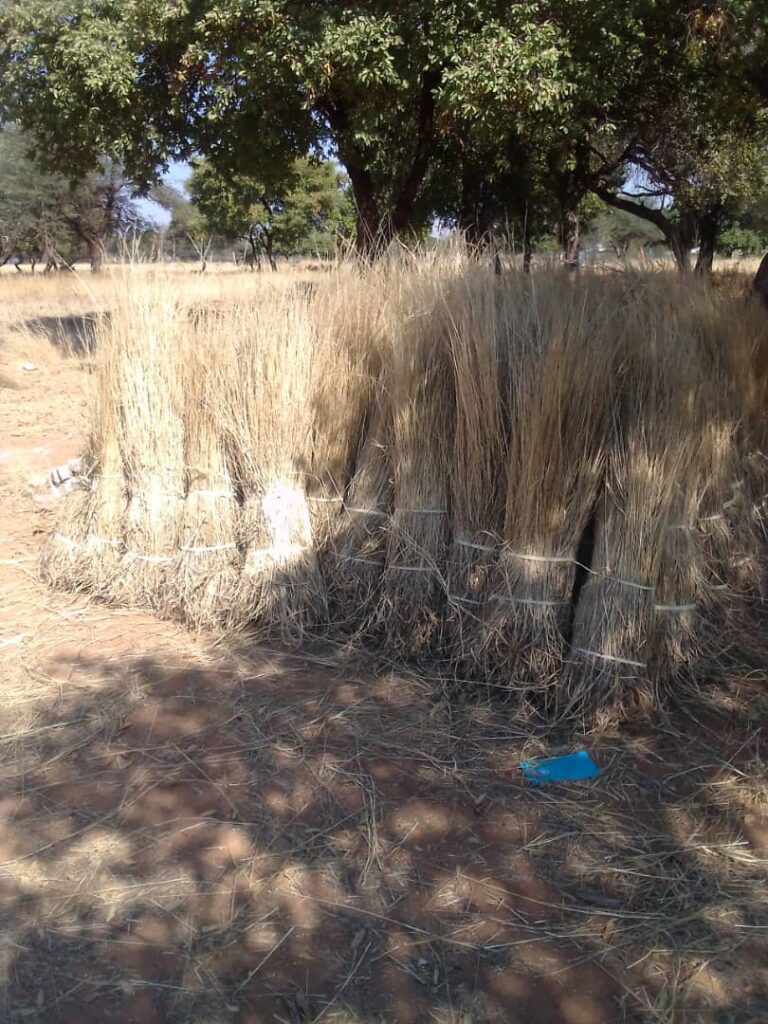
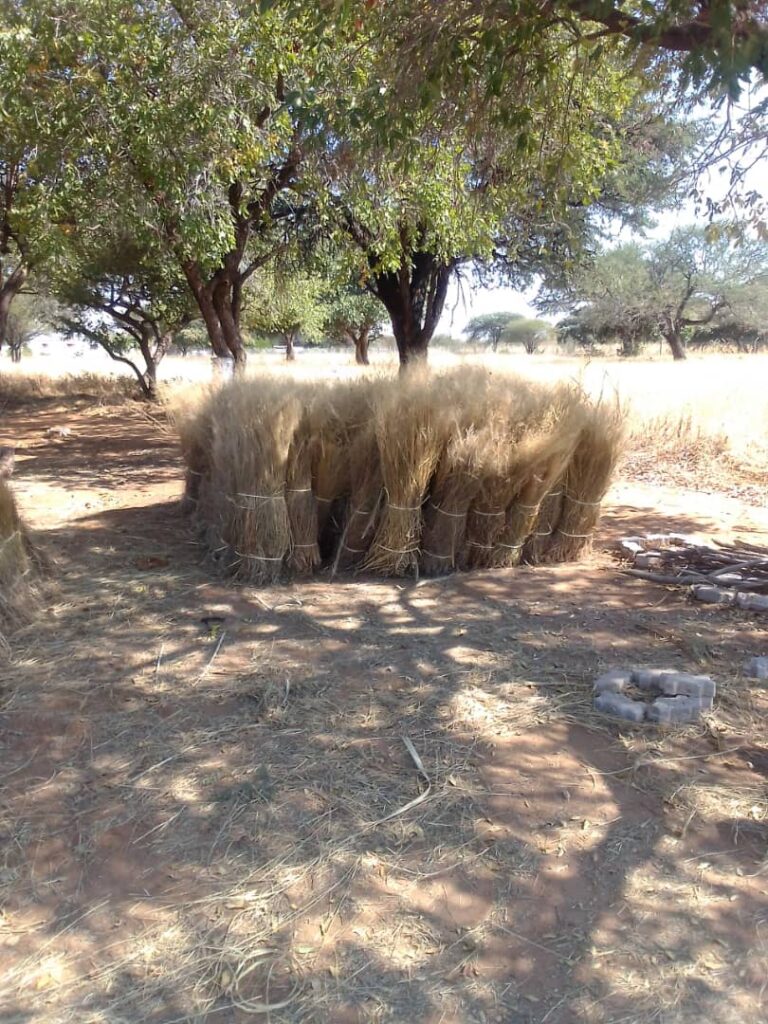
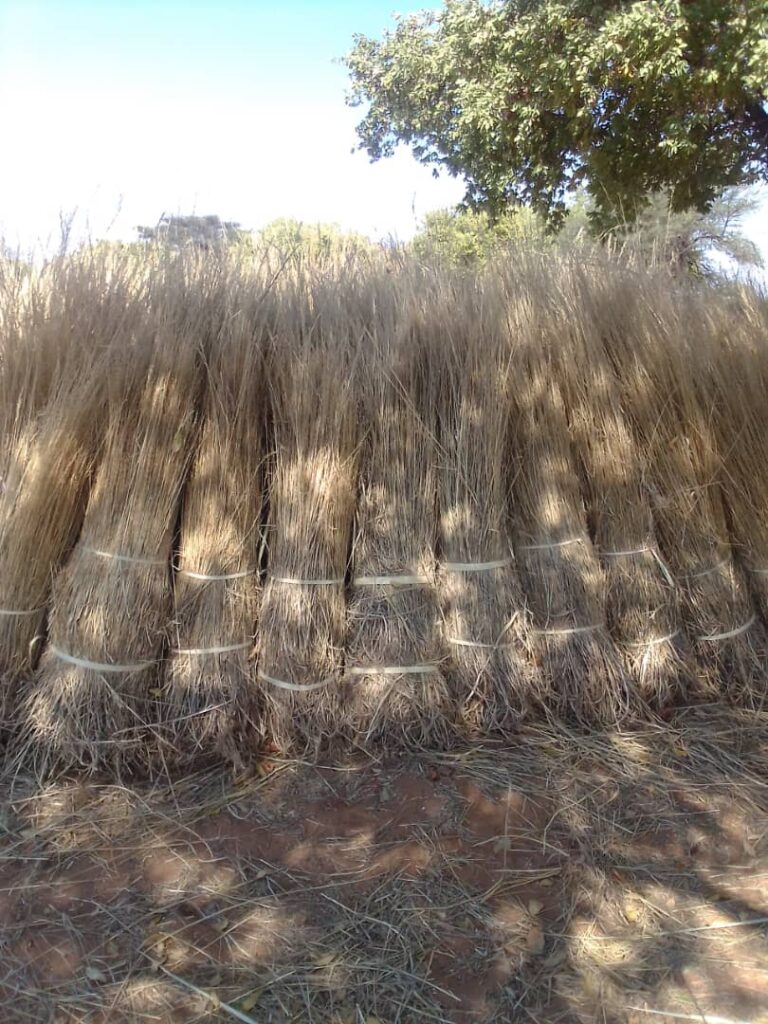
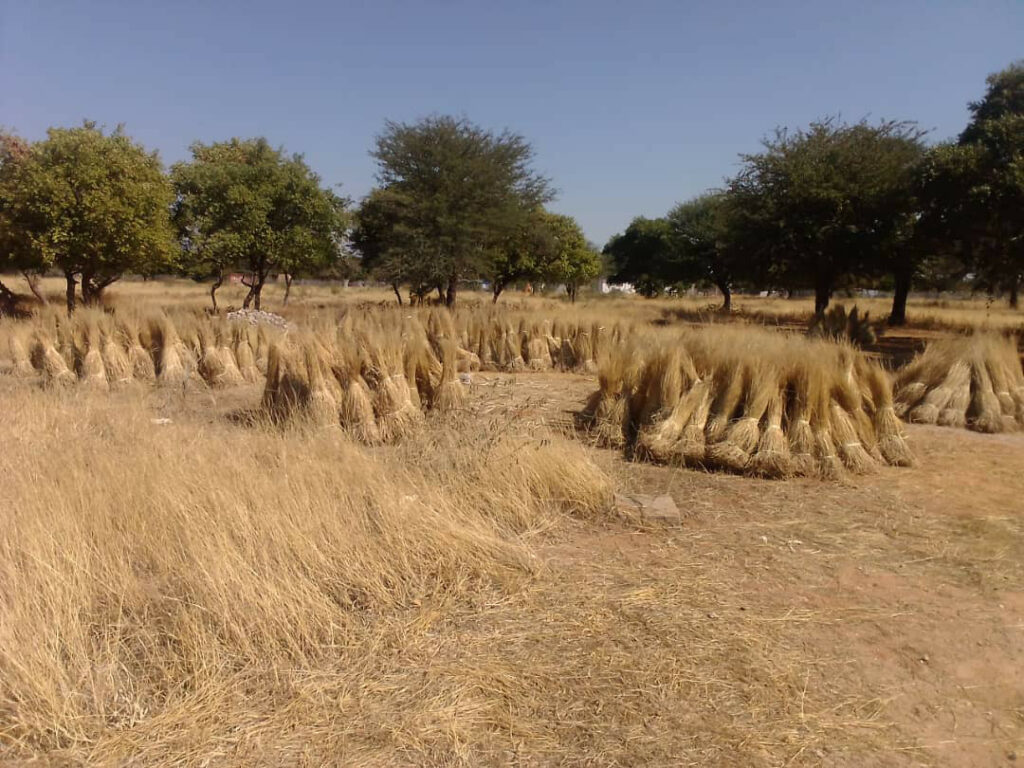
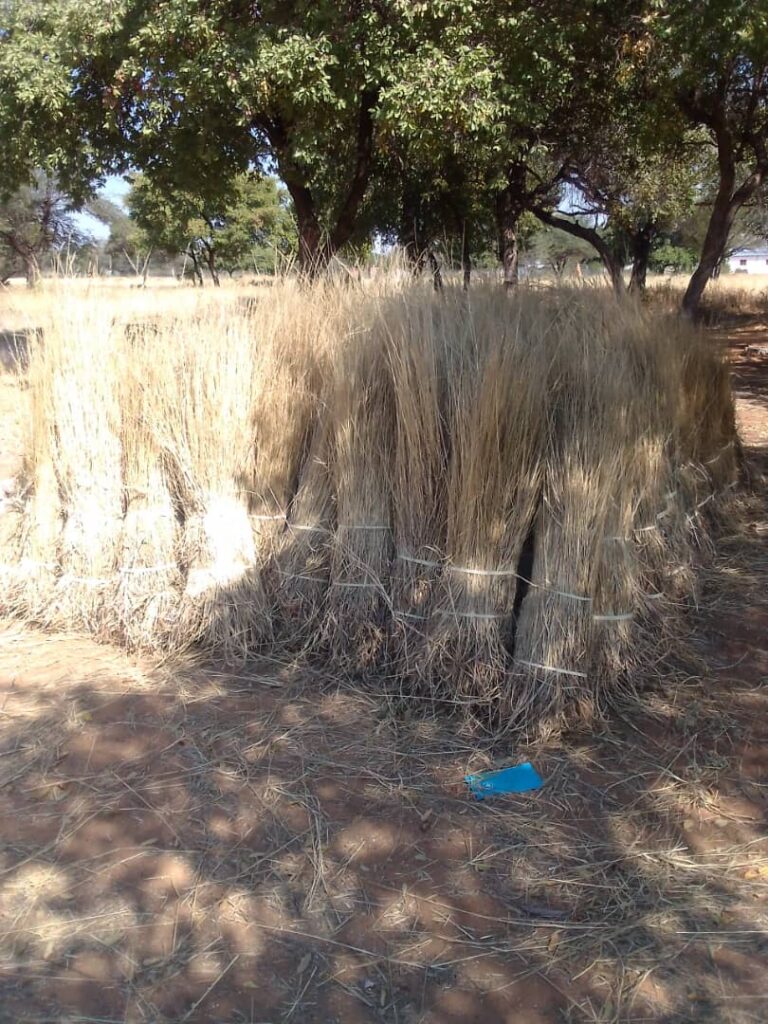
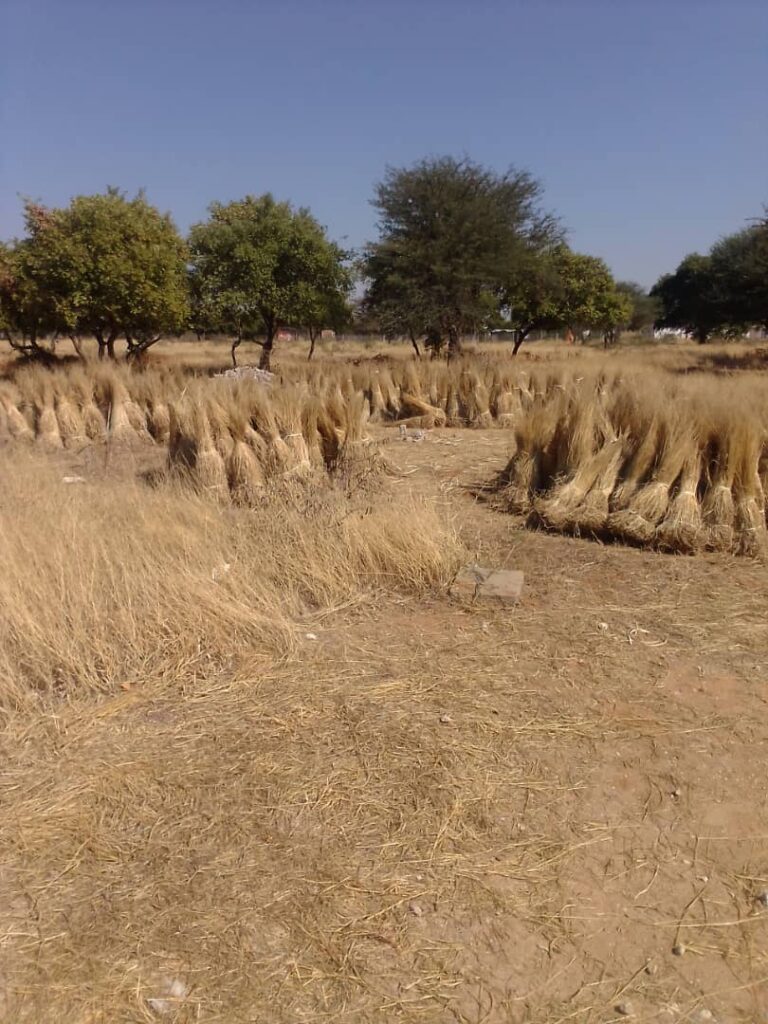
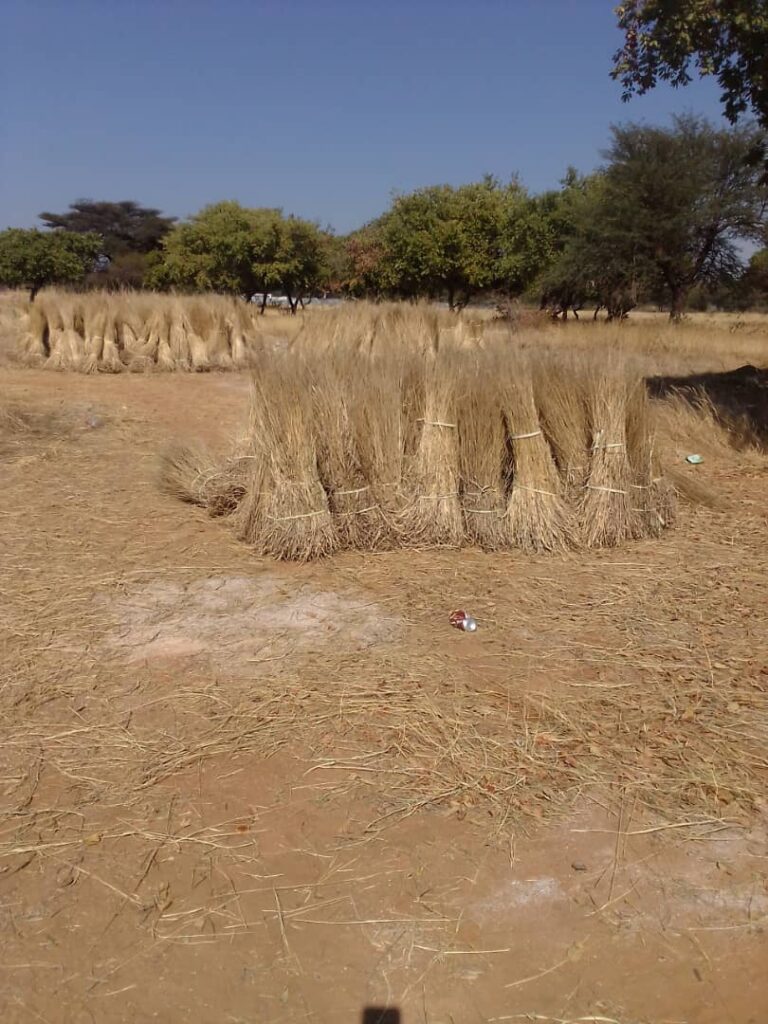
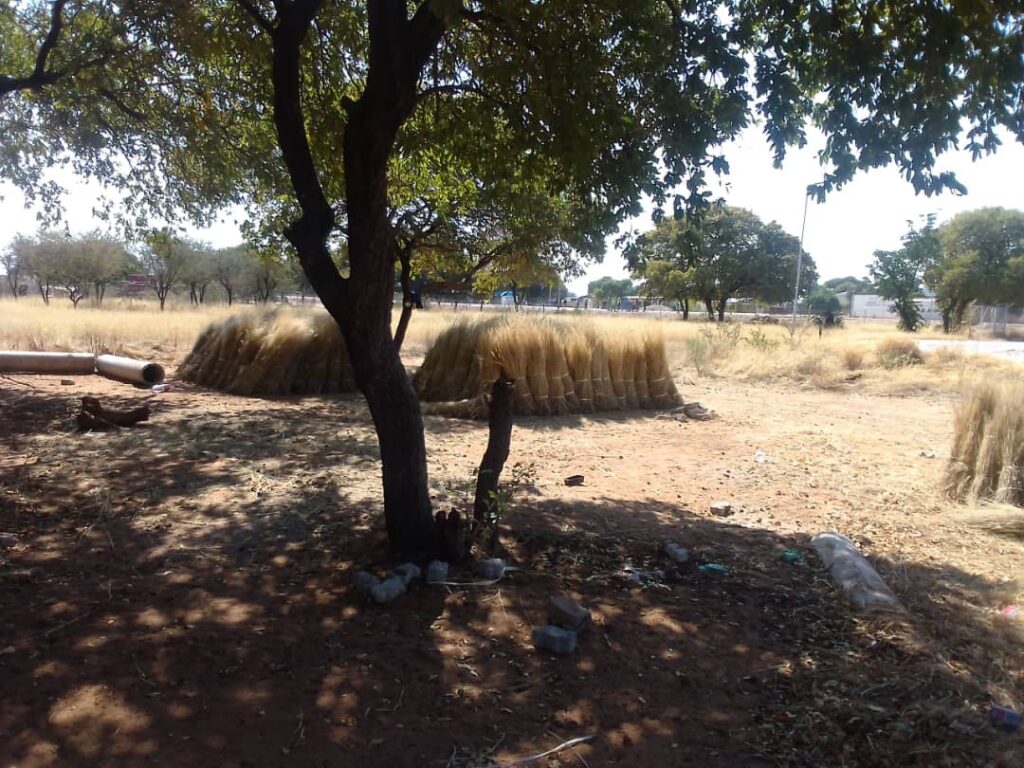
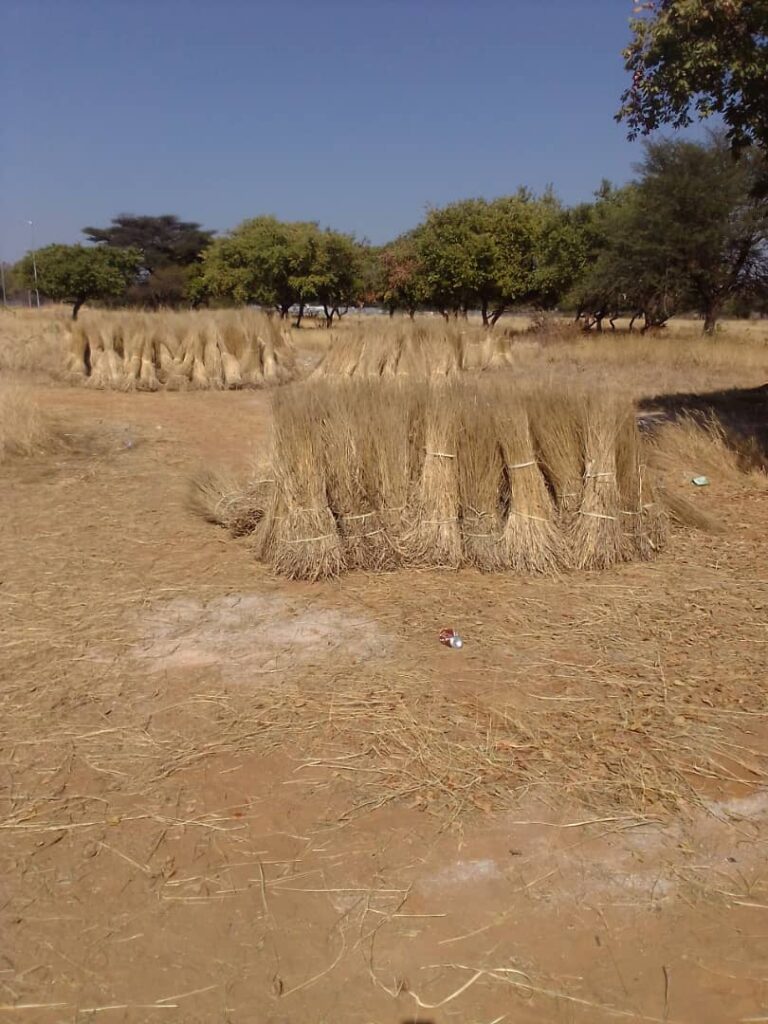
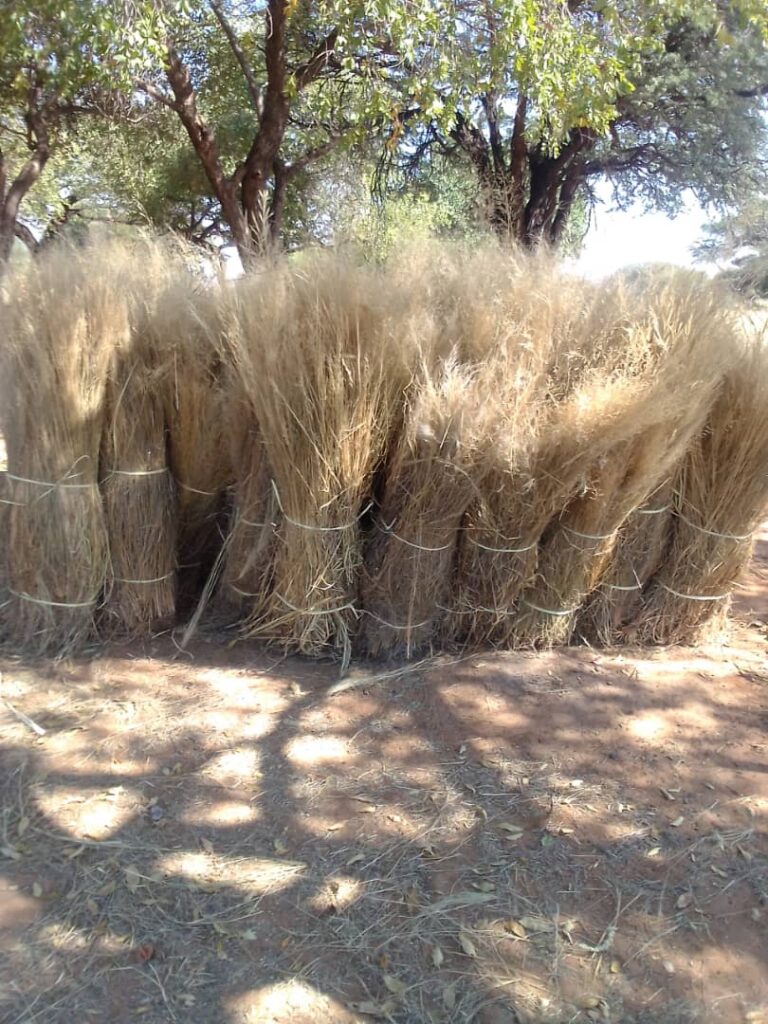
Along the B1 road, travellers are witnessing farmers attempting to buy displayed grass as they navigate their way to and from northern Namibia.
In March, the Ministry of Agriculture, Water, and Land Reform released a crop prospects and food security situation report, revealing that most parts of the country are experiencing distressing grazing conditions. This can be attributed to poor rainfall and dry spells that have characterized the 2022/2023 agricultural season.
However, the north-eastern regions of Zambezi, Kavango West, and Kavango East have fared relatively better, with grazing conditions reported to be much more favourable compared to the rest of the country, thanks to the relatively improved rainfall in those areas.
In Khomas and some parts of the Otjozondjupa region, grazing conditions are generally good, except for Okahandja, Tsumkwe, Gam, and Otjituuo constituencies, where grazing is reported to range from fair to poor.
The report also highlights that the North Central regions (Omusati, Oshana, Ohangwena, and Oshikoto) have experienced poor to fair grazing conditions. These regions have witnessed sporadic rainfall and severe dry spells, with farmers noting that substantial rainfall was only received in January since the beginning of the season.
Farmers in the northern communal areas are now compelled to collect and sell grass to provide sustenance for their animals. Petrus Mwayelange, a farmer in Oshivelo, said that he sells a bale of grass for N$10, which is the prevailing price among most farmers. However, Mwayelange expressed concerns about declining sales, as the summer months from August to October are typically the busiest.
While some farmers who are in proximity to people and farms can attract customers more easily, those situated further away face challenges in reaching potential buyers. Consequently, the cost of travelling to the market to arrange for grass has increased for many farmers.
The drought situation in Namibia is placing significant strain on livestock farmers, who are grappling with the scarcity of grazing resources and the financial burden of sourcing alternative feed for their animals.