Staff Reporter
THE country’s western and northern regional and town councils have been rated as the best-performing councils in the country by the Institute of Public Policy Research (IPPR).
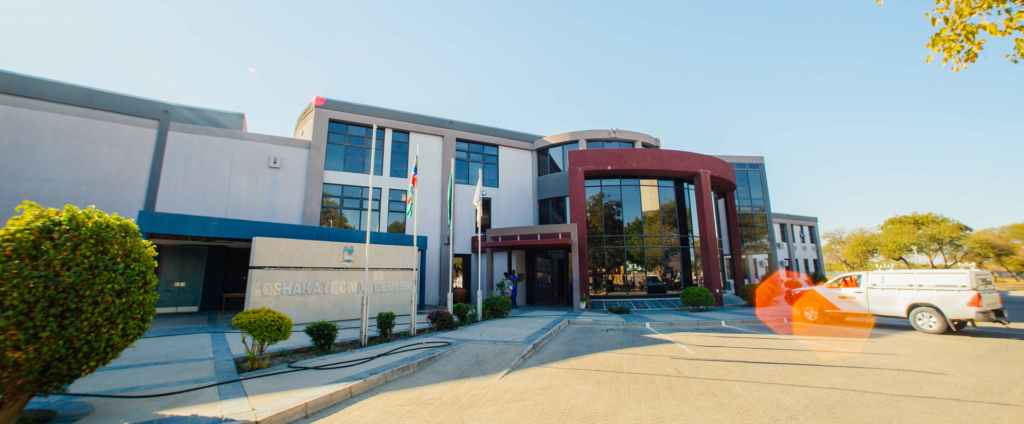
These councils include the Erongo, Kunene, Oshikoto, Oshana and Kavango West regional councils as well as the Swakopmund, Walvis Bay and Oshakati town councils.
The ratings were shared in the IPPR’s recently released assessment titled “Local and regional government in Namibia annual governance assessment”. According to IPPR’s researcher, Kitty Mcgirr, the assessment looked at 14 regional councils and 18 additional local authorities, focusing mainly on municipalities and larger town councils where institutional capacities are more established. The assessment aimed to evaluate the councils’ transparency and accountability levels exhibited between 1 September 2020 and 30 August 2022.
The IPPR rated the councils according to their online presence, e-governance, participatory democracy, fiscal transparency, service delivery as well as corruption, mismanagement and misconduct incidences.
According to the IPPR, all five of the aforementioned regional councils provide informative and relevant data on social media and on their websites, which allows for easy engagement and community involvement. The IPPR also pointed out that, unlike the other councils, the Oshikoto Regional Council reported no incidents of corruption, mismanagement and misconduct during the period under review.
The Swakopmund and Oshakati town councils were also identified as having professional, easy to navigate websites that ultimately enhances e-governance processes. Besides this, IPPR indicated, the Oshakati Town Council also prioritises service delivery and subnational development as the council shares its annual service progress in the Town Council’s Quarterly newsletters. However, these newsletters were only issued last year.
Unlike the Swakopmund and Oshakati town councils, the Walvis Bay Town Council has an outdated website, according to IPPR. However, IPPR revealed that the council is one of the most transparent. Information regarding the council agendas, speeches and activity reports are readily accessible and ordinary council meetings are often livestreamed on Facebook.
While none of the southern regional and town councils made the best-performing list, three southern councils were listed as the worst-performing. These include the //Kharas Regional Council, Karasburg Town Council and the Mariental Town Council. Several corruption, mismanagement and misconduct incidences were listed as contributing factors for these ratings.
The Okahandja Town Council as well as five northern councils were also listed on the worst-performing list. The northern councils include the Kavango East and Zambezi regional councils as well as the town councils of Katima Mulilo, Outapi and Rundu.
Okahandja Town Council’s serviced land shortages and land grabbing incidents were highlighted as a factor that compromised the council’s service delivery and subnational development.
The Kavango East Regional Council’s poor rating can be attributed to the council’s poor online presence and a lack of trust in Councillor Filiphus Mavara, who was accused of selling land without the community’s consent and failing to combat unfair labour practices.
Zambezi Regional Council’s lack of institutional support for communities impacted by the Botswana Defence Force (BDF) killings was highlighted as one of the factors that impacted the council’s poor rating.
The assault allegations against the Chief Executive Officer (CEO) of the Katima Mulilo Town Council, Raphael Liswaniso, contributed to Katima Mulilo Town Council’s poor rating. IPPR also highlighted Outapi Town Council’s water provision struggles last year and Rundu’s sewage overflows and poor-quality roads as some factors that significantly compromised service delivery in these towns.