Maria David
THE Ombudsman Basilius Dyakugha said albinism is part of human diversity, hence the discrimination against those living with it should come to an end.
Dyakugha, who was speaking during the presentation of a report on issues faced by persons with albinism in Namibia launched at Ongwediva on Monday, urged Namibians to respect and support people living with albinism as it’s not a disability.
He said albinism knows no boundaries and it occurs in all races and ethnic groups throughout the world.
“It can also affect any species from land and marine mammals to birds, reptiles and even plants,” he said.
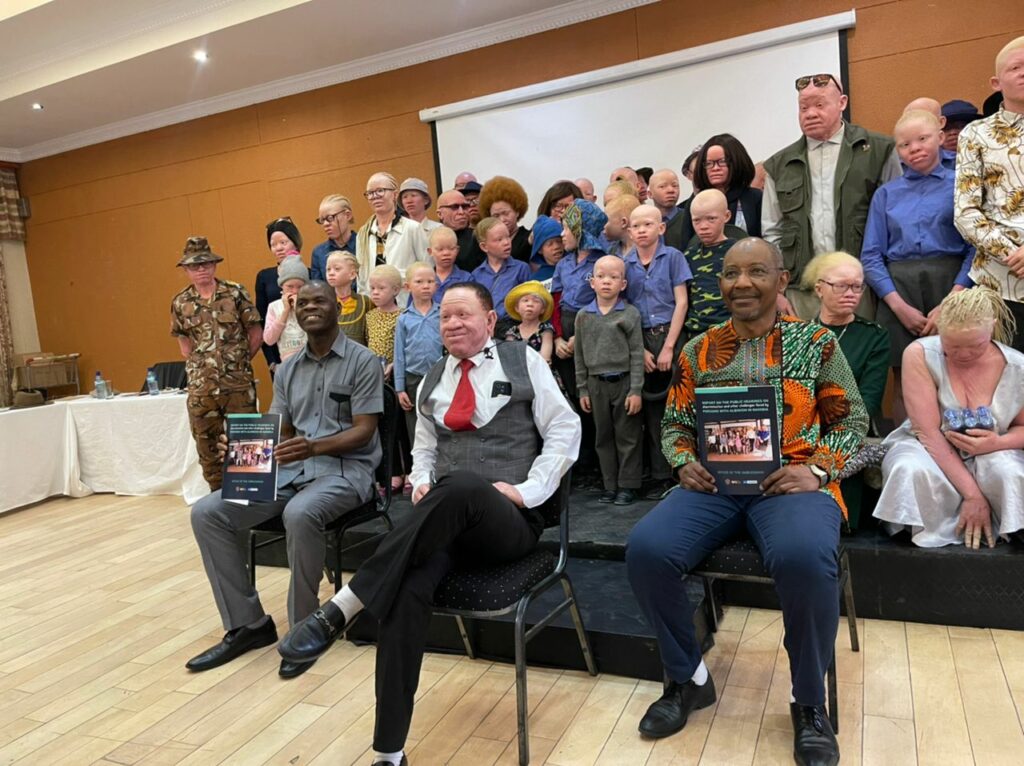
LAUNCHED: The Ombudsman and UNESCO launched a report on issues faced by people with albinism. Photos: Maria David. 
LAUNCHED: The Ombudsman and UNESCO launched a report on issues faced by people with albinism. Photos: Maria David. 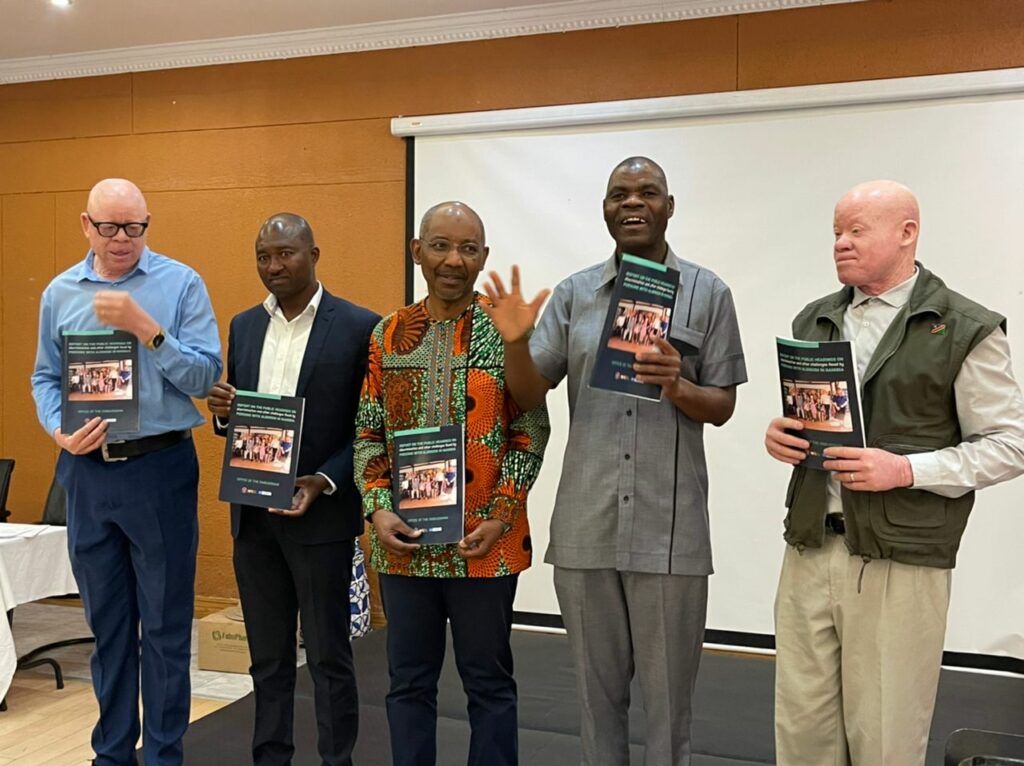
LAUNCHED: The Ombudsman and UNESCO launched a report on issues faced by people with albinism. Photos: Maria David. 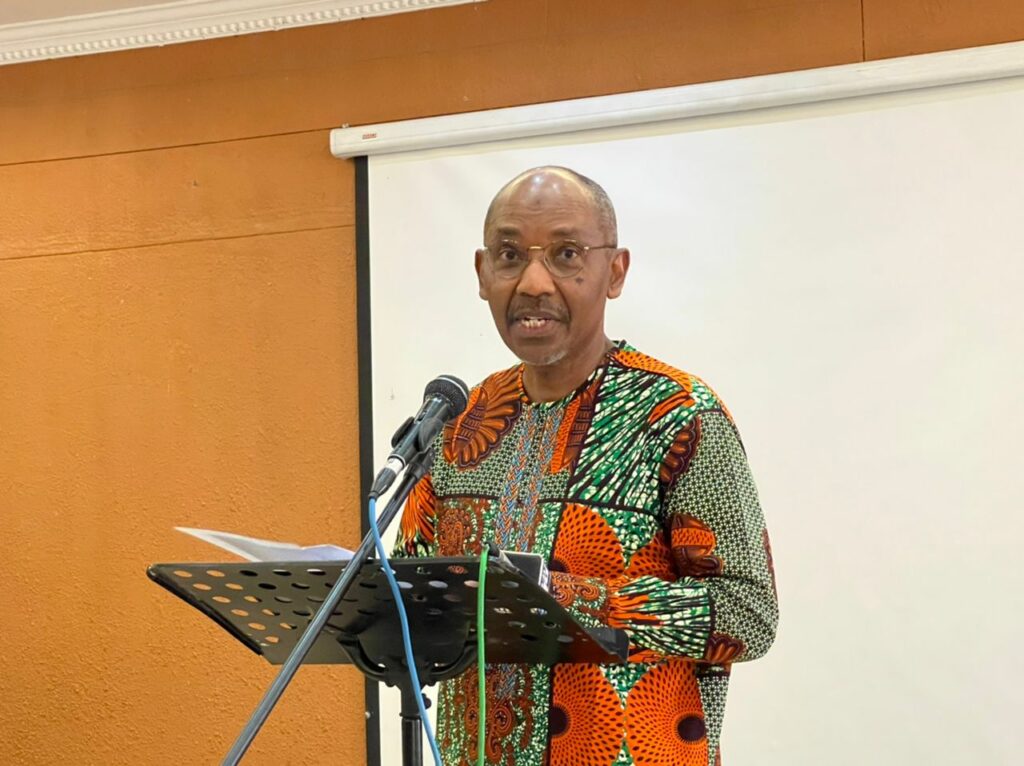
LAUNCHED: The Ombudsman and UNESCO launched a report on issues faced by people with albinism. Photos: Maria David. 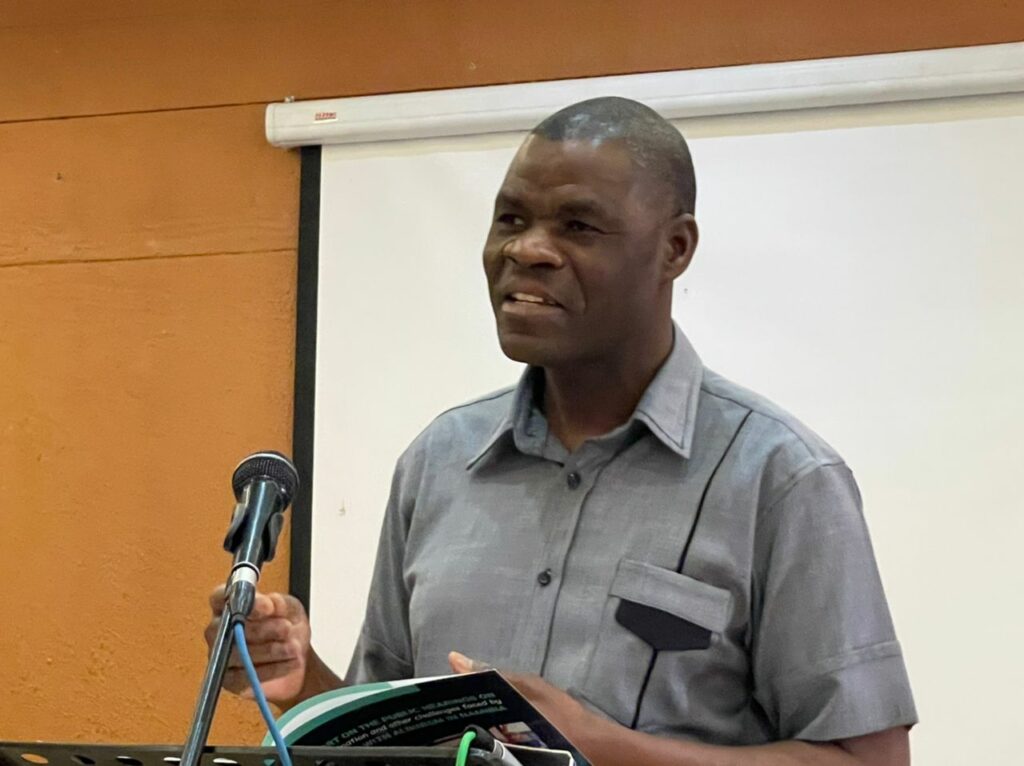
LAUNCHED: The Ombudsman and UNESCO launched a report on issues faced by people with albinism. Photos: Maria David.
He added that those living with albinism face many challenges such as discrimination, they can be denied decent jobs and places in schools and being victims of violent attacks.
Dyakugha stressed that to end the human rights violations of people with albinism, start by addressing the legal vacuum when it comes to the trafficking of body parts.
The report, which was launched in partnership with the United Nations Educational, Scientific and Cultural Organisation (UNESCO), focuses on highlighting issues and giving recommendations for more awareness campaigns for the public and service providers on people with albinism.
Dyakugha then called upon the government and other stakeholders to address the root causes such as the myths and misbeliefs about the people with albinism.
On his part, UNESCO representative to Namibia Djaffar Moussa-Elkadhum, said despite eternities of its occurrence globally across gender and ethnicity, albinism as a rare, non-contagious, genetically inherited condition, remains profoundly misunderstood socially.
As a result, Moussa-Elkadhum said persons with albinism face numerous challenges from being often denied equal access to healthcare, justice, social protection, education and employment opportunities, which directly and unfairly hinders their fundamental human rights to participate and contribute in all aspects of life and society.
He stated that the overarching objective of the Regional Action Plan (2017-2021) was to monitor the true impact of efforts to protect and integrate persons with albinism by multiple stakeholders across Africa, which Namibia is no exception.
Moussa-Elkadhum said the plan consisted in specific measures to realise the enjoyment of peace and human rights by persons with albinism under four pillars which are: prevention, protection, accountability and equality and non-discrimination.
He then called on youth and civil society organisations to engage and join the efforts of the Africa Albinism Network to promote and advance an inclusive and just world for persons with albinism, free from brutality and discrimination.
LAUNCHED: The Ombudsman and UNESCO launched a report on issues faced by people with albinism. Photos: Maria David.