Maria David
LACK of access to safe water and sanitation disproportionately continues to affect women and girls in Namibia.
Hence, managing menstruation in a hygienic way is especially challenging since it requires adequate sanitation facilities.
This was stated by Ohangwena governor Walde Ndevashiya at the handover of 6 912 sanitary pads received from the Office of the President to the directorate of education at Mwadikange Kaulinge Senior Secondary School on Monday.
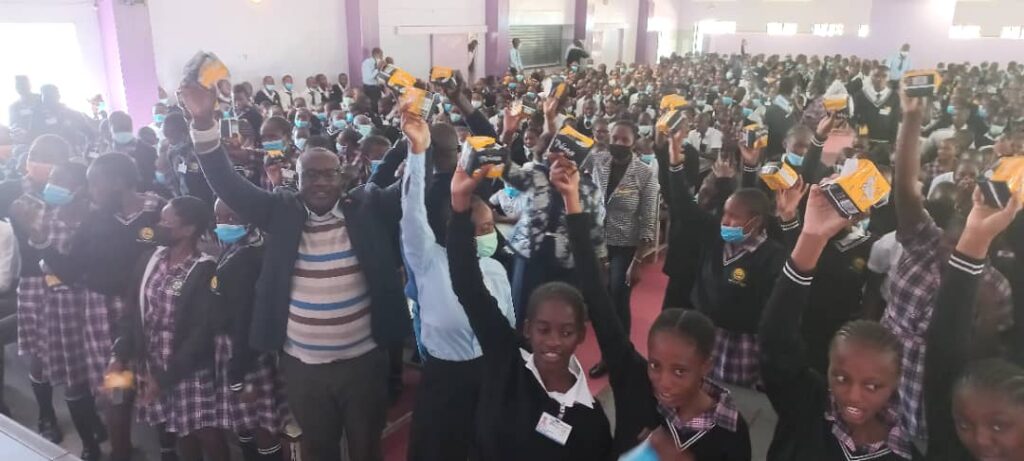
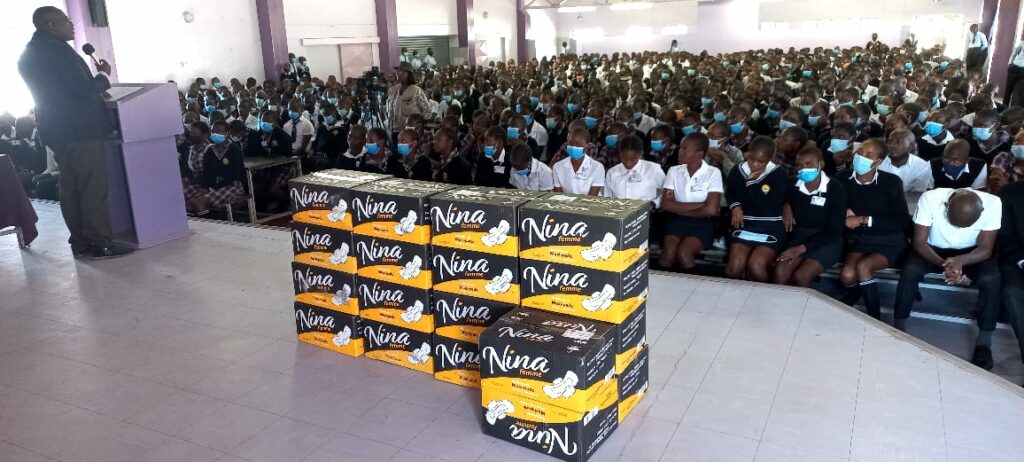
World Menstrual Hygiene Day is held on 28 May to highlight the importance of menstrual care and aims to raise awareness about the social issues and challenges faced by women during menstruation.
It also highlights how many women don’t have access to sanitary products and care.
Ndevashiya stated that poor menstrual hygiene resulted from the lack of education on the issue, persisting taboos and stigma, limited access to hygienic menstrual products and poor sanitation.
“Menstruation is a normal biological process and a sign of reproductive health, yet in many countries, including Namibia, it is still viewed as a taboo subject,” he said.
“In fact, in several parts of the world, menstruation is still perceived as something shameful and utterly private,” he added.
Ndevashiya stated that the donation should signify and highlight the importance of good menstrual hygiene and management not only at a global level but also at regional level in the country.
Pads are donated by the Office of the President to all 14 regions as part of addressing menstrual poverty and distributed by the Ohangwena Directorate of Education, Arts and Culture to identified schools in the region.