Staff Reporter
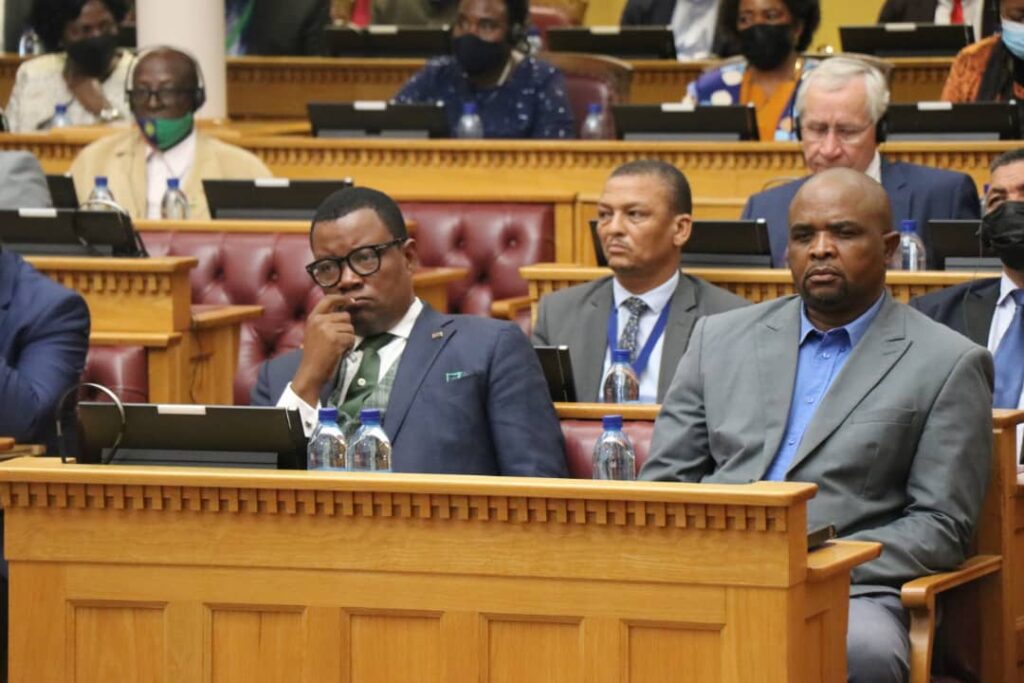
THE value of disability grants are increased from N$250 per month to N$1 300 per month and will be effective from the 2023 financial year, President Hage Geingob announced at his eighth State of the Nation Address (SONA), which was held in what many consider a dignified and constructive atmosphere compared to previous years’ events.
For the benefit of those who could not watch the live broadcast of the address, the president’s speech is published in full at the end of this report.
According to the president, 20% of the population, translating to about 500 000 people, receive government grants in one way or the other. He stated that the government spends more than N$412 million per month on Social Safety Nets and an additional N$160 million on Drought Relief per annum.
Photos: George Sanzila/Samuel Shinedima 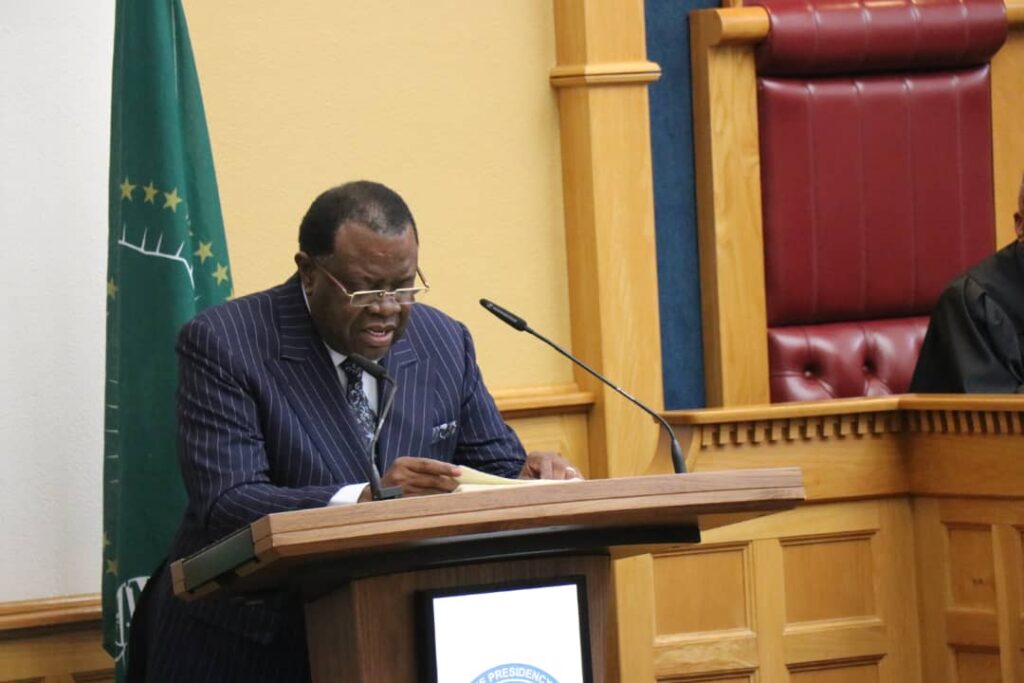
Photos: George Sanzila/Samuel Shinedima 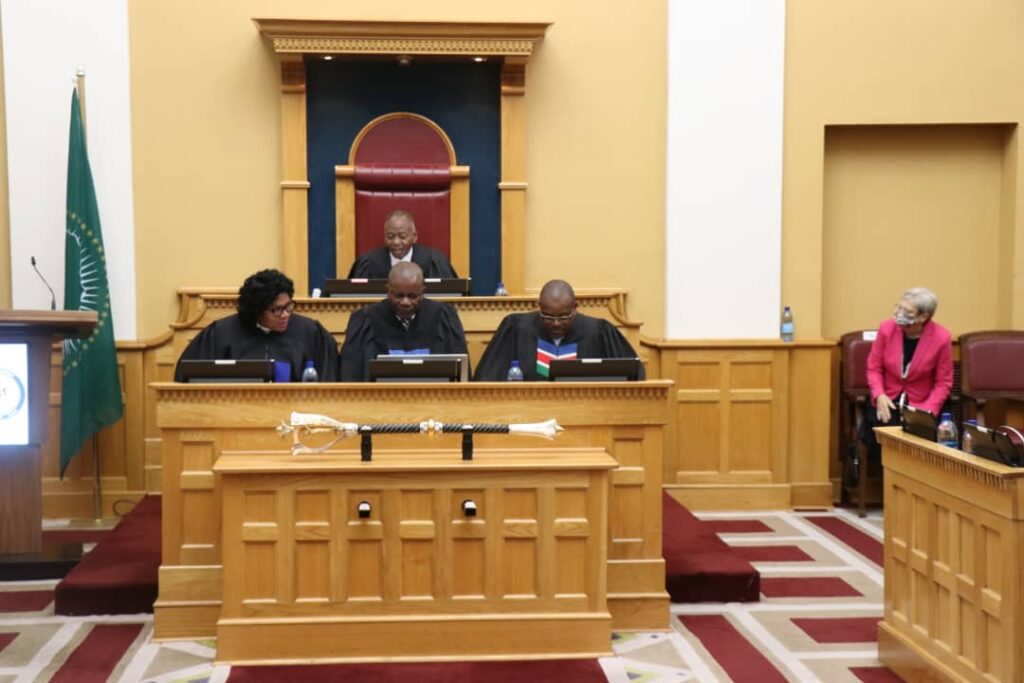
Photos: George Sanzila/Samuel Shinedima 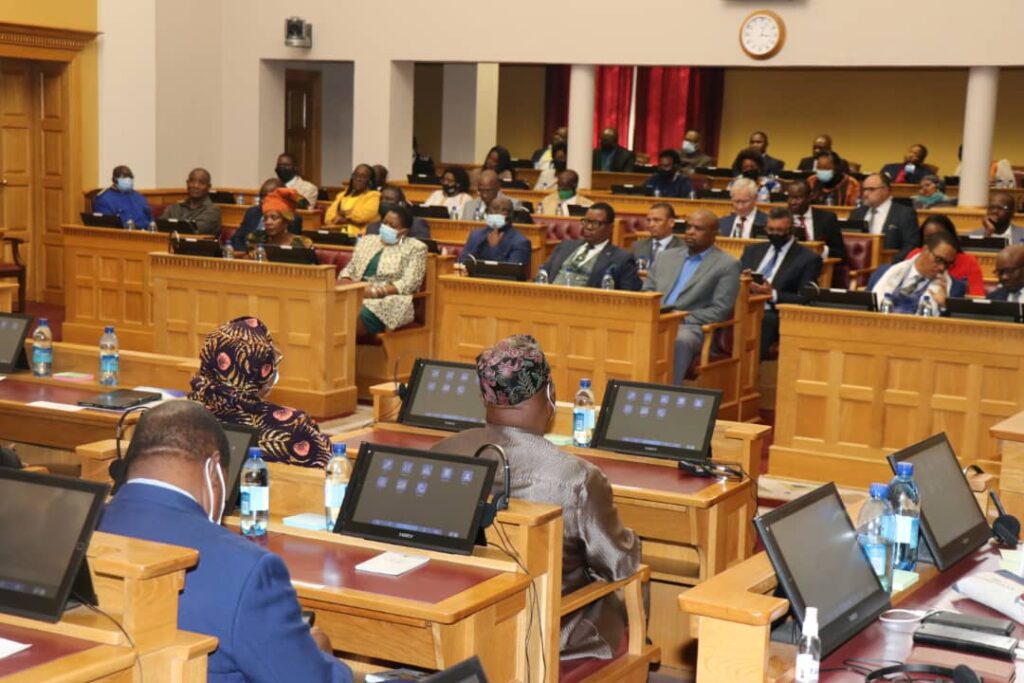
Photos: George Sanzila/Samuel Shinedima 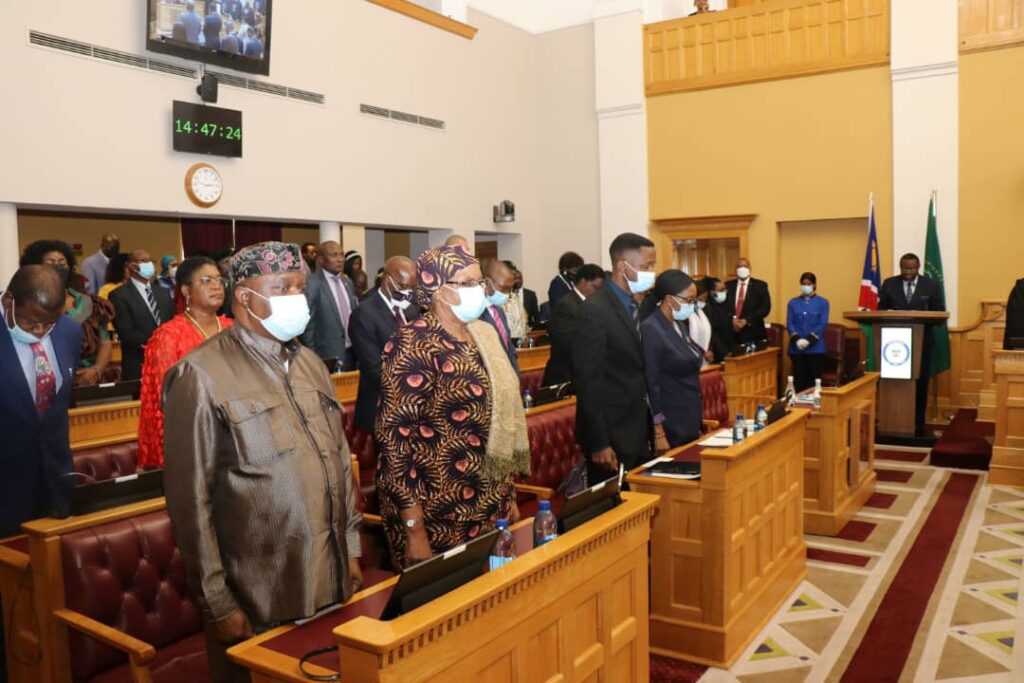
Photos: George Sanzila/Samuel Shinedima 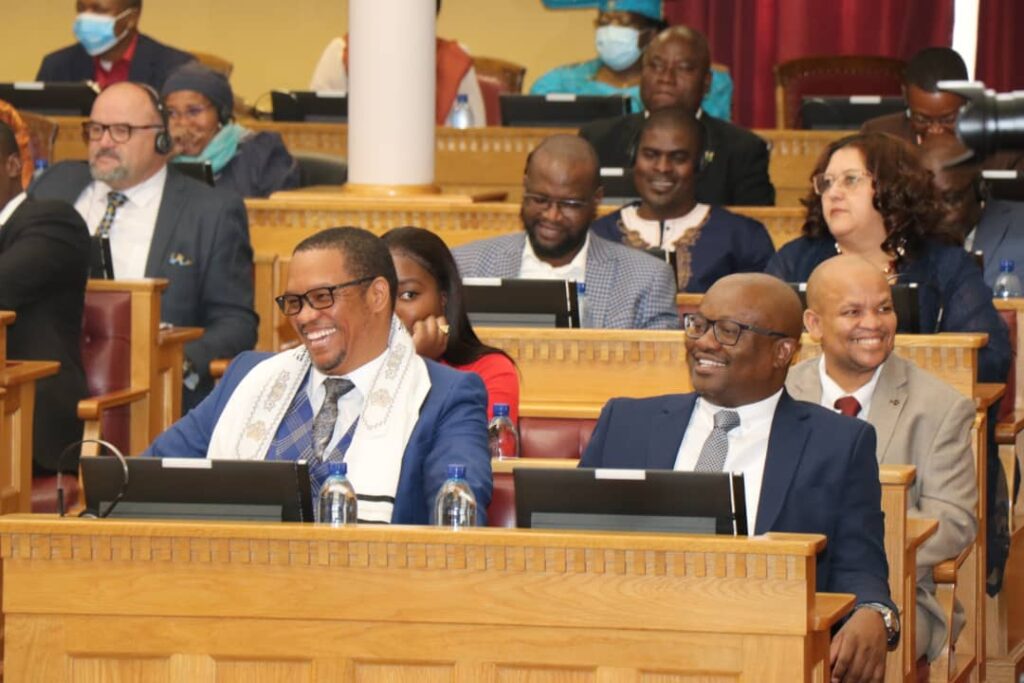
Photos: George Sanzila/Samuel Shinedima 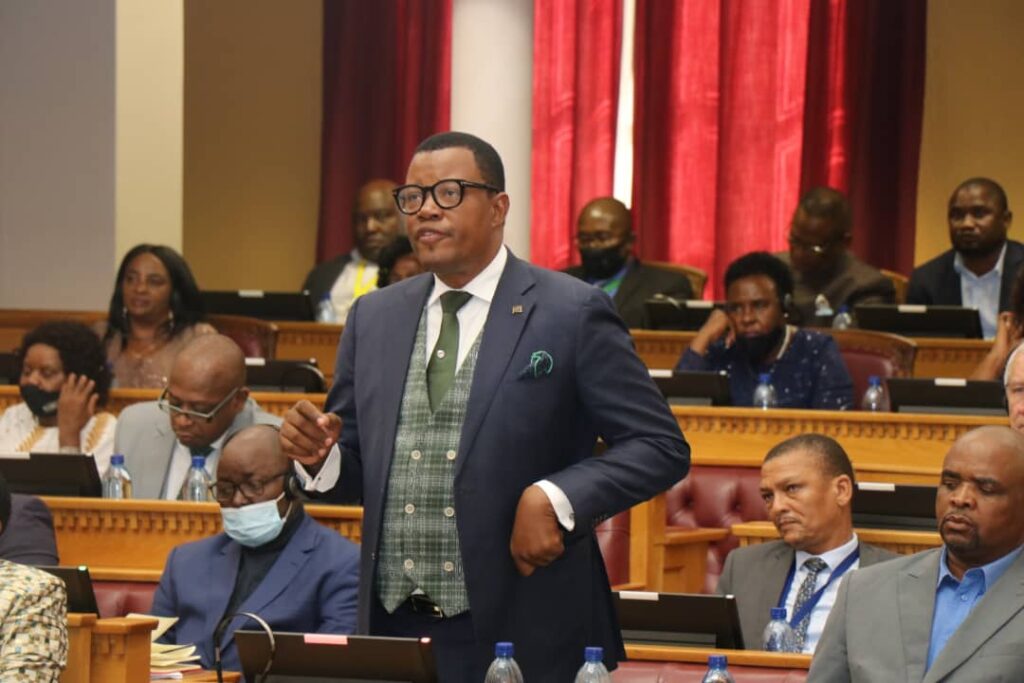
Photos: George Sanzila/Samuel Shinedima 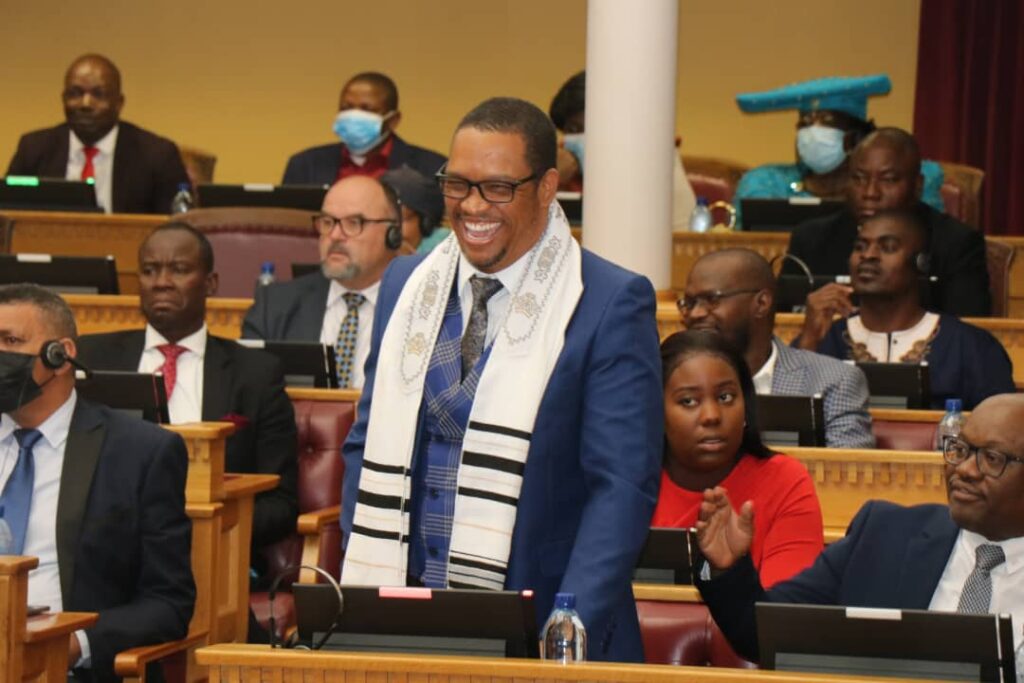
Photos: George Sanzila/Samuel Shinedima 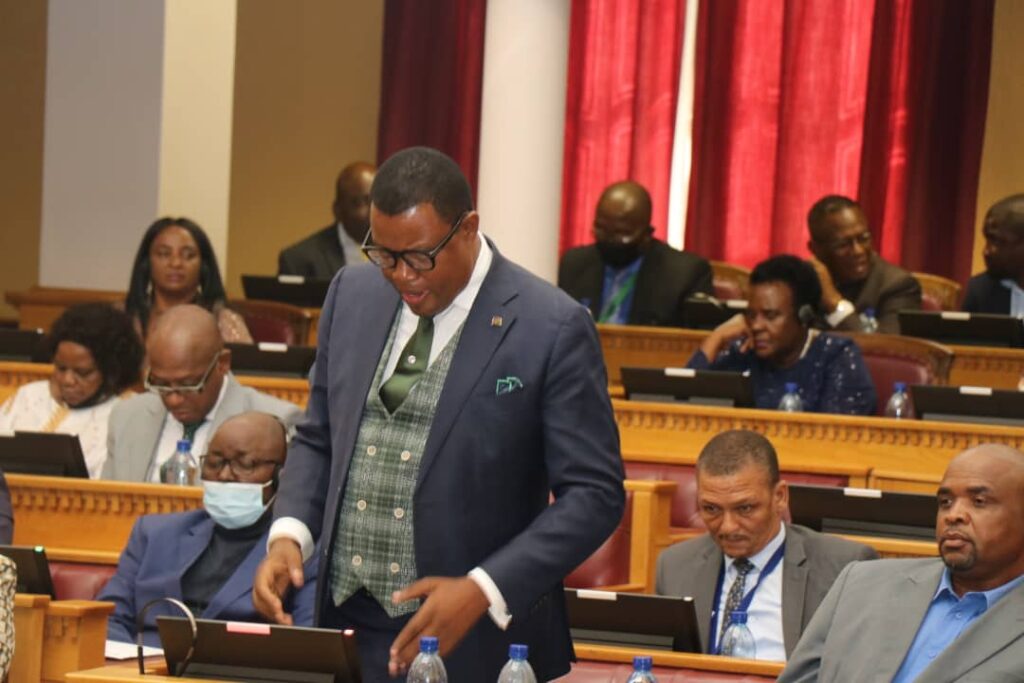
Photos: George Sanzila/Samuel Shinedima 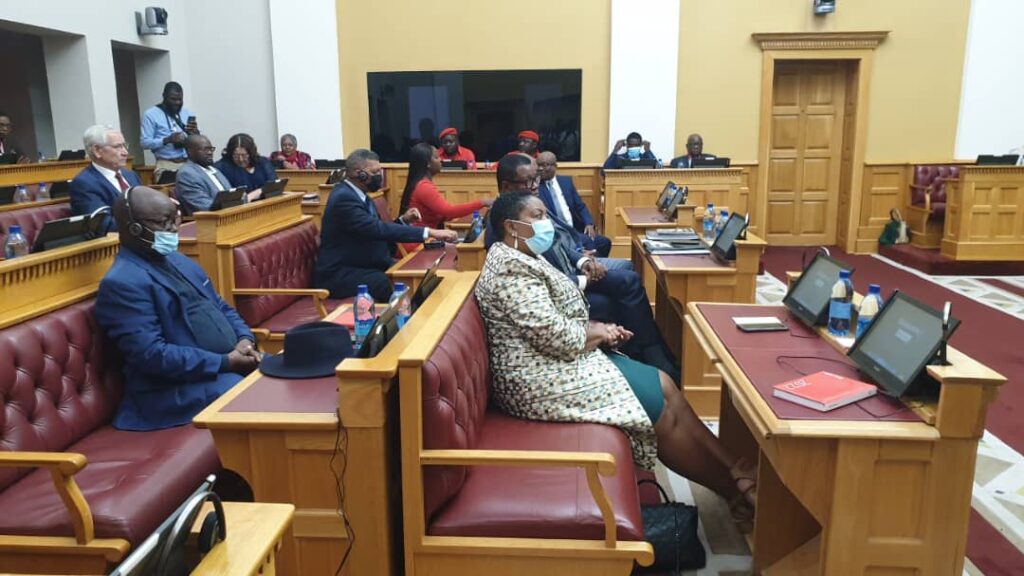
Photos: George Sanzila/Samuel Shinedima 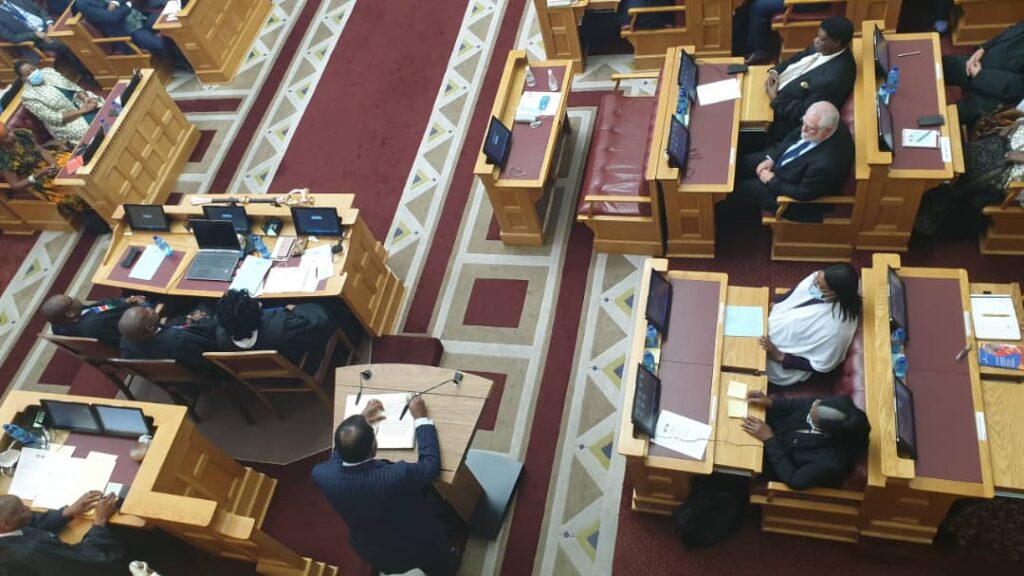
Photos: George Sanzila/Samuel Shinedima 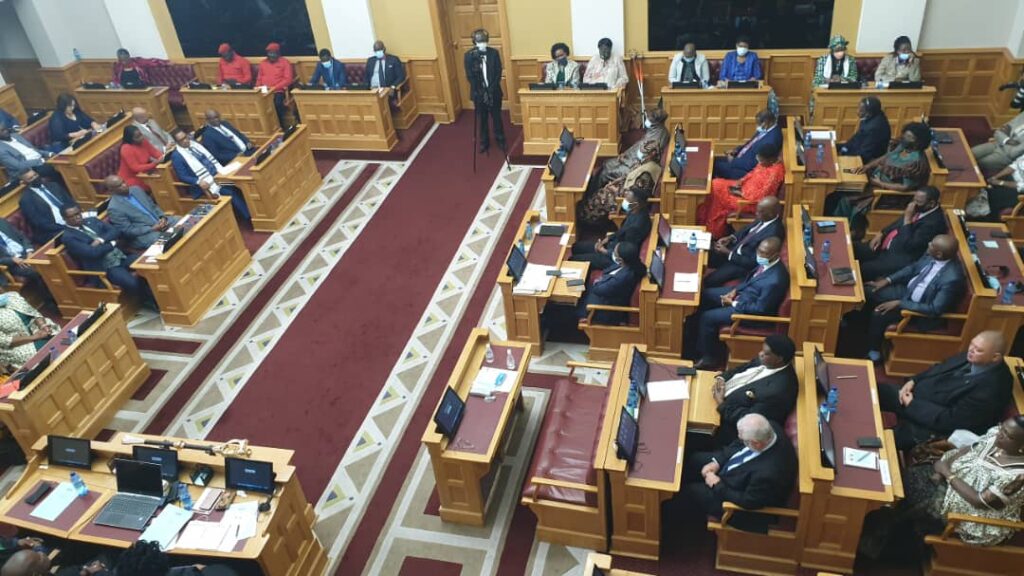
Photos: George Sanzila/Samuel Shinedima 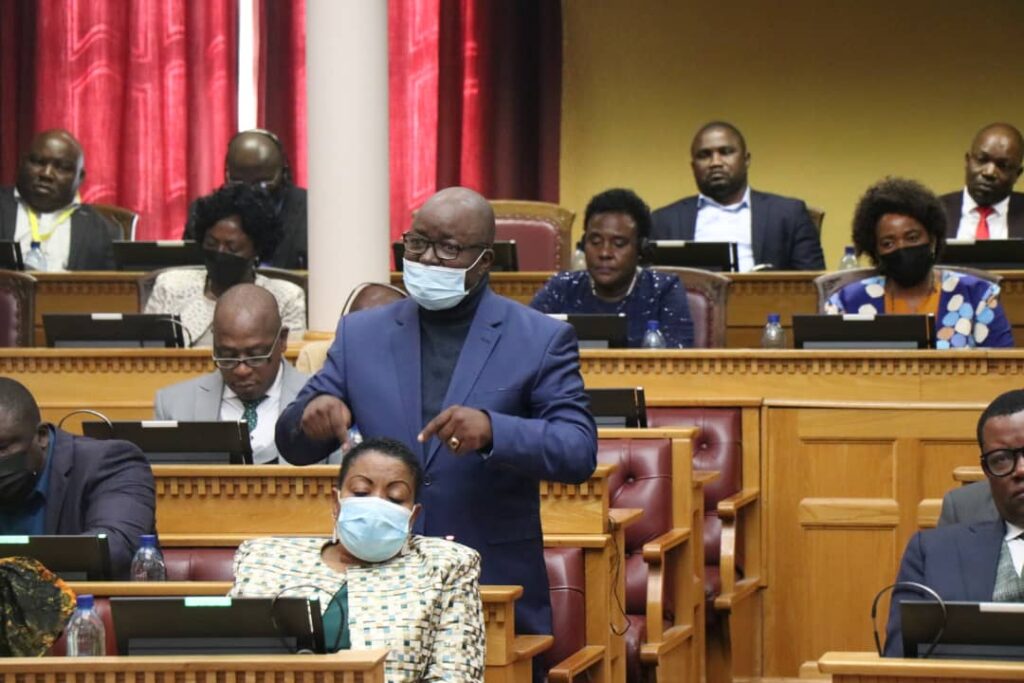
Photos: George Sanzila/Samuel Shinedima 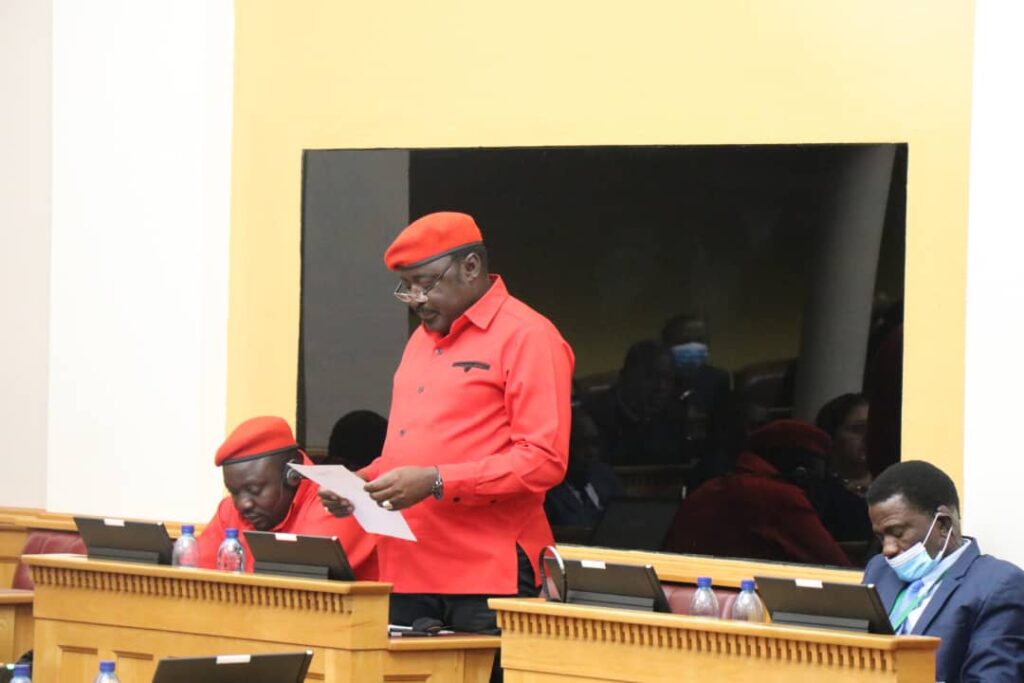
Photos: George Sanzila/Samuel Shinedima
Geingob also announced that the consolidation of the Food Bank into a conditional Basic Income Grant, in the form of N$500 cash transfers, will go a long way to provide necessities and boost micro-economic activities in communities.
In terms of development, Geingob stated that the recent oil and gas discoveries have the potential change Namibia’s economic state.
He said that these ambitions are not in contradiction with the country’s green hydrogen plans, which are not only part of long-term decarbonation efforts, but also part of the country’s efforts to address youth unemployment.
The president stated that the government has already embarked on efforts to facilitate capacity building for the emerging green hydrogen industry and has availed N$86 million for the Hydrogen Scholarship programme, which is targeted at unemployed youth who are in pursuit of vocational education and training in green hydrogen.
In general, however, the president said that the country’s unemployment rates keep him awake at night. Still, this is only one of several other challenges ranging from an economic meltdown to the housing delivery backlog to the Covid-19 pandemic that the president highlighted.
In terms of the impact of Covid-19, which was chief among the highlighted challenges, the president stated that the pandemic is not only responsible for the deaths of more than 4 000 people in the country, but also significantly hindered the country’s economic growth.
While a recovery plan is in process, Geingob noted that the ongoing Russian-Ukraine conflict, which has already affected commodity process, capital markets and investments, may also affect Namibia’s economic recovery and further development.
“We live in extraordinary times. To face the increasingly multi-layered challenges of the future, we need to find each other, not turn against each other,” the president added.
Geingob also pointed out the government’s achievements since his last SONA.
These include the completion of the National Anti-Corruption Strategy and Action Plan (2021 – 2025), the submission of a draft Performance Management Framework and Change-Management Plan, the strengthening of Monitoring and Evaluation Systems and the implementation of e-Governance services at national and regional levels as well as at hospitals.
Read the complete State of the Nation Address here:
Honourable Speaker, Fellow Namibians,
I am pleased and honoured to be with you in this August House to deliver my 8th State of the Nation Address since becoming President of the Republic of Namibia. As we deliberate on the State of our Nation, we do so knowing that regardless of our political, religious, tribal, racial or class differences, we all have the same objective: to serve the people of Namibia.
We live in extraordinary times. To face the increasingly multi layered challenges of the future, we need to find each other, not turn against each other.
In a democracy, we will have differences of opinion on how we approach the development question, but we are all Namibians, and the well-being of our country is of utmost importance to each one of us. This is a time that demands a collective mindset, a different way of doing things, and an understanding that Namibia and its citizens’ well-being has and will always be greater and more important than individuals.
Fate calls on us to remove the walls of partisan thinking and assume the mantle of unity to ensure that we emerge from the rough waves we have faced and continue sailing towards the shores of peace, equity and prosperity.
It is our collective duty to hold hands and reimage our Nation so that we can move forward as a Namibia ready to achieve her destiny; A Namibia defined by unity and shared national identity; A Namibia defined by peace and social harmony, and a Namibia defined by new economic opportunities and growth.
Honourable Speaker, Fellow Namibians,
Since assuming office, we witnessed the global economy experience a meltdown, which placed tremendous economic pressure on developing countries such as Namibia. To make matters worse, a period of relentless drought exacerbated the situation. The challenges of unemployment, land and housing delivery backlog and contracting economic growth continue to be compounded due to independent intervening variables.
Honourable Members, these are our realities.
We have also recorded significant successes and milestones, such as the peace and security we enjoy; growing our economy four times the size of the Gross Domestic Product during the apartheid era; expansion of our physical and communication infrastructure, including our national road network which is rated Number 1 in Africa; poverty reduction through comprehensive social safety nets; improved access to safe and clean drinking water; universal access to primary and secondary education and gender parity both in the classroom and in Government leadership roles, to mention but a few.
To illustrate this latter point, in addition to the 50/50 gender parity between the top four positions in the Executive, Namibia ranks among the leading countries in the world with the greatest participation of women in Parliament. Continentally, we rank only behind Rwanda while globally, we are 7th.
As a result, premised on these real achievements, we can rightfully say that Namibia today and Namibia at independence are miles apart.
Despite the difficult economic years since 2016, we were delighted to see the green shoots of economic recovery in 2019. However, our hopes were devastated by an uninvited guest in the form of the Covid-19 pandemic which arrived on our shores.
There is no doubt that Covid-19 has had a devastating socio-economic effect on our Nation. As a result, families have been robbed of their loved ones, this country has lost some of its brightest minds, and communities have lost their pillars of knowledge.
Dealing with the loss of so many relatives, leaders, comrades and friends in a short time was a harrowing experience that required unwavering faith and steel-like resolve to stay the course.
Therefore, may I request the August House to observe a moment of silence in honour of those Namibians who succumbed to Covid- 19 and related illnesses.
May their souls rest in peace.
We must ensure that the dreams they lived for are not forgotten. In the doom and gloom of fighting the pandemic, we have witnessed a development that should inspire us to pursue our nation-building agenda.
The war against Covid-19 brought together Namibians of all ages, from all walks of life, from all economic sectors, who set aside individual interests based on economic interest, race, tribe, religion and politics and held hands for the good of the country.
I, therefore, acknowledge your collaboration and thank all of you for your patriotic support and teamwork over the past two difficult years.
Although we are not yet out of the woods and should not rest on our laurels, together, we have survived the fiercest onslaught of the pandemic. To restore what we have lost, we have to stay together and build back a Namibia where nobody is left behind and to cultivate a Namibia that is resilient, united and forward thinking.
Honourable Speaker, Fellow Namibians,
The ability of a nation to implement social change and pursue economic development cannot take place without the maintenance of robust and effective processes, systems and institutions.
There can be no socio-economic development or social cohesion without peace, the rule of law, responsive institutions and engaged citizens. These elements form the bedrock of our constitutional democracy and Governance Architecture. Effective governance is the mortar that guarantees peace and social cohesion in the Namibian House.
Furthermore, accountability and transparency within the public and private sectors, including efficient and effective delivery of goods and services, are prerequisites for effective governance.
We recognize that by continuously strengthening the Governance Architecture, we will maintain a sound and conducive environment for our socio-economic development. In this regard, Namibia has maintained its position as the number one country in Africa with the freest press, according to the Press Freedom Index.
In May 2021, Namibia hosted a successful World Press Freedom Day, which coincided with the commemoration of the 30th anniversary of the Windhoek Declaration for the development of a Free, Independent and Pluralistic Press.
Given that access to information is one of the cornerstones of freedom, we reaffirm our commitment to pass the Access to Information Law in this August House.
The Bill was tabled in Parliament in September 2021 and referred to the Parliamentary Standing Committee on Information, Communication Technology and Innovation. I am pleased to hear that the Standing Committee concluded public hearings in February 2022, and the Bill will be re-tabled during this Session.
During the 2021 State of the Nation Address, I outlined several policy priorities and interventions that the Government was to implement to strengthen our Governance Architecture. These policy priorities were included in the Harambee Prosperity Plan II (HPPII).
During the period under review, which coincided with the onset of the devastating 3rd wave of the Covid-19 pandemic, several activities were planned for implementation, of which the following have been completed:
On 16 March 2022, the National Anti-Corruption Strategy and Action Plan (2021 – 2025), developed with technical support from the United Nations Development Programme (UNDP) and with inputs from broad-based stakeholder consultations, was approved by Cabinet and launched. This strategy aims to foster collaboration and promote an effective system of integrity, transparency, ethics and accountability in all spheres of our country.
With technical support from the European Union, work has commenced reviewing the current performance management system and recommending enhancements to boost public sector productivity. As a result, in December 2021, a draft Performance Management Framework and Change-Management Plan was submitted and is under review by the Office of the Prime Minister.
During the period under review, the Government received technical support from the Commonwealth Secretariat to train responsible officials in automating the performance management system.
To improve the implementation of our annual plans, the Government has strengthened Monitoring and Evaluation Systems based on better project management principles.
In March 2022, Cabinet convened a Performance Review Retreat which conducted a detailed review of progress made in the implementation of activities and challenges experienced. The Cabinet Retreat proposed remedial actions to be implemented.
All of these efforts are undertaken with a firm knowledge that we must, and we will strengthen implementation capacity and ensure a competent and responsive public service.
The Government is also making strides in its digital transformation efforts to improve public administration and bring services closer to the people. In this respect, the Government has accelerated the rollout of e-Governance services at national and regional levels.
These include a functional e-procurement portal for all public entities to register, manage and publish procurement plans and bids. Three Public Entities, namely, the Ministry of Finance, City of Windhoek and NamPower, are currently utilizing the Portal.
Going forward, all public entities are obliged to make use of this Portal.
Some highlights in this area include the launch of the new National Identification Card in November 2021, which is compliant with the International Civil Aviation Organization (ICAO) standards and can be used for cross border travel.
To this end, the Ministry of Home Affairs, Immigration, Safety and Security is engaging the Government of Botswana and other neighbouring countries to permit its use, at border entry points.
As part of our drive toward paperless hospital management, the National e-health system was launched in December 2021 to gradually replace all manual procedures and systems in hospitals.
The Government has also operationalized the Integrated Client Services Facilities (e-Business), which provides a business registration and one-stop-portal service. In addition, the civil registration and identification, and social protection systems will also be linked in the near future for more efficient and transparent information management.
Furthermore, the Ministry of Justice is at an advanced stage of migrating from the manual processing of applications for legal aid, to a digital Case Management System. This will contribute to improving service delivery in the administration of justice.
The African Peer Review Mechanism (APRM) Country Self- Assessment was carried out during the period under review. The Final Country Review Report was discussed and approved by the APRM Heads of State and Government at the African Union virtual Heads of State Summit held in February 2022.
Government is undertaking necessary reforms to strengthen the foundations of the Namibian House. In this context, I urge the Honourable Members of Parliament in this Year of Reimaging, to join hands and to champion transformative motions, policy and position papers that will move our country forward.
Consultation and dialogue are vital components of nation-building. To this end, I recently held consultations with most leaders of political parties represented in Parliament and one which is not represented but requested to pay me a courtesy visit. We informed them about emerging opportunities for key developmental initiatives. I thank those who came to the consultations and engaged in fruitful discussions. Respect for each other and the creation of platforms for robust engagement is what will make this nation move forward. Those who we have not managed to meet with me are still welcome.
We are aware that the inflationary increase as a result of the Covid- 19 induced economic slowdown, has severely reduced the spending power of many Namibian households. Some people have even lost jobs. Government is aware of the hardship experienced by our citizens and will make interventions when so required, based on available resources.
Honourable Speaker, Fellow Namibians,
The Russia-Ukraine conflict, which commenced on the same day as the tabling of our National Budget, presents new uncertainties for the global economy that have affected commodity prices, capital markets and investments. Accordingly, these developments may have a direct bearing on Namibia’s economic prospects and recovery projections.
Notwithstanding these uncertainties, we are again seeing green shoots on the horizon which are signaling a potential turnaround of our economic fortunes. The economy is expected to register positive growth over the medium-term expenditure framework, mainly supported by the mining sector. The Namibia Statistics Agency (NSA) recently announced that the economy rebounded and recorded a positive growth of 2.4 percent in 2021.
The recent launch of the world’s largest offshore diamond mining vessel at the cost of 7-billion Namibia Dollars, through our Joint Venture with De Beers, is a source of pride and a demonstration of confidence by our local and foreign investors.
Encouraging investments in the electricity sector, such as the 300 million Namibia Dollar Omburu Power Plant and the 300 million Namibia Dollar Khan Power Station are testament to the potential of our green economy to unlock local investments, which are fundamental to reducing our cost of energy, strengthening energy supply security and providing a boost to small and medium enterprises.
Additionally, NamPower has awarded a contract of 1.29 billion Namibian Dollars to a contractor, for the construction of a diesel power plant at Walvis Bay. These investments will create meaningful employment opportunities for our young people. In fact, some are already employed.
The two substantial commercial oil (and associated gas) discoveries made in Namibian sea waters by international oil companies, TotalEnergies and Shell Namibia B.V., are significant discoveries that have the potential to set Namibia on a new economic growth trajectory.
However, we are mindful that the process towards production and sale of oil will take time. Therefore, there is no contradiction between our ambitions in advancing our green economy and the discovery of oil. As I mentioned before, Green Hydrogen is part of our long term decarbonization agenda.
Our economic development aspirations also factor in the reality that Namibia is one of the world’s most vulnerable countries to climate change.
We have all witnessed the devastating impact climate change has on our country. For example, since 2020, we have experienced severe and widespread wildfires, which resulted in about 3 million hectares of land being burned across the country. We expect events such as droughts, wildfires and increased rainfall variability to become even more frequent and severe in the years to come.
Therefore, climate change adaption and mitigation measures are prioritized to ensure a stable supply of water, energy and food security. Consequently, the development of green energy will be an enduring theme for Namibia’s economic recovery.
Our efforts to promote the development of a Green Hydrogen and Ammonia industry are starting to bear tangible results. In this regard, Namibia is expected to attract investments of 9 billion U.S. Dollars. Additionally, we expect these investments to produce 5 gigawatts of green energy, 2 million tonnes of Ammonia and significant employment opportunities for Namibians.
This will not happen overnight. Investment is deferred gratification, but in the process, there will be some short to medium term spin-offs, especially for the youth. On 11 March 2022, we launched the Youth For Hydrogen Scholarship programme which will facilitate capacity building for the emerging green hydrogen industry while addressing youth unemployment. The programme is targeted at unemployed graduates and young Namibians interested in pursuing vocational education and training in green hydrogen.
Eighty-Six million Namibian Dollars has been availed for this initiative. I encourage all young Namibians to apply for this programme before the closing date of 31 May 2022.
A second immediate benefit is a 480 million Namibian Dollar programme, funded by the German government, which seeks to build pilot projects, including a hydrogen service station.
The Namibia University of Science and Technology and the University of Namibia will conduct associated research on the project. This will enable young people in these institutions to gain early exposure at a commercial level.
In these times of fiscal constraints, the Government is positioning itself to take advantage of anticipated economic tailwinds that could potentially propel us toward an era of growth and opportunity. In this vein, to safeguard the welfare of current and future generations, we have established, amid a recession, Namibia’s first Sovereign Wealth Fund.
The framework for this Fund, called the Welwitschia Fund, is completed, and the Fund will be launched in May 2022, with a capital injection of 300 million Namibian Dollars.
Honourable Speaker, Fellow Namibians,
The Government remains committed to ensuring that Namibia recovers from the worst domestic recession since independence. The establishment of the Business Rescue Task Force is indicative of our intent to provide policy support to vulnerable enterprises in our economy. The Business Rescue Task Force, chaired by Mr. Thinus Prinsloo, Chief Executive Officer of the Capricorn Group. They have completed their work and will submit a report on 14 April 2022, which among others, recommends a supportive business environment based on international and continental best practices in the area of business rescue.
To further underline Government’s commitment to small and medium enterprises, the Development Bank of Namibia in conjunction with Government is exploring the modalities of a Business Rescue Fund. The Fund would look to deploy affordable equity capital to enterprises that face imminent collapse, in order to preserve jobs and limit the economic scarring caused by Covid-19.
I must state that our drive towards economic advancement is taking place in tandem to the Fourth Industrial Revolution. We should view the 4th Industrial Revolution as an opportunity to leapfrog from our current developmental stage.
With this in mind, I appointed a Fourth Industrial Revolution Task Force in July 2021 to conduct an assessment on Namibia’s readiness for the 4th Industrial Revolution, chaired by Prof. Anicia Pieters, the Pro Vice- Chancellor at the University of Namibia. The Task Force has submitted its inception report with initial findings and recommendations.
Honourable Speaker, Fellow Namibians,
In the past, periods of sustained growth did not result in a reduction in unemployment. As we relish the return of a growing economy, we are also mindful that this growth must be equitable and it must result in the reduction of unemployment, particularly youth unemployment. We have too many young people which our economy is unable to absorb. Youth unemployment keeps me up at night.
Therefore, Government is committed to implementing targeted programmes that can create more, new opportunities for our young people.
The Informal Economy, Startup and Entrepreneurship National Policy is being crafted by the Ministry of Industrialization and Trade, with a view to providing the requisite framework for mainstreaming incentives and business infrastructure for SMEs.
Forty-five million Namibian Dollars has been allocated to the Development Bank of Namibia this Financial Year to support SME and youth entrepreneurship financing facilities. The draft Public Procurement Code of Good Practice by the Ministry of Finance further provides for preferential treatment and reservation for youth-owned businesses, for contracts valued at 50 million Namibian Dollars or less.
A green concessional loan facility targeting youth entrepreneurs will be launched by the Environmental Investment Fund to provide up to 2 million Namibian Dollars, per viable investment. This facility is expected to grow by 300 million Namibian Dollars over the Medium-term Expenditure Framework.
Furthermore, Tertiary education is highly subsidized by the Government. This is reflected through sustained allocations to the Ministry of Higher Education which received 3.3 billion Namibian Dollars this Financial Year, of which 840 million Namibian Dollars is for the University of Namibia (UNAM); 455 million Namibian Dollars will go to the Namibia University of Science and Technology (NUST) and 1.4 billion Namibian Dollars will go to the Namibia Students Financial Assistance Fund (NSFAF).
We are aware that many NSFAF beneficiaries are finding it difficult to pay back their loans, due to a scarcity of economic opportunities and other challenges. In this regard and to provide some relief, I announce an amnesty for the NSFAF debt repayments for a period of 12 months.
The line Ministry and Ministry of Finance are directed to work out modalities to waive interest on the loans of all NSFAF beneficiaries.
To facilitate Work-Integrated-Learning for students and transition into the labour market for graduates, the Government’s internship policy has been revised to ensure increased opportunities for internships, with 2 percent of the positions in the public service reserved for interns. Moreover, about 62 percent of the public service positions do not require any prior work experience.
In collaboration with the Private Sector, a multi-stakeholder committee has been established in March 2022 to design the modalities for a National Internship & Apprenticeship Programme, to be rolled out in 2023.
Honourable Speaker, Fellow Namibians,
The tourism and hospitality sector has been one of the most affected by the pandemic. As a result, the Government has continued to coordinate the implementation of the Tourism Revival Initiative, launched in June 2020. Consequently, tourist arrivals increased by 37 percent in 2021, compared to a decline of 89.3 percent in 2020.
This is a sector that directly employs many young people and procures from small businesses. The upward trend in tourist arrivals is therefore encouraging. To this end, the Government will, in July 2022, host the ‘African Youth in Tourism Innovation Summit’, a platform that will bring together and encourage young people involved in tourism enterprises to become active participants in the sector.
Honourable Speaker, Fellow Namibians
Our key developmental focus has been to break the cycle of poverty, inequalities and high unemployment. But unfortunately, the Covid-19 pandemic has caused reversals in our fight against these structural impediments.
The unequal distribution of wealth is one of the most widely discussed issues of today. Unfortunately, the current methodology developed by International Financial Institutions such as the World Bank and IMF, and subsequently adopted by the United Nations, arbitrarily takes our GDP and divides it by our small population, thereby arriving at a high per capita income. As a result, countries such as Namibia and others are mis-classified as Upper Middle- Income Countries. These classifications are insensitive to the distortions created by unequal distribution of resources and also reduces our ability to access affordable debt financing and grants.
It is said that “Healthy citizens are the greatest assets any country can have”, and we agree with this notion. Attaining our recovery and growth objectives depends primarily on maintaining “healthy minds, in healthy bodies” because, without the guarantee of health, even the greatest of minds can be laid to waste.
For this reason, 46 percent of the national budget is allocated to the social sectors of Education, Health and Social Welfare. In this regard, an average of 28 percent of the budget has been allocated to the education sector, while Government currently spends 6,600 Namibian Dollars on public health, per capita, annually.
The Covid-19 pandemic tested the capacity of our public health system. We responded, along with our partners, to the pandemic by strengthening the health system through coordination of the national response, vaccination programmes, surveillance, laboratory capacity, human resources, infrastructure, medical oxygen provision, and the servicing and upgrading of mortuaries.
As of 4 April 2022, the cumulative number of Namibians who have tested positive for Covid-19 since the index case in March 2020 stands at 157,776 excluding reinfections. Out of the total 987,182 samples tested nationally, the country recorded a positivity ratio of 16 percent. Of these positive cases, 97.4 percent have recovered, while 207 are still fighting off active infection. Therefore, although we have relaxed the Public Regulations, we should proceed with vigilance to contain the upsurge of new cases. Regrettably, our Nation has lost 4,020 lives due to Covid-19 and related illnesses.
As of January 2022, Namibia had secured over 1,7 million doses of vaccines. In addition to donations received from friendly nations, the Government procured 58 percent of all doses received in the country. Notably, vaccine hesitancy persists, with only 22.2 percent of the total eligible population fully vaccinated.
This is not the time to lower our guard, especially ahead of the winter months. The COVID-19 vaccine is an effective measure to mitigate severe illness and death from infection.
I, therefore, reiterate my call for every eligible Namibian to get vaccinated as a means of bolstering your immunity.
Over the past year, the following projects have been completed to improve access and strengthen the public health sector: In response to the public health crisis, nineteen fully furnished units were established in referral and district hospitals, including a 16-bed ICU set-up with a theatre, laundry and dialysis facilities at Windhoek Central Hospital.
A total bed capacity of 221 for isolation has been created in public health facilities countrywide. While 15 of the existing mortuaries countrywide were upgraded to provide appropriate services.
The Windhoek Central Hospital now has a fully functional pediatric cardiology service, making Namibia the third country in Africa to offer this service, in addition to South Africa and Egypt.
Other projects completed during the period include the Aranos Clinic, Onandjokwe Mothers’ Lodge, Nkurenkuru and Mariental Primary Health Care clinics, Okahandja Hospital Outpatient Department, and the Katutura Hospital Pharmacy.
Instead of being referred to South Africa for treatment, as was the case in the past, ten neurosurgery patients were successfully treated at the Windhoek Central Hospital.
I am pleased also to report that the following projects will be undertaken during HPPII:
Construction of the Onandjokwe maternity ward; Construction of the Swakopmund neo-natal ward; and Construction of Onanghulo, Onamafila and Okondjatu clinics.
Honourable Speaker, Fellow Namibians
Government’s social safety nets, including the Food Bank, Drought Relief, Old Age Social Grant and Grants to Marginalized Communities, People with Disability, Orphans and Vulnerable Children, as well as the School Feeding Programme, have gone a long way to mitigate hunger poverty among many vulnerable households. On average the Government spends in excess of 412 million per month on Social Safety Nets and an additional 160 million on Drought Relief per annum.
Twenty percent of the total population receives a Government grant in one form or another, which translates to approximately 500,000 individuals, not taking into account the multiplier effect of beneficiaries per household.
The consolidation of the Food Bank into a modified, conditional Basic Income Grant, in the form of cash transfers of 500 Namibian Dollars, will go a long way to provide daily necessities and boost micro-economic activities in communities.
Furthermore, recognizing the plight of Children with Disability, I am pleased to announce that the value of the grant will be increased 5-fold, from the current 250 Namibian Dollars per month to 1,300 Namibian Dollars per month, effective 2023 Financial Year.
Honourable Speaker, Fellow Namibians,
The Namibian Constitution guarantees the free movement of people throughout the country. However, rapid urban migration poses significant developmental challenges. This places pressure on Local Authorities when people settle in areas that are not demarcated for settlement.
To address this situation, the Government has prioritized the provision of adequate and affordable housing for the low-income groups, who make up the majority of households in urban and peri- urban areas, as well as the upgrading and formalization of informal settlements across the country.
Through an incremental, targeted and collaborative approach involving all stakeholders, Government plans to strengthen the environment for housing delivery. In this respect, the revised National Housing Policy and Implementation Plan provide a more responsive framework to deliver affordable housing.
The following has been achieved with regard to land, housing and sanitation during the period: 1,252 serviced plots countrywide; 1,282 housing units delivered through central Government funding, Local Authorities and private developers.
731 toilets and ablution facilities were constructed in rural areas to eliminate open defecation and meet our sanitation targets.
Out of the remaining 483 bucket toilets countrywide, a total of 366 bucket toilets (or 77 percent) were replaced with proper flush toilets and connected to the sewer systems in Kalkfeld and Fransfontein.
One informal settlement, Matutura Extension 1 in Swakopmund, was formalized in July 2021.
The decentralization of town planning activities to the regions and establishing of the Urban and Regional Planning Board (URPB) under HPPI have resulted in more efficient township proclamations. I am able to report that 36 new settlements were proclaimed in the period under review and are now due for land surveying and servicing.
We will continue to invest in the social sectors to yield tangible improvements in the lives of fellow countrymen and women.
Honourable Speaker, Fellow Namibians
The fostering of enduring partnerships between the public and private sectors is paramount if we are to realize our infrastructure development aspirations. To this end, the agricultural sector’s public, private partnership initiatives are showing encouraging signs of attracting new investment through the potential leasing of green schemes and the launching of a project preparation fund.
The leasing out of Green Schemes is open to all entrepreneurs, local and international. Furthermore, ongoing efforts to build the Erongo desalination plant will unlock investments in the mining sector. Several proposals have been received to construct a new desalination plant or expand the existing one.
Water infrastructure is critical for securing the supply of this precious commodity and bolstering the economic foundation upon which we look to build a prosperous nation. In addition to the plans to develop the Erongo desalination plant, 4.2 kilometres of the Omahenene-Olushandja canal refurbishment have been completed, which is a vital asset for the subsistence farmers in these areas. In addition, 21 of the 23 kilometres of the Kuiseb collector-2-pipelines have been completed.
Concerning port infrastructure, the Walvis Bay Industrial Development Initiative’s expression of interest, seeks to unlock attractive offers to develop the container terminal at the Port of Walvis Bay, including plans to further dredge the channel to 16 meters and double the capacity of the terminal. All of these mentioned projects will create jobs for the youth.
Key investments will be made in our road, rail and port infrastructure. Namibia currently has five major roads under construction, totalling 774 kilometres. Four of these sections totalling 249 kilometres, are now complete. These include;
Ninety-nine kilometres of the Swakopmund-Henties Bay section; Thirty kilometres of phase one of the Swakopmund-Walvis Bay dual carriageway; Ten kilometres of the Mandume Ndemufayo – Sam Nujoma Drive section; and One hundred and ten kilometres of the Gobabis Road to Aranos Onderombapa.
TransNamib and NamPort will play a crucial role in absorbing and delivering the cargo destined for our trading partners through our port and rail infrastructure. Thus, strategic investments are currently prioritized and fast-tracked into these parastatals, such as TransNamib’s 2.4 billion Namibia Dollar loan from the Development Bank of Southern Africa to upgrade its fleet of locomotives.
Honourable Speaker, Fellow Namibians
Members of this August House discussed the May 2021 Agreement on Genocide, Apology and Reparations, which was carried out with courage and determination under intricate conditions by our late Special Envoy, Dr Zed Ngavirue (May his Soul Rest in Peace).
The difficult work that we started in 2015 with the appointment of Dr Ngavirue to get the Federal Republic of Germany to come to terms with its past horrors and to acknowledge that a Genocide was committed against the Herero and Nama communities should not divide us. Through the diplomatic skill of our negotiators, Germany accepted our core demand that a Genocide was committed against the Herero and Nama communities.
Germany has agreed to offer an unconditional apology to the Herero and Nama communities and pay reparations of 20 billion Namibia Dollars, which we agree is not enough.
Honourable Speaker, Fellow Namibians
On international relations and cooperation, Namibia is maturing into a regional and global player in various domains. Therefore, we need to adopt a new mindset that welcomes dynamic thinking and an appreciation for investment, both local and international.
Vision 2030 paints a picture of an industrialized Namibia, a dynamic upper middle-income country with an upward trajectory and a strong base upon which to build its ambitions. This is a Vision that requires strong partnerships at home and abroad; we should therefore be prepared to hold hands with the rest of the world to realize our developmental aspirations.
In line with our economic diplomacy, Namibia continues to promote mutually beneficial bilateral relations to achieve the overarching goals of the Harambee Prosperity Plan II, the NDP5, and the objectives set out in Vision 2030.
The Government has embarked on a campaign of economic diplomacy that has begun to yield positive partnerships. Multiple bilateral agreements have been executed with the Netherlands, Belgium, Germany and the European Union. The common nexus is renewable energy. Sizeable investments are thus being planned to reduce our dependence on carbon-based energy imports before the end of this decade.
These investments will enable Namibia to contribute to the regional and global de-carbonization agenda and ultimately become a global player in the space of synthetic fuel.
With regard to peace and security, the SADC Organ on Politics, Defense and Security Cooperation is the primary security framework for the collective security of the region. Accordingly, Namibia accepted its election in August 2021 as the Deputy Chairperson of the SADC Organ and subsequently as the Chairperson from August 2022 to August 2023.
Since its election, Namibia has participated in 21 SADC Organ Meetings at the Ministerial and Heads of Mission levels, mainly to strengthen the operations of the SADC Mission in Mozambique (SAMIM). Namibia has made additional pledges to send personnel to Mozambique, who will be based at the Headquarters of the SADC Mission and not at the military front.
Namibia is committed to the full implementation of Agenda 2063 and, in August 2021, submitted its second report to the African Union on the rollout of the continental agenda.
Furthermore, Namibia has integrated her commitment to implementing the Sustainable Development Goals (SDGs) and the African Agenda 2063 into the National Development Plan 5 and HPPII. In this context, where peace and security are paramount for a prosperous Africa, I am pleased to inform you that Namibia has been elected to the African Union Peace and Security Council for the period 2022-2025.
Additionally, the implementation of the African Continental Free- Trade Area remains a priority for our Government. We seek to strengthen our domestic productive capacity for exports and diversification of our economic activities. In this regard, it is imperative that the private sector fully embraces the continental agenda for free-trade, in the largest membership-based free-trade agreement in the world.
Regarding the war against Covid-19, which dominated the year 2021, Namibia wishes to express her sincere appreciation to the many friendly nations that came to our assistance with lifesaving donations. Their support varied from medical equipment and vaccines to the capacitation of ongoing programs to fight the pandemic and mitigate resultant challenges to livelihoods and businesses in Namibia.
As a peace-loving nation, Namibia promotes a world where all people can freely enjoy their freedom and sovereignty without interference. For this reason, Namibia continues to air its voice on the continued denial of the Sahrawi and Palestinian people’s right to self-determination. Furthermore, we remain committed to a world where our Cuban brothers and sisters can enjoy their economic freedom and sovereignty without interference.
Therefore, Namibia continues its call for the removal of the blockade on Cuba.
On Ukraine and Russia, Namibia is pained by the horror and devastation that war brings. We know and remember the pain and suffering it inflicts, the dreams it shatters, and the hopes it destroys. Our hearts, thoughts and prayers go out to the victims, their families and all affected by this serious conflict. As a country that believes in regional, continental and international harmony, it pains us to witness conflict between neighbouring states. There are no winners in war, only losers. As I always say, where diplomacy fails, conflict begins. For this reason, Namibia welcomes the ongoing dialogue between Russia and Ukraine to end this conflict.
Honourable Speaker, Fellow Namibians
A wise man once said, “If opportunity does not knock, build a door.” As we reimage ourselves for the year 2022, we do so knowing that the old ways of doing things can no longer bring us the results that we need to take us to the promise of prosperity. Instead of building more walls, it is time to build more doors. By holding hands and building new doors, we will ensure that the welcoming knocks of opportunity echo throughout the foundation of our Namibian House.
By standing together, shoulder to shoulder, hand in hand, we will be able to safeguard the future of the most precious gift we have, the only place we can call home, our sanctuary, our motherland – NAMIBIA.
Our country has enjoyed good rains and the Namibian landscape is looking its best. The lush greenery is a pleasure to behold. That is our State of the Nation. It is green. Not just green hydrogen but a green, healthy landscape which requires all of us to put our shoulder to the wheel and sow. What we sow, we shall harvest.
Therefore, let each one of us endeavour to extend to our fellow brothers and sisters a hand of solidarity so that we can ensure that amidst the ashes of great hardship and turmoil, Namibia will rise again. I am confident that the indomitable spirit of the Namibian people and the unity that binds us will prevail, and together, as One Namibia One Nation, we will surmount our challenges and rise towards our national destiny of shared prosperity like a phoenix.
May God bless the Republic of Namibia.
I thank you.