Placido Hilukilwa
THE market value of a head of cattle in northern regions range from as low as N$4 000 to as high as N$20 000, or even higher.
But the eight traditional authorities of Ovawambo fix the price at not more and not less than N$1 500, regardless of age, breed and weight of the animal.
This leaves a significant number of community members bewildered, but senior traditional councillor and Chair of the Ondonga Traditional Authority, John Walenga, says there is a clear explanation for what appears to be a disparity.
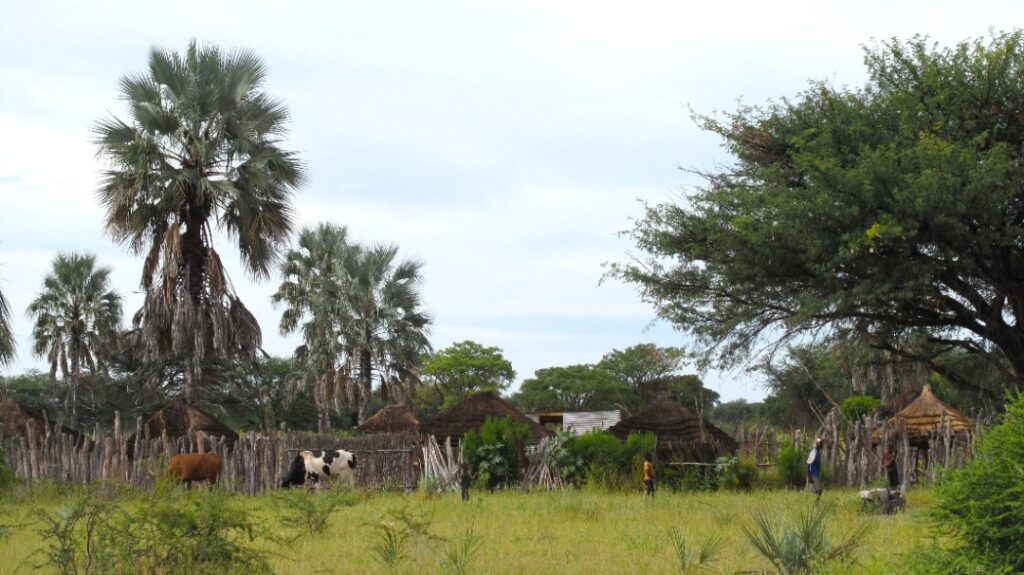
According to him, traditional authorities do not look at cattle as a commercial commodity but rather as an asset in a traditional family setting.
When transgressors are fined by the community courts they are given an option to pay cattle or the equivalent in monetary terms.
The fine for murder or culpable homicide is nine head of cattle or N$15 000.
Walenga explained that “this is not really a fine” because human life is beyond monetary or material value.
“This is just a token of reconciliation between the two families,” he said.
Other fines that require the payment of money or cattle include:
– Impregnating a girl: two head of cattle (N$3 000).
– Impregnating a girl as a result of rape or if she is under 18 or living with a disability: three head of cattle (N$4 500).
In the case of adultery, matters get a bit complicated.
A man or woman who engages in a romantic relationship with a married man or woman is fined three head of cattle (N$4 500), but the offending spouse does also not get off unscathed. He or she must pay one head of cattle (N$1 500).
These fines were among a set of fines promulgated in 2014 that are currently valid for all right traditional authorities of Ovawambo: Ombadja, Ombalantu, Ondonga, Ongandjela, Oukwanyama, Uukolonkadhi, Uukwaluudhi and Uukwambi.
Members of the community are now demanding that the fines be reviewed to reflect the current economic situation.
“We cannot continue with a situation whereby the price of a goat is higher than the price of a cow. Traditional leaders must adjust, not the number but the value of cattle,” said Ongwediva-based youth activist Linus Ngesheya.