Staff Reporter
THE Namibian Police in the four northern regions of Omusati, Oshana, Ohangwena and Oshikoto are doing whatever they can to prevent and root out fuel smuggling, having arrested several smugglers and confiscated their fuel for the past few years.
However, the smuggling of fuel from Angola goes on unabated.
That is because of the profit involved and because it is practically impossible to completely seal off illegal entry points along the 400-kilometre long land border that stretches from the Kunene river at Ruacana to the Kavango river at Katwitwi.
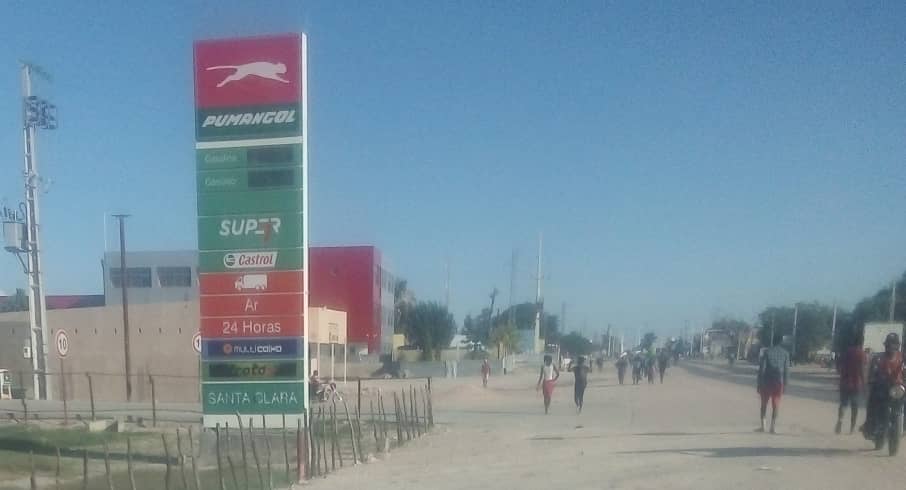
The smugglers buy the fuel at Santa Clara — across the border from Oshikango– where pump prices currently stand at 160 Angolan Kwanza per litre, the equivalent of N$4.94.
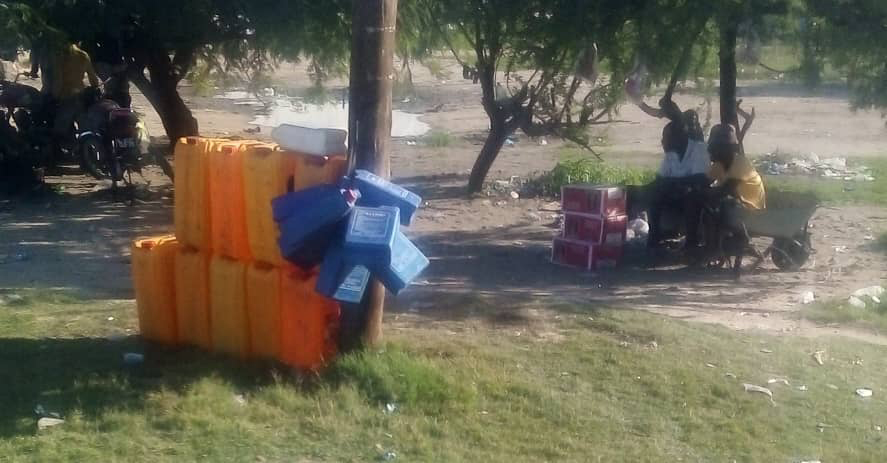
After a complicated clandestine operation, possibly involving bribing some Angolan border guards, and once on Namibian soil, the smugglers resell the precious liquid in bulk using 5-litre and 25-litre containers.
The 5-litre container costs N$50 (compared to more than N$80 at a filling station).
The 25-litre container goes for N$250 (compared to slightly above N$400 at a filling station).
The price of smuggled fuel is irresistible to car owners, who discreetly flock to places where Angolan fuel is available.
Great secrecy is maintained in the case of towns and far off villages, but at the Oshikango border post, the smugglers walk around carrying 5 litre fuel containers as they approach potential customers, but try to hide or run away as soon as they notice an occasional police patrol, only to return to the same spot immediately afterwards.
The smugglers’ customers are mostly the taxi drivers who try to maximize their income by filling their tanks with cheaper fuel that is imported illegally from Angola.
Fuel smuggling is clearly detrimental to the country’s economy.
Local filling stations lose customers and petrol attendants risk losing their jobs.
The Road Fund Administration, which collects a fuel levy of N$1.41 per litre, is also affected. So is the MVA Fund which gets about N$0.50 per litre.
Meanwhile, reports indicate that southern towns of Angola are experiencing fuel shortages since last week.
Long vehicle queues were observed at some filling stations in Ondjiva where fuel was still available.
No fuel was available at Santa Clara town opposite the Oshikango border post.
Angolan and Namibian fuel smugglers were observed for two consecutive days waiting, in vain, in the vicinity of the two filling stations at Santa Clara.
Fuel smugglers sit patiently on the other side of the road, with their empty containers, waiting for fuel tankers that would refill the filling stations.
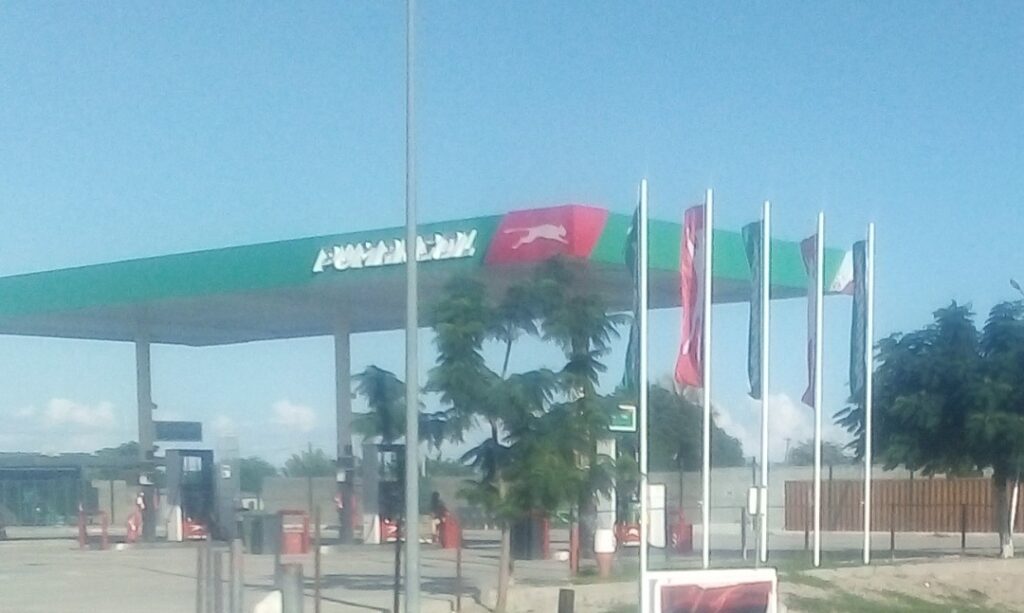
A security guard was the only one at this idle filling station at Santa Clara after pumps run dry last week.