Zorena Jantze
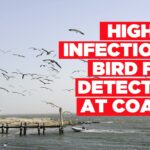
AN OUTBREAK of the Highly Pathogenic Avian Influenza (HPAI) H5N1 strain in wild birds have been confirmed. The Directorate of Veterinary Services under the Ministry of agriculture, water and land reform reported that over 200 dead wild birds have been observed along the Namibian coastline between Walvis Bay and Swakopmund in the Erongo region.
The veterinary directorate further shared that the Cape Cormorants bird species have been mainly affected by the outbreak since 13 January 2022 on Bird Island near Walvis Bay and around the Salt company in Swakopmund. The Highly Pathogenic Avian Influenza is also transmissible to humans and can cause severe sickness.
State Veterinary Officer, Dr. Albertina Shilongo stated that samples were analyzed at the Central Veterinary Laboratory (CVL) in Windhoek and HPAI H5N1 strain was confirmed. The source of infection is believed to be wild migratory birds.
“Farmers and the General public should report any suspicion of any sick or dead domestic and wild birds anywhere in Namibia to the nearest State veterinary office or other government officials” Dr. Shilongo said.
Wild birds play a major role in the maintenance and spread of Avian Influenza (AI) viruses. Infected birds shed the virus in their saliva, nasal secretions and feces. Domesticated birds, (chickens, turkeys, etc) and other birds may become infected through direct contact with infected wild birds, other infected poultry or through contact with surfaces that have been contaminated with the virus.
Humans can be infected with AI virus via the eyes, nose and mouth when handling and coming into close contact with infected poultry/birds or through the handling and consumption of their infected products.
Clinical signs of AI in birds include, swelling and purple discolouration of the head, comb and wattle, swelling and red discolourations of the feet, bleeding of internal organs and muscles, greenish diarrhea, twisting of the neck, staggering movement and paralysis of wings and legs.
Clinical signs of the AI symptoms in humans include high fever, general body weakness, cough, sore throat, and muscle aches. Other early symptoms may include abdominal pain, chest pain, and diarrhoea.
The infection may progress quickly to severe respiratory illness such as difficulty in breathing, or shortness of breath and neurological changes which include altered mental status or seizures.
People who become sick following the handling of wild or domestic birds or their products should report immediately to the nearest health facility. The harvesting and movement of Guano (accumulated dropping of seabird) from the Erongo region has been suspended until further notice.
In addition to this, the veterinary directorate has also banned the movement of live domestic and wild birds from coastal areas of Erongo region, in exception of the import and in-transit consignments originating from other countries.