Staff Reporter
NAMIBIA’S housing backlog can easily be addressed by cutting red-tape and accepting innovation.
In the low-cost housing categories especially, there are many innovative and off the shelf answers for the shortage of thousands of residential units for the poorest of the poor.
These building methods can provide immediate solutions to catastrophic events like resettlement after shack fires and natural disasters.
In this regard, Tutungeni Precast came up with such an alternative building method years ago and went through the laborious process of getting all the required certification from a number of local authorities in an effort to roll out some serious numbers.
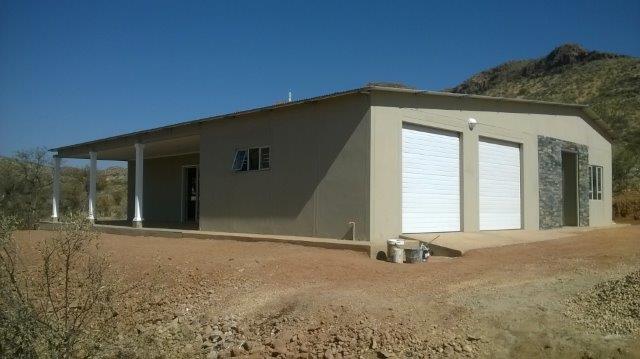
DURABLE: Innovative structures already completed by Tutungeni Precast are affordable and durable. – Photos: Courtesy of Tutungeni Precast 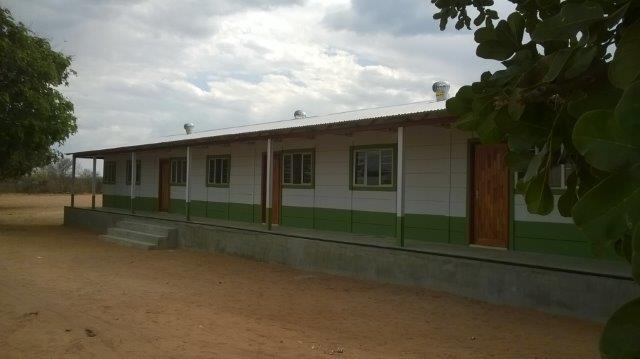
DURABLE: Innovative structures already completed by Tutungeni Precast are affordable and durable. – Photos: Courtesy of Tutungeni Precast 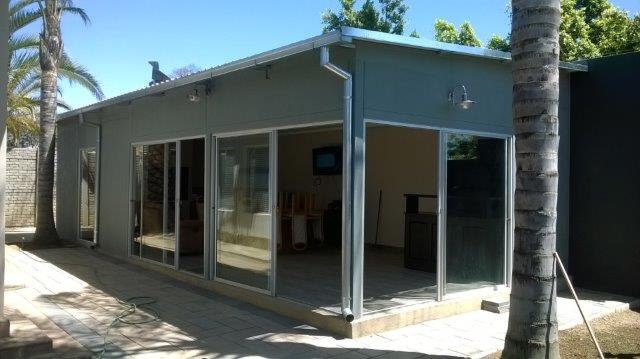
DURABLE: Innovative structures already completed by Tutungeni Precast are affordable and durable. – Photos: Courtesy of Tutungeni Precast 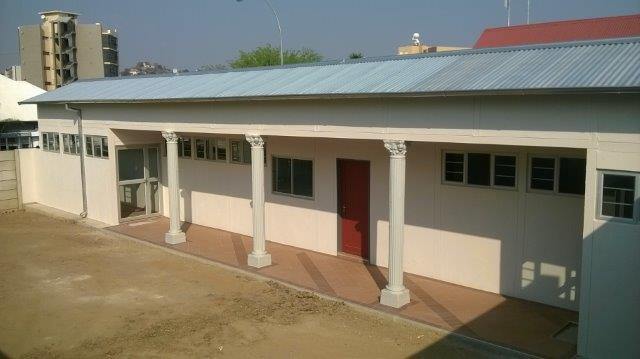
DURABLE: Innovative structures already completed by Tutungeni Precast are affordable and durable. – Photos: Courtesy of Tutungeni Precast 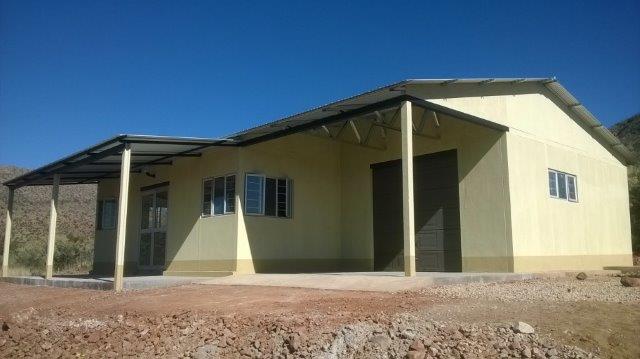
DURABLE: Innovative structures already completed by Tutungeni Precast are affordable and durable. – Photos: Courtesy of Tutungeni Precast 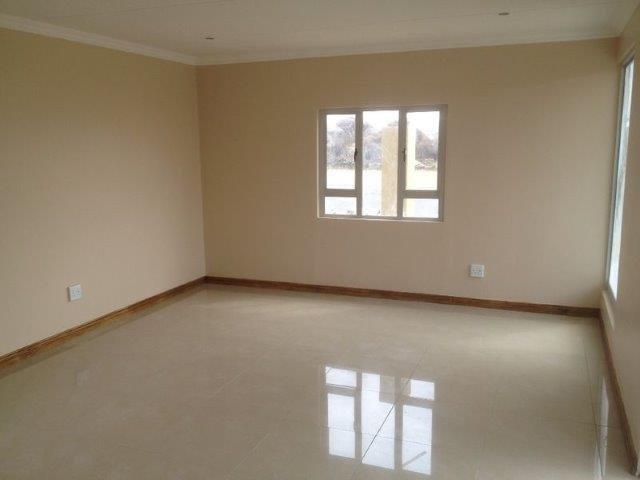
DURABLE: Innovative structures already completed by Tutungeni Precast are affordable and durable. – Photos: Courtesy of Tutungeni Precast 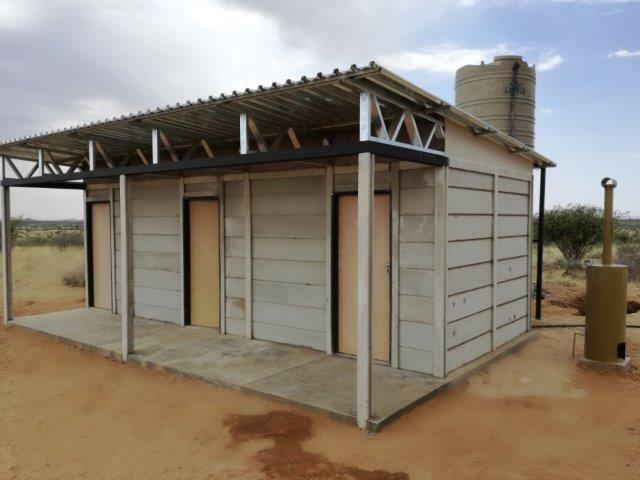
DURABLE: Innovative structures already completed by Tutungeni Precast are affordable and durable. – Photos: Courtesy of Tutungeni Precast 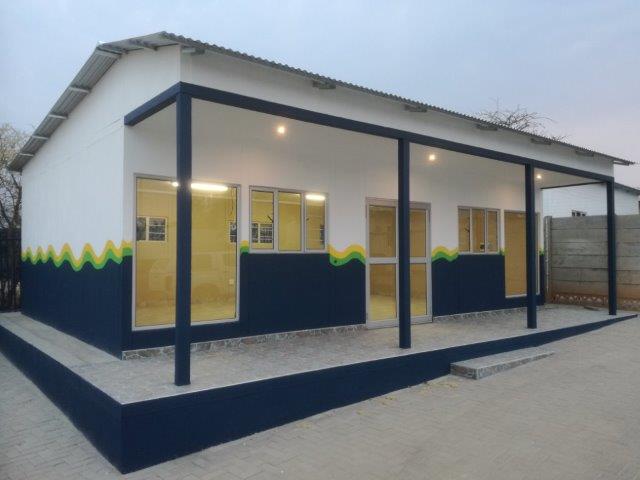
DURABLE: Innovative structures already completed by Tutungeni Precast are affordable and durable. – Photos: Courtesy of Tutungeni Precast 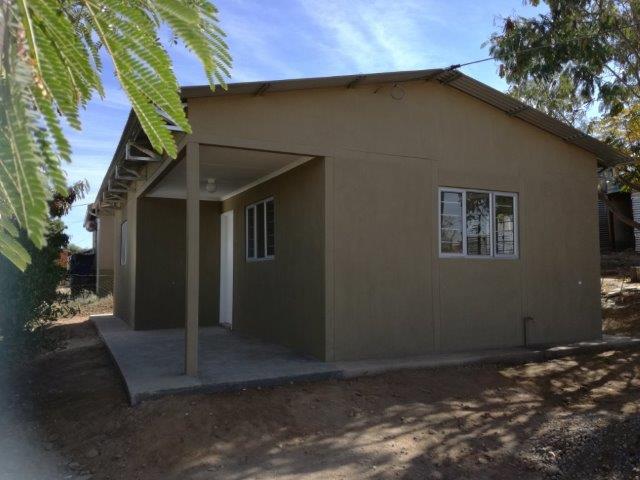
DURABLE: Innovative structures already completed by Tutungeni Precast are affordable and durable. – Photos: Courtesy of Tutungeni Precast 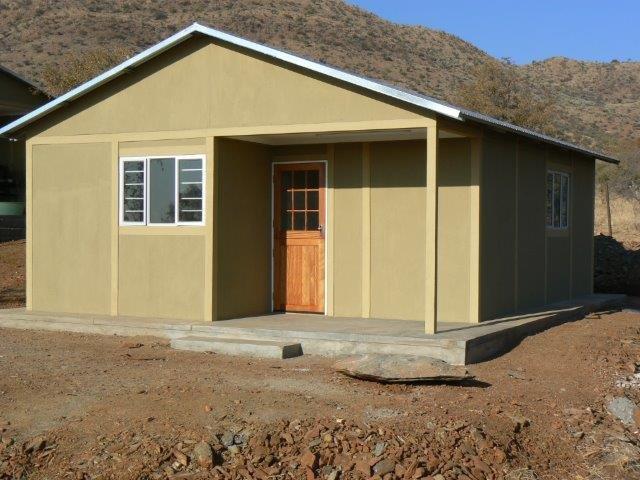
DURABLE: Innovative structures already completed by Tutungeni Precast are affordable and durable. – Photos: Courtesy of Tutungeni Precast 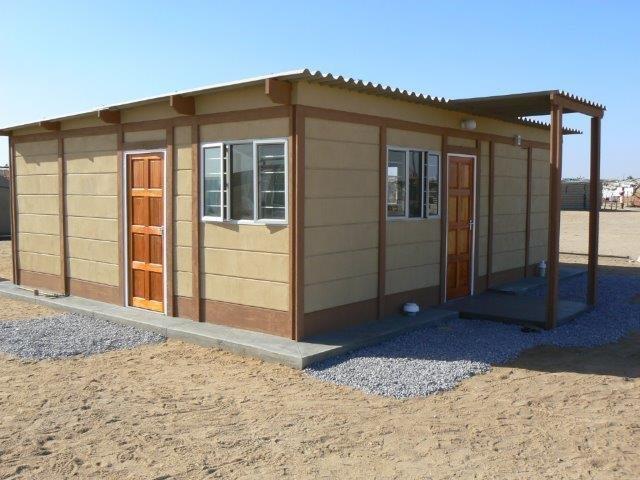
DURABLE: Innovative structures already completed by Tutungeni Precast are affordable and durable. – Photos: Courtesy of Tutungeni Precast 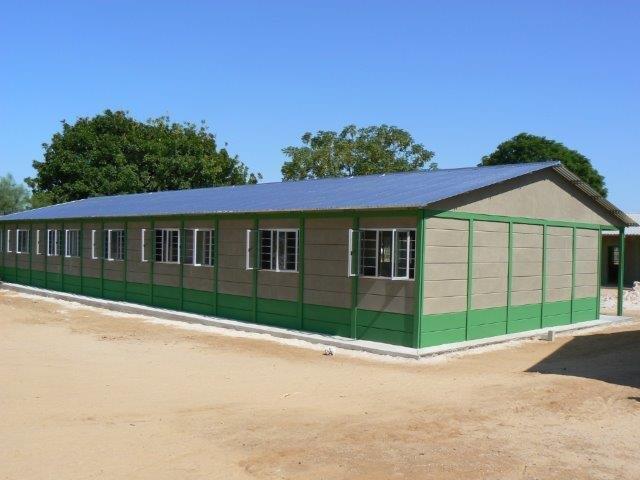
DURABLE: Innovative structures already completed by Tutungeni Precast are affordable and durable. – Photos: Courtesy of Tutungeni Precast 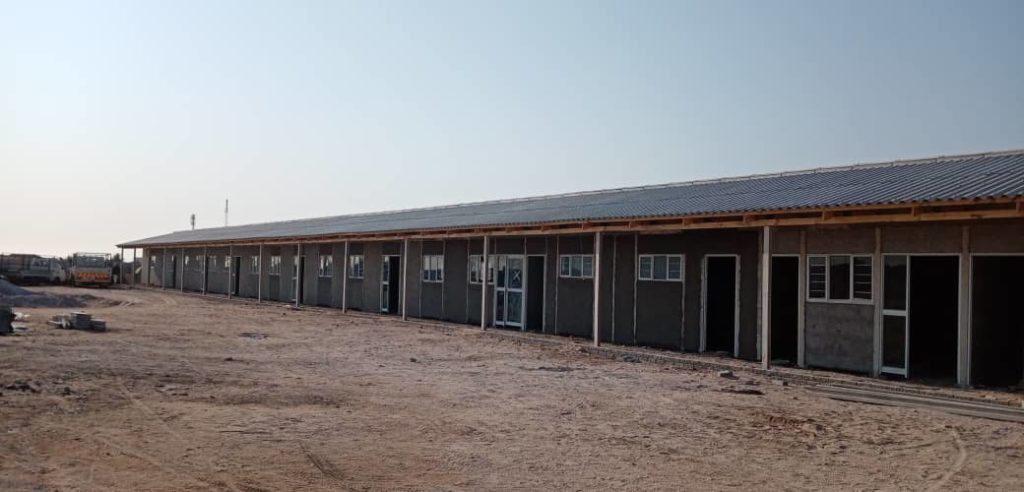
DURABLE: Innovative structures already completed by Tutungeni Precast are affordable and durable. – Photos: Courtesy of Tutungeni Precast 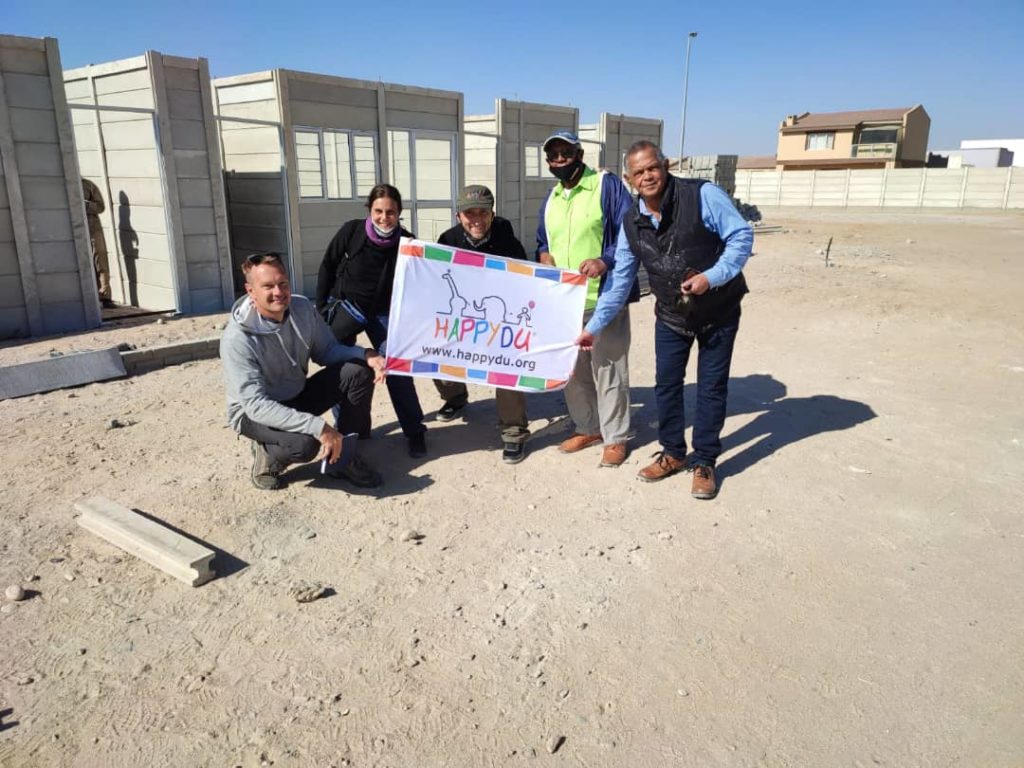
DURABLE: Innovative structures already completed by Tutungeni Precast are affordable and durable. – Photos: Courtesy of Tutungeni Precast
In fact, with Swakopmund’s Municipality as the latest subscriber, township life at the coast is set to change forever and with a little help from friends – in the financing business or perhaps employers providing housing for employees – decent living conditions in the various informal settlements is now a very real possibility.
To take the concept of precast buildings further and to demonstrate the worth of the methodology, the Managing Director of Tutungeni, Wessel Loubser, is currently busy with the construction of yet another school in Swakopmund’s Mondesa residential area.
Funds for the school were donated by an Italian non-governmental organisation, Happydu, which is no stranger to Namibia.
A similar structure for pre-schoolers and after school care was erected by Tutungeni in the Havana informal settlement of Windhoek.
In the same fashion, a number of government schools in remote areas were erected, while farmers and industry players have called in the expertise of Tutungeni.
Most importantly, Tutungeni’s contribution to cheaper, durable housing, that is designed for individual taste, style and affordability, is cutting it with banks and urban authorities alike.
Swakopmund, Windhoek, Rundu, Rehoboth, and a number of other local authorities are comfortable with the Tutungeni-product, as long as all certification is in place and the structures have been signed off by structural engineers.
At least one commercial bank is on board and willing to finance such houses, subject to some very normal commercial conditions.
In Namibia, where excess to affordable housing remains an almost insurmountable task, the Tutungeni concept might just be the answer to persistent socio-economic challenges.
With the number of structures already erected in urban areas, the Tutungeni Building concept has now evolved into a bankable investment for venture capitalist to consider.
“Of course we will listen to prospective investors who might be interested in investing in our company. That is business and we offer a proven concept, with a back-up of history, all the negotiations with local authorities, banks and engineers. It is, in the light of the housing backlog and the variety of housing needs that exists, perhaps one of the best investment opportunities one can think of,” said Loubser.
Just recently, the Minister of Fisheries, Derek Claazen, mentioned that donating tins of fish as social responsibility is not always the answer.
“Perhaps the big players in the fishing industry should invest in housing for certain categories of workers and get workers out of the ghettos they are now living in,” he added.
Tutungeni Precast’s flagship projects remain the two schools that were build in Windhoek and at Swakopmund for Happydu.
These projects were done cheaply, in budget and on time, demonstrating the effectiveness of the building innovation.
After all, it is precast, it is plastered, painted and properly roofed to last a lifetime.
What is more, Tutungeni delivers a product that is affordable and it can be financed, insured and as it is modular in design, it can be added on to.
Tutungeni’s houses comes with water and electricity connections, basic finishes as to customer’s request and within local authority specifications.
Tutungeni has a portfolio of projects that varies from schools, clinics, tourism, housing for labourers, store rooms, shops and temporary shelter at mines that were later turned into proper houses.
“If the Tutungeni building concept was utilised in Walvis Bay when 134 ghettos were destroyed in a massive fire last year, the comparative example could be considered that many more houses could have been built in a fraction of the time it took to house the victims,” Loubser said.
He added that the Tutungeni-structures are built on a normal foundation and surface base with pre-fabricated panels that is then plastered and painted.
“The roofing structure is designed and built with light galvanised steel, and at the coast we use fibre cement roofing plates. The speed and durability are in the simplicity of the structures,” he said.