Marthina Mutanga
THE San community in Nyae Nyae N N≠a Jaqna and other conservancies are complaining that life has been very difficult for them because there are much fewer tourists coming to hunt, or just to visit the conservancies and spend money, which they desperately need.
NyaeNyae Development Foundation’s spokesperson, Saskia den Adel–Sheehama said that besides not having the most basic needs the communities have to brave harsh winter conditions which lowers their immune system.
He said the impact on the Nyae Nyae, N≠a Jaqna and other conservancies is catastrophic.
Den Adel–Sheehama noted that drought or veld-fires have an even greater impact on the San communities.
The pandemic which really started to impact the nation in 2020, has meant that the San are more dependent on assistance from the government and other charities in Namibia.
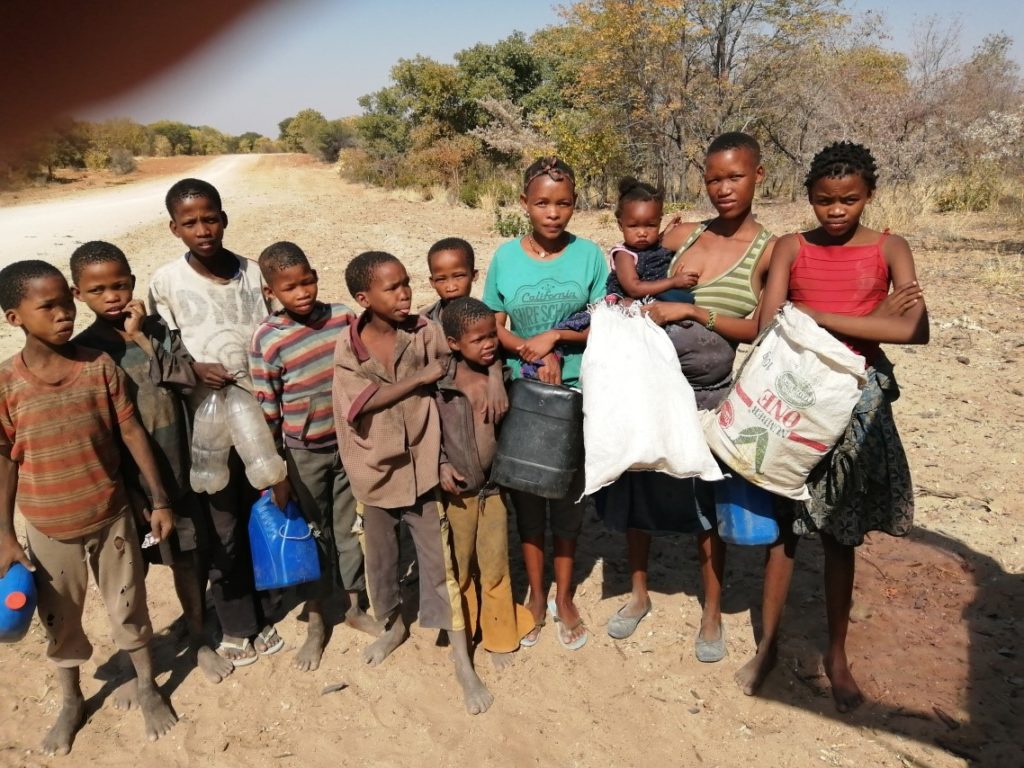
The COVID-19 pandemic has made life more difficult than usual for the San-people living in the conservancies.
“In fact, sometimes conditions are just right to create the ‘perfect’ devastating storm, with conditions so perfect that they inflict as much damage on the San people and the conservancies,” according to Sheehama.
For years programmes, projects and activities have been geared towards creating self-sufficiency for the members of the conservancies.
Through various opportunities like hunting, crafts, tourism, Devil’s Claw harvesting and agriculture projects the San were increasingly able to stand on their own feet. However, their existence is a precariously balanced one at best.
“With the COVID Delta Variant starting to have an impact in Namibia, just take a moment to appreciate the position the San are in. Within urban areas it is already difficult enough to get sanitisers, access to healthcare and stimulate the population to get their vaccine,” he said.
Food security is always a precarious issue as drought, winter, heat or countless other factors can impact food supply. With COVID-19 continuing to rage, they ask Namibians to remember the San in the Nyae Nyae and N≠a Jaqna conservancies as well as those across the nation.
The most vulnerable who are trying to stand on their own feet are having an even more difficult time than usual, in what truly seems like a perfect storm for them.