Marthina Mutanga
MOST Chinese nationals living in Namibia who are eligible for vaccination have received their second dose of the Sinopharm vaccination based on their own free will.
Helen Lu, Spokesperson of the Chinese Embassy in Namibia, said that as a result, the infection rate amongst the estimated 1,800 Chinese nationals living in Namibia has dramatically decreased.
She added that those who have completed two doses of Sinopharm have barely presented severe symptoms when infected and a majority of them have a managed to recover without hospitalisation.
Lu noted that in March this year after the Namibian government launched the vaccination campaign, the Chinese community in Namibia responded actively and went to get vaccinated in drones.
She added that since the outbreak of the Covid-19 pandemic, Chinese citizens in Namibia, by the advice of the Chinese Embassy, have strictly observed the local anti-pandemic regulations and policies issued by the Namibian government and actively performed their social responsibilities.
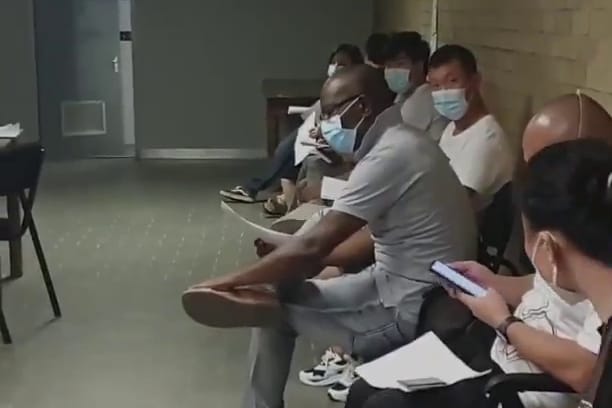
They also generously donated medical materials to the local community, which demonstrates the close and fraternal relations between China and Namibia, Lu added.
According to Lu, as early as January 2020 when Namibia had not yet reported any cases of Covid-19, the Chinese Embassy in Namibia began to take anti-pandemic actions by convening a meeting with Chinese nationals in Namibia, including representatives from travel agencies, during which the Embassy provided guidance of pandemic prevention and required every Chinese citizen to have 14-day self-quarantine immediately when entering Namibia.
Until now, all the Chinese persons have followed relevant requirements and there has been not a single imported case in Namibia by a Chinese national.
Lu indicates that after Namibia recorded its first infected cases in March last year, the Chinese Embassy started to release timely pandemic-related information, as well as the latest prevention and control measures issued by the Namibian government through the Embassy websites and social media platforms for the whole Chinese community.
Every Chinese person was required to strictly abide by the local health regulations, refrain from unnecessary travel, wear masks, wash hands frequently and keep social distance when going out.
In the face of the increasingly severe pandemic, said Lu, the Embassy cares for the health and safety of every Chinese and has provided them with masks and health kits for many times.
“We have encouraged everyone to help one another and combating the challenges together,” according to Lu.
For the infected Chinese citizens, according to the severity of their symptoms, some were asked to execute self-isolation at home, some were sent to hospitals and some were receiving treatment and observation in the specific facilities provided by Chinese organisations.
“The Embassy provided them with necessary medicines and help facilitate online diagnosis with medical experts China. Until now, most of the infected patients have recovered. Only a few of the infected who had not finished receiving two doses of vaccination died of complications like heart attack and high blood pressure. The Embassy has helped the families of the deceased to deal with holding funerals while complying with the local Chinese organisations like Chinese General Chamber of Commerce and Industry in Namibia (CCCI) and the Chamber of Commerce of China-invested Companies in Namibia have also done a lot of work to assist the Embassy and played important roles in organising and supervising the epidemic prevention work, regulations and protocols,” concluded Lu.