


Maria David
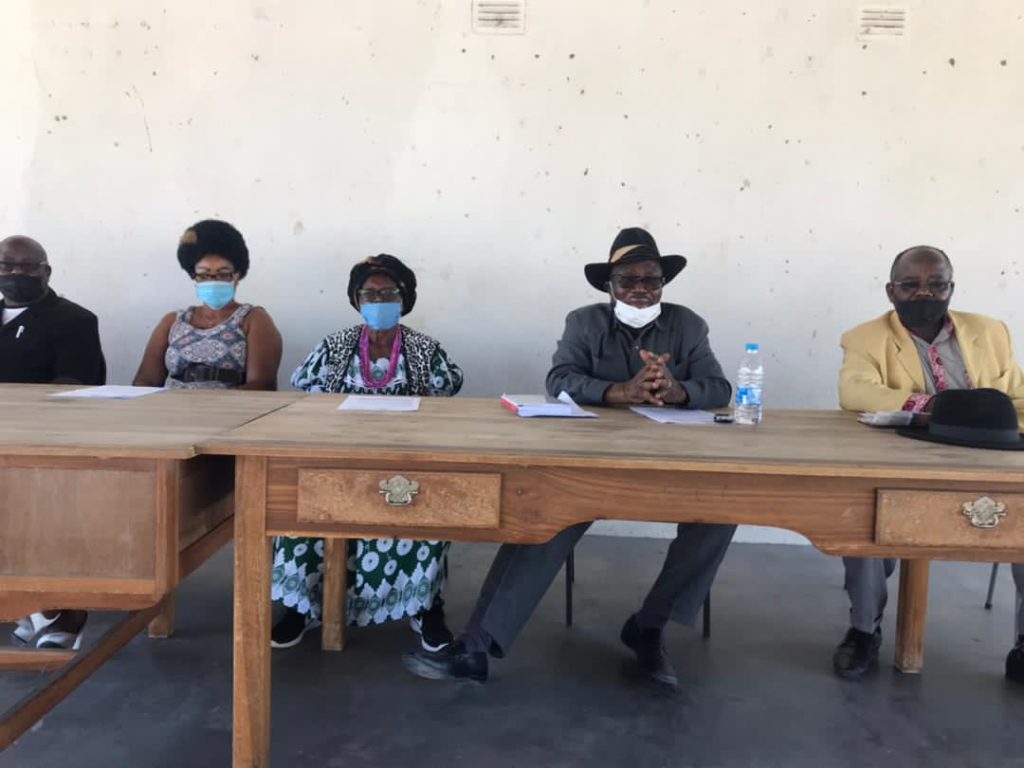
THE Oukwanyama Traditional Authority (OuTA) has withdrawn a court case against dissident community members in what Queen Martha Mwadinomho Kristian Nelumbu described as a step towards healing and ensuring peace and stability within the Oukwanyama traditional community.
Meekulu Nelumbu also spoke of this year’s challenges, singling out the current COVID-19 pandemic, the Foot and Mouth Disease (FMD), and the invasion by locusts.
But her main focus was on solving internal squabbling and maintaining peace and harmony.
She said that the Ohakafiya district was the epicentre of a decade-long conflict that started after the death in 2010 of district head Job Haihambo.
The residents wanted to subvert the Queen’s authority by trying to elect a new head of the district, which is not in tune with OuTA’s customary law.
At the same time, the Queen and her council divided the district into two: Oshikunde and Eenhana led by Toivo Shiweda and Efraim Weyulu respectively.
Some community members objected to the move, calling it unprecedented and dictatorial.
“The purpose of diving the district was to bring services closer to the people,” said Queen Nelumbu, adding that the move was not really unprecedented as it was preceded by the splitting of Haingu into three districts: Omungwelume, Weyulu Hedimbi, and Ohaingu.
OuTA lawyer Silas Kishi-Shakumu pointed out that the conflict in the old Ohakafiya district dates back to about 10 years.
In 2018, the OuTA took the dissidents to court for illicitly appointing new village headmen and made their own date stamps without the blessing of the monarch.
Shakumu said that a case was opened with the High Court. An out-of-court settlement was reached after some of the dissidents apologized unconditionally.
Shakumu said that a year after reaching the settlement, the same group of people violated the agreement and the OuTA registered a case of contempt of court, which case was later withdrawn for the sake of preserving peace and harmony within the OuTA.
He refuted widespread rumours that suggest that the OuTA lost the case, explaining that what happened was that the OuTA had to pay a fee of about N$120 000 for withdrawing the case.
“The payment had nothing to do with losing the case. It was a fine for withdrawing the case,” said Shakumu.
He said that the Ohakafiya conflict is being fueled by a body of activists known as the Namibia Traditional Councils’ Association.


