Maria David
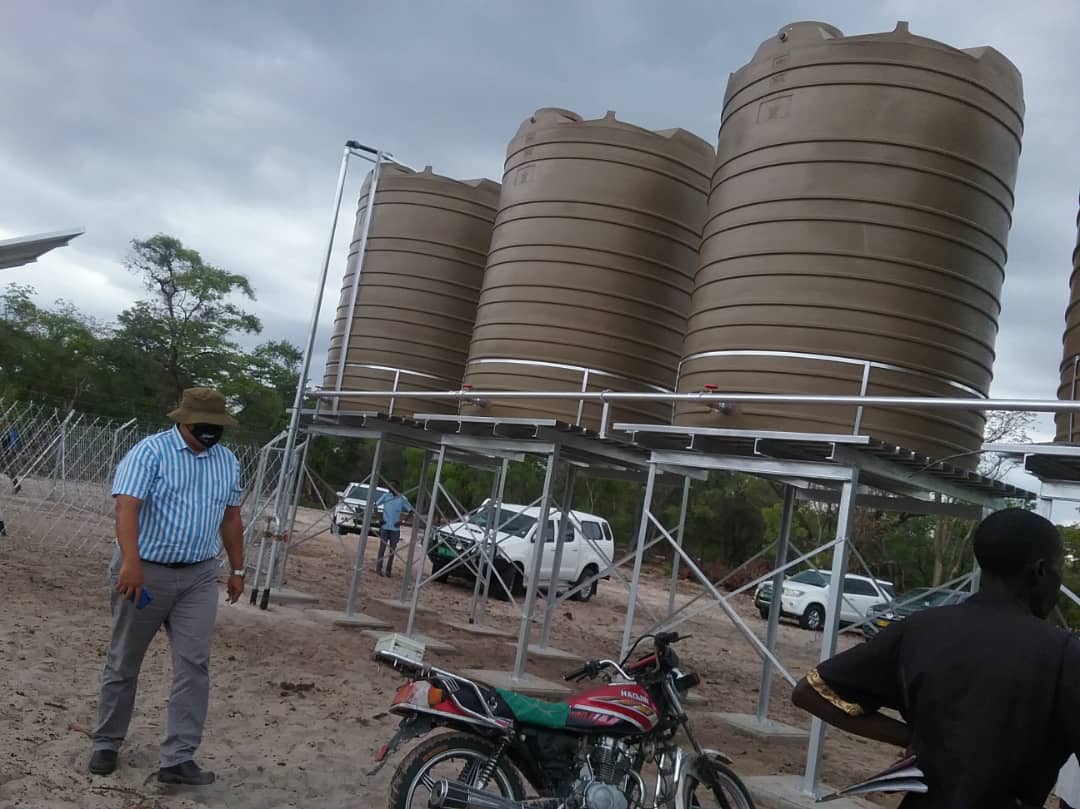
RESIDENTS of five villages in the Omundaungilo Constituency now have clean potable water after the Ministry of Agriculture, Water and Land Reform erected water tanks that are filled from boreholes in the area.
The water is sourced from the Ohangwena Aquifer 2 through boreholes than piped to the villages of Eexwa, Okalundwena, Ohehonge, Onaupanya, and Eneepinga.
Agriculture minister Calle Schlettwein, during a familiarisation visit to the Ohangwena Region, said that there are a number of boreholes drilled in Aquifer 2 and there is no need to treat or purify it as it is good water.
Schlettwein stated that Aquifer 2 is being developed and it’s being done in stages considering the recharge and inflow of water from Angola.
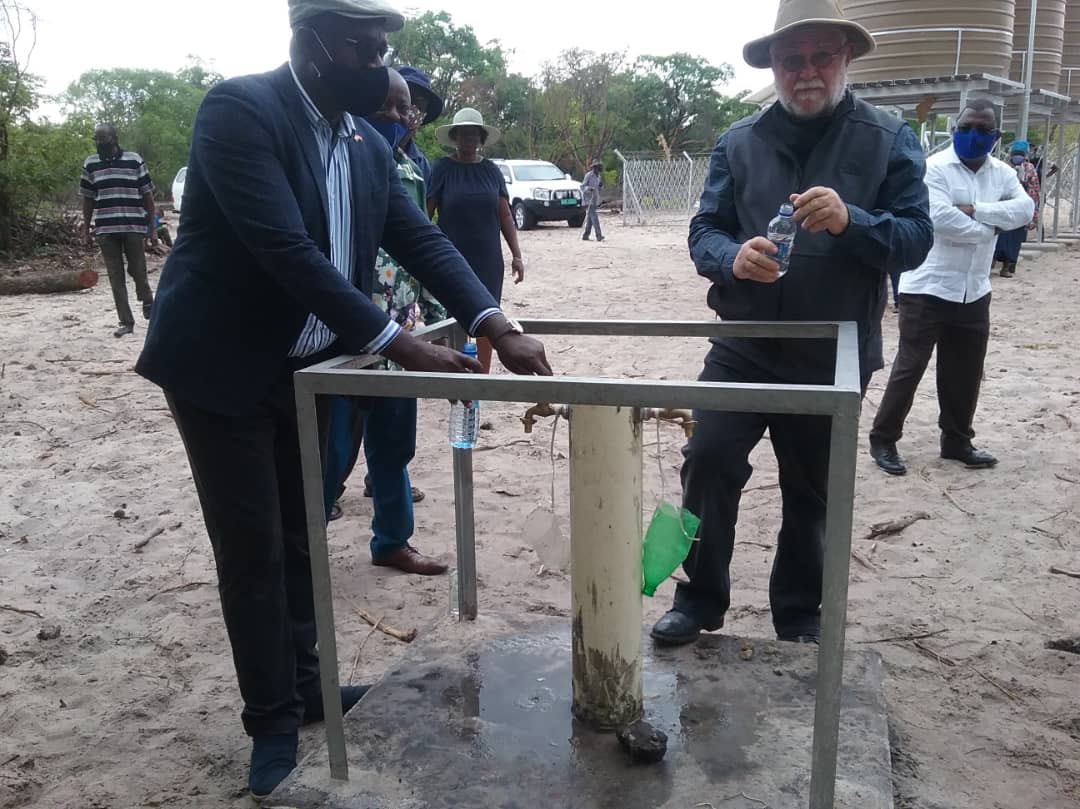
Regional Head of Water Supply and Sanitation Coordinator in Ohangwena region Lazarus Shikololo said the borehole water supply scheme cost government N$3 million of which N$600 000 was spent on drilling and N$ 2.4 million was spent on the installation process.
Shikololo stated that the drilling of the boreholes kicked off during August, while the installation of the water infrastructure was done in September.
Vilho Teofelus headman of Ohehonge said the installation of the infrastructure and boreholes has seen water reaching their areas and that all people now have access to clean water.
“We used to make use of ponds, wells, and earth dams, but now that has become a thing of the past,” said Teofelus.
Eufemia Shitaleni, a resident of Eneepinga, said they are thankful to the government for providing them with clean water.
“We no longer have to consume water from dirty sources where we had to purify ourselves, take our animals for drinking and washing, and bathing,” said Shitaleni.
She added that they mostly used to depend on water sourced from oshanas, self-made earth dams, and ponds found in the areas.