Staff Reporter
PRESIDENT Netumbo Nandi-Ndaitwah has expressed concern about the country’s worsening economic situation, which had already been under pressure from geopolitical tensions, before being further affected by the recent foot-and-mouth disease (FMD) outbreak.
“The impact of the war in the Middle East and foot-and-mouth disease is being strongly felt in our economy. The Mid-Year Budget Review reduced the Government’s real GDP growth forecast for FY2025/2026 from 4.5 per cent to 3.3 per cent, reflecting reduced activity in sectors such as agriculture, diamond mining and manufacturing, as well as weaker performance in parts of the services sector,” she said.
She made these remarks at the Second Namibia Public-Private Forum (NAMPPF II), which recently brought Government and private sector representatives together to discuss economic challenges and strengthen cooperation through structured dialogue.
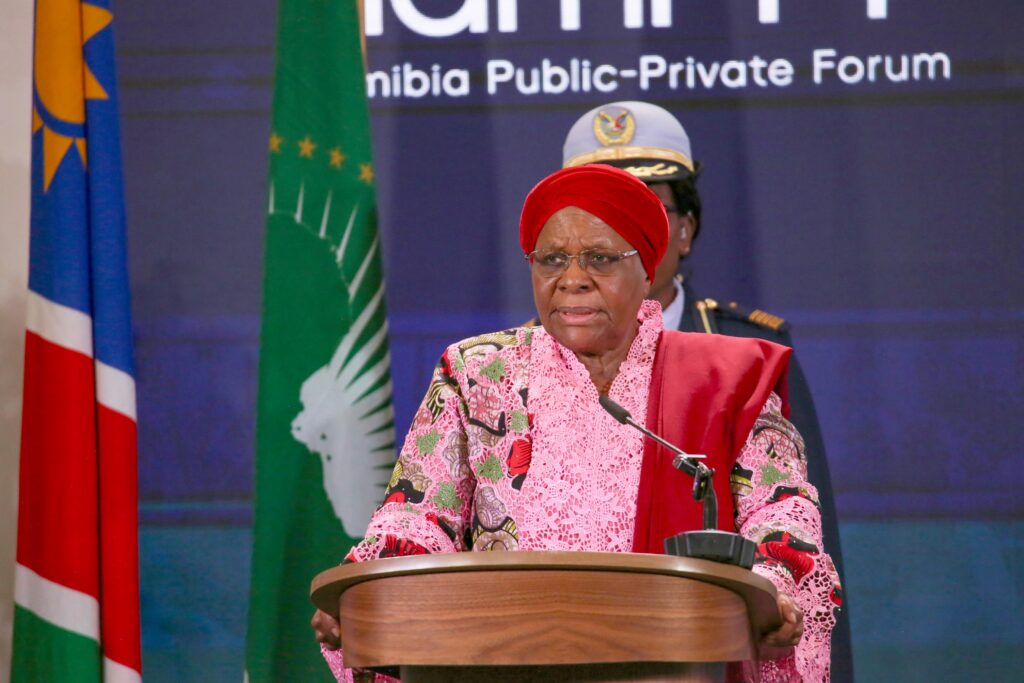
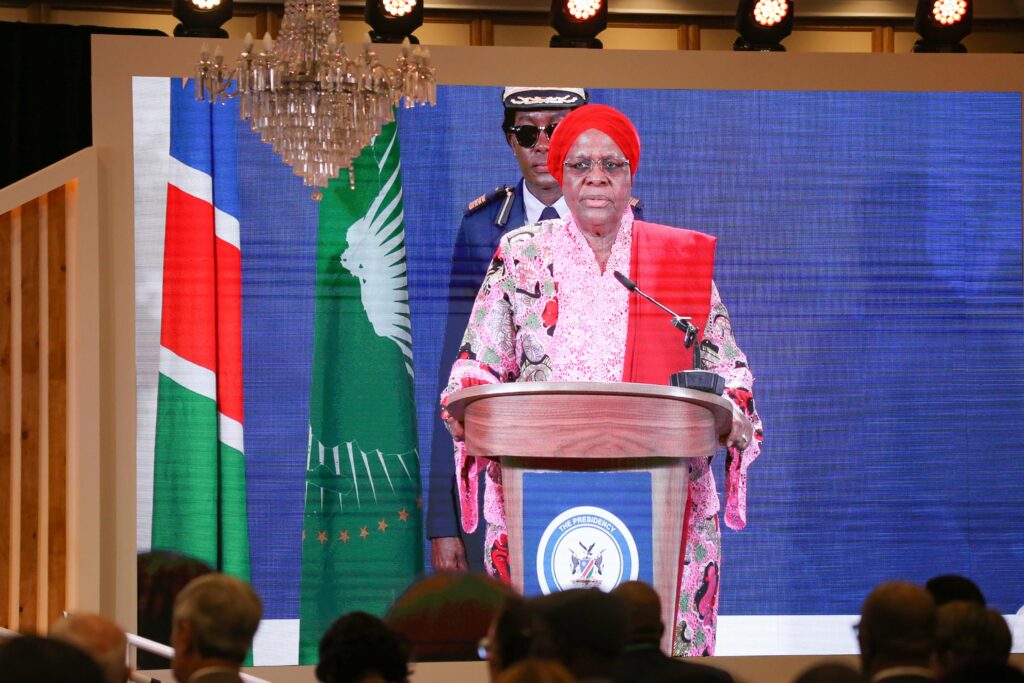
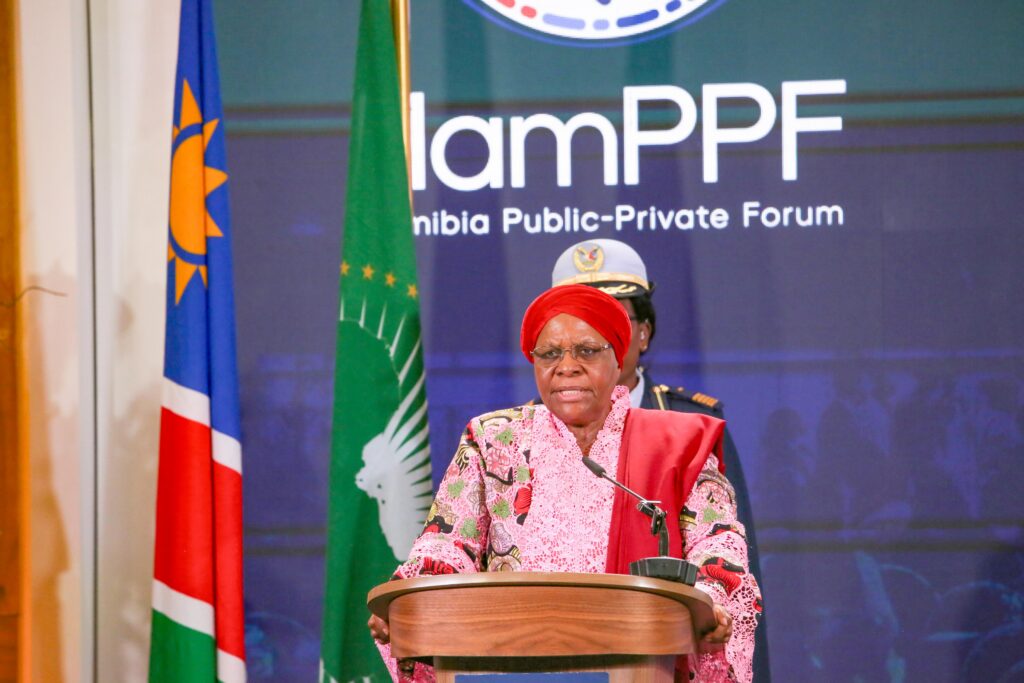
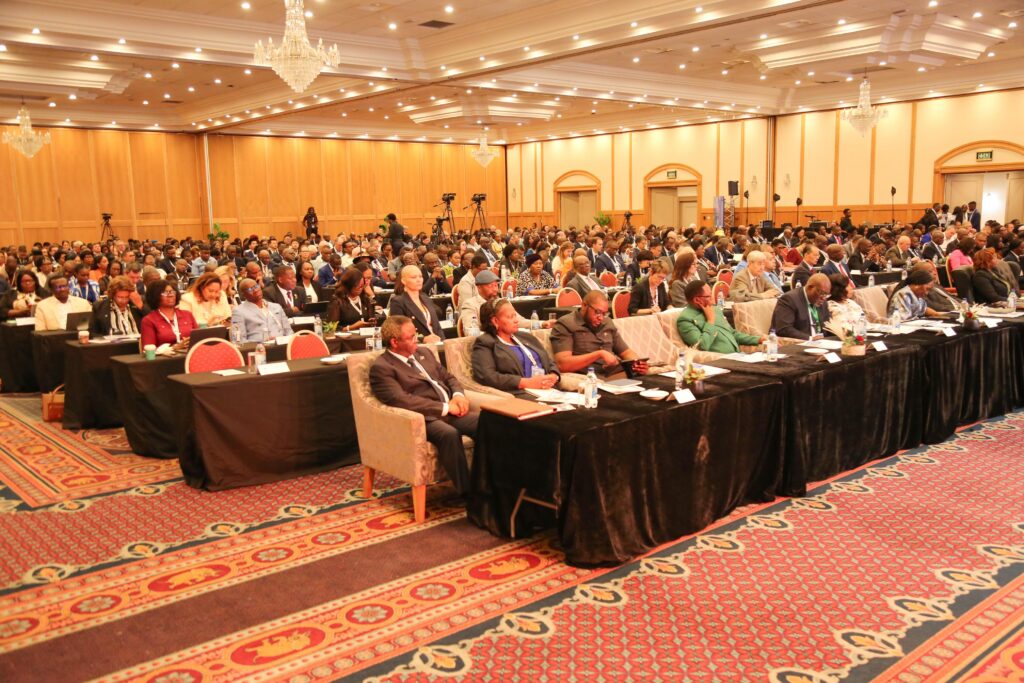


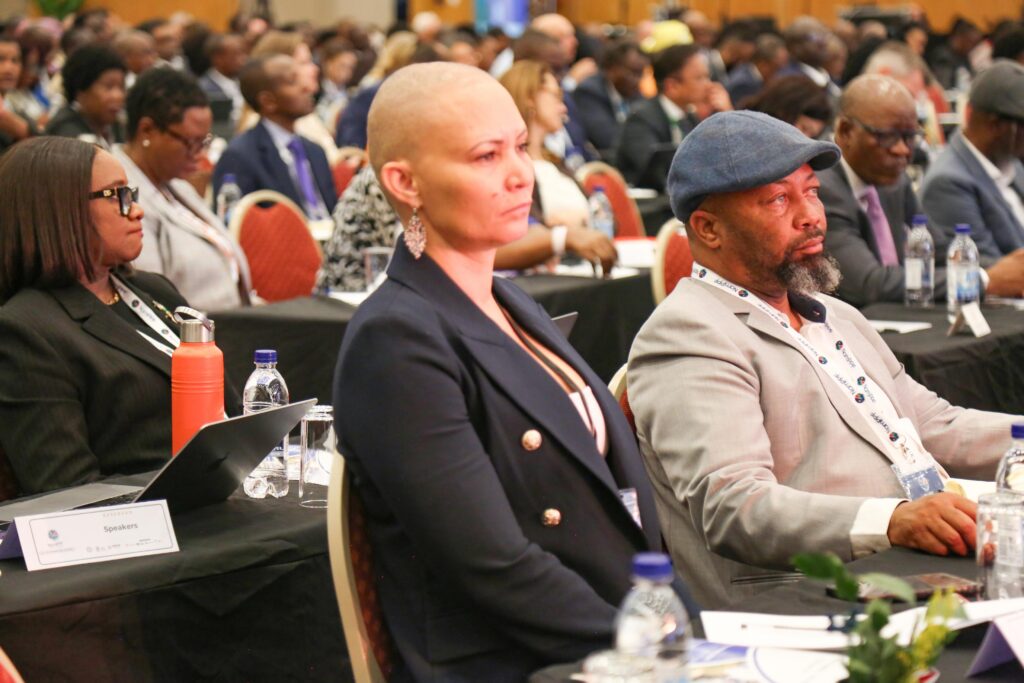
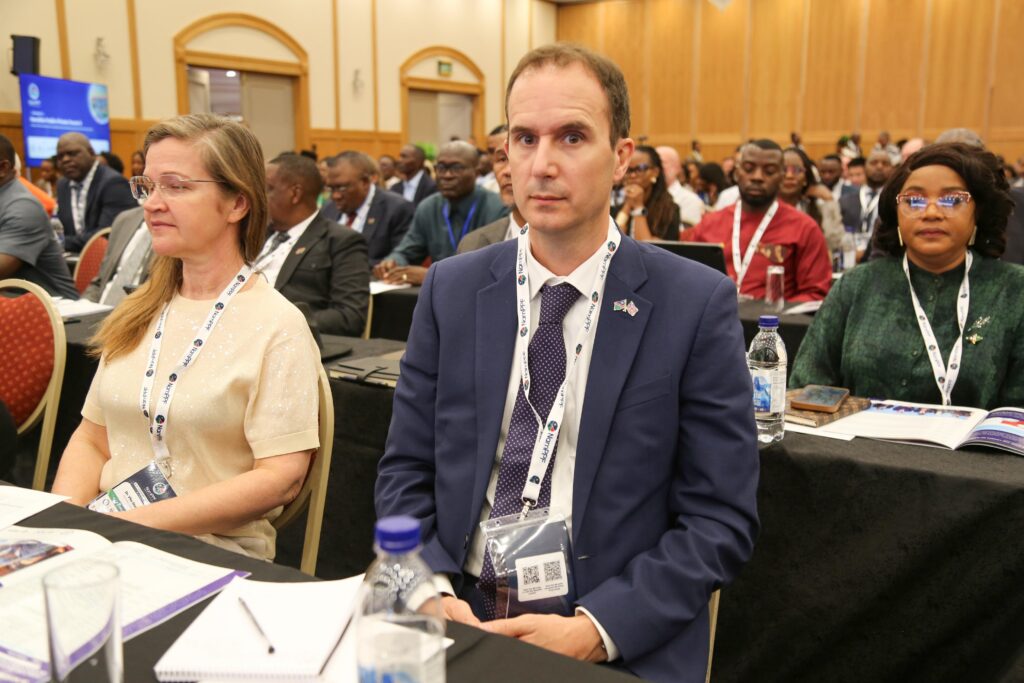
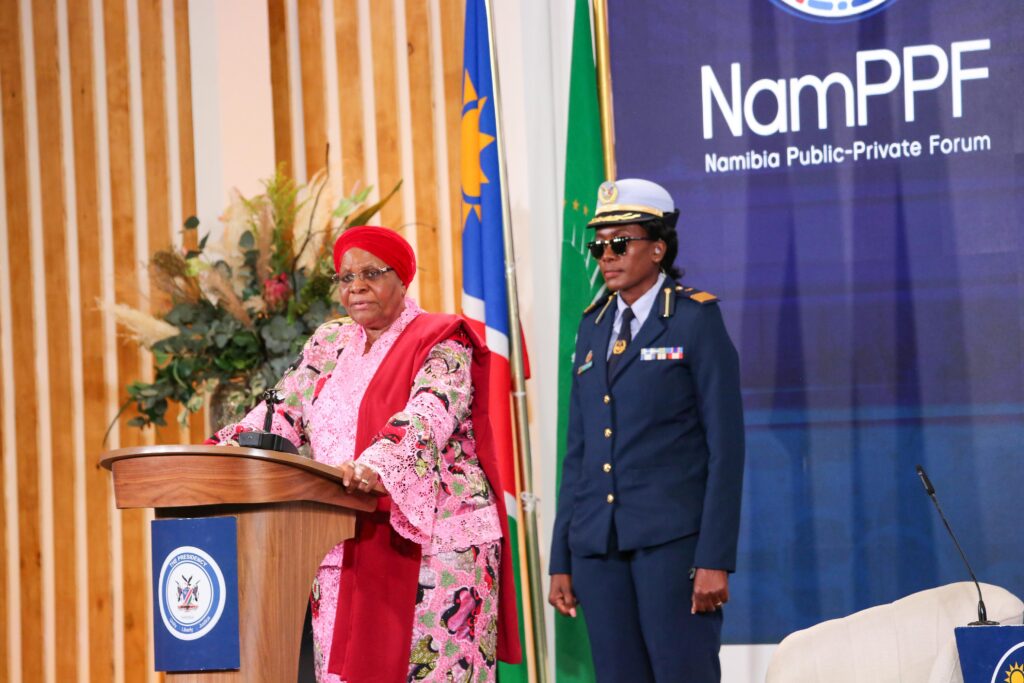
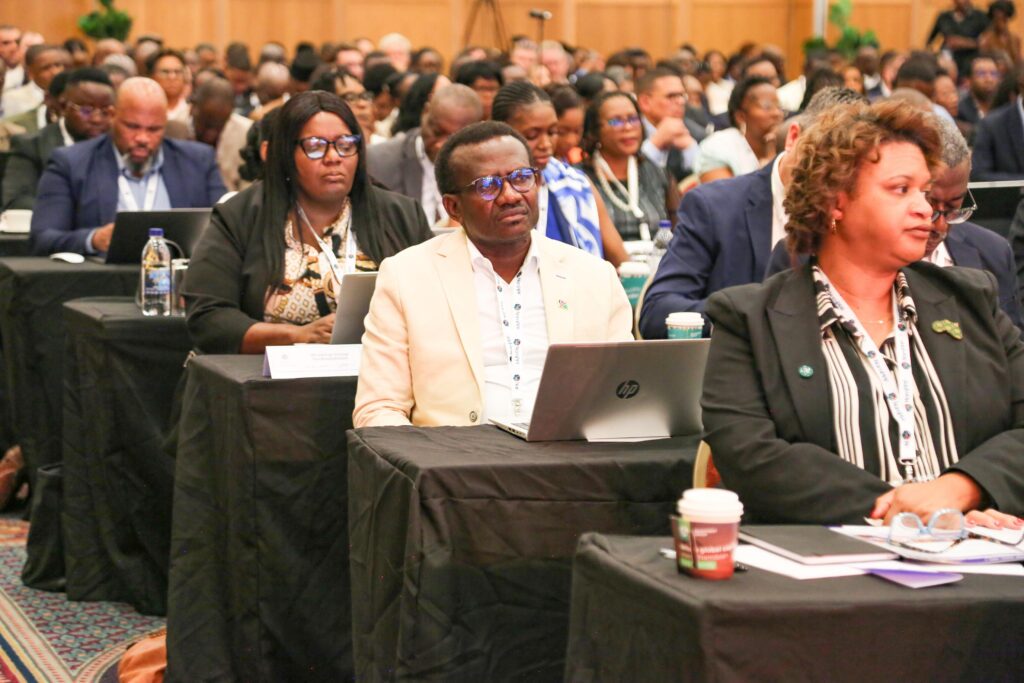
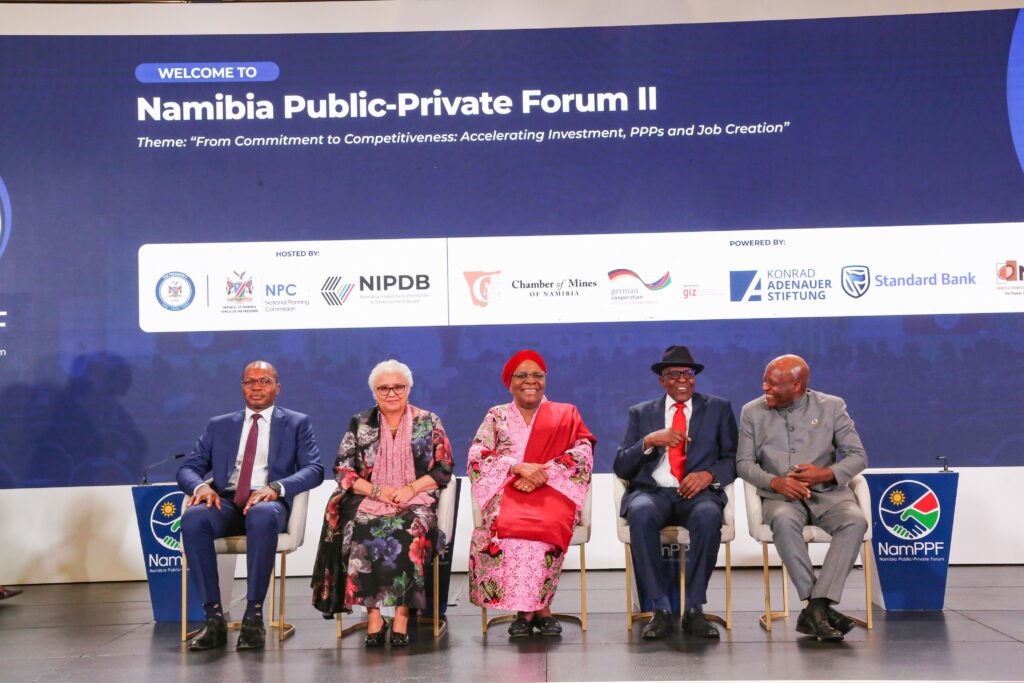
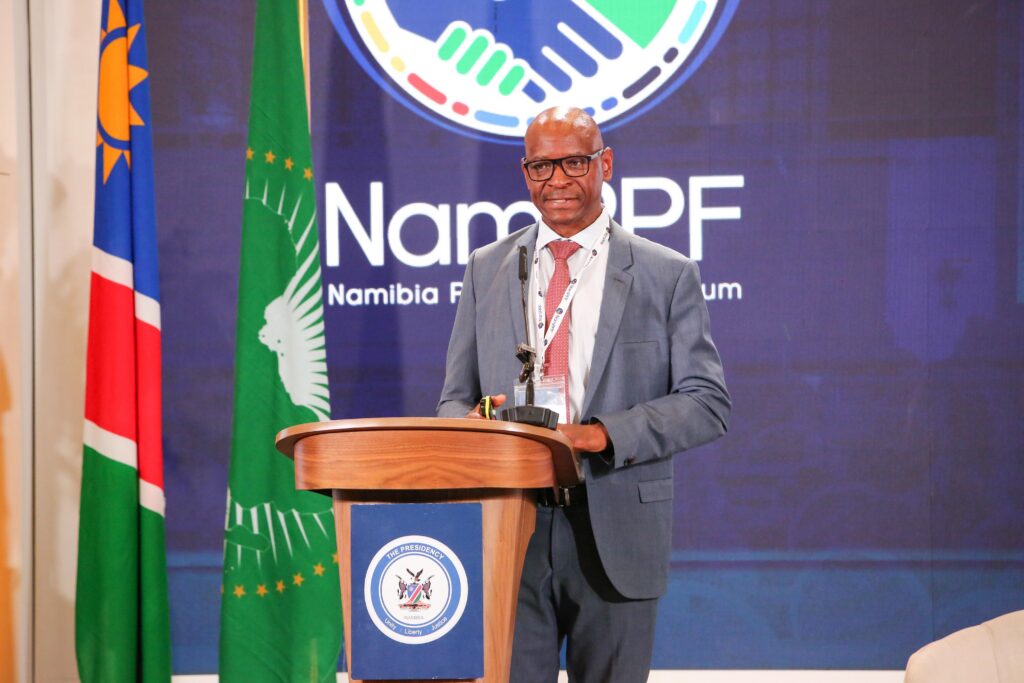
PUBLIC-PRIVATE PARTNERS: Scenes from the Second Namibia Public-Private Forum (NAMPPF II). Photos: Namibian Presidency.
“When we met at the first NAMPPF in October 2025, the economy was showing signs of strain, and we focused on how to turn the tide. However, we did not know that in 2026 there would be a war in the Middle East, negatively affecting the global economy. Meanwhile, at home, foot-and-mouth disease was not yet a concern,” she said.
The president explained that, although uranium and gold provided some support, the wider economy lacked the momentum needed to accelerate investment and employment. She also noted that fiscal space was constrained, revenue expectations had been revised downwards, expenditure demands remained high and debt-servicing costs were rising.
“The National Statistics Agency recorded actual growth of 1.7 per cent for the 2025 calendar year, while the Bank of Namibia projects growth of 2.1 per cent for 2026. The October 2025 Mid-Year Budget Review had forecast growth of 3.3 per cent for FY2025/2026. Although the periods are not directly comparable, the figures show the gap between earlier expectations and subsequent performance. Annual headline inflation reached 5.6 per cent in October 2026, compared with 3.6 per cent a year earlier,” she continued.
The president acknowledged that these statistics were concerning. However, she added that Namibia’s economy retained substantial opportunities in minerals, energy, agriculture, fisheries, tourism and services.
“Our task is to turn investment into productive activity. The inaugural Forum called for competitiveness, investment, diversification and job creation to improve people’s livelihoods, while the Government balances urgent development needs with responsible spending. The Government and the private sector cannot flourish independently; they must bring together their respective roles, capacities and strengths through constructive engagement to grow the economy and deliver on the aspirations of the market and the people of the country,” the president said.
She explained that while Namibia could not control its vulnerability to external shocks, it could control its response. She assured that the Government was working hard to advance reforms, strengthen institutions, improve the investment climate and implement the national development agenda.
“Geopolitical tensions, conflicts, supply chain disruptions, volatility in commodity markets and uncertainty in the global economy continue to affect trade, investment decisions, input costs and the fiscal environment. As a small, open economy, Namibia is exposed to these developments. We cannot control every external shock, but we can strengthen our resilience, improve coordination and act decisively within our own areas of responsibility,” the president added.