Staff Reporter
THE second Hardap Regional Arts and Culture Festival has been officially opened in Mariental, with Vice President Lucia Witbooi calling for greater investment in Namibia’s creative industries, arts education and cultural heritage to create opportunities for young people and contribute to economic development.
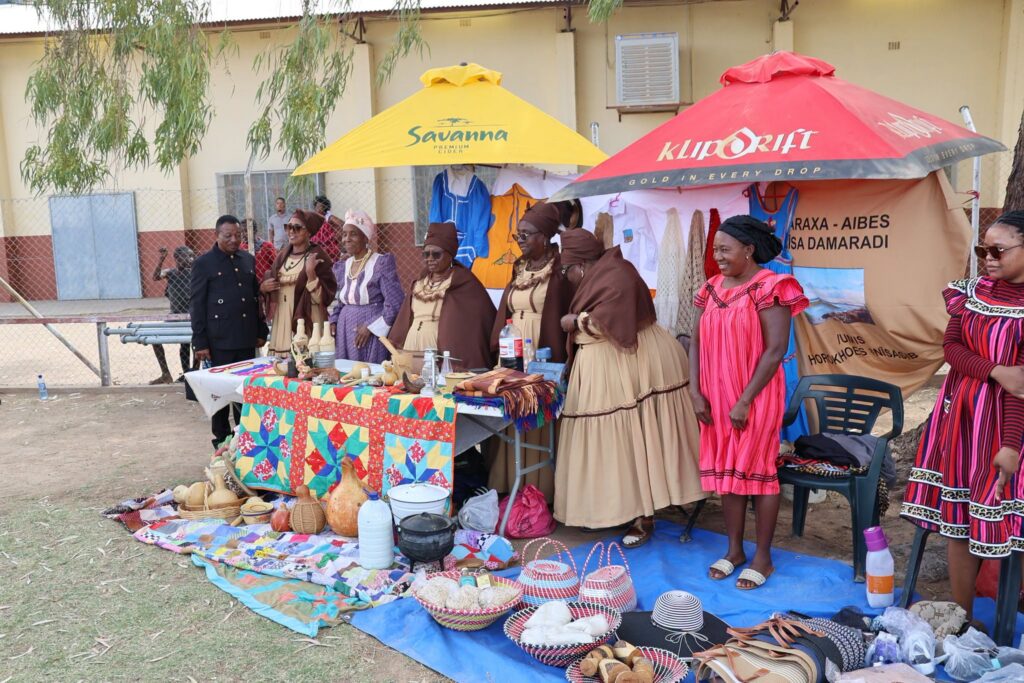
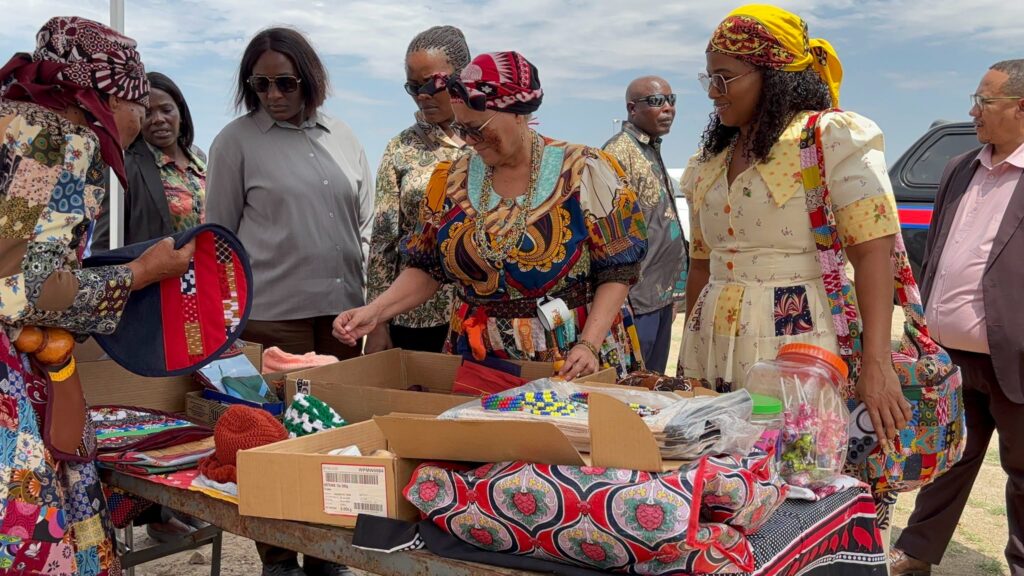
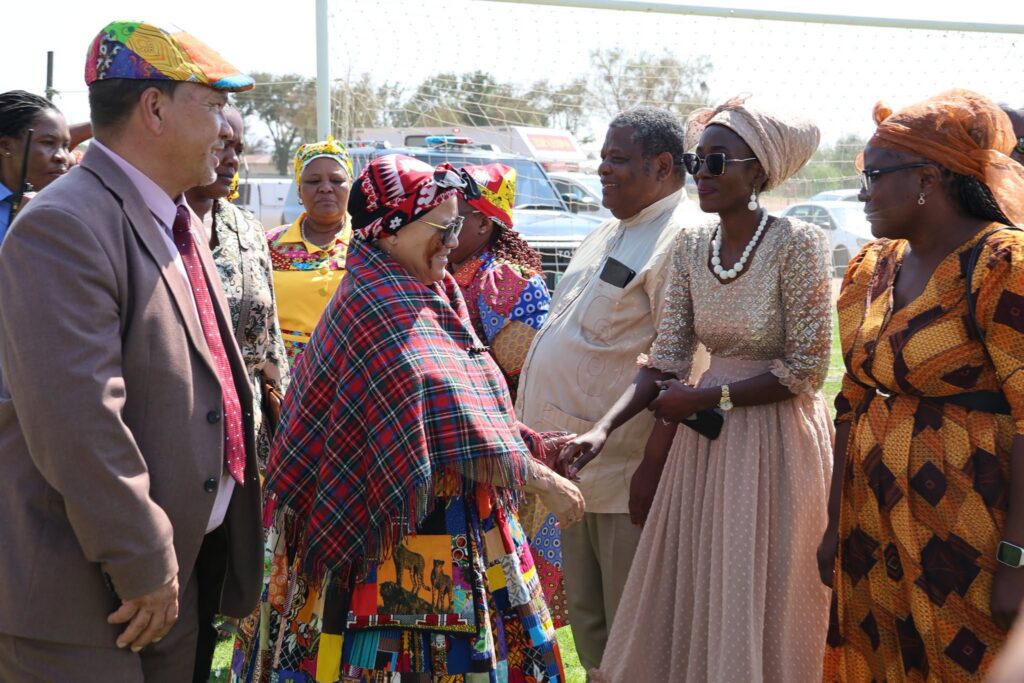
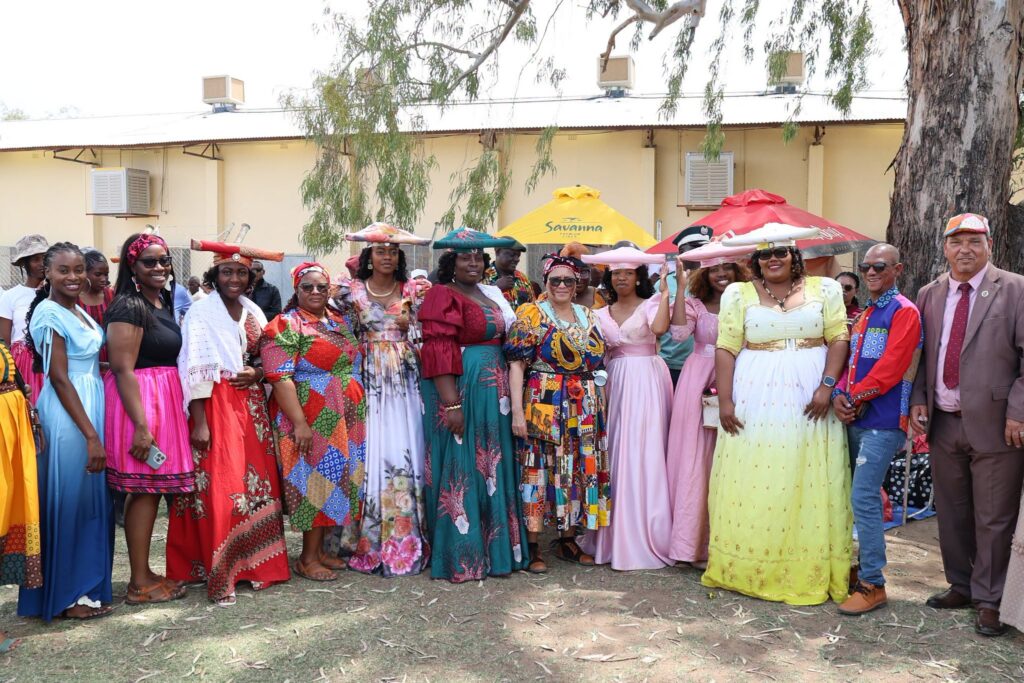
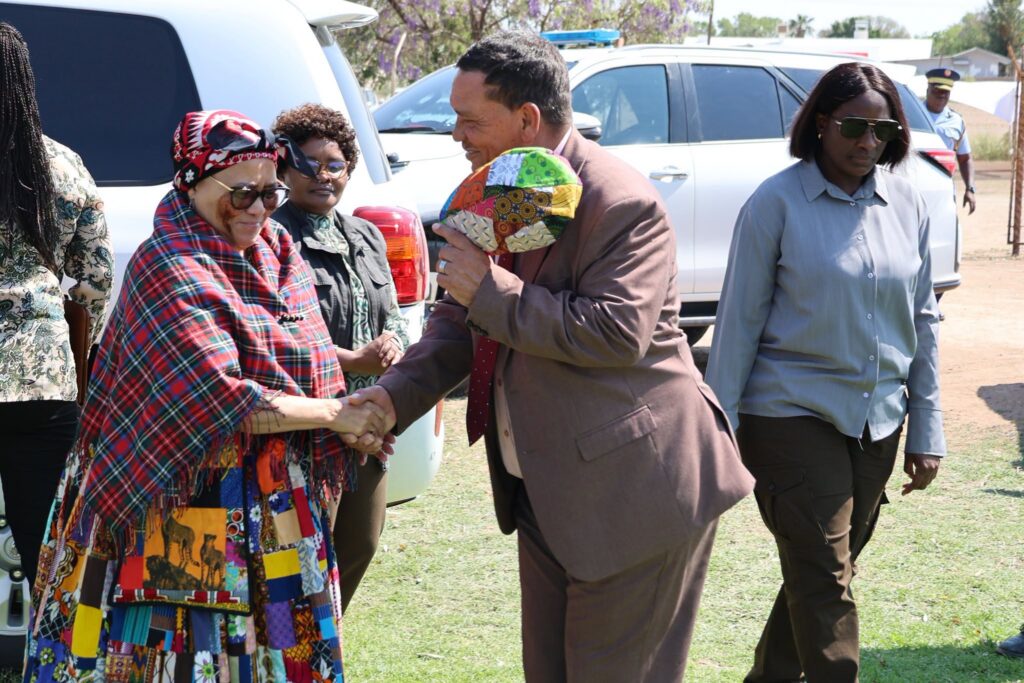
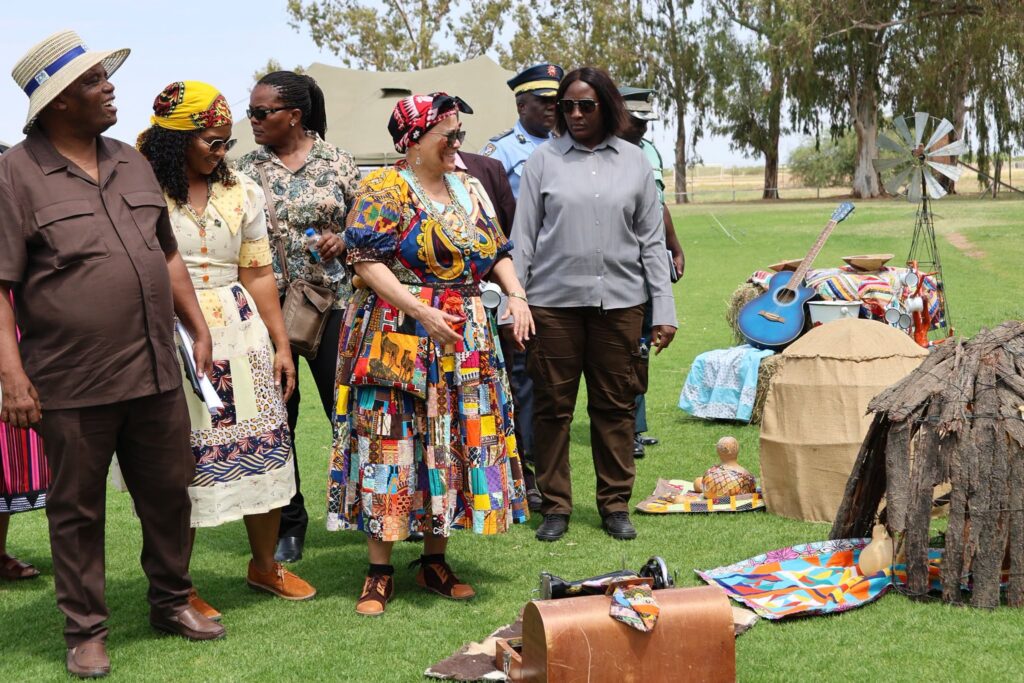
The festival, held at Pensian Stadium under the theme “Rooted in Heritage, Driven by Creativity, Inspiring our Future”, brought together cultural groups, traditional performers, artists, community members and invited dignitaries to celebrate and promote the cultural heritage of the Hardap Region.
In her keynote address, Witbooi said culture plays an important role in preserving Namibia’s history, strengthening national identity and promoting unity and social cohesion.

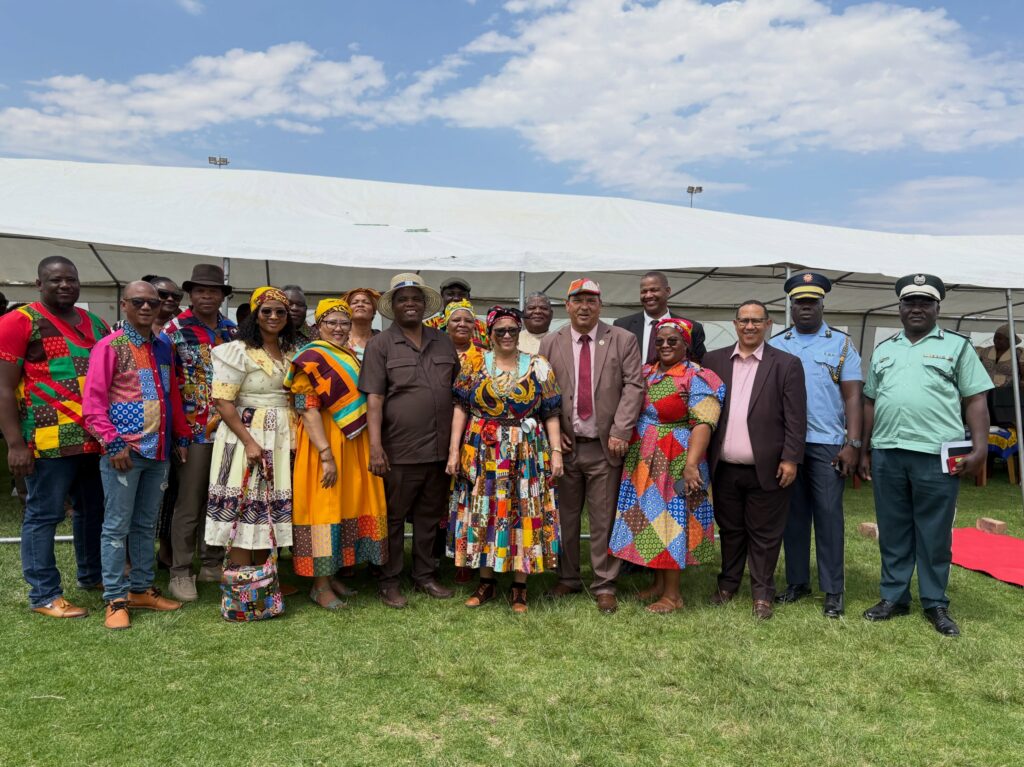
Photos: MICT Hardap Regional Office
“Our languages, traditions, stories, indigenous knowledge and creativity connect generations, preserve our history, strengthen national identity and promote unity and social cohesion,” she said.
Witbooi said the preservation and promotion of Namibia’s heritage should be regarded as a shared national responsibility involving families, communities, traditional authorities, schools, cultural institutions, artists, the private sector and Government.
She highlighted Namibia’s commitment to heritage preservation at national and international level, noting that the country deposited its instrument of acceptance of the UNESCO World Heritage Convention in 2000.
She also pointed to the recognition of Twyfelfontein or /Ui-//aes on the World Heritage List in 2007 and the Namib Sand Sea in 2013, as well as Namibia’s intangible cultural heritage, including Aboxan Musik ǀŌb ǂÂns tsî ǁKhasigu, which preserves ancestral musical knowledge of the Nama people, and Oshituthi Shomagongo, the marula fruit festival.
“These recognitions remind us that our heritage is not only valuable to Namibians; it forms part of the heritage of humanity,” Witbooi said.
She said arts and culture also contribute to national development through education, human development, social cohesion, creativity, entrepreneurship, tourism and employment.
According to Witbooi, the creative sector has the potential to contribute to employment, enterprise development, tourism, investment and economic growth, in line with the objectives of Namibia’s Sixth National Development Plan (NDP6).
She said creative industries should no longer be viewed only as areas of celebration, but as productive sectors capable of creating jobs, stimulating businesses, attracting visitors and opening new markets for Namibian creative products and services.
Witbooi particularly called for investment in young people, saying they are already active as musicians, artists, designers, filmmakers, writers, performers, craftspeople, digital creators and entrepreneurs.
“Their creativity is a national asset, but talent must be supported with the right skills, opportunities and enabling environment,” she said.
She commended the Ministry of Education, Innovation, Youth, Sports, Arts and Culture for efforts to strengthen arts education and teacher capacity.
She highlighted a recently concluded week-long arts teachers’ training programme in Mariental, as well as training on the School Culture Club for Development programme in Mariental and Aranos.
The training is aimed at helping teachers establish school-based culture clubs and use culture to promote learner development, creativity and heritage preservation.
Witbooi also highlighted a beadwork and embroidery training programme conducted by the Hardap Directorate of Education’s Arts and Culture section in partnership with Penduka Village for women in Hoachanas.
She said the programme could help rural women strengthen their craft skills, generate income and build sustainable livelihoods.
“These initiatives are indeed commendable and must be strengthened and expanded,” she said, urging schools to integrate arts and culture into the educational experience of learners.
Witbooi also called on artists and cultural practitioners to continue creating and telling authentic Namibian stories, while encouraging young people to view their creative talents as potential professions, businesses and sources of livelihoods.
She urged the private sector to support the creative industries through partnerships, sponsorship, technology and market access, and called on the tourism sector to incorporate Namibian culture more strongly into the visitor experience.
She said Government would continue working to create conditions for culture and creativity to flourish, including strengthening cultural institutions and infrastructure, developing skills, facilitating access to finance and markets, and ensuring opportunities reach communities across all 14 regions.
“As we celebrate this festival, let us therefore think beyond the event itself. Let it become a platform for discovery, collaboration, innovation and enterprise,” Witbooi said.
She called for renewed commitment to protecting Namibia’s cultural heritage while creating meaningful opportunities for artists, cultural practitioners and young people.
Witbooi officially declared the second Hardap Regional Arts and Culture Festival open.
The festival programme included cultural performances, a showcase of traditional attire and discussions on the importance of preserving arts and culture.