Staff Reporter
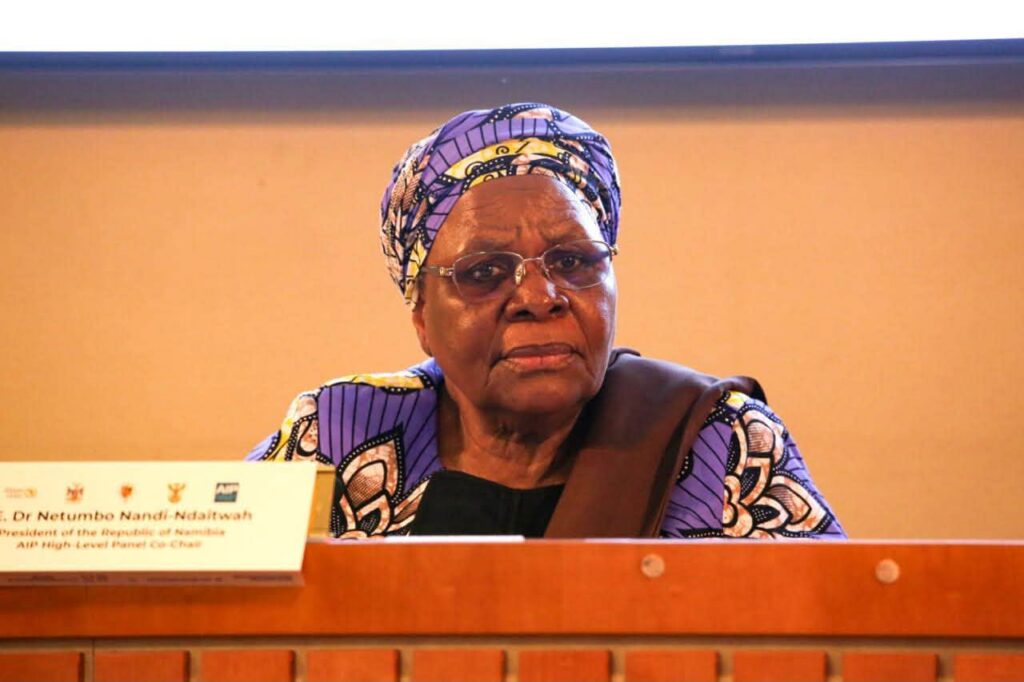
PRESIDENT Netumbo Nandi-Ndaitwah has called for stronger investment in Africa’s water sector, urging governments and development partners to turn political commitments into bankable projects and tangible results as the continent works to close its water investment gap.
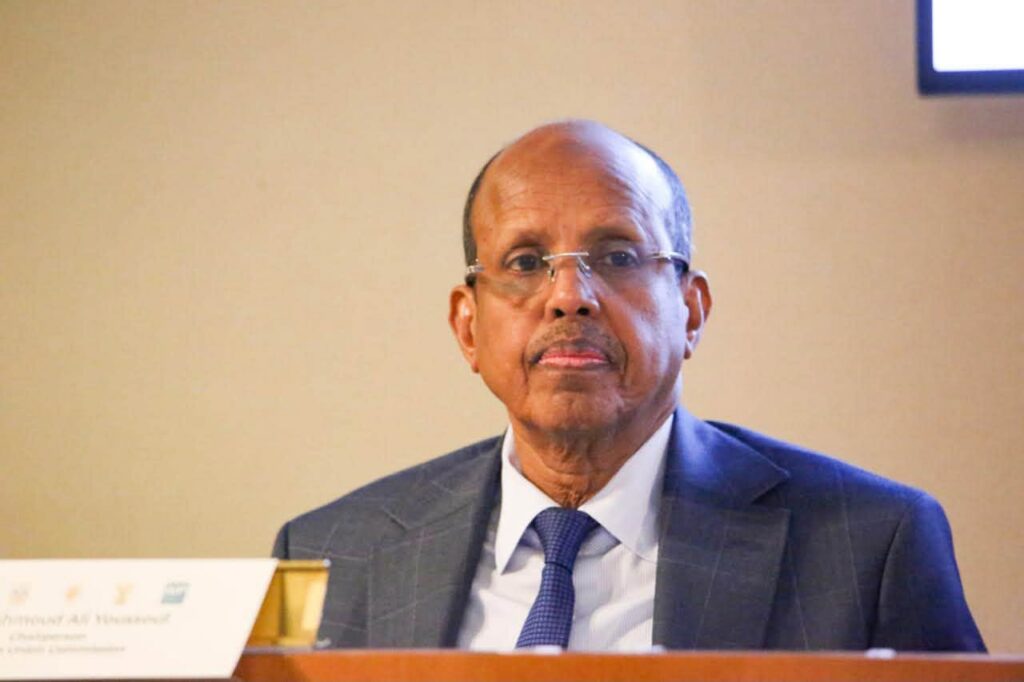
Nandi-Ndaitwah made the call at the margins of the 81st Session of the United Nations General Assembly in New York, where she co-chaired the International High-Level Panel on Water Investments for Africa and Global Cooperation.
The engagement brought together African and global partners to mobilise investment and strengthen cooperation ahead of the 2026 UN Water Conference in Abu Dhabi.


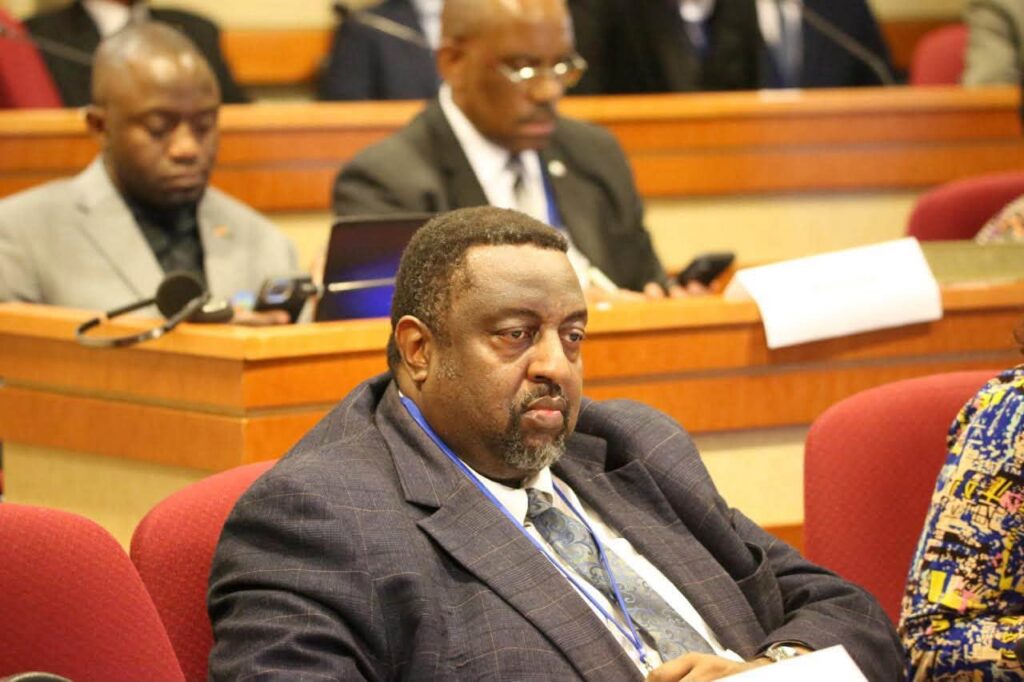

Photos: Namibian Presidency
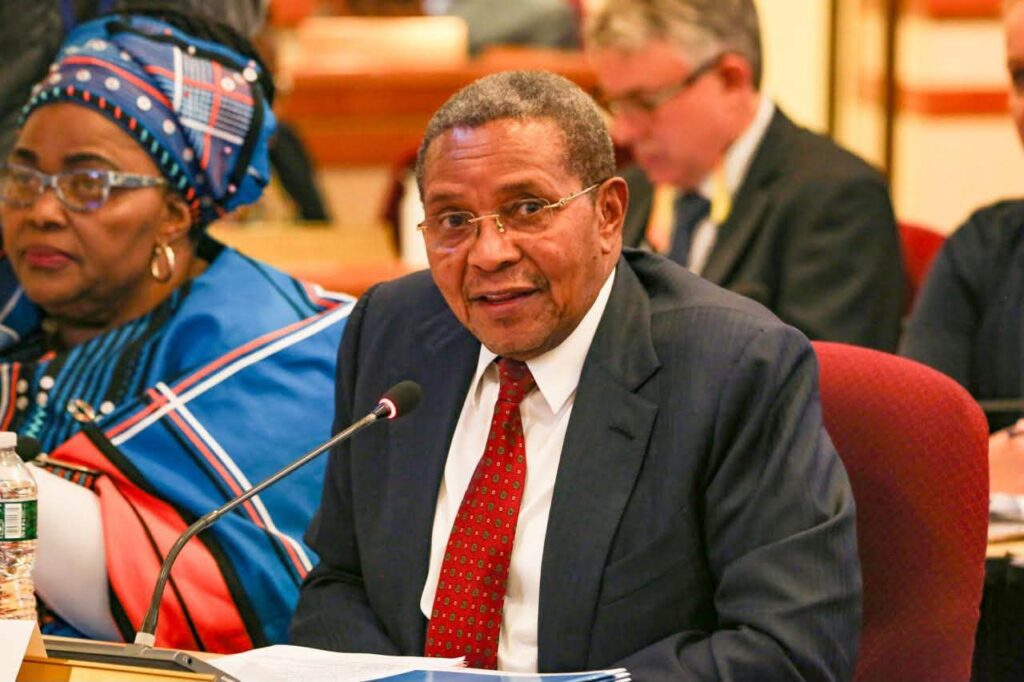
The meeting also featured the presentation of the International High-Level Panel on Water Investments for Africa Progress Report 2021–2026 by former Tanzanian President and Alternate Co-Chair of the Panel, Jakaya Kikwete.
The report takes stock of progress made and the work still required to close Africa’s water investment gap. It shows that the Continental Africa Water Investment Programme has mobilised an estimated US$10–12 billion in annual water investment pipelines towards the target of mobilising an additional US$30 billion annually by 2030.
“We must therefore translate political commitment into valuable projects and tangible results,” Nandi-Ndaitwah said, underscoring the importance of water to food security, poverty eradication, climate resilience and sustainable development.
The President reaffirmed Namibia’s readiness to welcome investment into its water sector, highlighting efforts under NDP6 to expand and diversify water infrastructure, including water purification, aquifer recharge, raw-water distribution and seawater desalination.
The progress report also highlights Namibia as a founding co-chair of the AU-AIP International High-Level Panel on Water Investments for Africa, which was launched at the 9th World Water Forum in Dakar in March 2022.
Namibia serves as a co-chair of the High-Level Panel and as a Global Champion for Water and Gender Equality. The late President Hage Geingob was also awarded the Presidential Global Changemakers Award in March 2023 during the UN Water Conference in recognition of his leadership in water security.
According to the report’s inaugural 2025 Africa Water Investment Programme Index baseline, which assessed 30 African Union member states, Namibia ranked fifth with a score of 50.3 out of 100. Namibia was among five countries to score above the 50.0 benchmark classified as “High Progress”.
South Africa ranked first with 62.5, followed by Seychelles with 62.1. Other Southern African countries assessed included Mozambique, Lesotho, Zimbabwe, Botswana, Zambia and Malawi in the moderate-progress category, while Eswatini, the Democratic Republic of the Congo and Madagascar were classified as low progress.
The report further recognises Namibia’s role in global water diplomacy, including its co-convening of the inaugural Global Leaders Event on Water Investments on the margins of the UN General Assembly alongside Senegal and South Africa.
Namibia is also the host of the Global Water Partnership Organisation Secretariat in Windhoek, strengthening its role in international water cooperation.
The report highlights the role of regional economic communities, including the Southern African Development Community, in proposing transboundary water projects under the Programme for Infrastructure Development in Africa Priority Action Plan 2.
The programme comprises 69 regional infrastructure projects, while the report calls for greater support for regional economic communities to develop climate-resilient water investment programmes and project pipelines capable of attracting climate finance.
Looking ahead to the 2026 UN Water Conference in Abu Dhabi, Nandi-Ndaitwah called for commitments to be translated into concrete action.
Namibia is also set to host the 2028 International Network of Basin Organisations World Basin Summit, providing another platform to strengthen cooperation and investment in water security.
For Africa, the focus now is on accelerating implementation and ensuring that investment in water contributes to sustainable development and improved livelihoods.