Staff Reporter
ORAL health teams across the Omusati Region have this week taken dental care beyond health facilities as part of National Oral Health Awareness Week, being observed countrywide from 14 to 18 September.
The week aims to raise awareness of the importance of oral health, promote prevention and encourage early treatment.
Chief Dentist in Omusati, Dr Afro-Latin Namakalu, said oral health is often mistakenly viewed as separate from general health despite its close link to overall wellbeing.
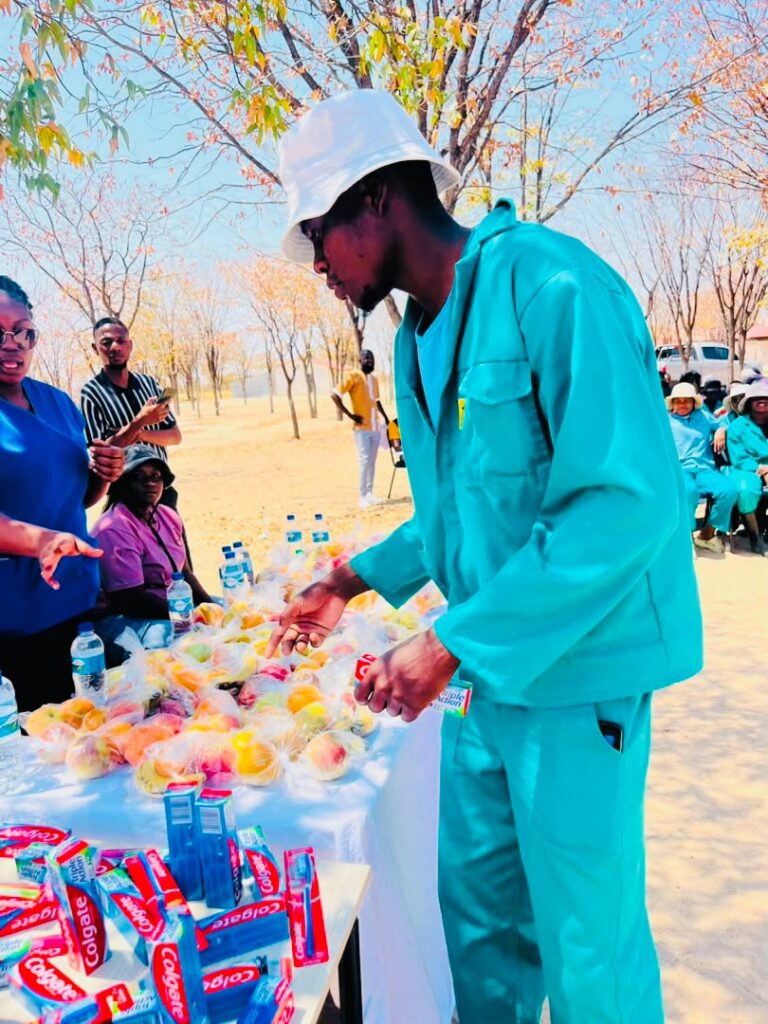
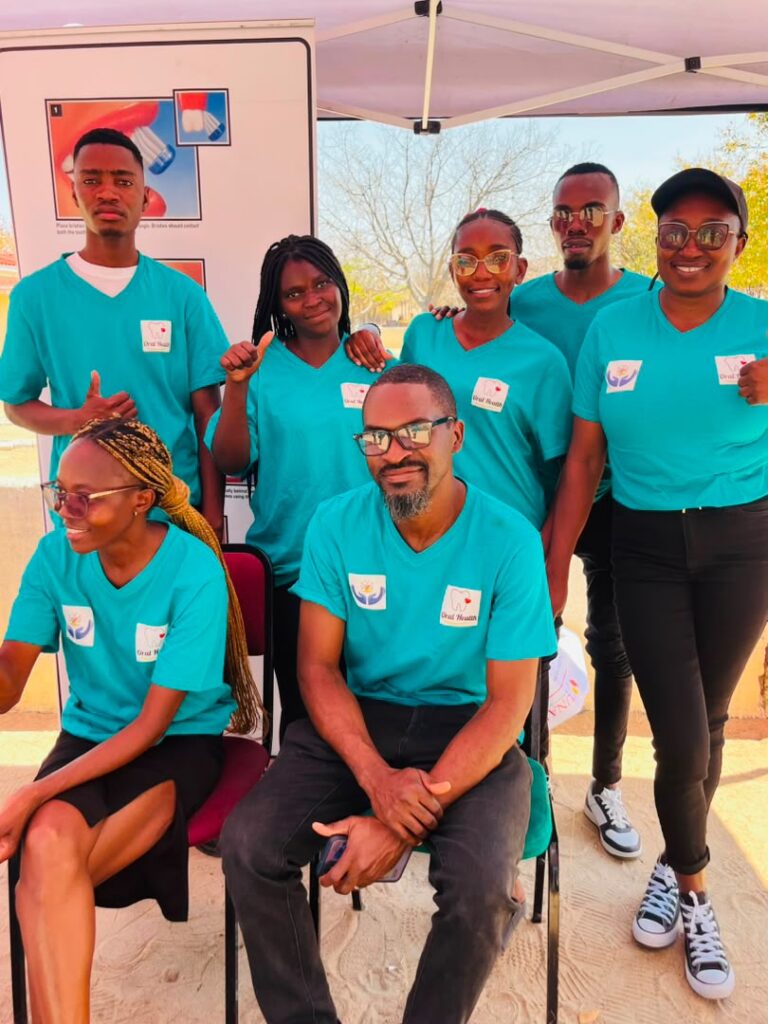
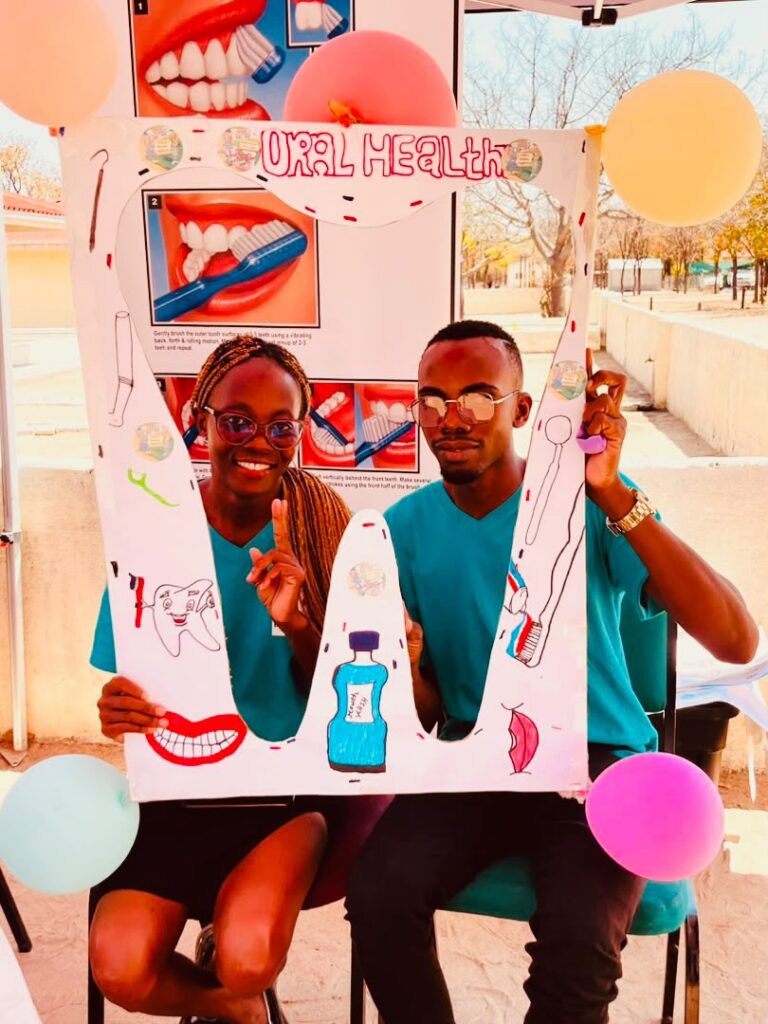
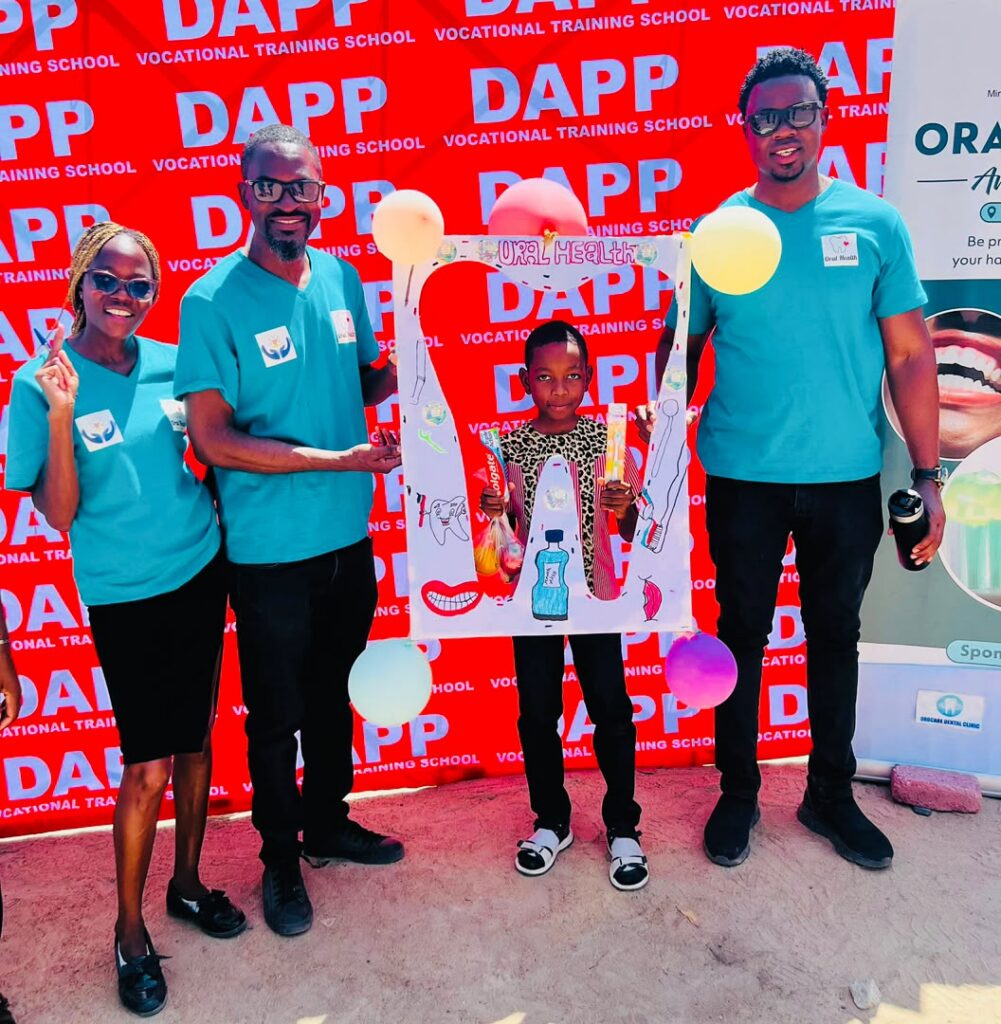
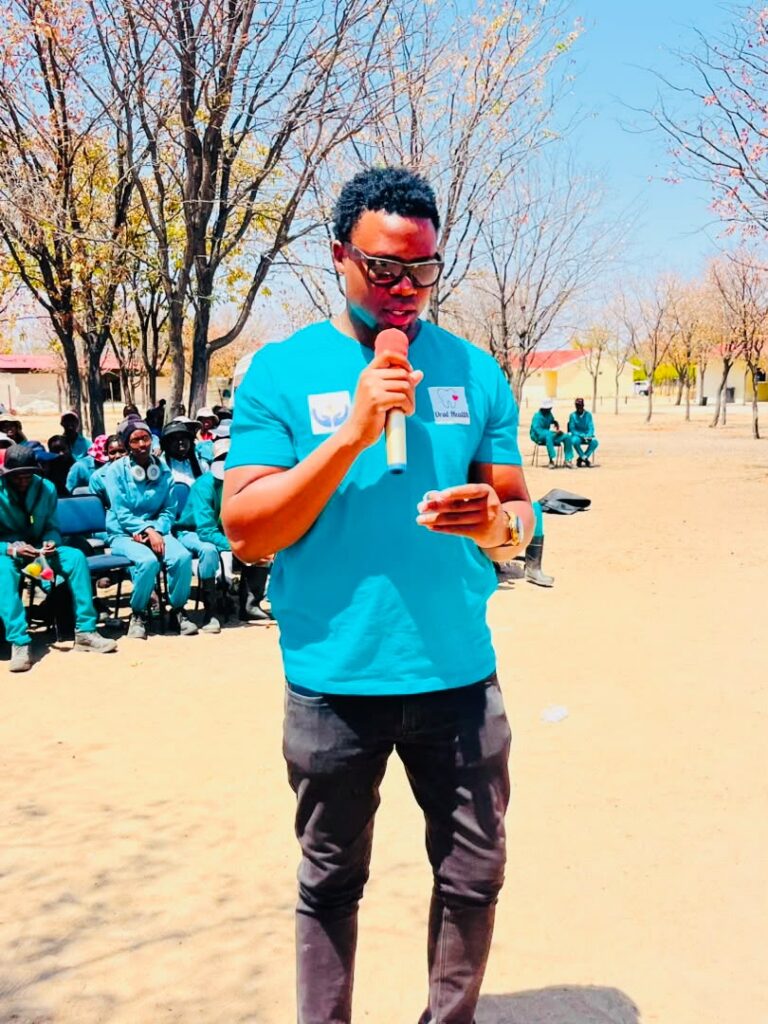
“The dental fraternity steps outside the confines of clinical practice to engage directly with the communities we serve, translating technical knowledge into accessible, actionable public health messaging,” Namakalu said.
As part of the campaign, multidisciplinary teams have been deployed across all four districts, with outreach activities at five sites – two in Outapi and one each in Okahao, Tsandi and Oshikuku.
Activities include health education, oral screenings, demonstrations of proper brushing techniques and referrals for further clinical care.
Namakalu said tooth decay and gum disease remain the most common conditions in the region, largely driven by inadequate brushing, high sugar intake, tobacco and alcohol use, and limited access to routine check-ups.
He flagged oral cancer as a growing concern, noting that it often goes undetected in the early stages. Tobacco, excessive alcohol use and HPV infection are among the risk factors.
Members of the public were urged to brush twice daily for two minutes using fluoride toothpaste and a soft-bristled brush, use gentle circular motions, floss daily and visit a dentist every six months, even without pain.
“Oral disease is often silent in its early stages,” he warned, adding that regular examinations help detect changes early.
People were also advised to limit sugary drinks and snacks, and to seek immediate care for persistent tooth pain, bleeding gums, loose teeth, facial swelling, or mouth sores and patches that do not heal within two weeks.
The campaign aims to help communities “learn, unlearn and relearn” oral disease prevention, Namakalu said.