
Staff Reporter
The Minister of Education, Dr Sanet Steenkamp, has officially inaugurated the new Board of the National Youth Service (NYS), challenging its members to assess whether the legislation governing the Service remains fit for purpose in light of changing national circumstances.
“I also encourage the Board to consider whether the existing legislative framework remains fully responsive to the realities of the National Youth Service today. The Act dates back to 2005. Much has changed in our country, our economy, our labour market and the expectations of young people since then. The Act itself gives the Board a role in advising the President on legislation concerning youth matters, including amendments to the National Youth Service Act. I therefore expect the Board, in consultation with Management and the Ministry, to identify areas where the legislative and policy framework may require strengthening or modernisation,” Steenkamp said.
She made the remarks at the official inauguration ceremony of the Board, held at the NYS Headquarters in Windhoek, where she reminded the newly appointed Board that a thorough understanding of the lNYS Act is fundamental to carrying out its responsibilities effectively.
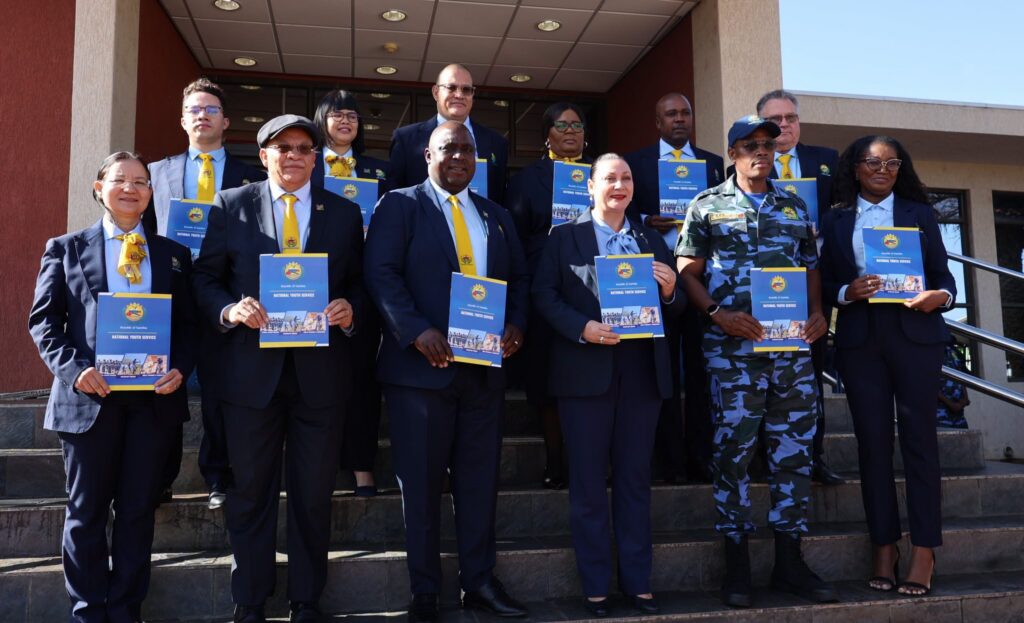

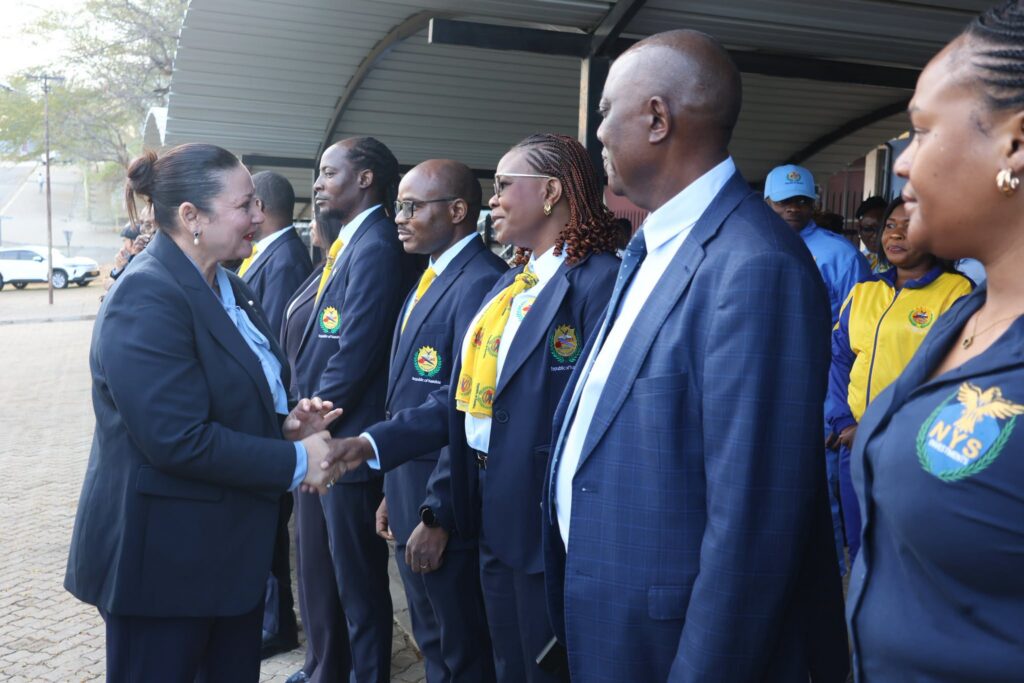
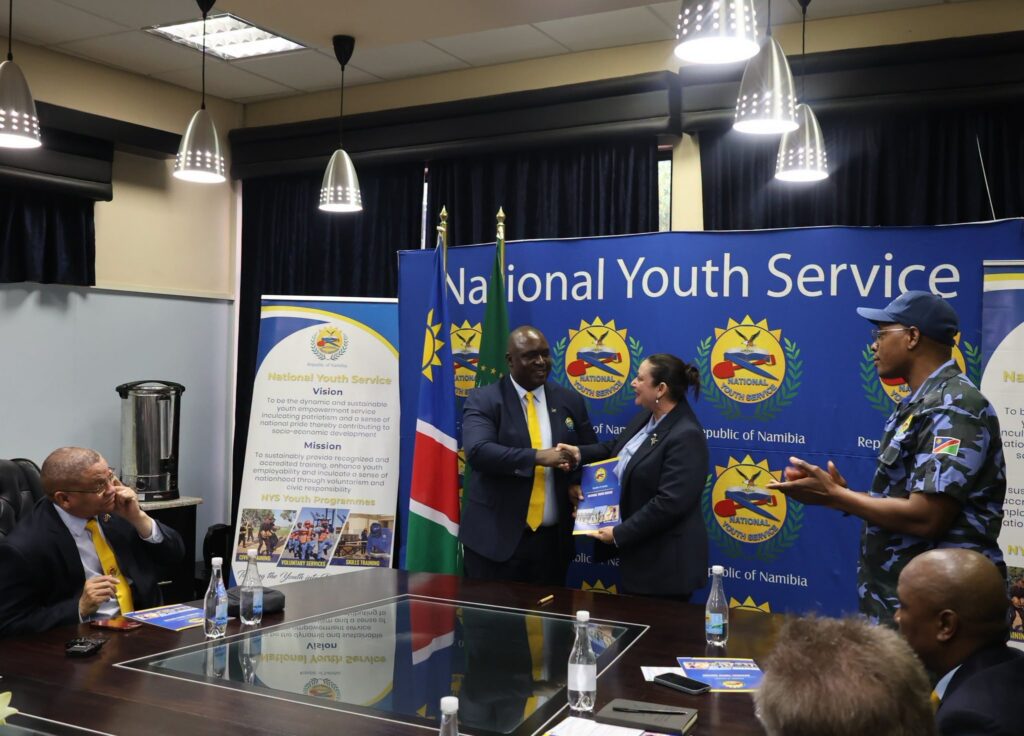
Photos: Ministry of Education Innovation, Youth, Sports, Arts and Culture
“Your first responsibility is to understand the legal framework within which you serve. The National Youth Service Act, 2005, provides the foundation for your mandate. In terms of the Act, the Board is responsible for the overall management and control of the affairs of the Service. The Act further assigns the Board responsibility for providing policy direction to the Commissioner and for advising the President on the activities, programmes and policies of the Service, including investments, the establishment and governance of Service enterprises, funding and legislative matters. I therefore urge each member to become thoroughly familiar with the Act, the regulations and all other instruments governing the Service,” she said.
According to Steenkamp, the NYS remains relevant, pointing to the growing demand for its programmes as evidence of the continued interest among young people.
“The growing demand for National Youth Service opportunities is evident. I have been informed that approximately 18,000 young people applied for the 17th Recruit Intake of 2026. This is encouraging and demonstrates the continued relevance of and demand for the opportunities provided by the National Youth Service,” she said.
At the same time, Steenkamp said, the high level of interest places a responsibility on the Service to examine how its capacity, infrastructure and resources can be used more effectively, while developing sustainable funding models to support the expansion of opportunities over time. She added that the future direction and scale of national service are also receiving increasing national attention.
“There is a growing conversation around the possibility of compulsory national service, particularly for young people leaving school. Government is currently exploring the possibilities and implications of such a policy direction. Any consideration of compulsory national service would require careful consultation, appropriate policy and legislative processes, and a realistic assessment of the resources and infrastructure required. It is therefore a matter that must be approached thoughtfully and responsibly,” Steenkamp said.