
Staff Reporter
THE Ministry of Education, Innovation, Youth, Sports, Arts and Culture (MEIYSAC) has pre-launched the 2026 National Readathon, with learners urged to develop a daily reading habit and use technology to support learning rather than distract from their educational goals.
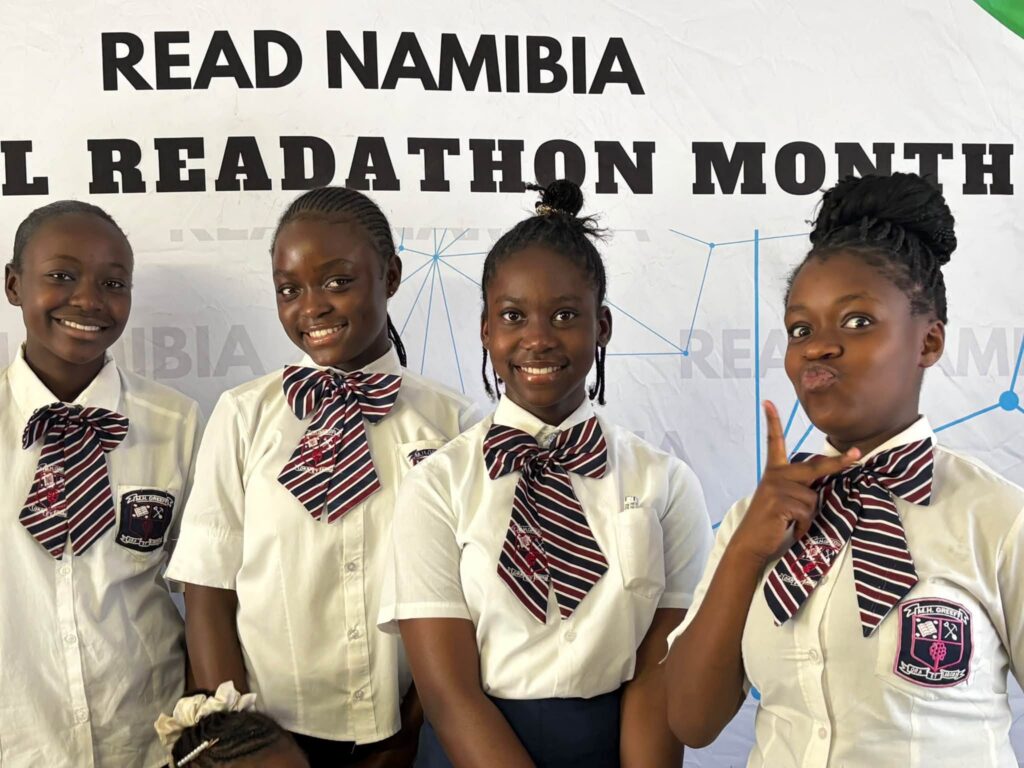
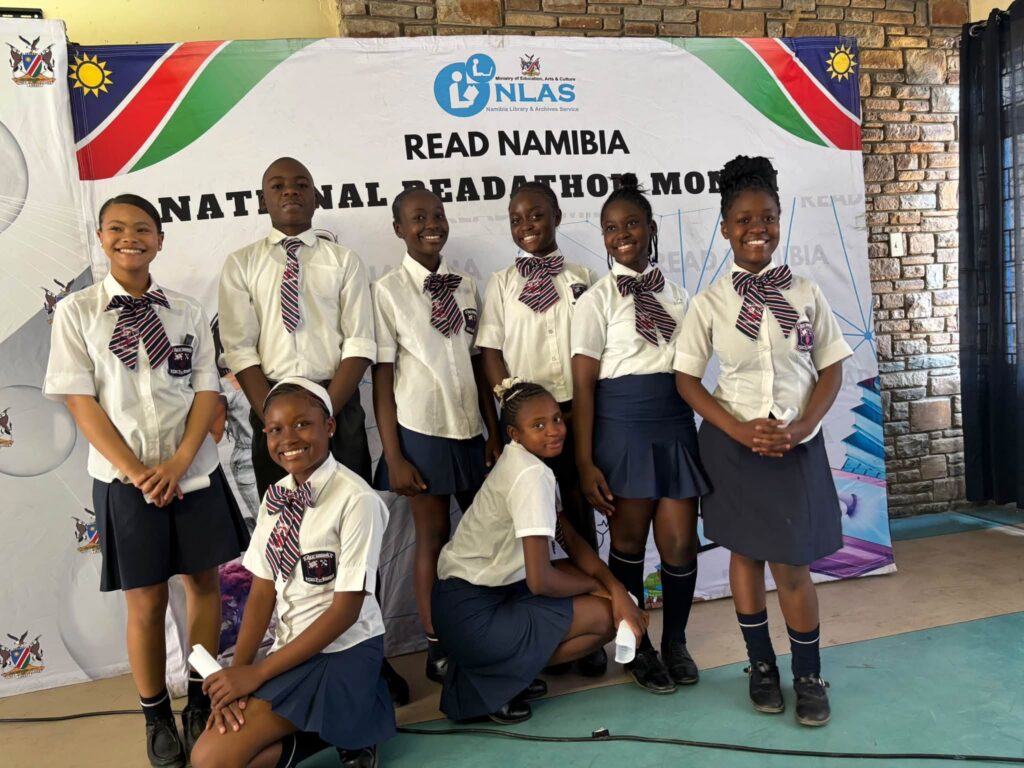
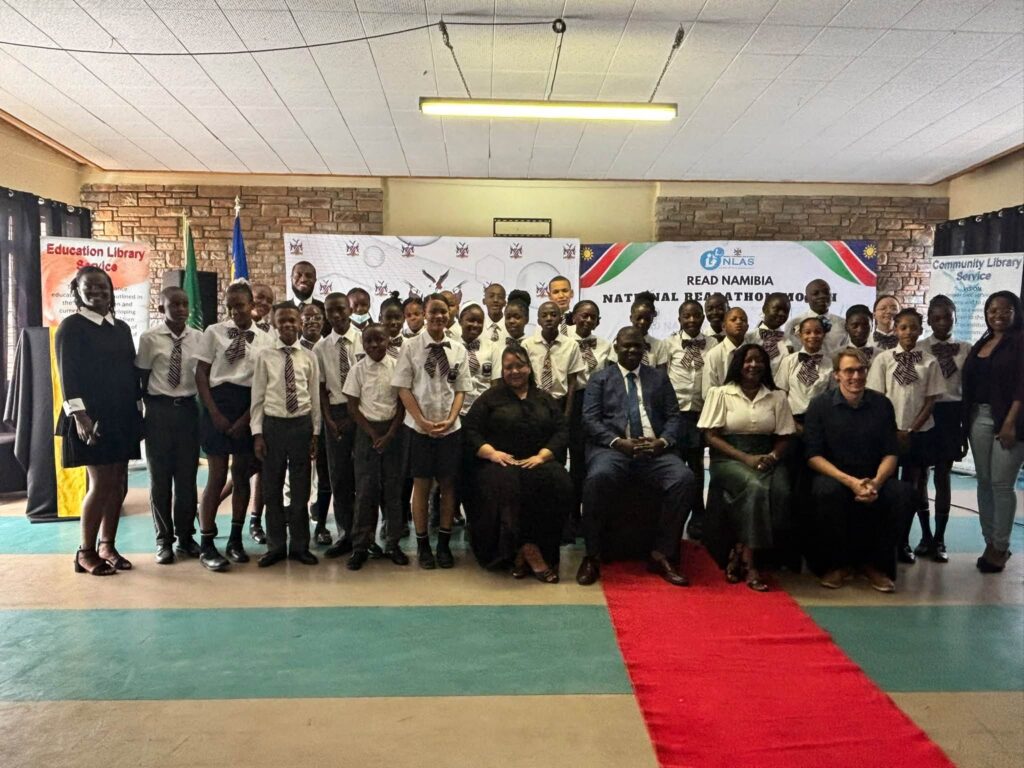
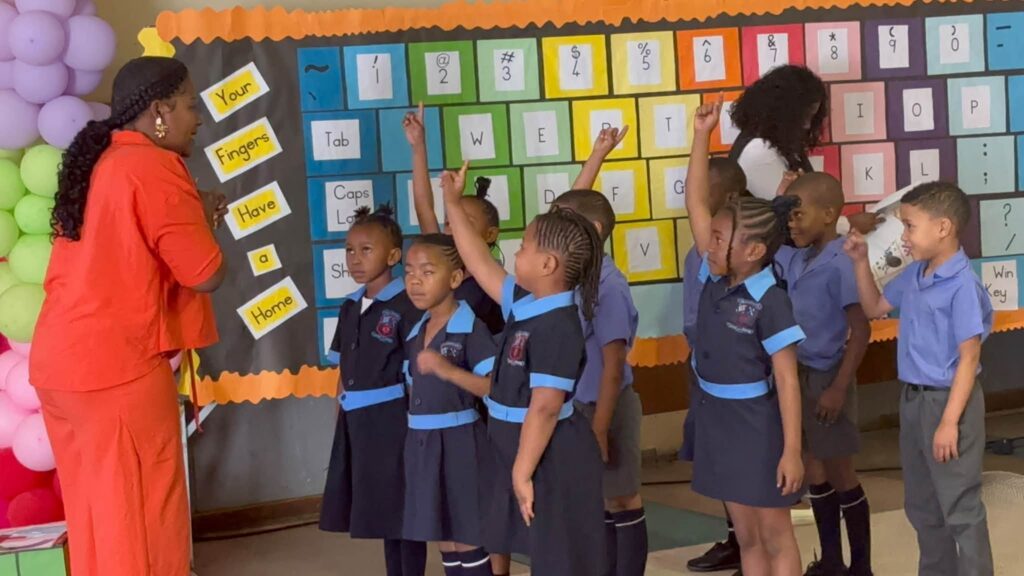
The pre-launch was held at M.H. Greeff Primary School in Windhoek under the theme, “Read Namibia: Embrace Technology Within the Education Sector”.
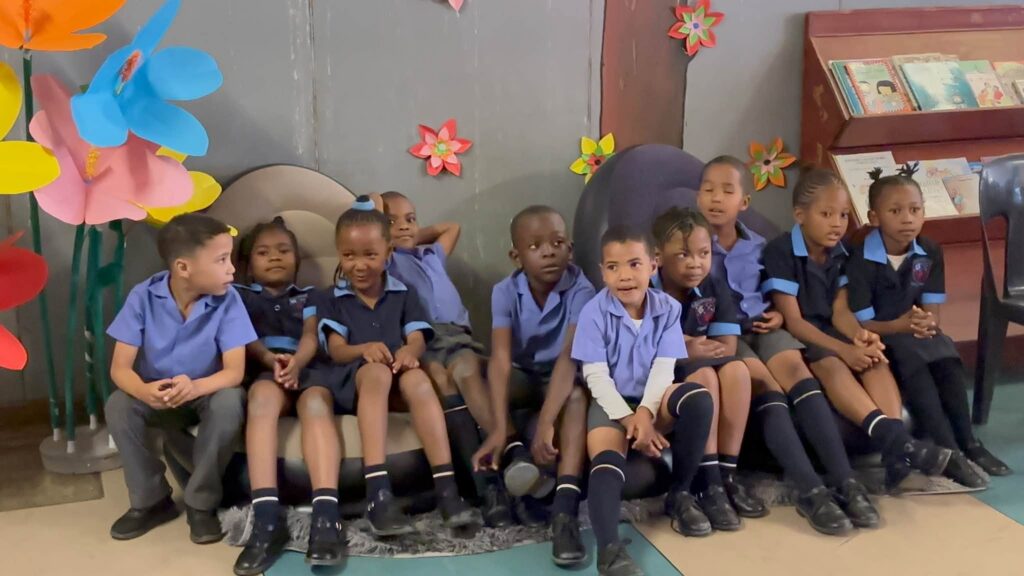
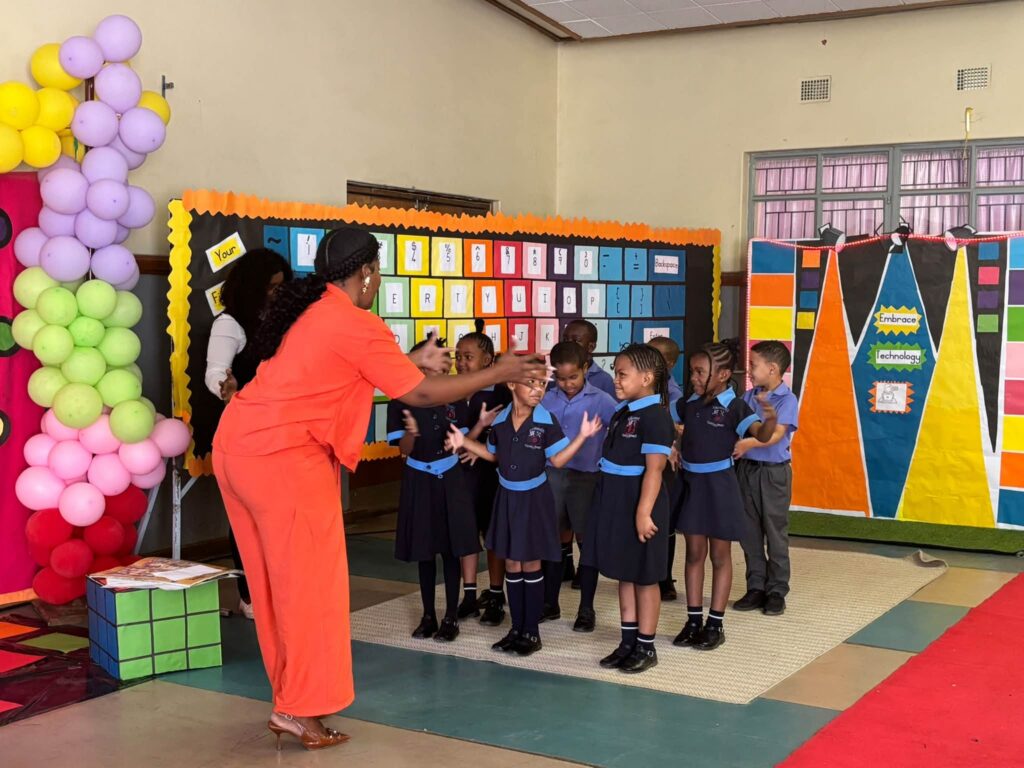
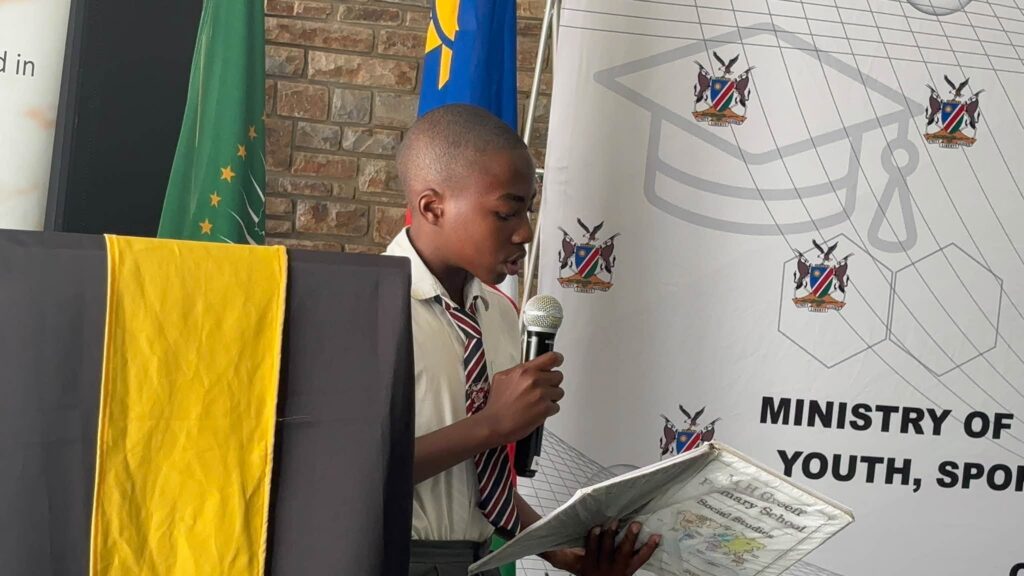
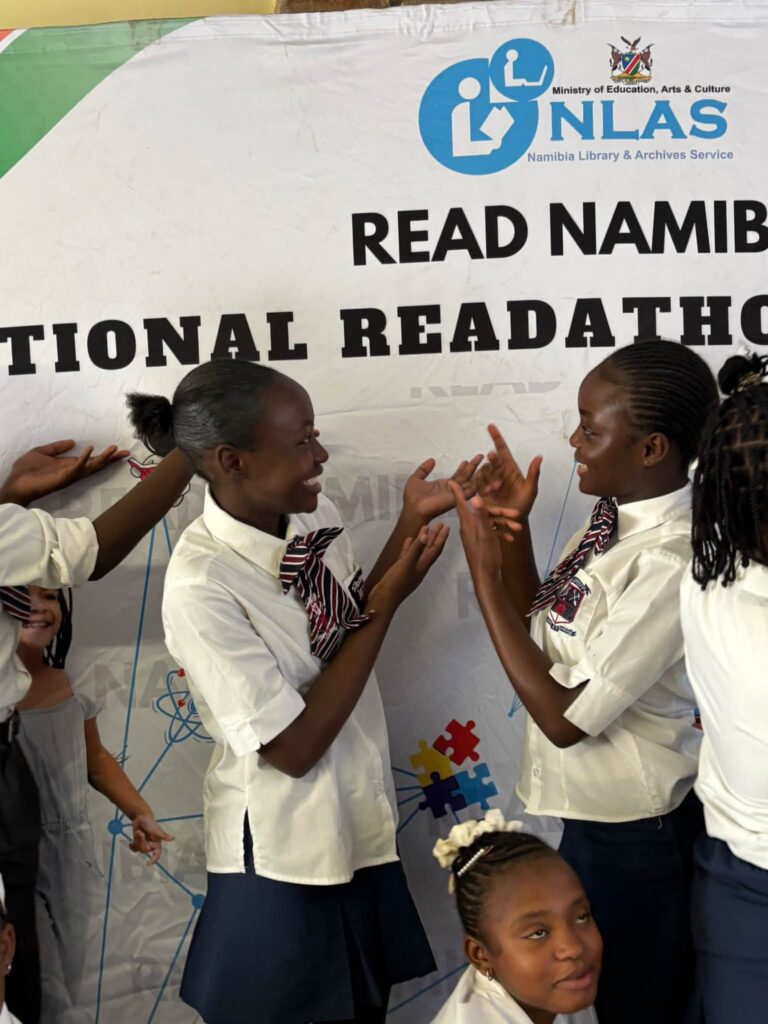
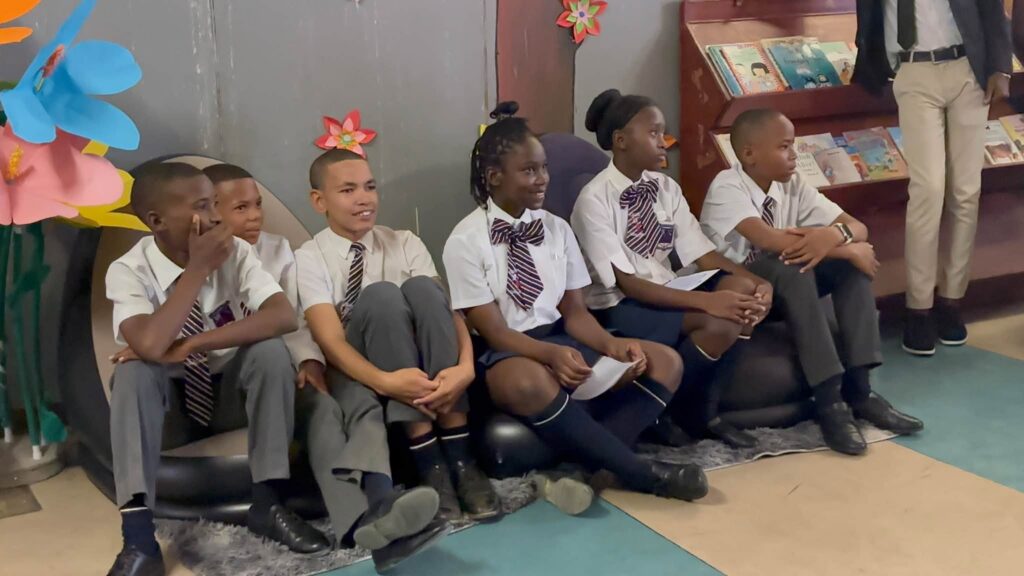
The National Readathon is a week-long programme of reading activities held at schools across the country, with librarians and teachers engaging learners through activities such as reading aloud, spelling bees, educational games, reading competitions and picture storytelling.



Photos: Ministry of Education Innovation, Youth, Sports, Arts and Culture
This year’s National Readathon will take place in the Zambezi Region from 21 to 25 September 2026 at the Katima Sports Complex.
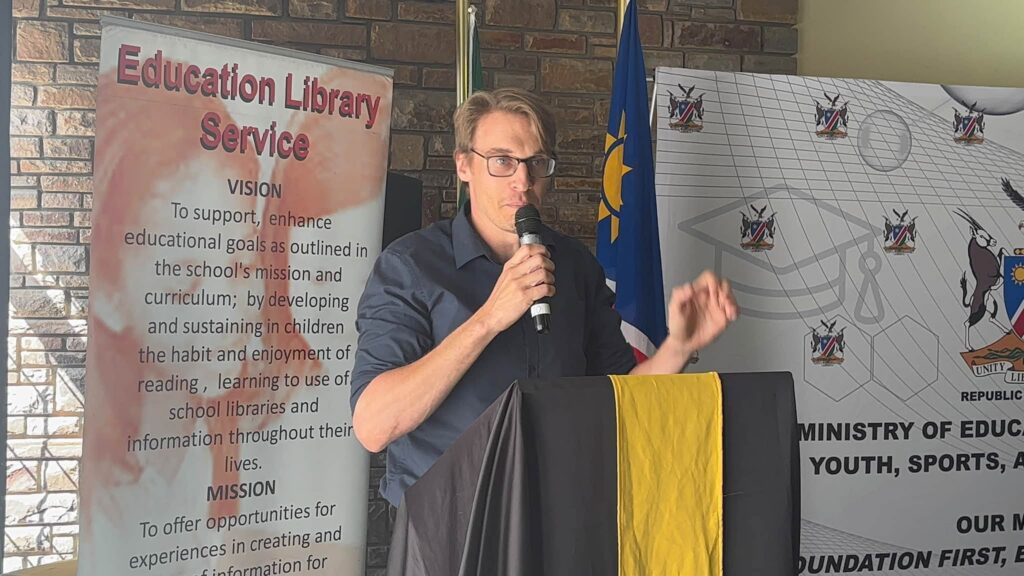
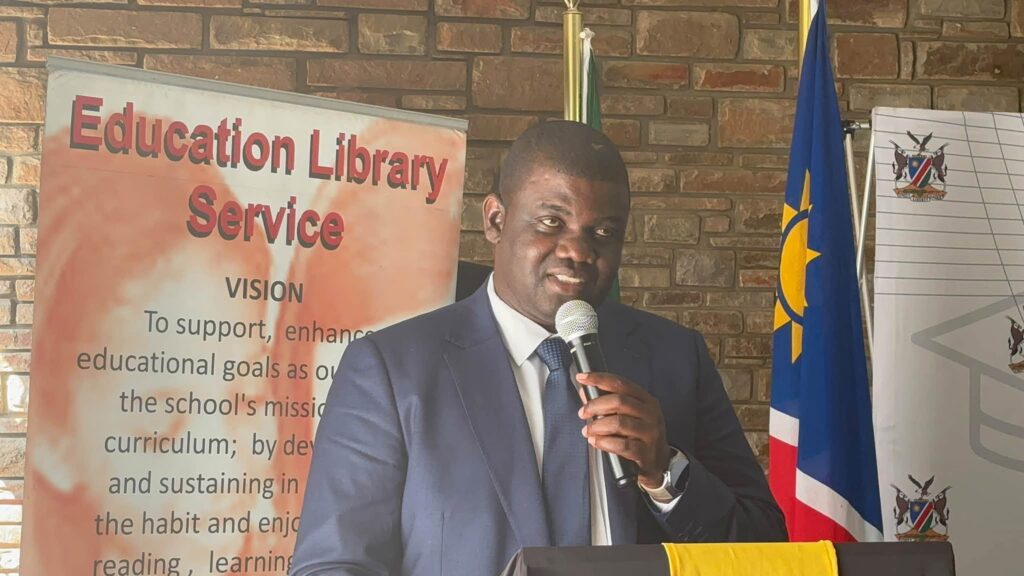
Deputy Minister of Information and Communication Technology Wenzel Kavaka encouraged learners to make reading part of their daily lives and to use technology responsibly.
“Technology must be used wisely. We should use it to learn, research, read, create, rather than allowing it to distract us from our educational goals,” Kavaka said.
He urged learners to “inculcate a culture of reading” within themselves, recalling a time when access to reading material and libraries was limited.
Kavaka said newspapers were among the few readily available sources of reading material during his school years, while Windhoek had only a small number of libraries.
“Once you inculcate a culture of reading, there is no way that you even want to pass by a paper that is lying around. You want to pick that paper and read and see what is in that paper,” he said.
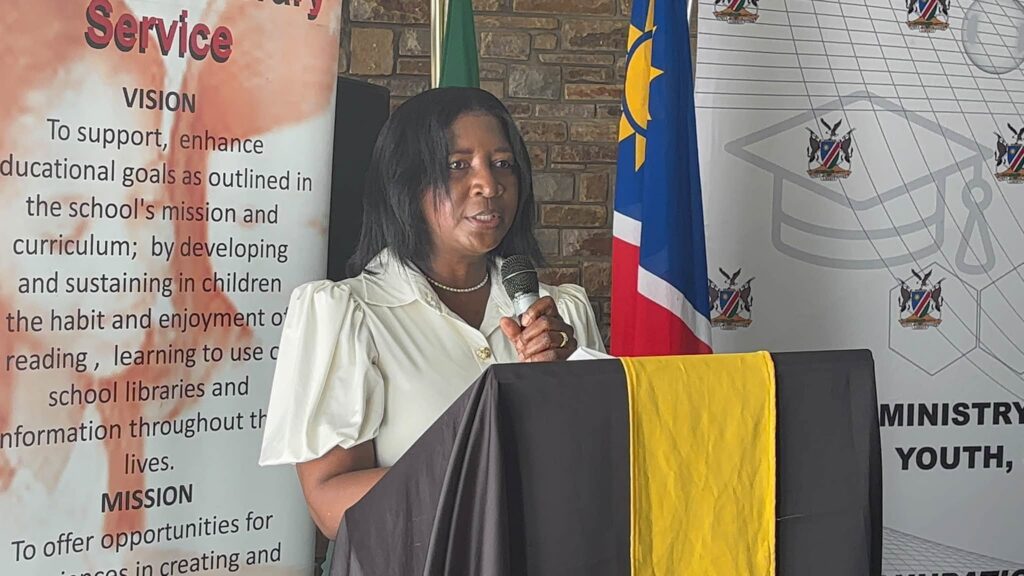
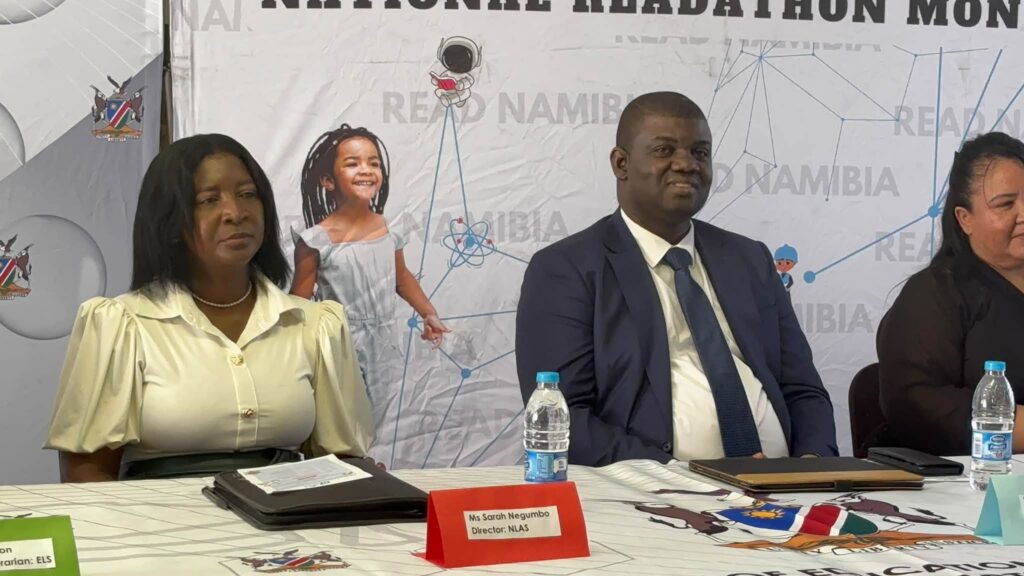
Director of the National Library and Archives Service (NLAS), Sarah Negumbo, said the Readathon aims to inspire learners to discover the joy of books, explore new ideas, develop their imagination and critical thinking, and recognise reading as a lifelong tool for learning and personal growth.
She said the programme also seeks to develop confident, curious and informed young people who can read, write, create and use technology to contribute to Namibia’s future.
“Technology complements, rather than replaces, the value of reading,” Negumbo said, calling for learners to have access to books, appropriate technology and opportunities to develop lifelong reading habits.
The Readathon Project was initiated by the Namibian Children’s Book Forum (NCBF) in 1988 and has since grown into a national movement reaching primary and secondary schools across the country.
The project aims to develop a love of reading among learners and nurture a strong book culture in Namibia.
Jusko Rust, Head Librarian at the Goethe-Institut, also encouraged learners to read books written by Namibian authors, saying local literature provides information and experiences that may not be found elsewhere.
“There’s a lot of information out there that you will find nowhere else but in books, and especially in those books written by people who experienced these things,” Rust said.
He encouraged learners to familiarise themselves with Namibian authors and local literature.