Staff Reporter
VICE President Lucia Witbooi has officially launched the REALTEST Green Hydrogen Research Project – an initiative intended to play a key role in strengthening Namibia’s capacity in advanced research, hydrogen safety, materials testing, engineering innovation and scientific excellence.
“These capabilities are essential if Namibia is to participate meaningfully across the entire green hydrogen value chain, from research, design and resource assessment to materials development, manufacturing and production, as well as the operation, maintenance and servicing of facilities,” Witbooi said.
She noted that Namibia possesses the necessary resources to become a competitive producer of green hydrogen and green ammonia, but stressed that the country’s ambitions must extend beyond the export of green molecules. She emphasised that Namibia’s green hydrogen ambitions should be used to build an industrial economy, create more prosperous and resilient communities, develop knowledge-intensive industries, and ensure that Namibians become the scientists, engineers, innovators, entrepreneurs and industrial leaders who will own, shape and drive the country’s transformation.
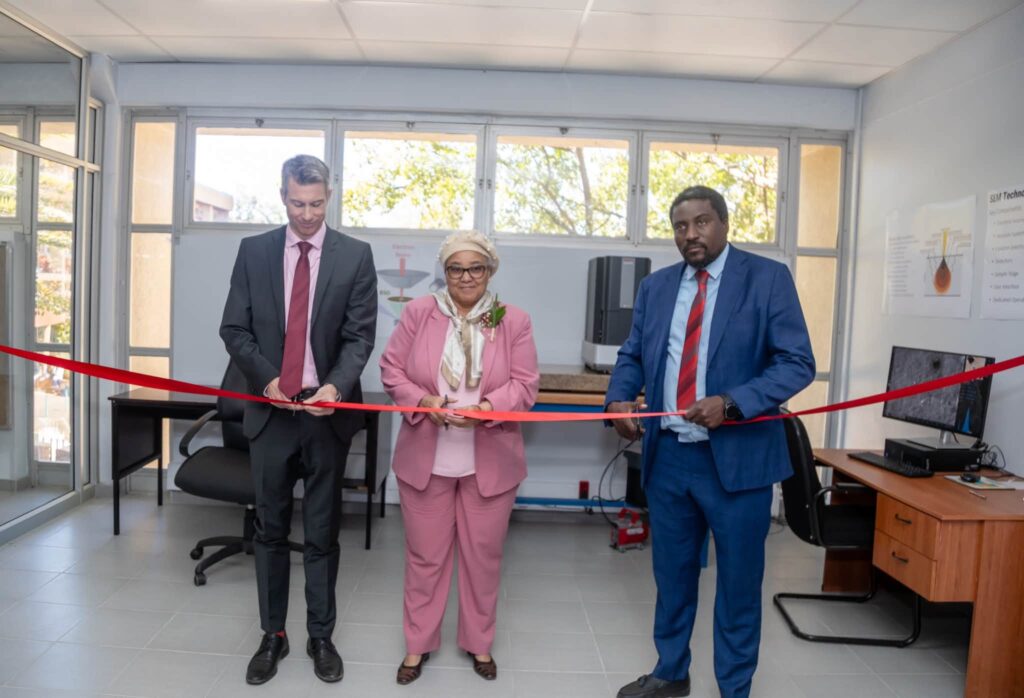
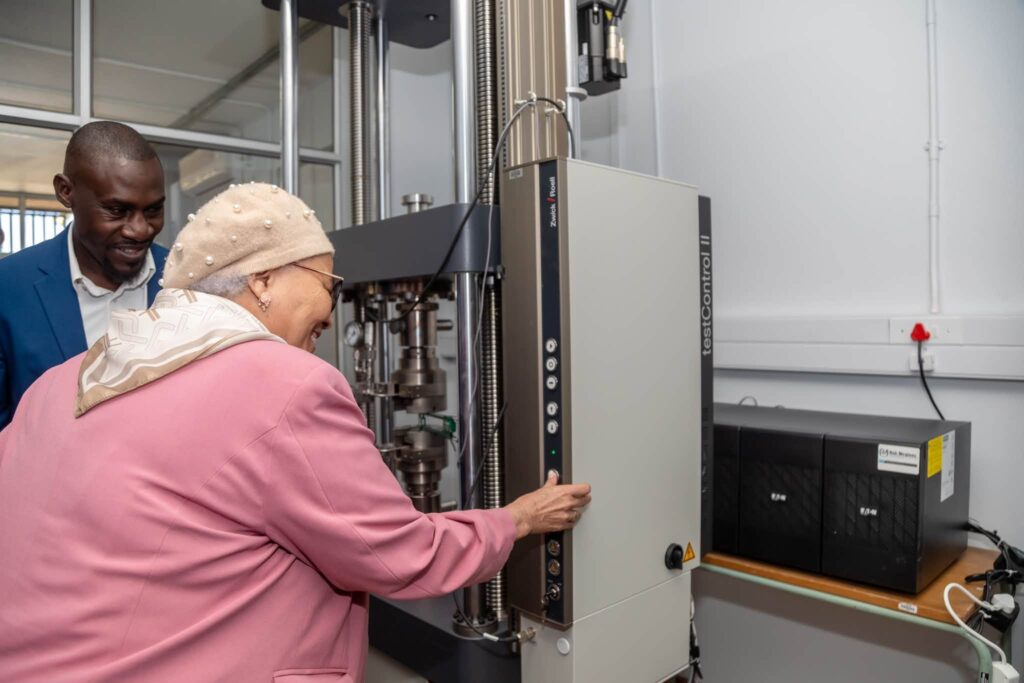
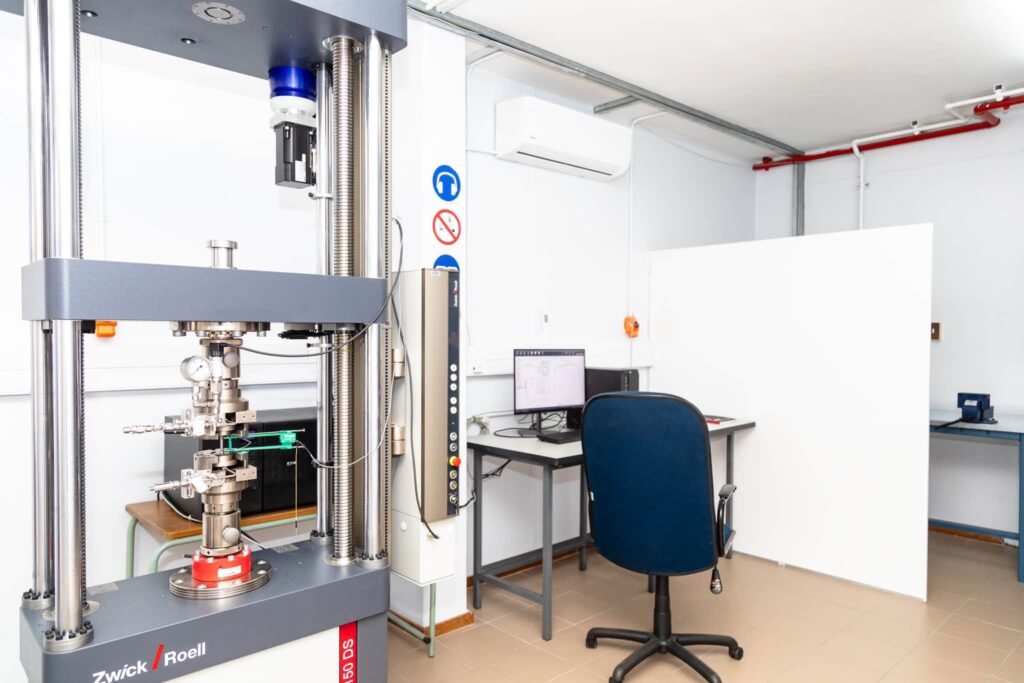
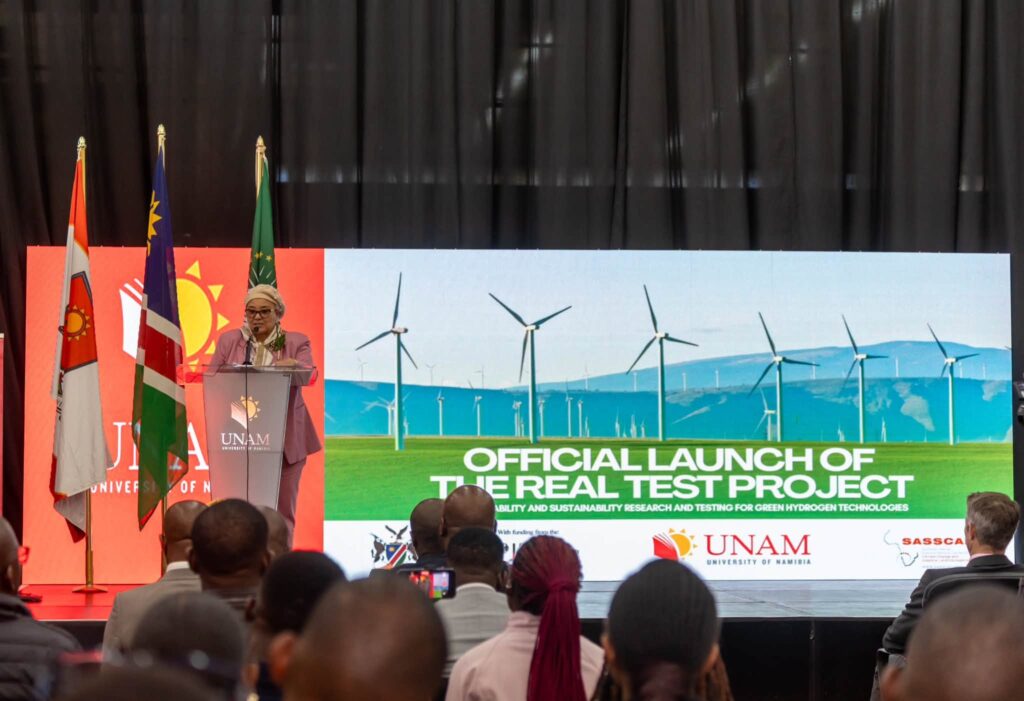
LAUNCHED: Scenes from the launch of the REALTEST project at UNAM. Photos: Vice President of Namibia.
“True industrialisation occurs when a country develops its own scientific capabilities, technological expertise and human capital to innovate, adapt and compete in the global economy. Therefore, our goal must be to industrialise ourselves as a nation. And that journey begins in our universities, our laboratories, our research institutes and our innovation ecosystems,” the Vice President said.
Witbooi said it was against this backdrop that the launch of the REALTEST Project was particularly significant, as it would help strengthen Namibia’s scientific and technological capacity in areas critical to the development of the green hydrogen sector.
“In this context, we are serious about our nation becoming a modern industrial economy. Through our institutions of higher learning, such as UNAM, we are committed to investing in scientific leadership, research laboratories and research infrastructure,” she added.
She explained that the project is the result of a partnership involving the Government of the Federal Republic of Germany, the German Federal Ministry of Research, Technology and Space, SASSCAL, Projektträger Jülich and the University of Namibia (UNAM), among other partners.
“I would like to express our sincere appreciation to the Government of the Federal Republic of Germany, the German Federal Ministry of Research, Technology and Space, SASSCAL, Projektträger Jülich, the University of Namibia, and all implementing partners for your confidence in Namibia and for your continued investment in our scientific and technological capabilities. This partnership demonstrates what can be achieved when nations unite around a shared vision of sustainable development, technological advancement and human progress. It is a partnership that goes beyond financial and technical cooperation; it is an investment in knowledge, in people, and in the future productive capacity of our country,” Witbooi added.