Staff Reporter
DEPUTY Minister of Agriculture, Fisheries, Water and Land Reform Ruthy Masake has called on young people in Ohangwena to take an active role in building a climate-resilient future by embracing opportunities in climate-smart farming, agribusiness and innovation.
Speaking at the Ohangwena Regional Environmental Education Conference in Eenhana, Masake highlighted the need to integrate climate action, water security and sustainable agriculture to strengthen food security, create employment and support rural development.
She said young people should move beyond being beneficiaries of development programmes and become active partners, producers and leaders in building a sustainable agricultural economy.






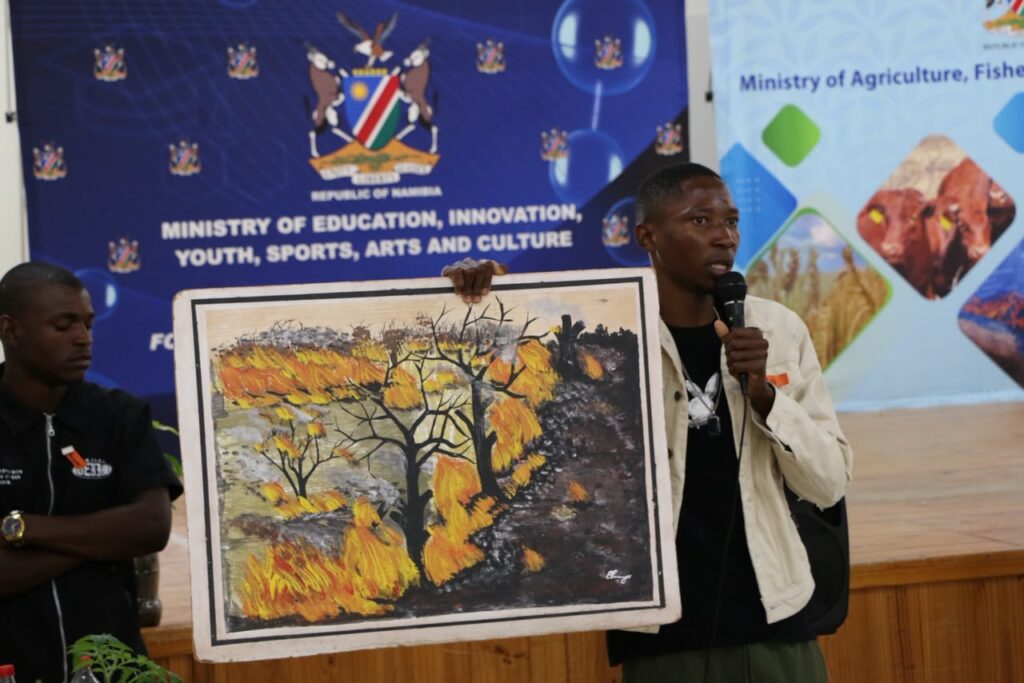
“The land is here. The water infrastructure is being built. The financial instruments exist. What remains is leadership. Rise. Organise. Produce. Lead,” Masake said.
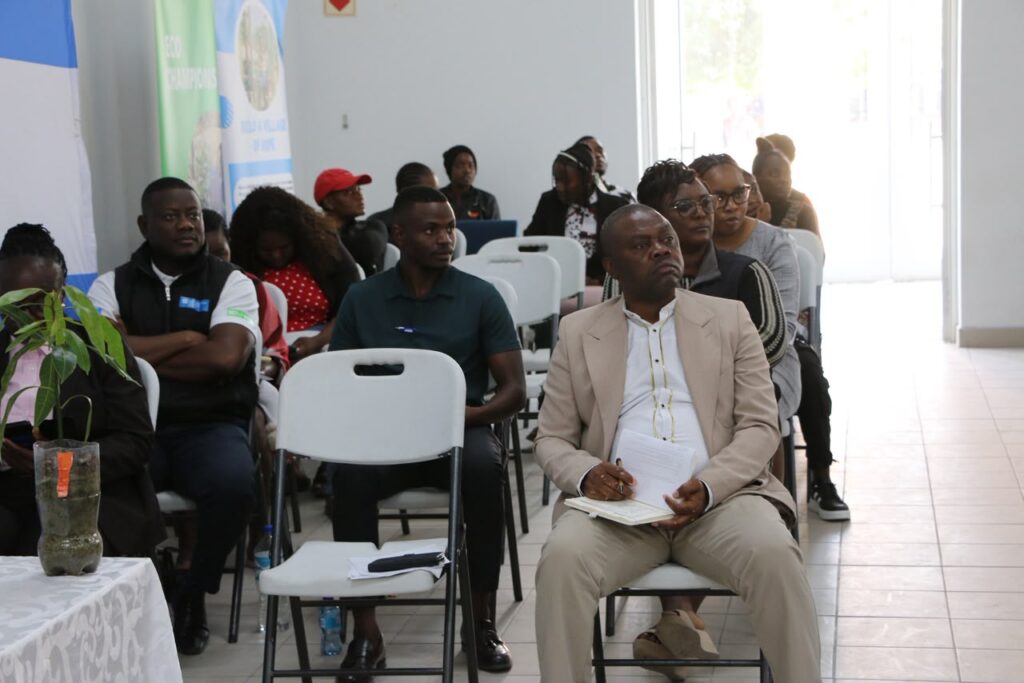
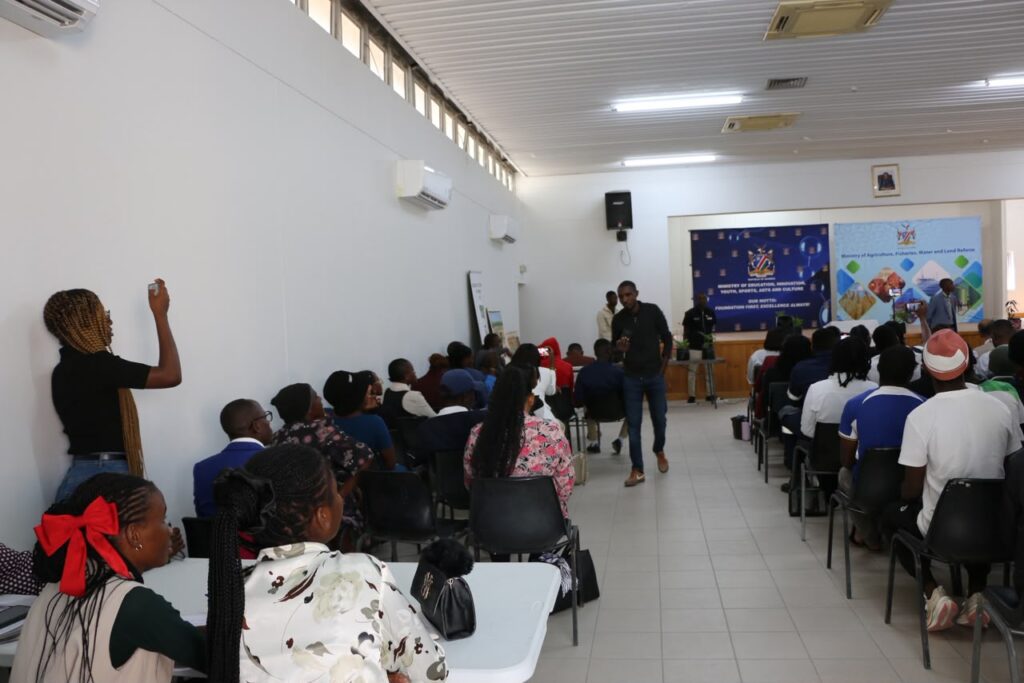
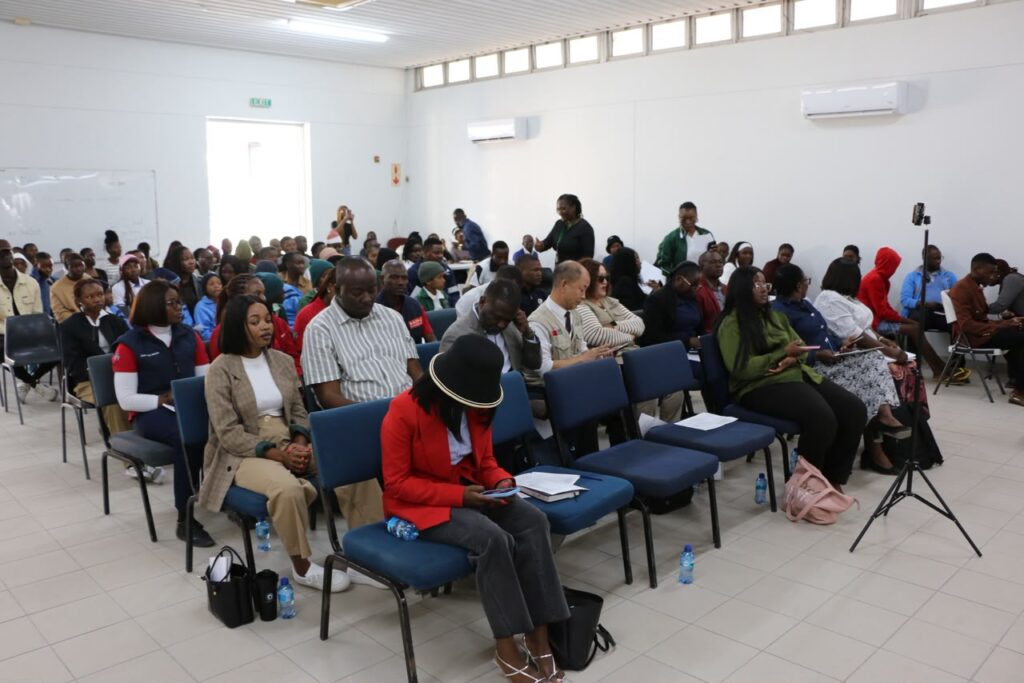
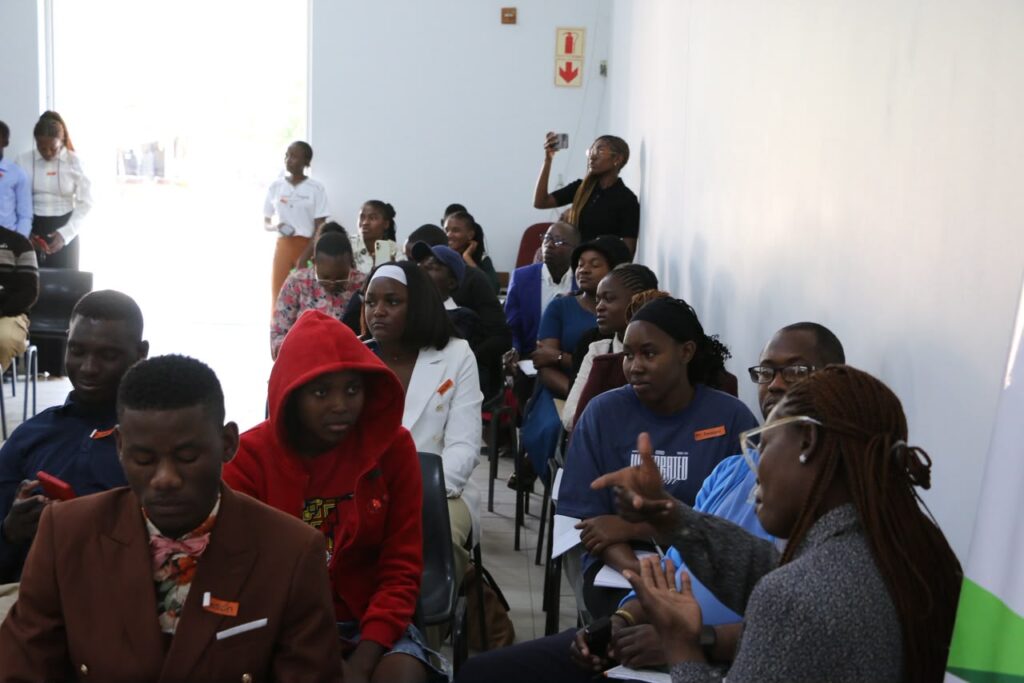
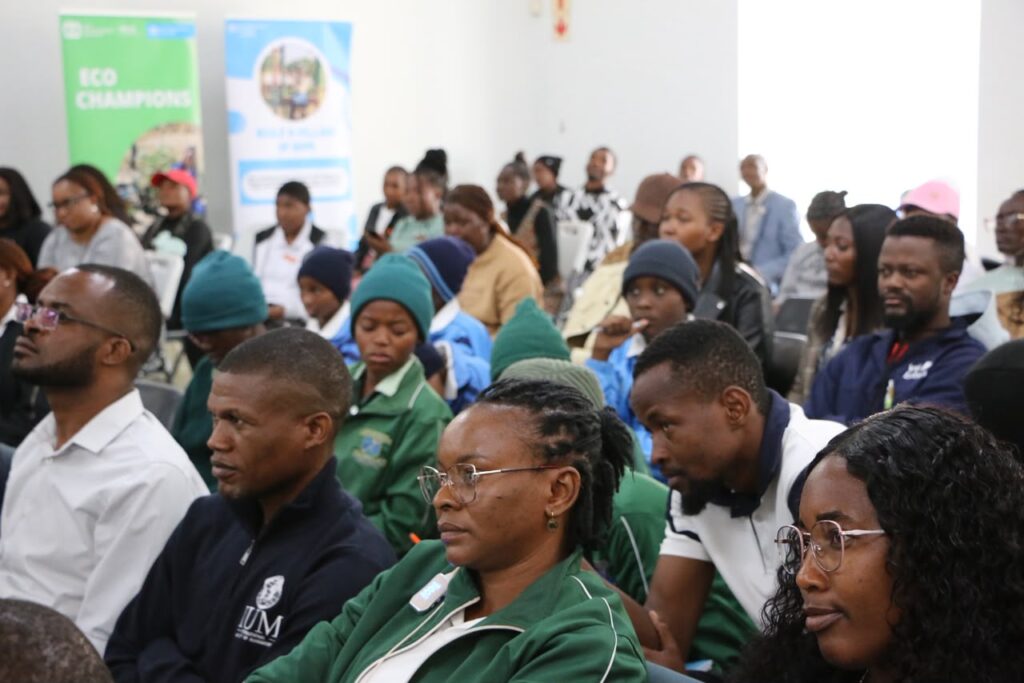
The three-day conference was held under the theme “Integrating Climate Action, Water Security, and Sustainable Agriculture for a Resilient Future” and brought together youth representatives, government officials, development partners, academic institutions and financial organisations.
Masake said climate change impacts, including changing rainfall patterns and prolonged dry spells, are already affecting communities and livelihoods across Namibia.
“These are not distant projections, but they are lived realities that shape whether a household eats, whether a borehole runs dry, and whether a young person sees a future in farming at all,” she said.
She said the Government’s Sixth National Development Plan (NDP6) identifies agriculture, fisheries, water and natural resources as key productive sectors for employment creation, food security and climate resilience.
Masake encouraged young people to explore opportunities in climate-smart mahangu and legume production, livestock farming, poultry, horticulture, fodder production and agro-processing.
She said Ohangwena’s large youth population and agricultural base provide opportunities for young entrepreneurs to develop sustainable businesses, adding that the Oshikango border post also presents potential for cross-border agricultural trade with Angola.
On water security, Masake said infrastructure development alone would not guarantee resilience unless communities adopted sustainable practices such as water-efficient irrigation, rainwater harvesting, solar-powered pumping and conservation agriculture.
She further urged young entrepreneurs to make use of available financial and technical support from institutions such as the National Youth Development Fund, Development Bank of Namibia, Agribank, the Environmental Investment Fund, the United Nations Development Programme and the Food and Agriculture Organisation.
However, she cautioned that accessing support requires preparation, including proper business plans, registered enterprises or cooperatives, financial discipline and accountability.
“Government cannot fund what is not organised, and it cannot sustain what is not managed responsibly,” Masake said.
She added that the Ministry continues to provide support through extension services, mechanisation programmes, irrigation initiatives, Green Scheme opportunities, land allocation and other agricultural development programmes.
Masake encouraged participants to use the conference as a platform to discuss challenges and propose solutions that can strengthen climate resilience and sustainable development in the region.
Photos: Ministry of Agriculture, Fisheries, Water & Land Reform