Staff Reporter
THE City of Windhoek has warned that rapid urbanisation is placing mounting pressure on the city’s infrastructure, with more than N$15 billion needed to rehabilitate its deteriorating road network and a further N$600 million required to replace ageing water infrastructure.
The concerns were raised recently when City of Windhoek officials, led by Chief Executive Officer Moses Matyayi, provided comprehensive briefings on the city’s development priorities and challenges to Prime Minister Dr Elijah Ngurare.
The municipality’s Acting Strategic Executive for Infrastructure, Water and Technical Services, David Adams, addressed one of the city’s most pressing challenges: the state of Windhoek’s road infrastructure.
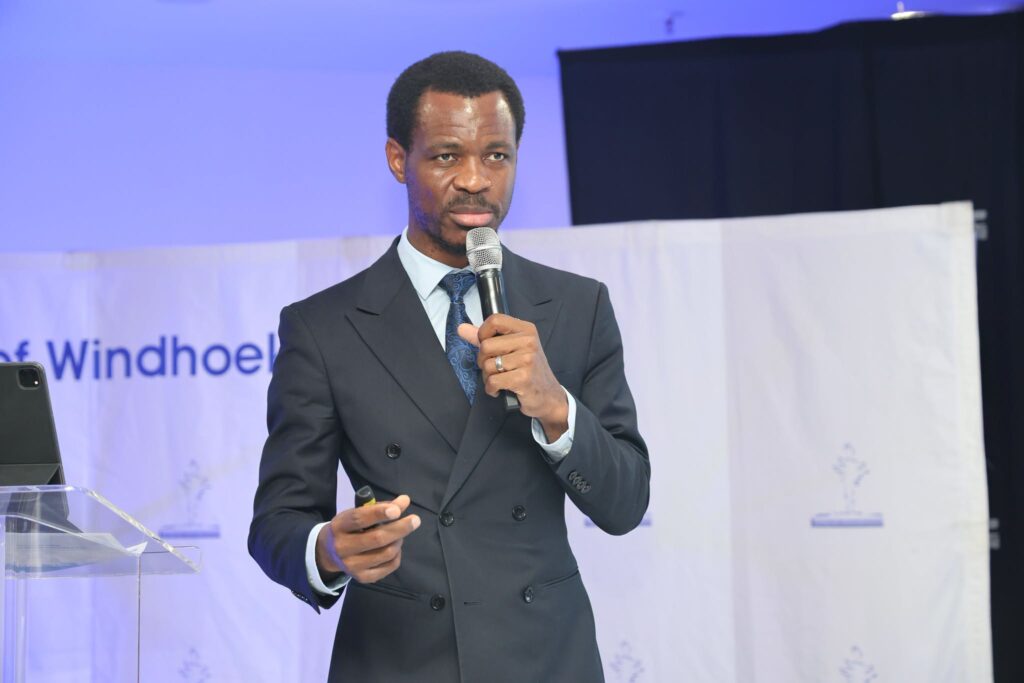
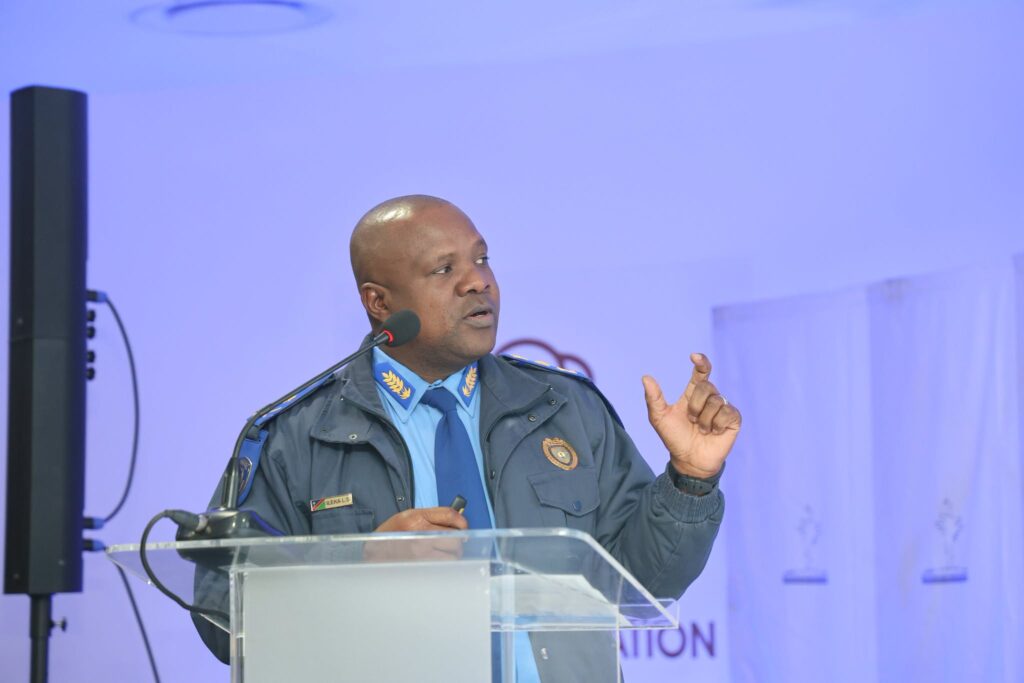
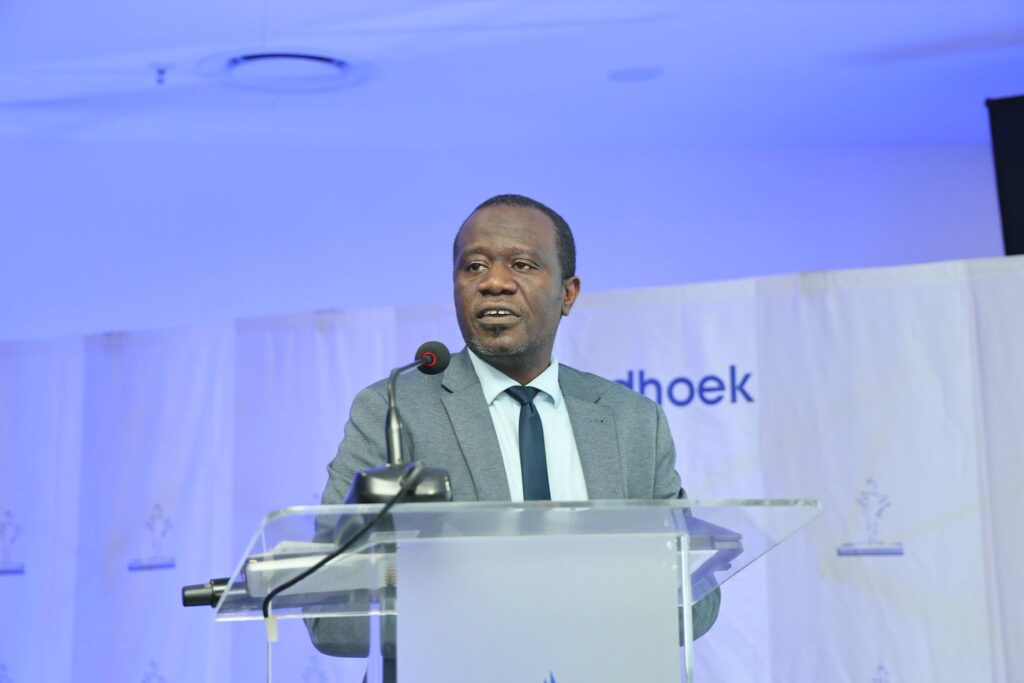
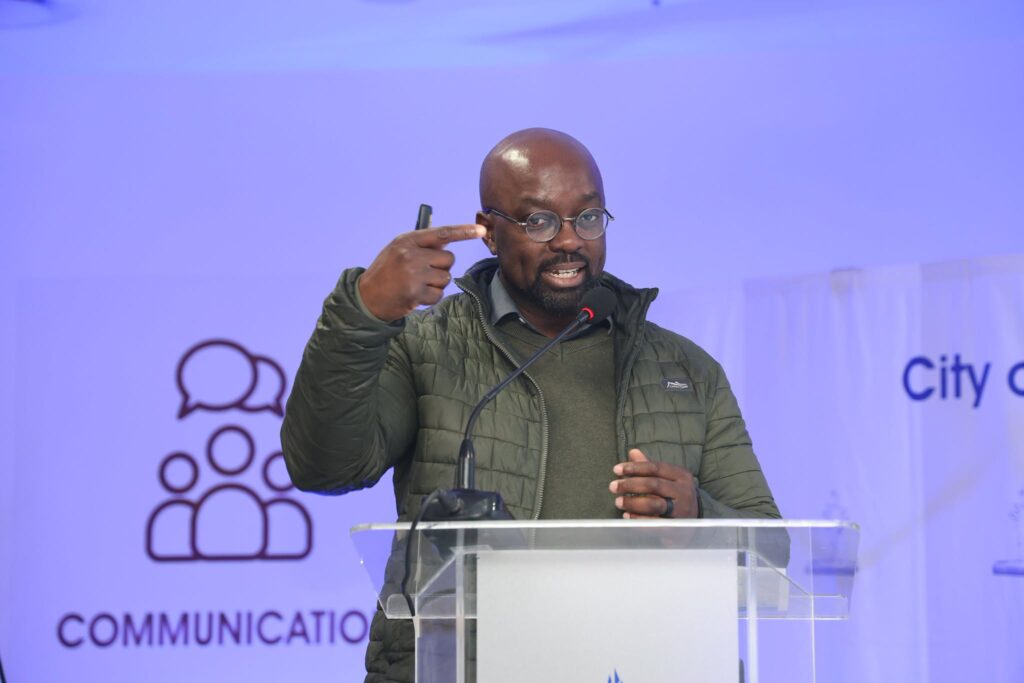
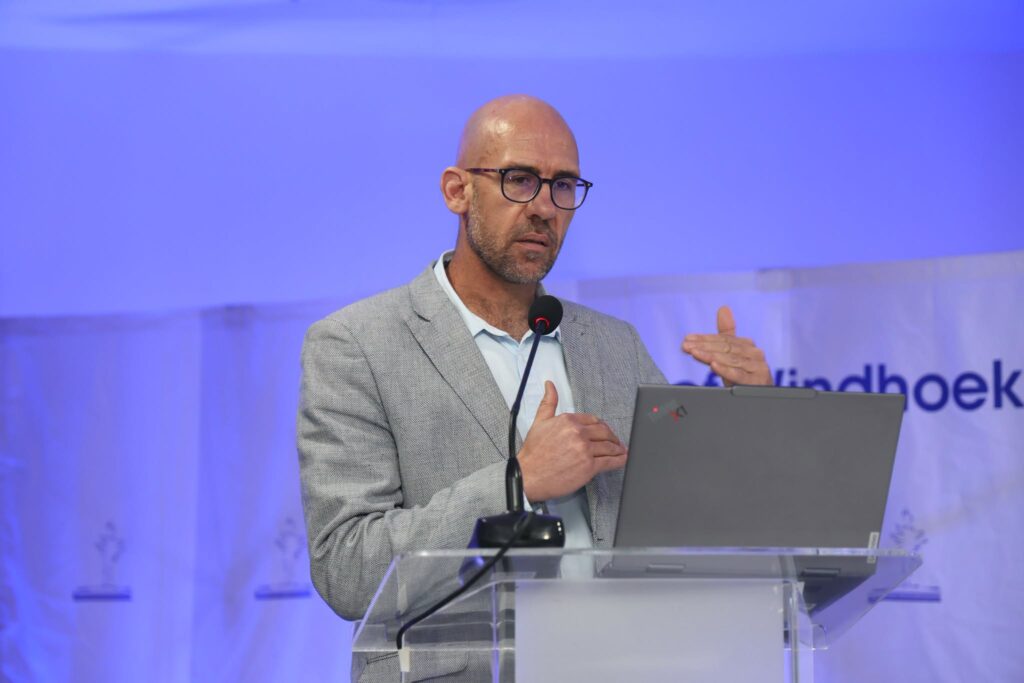
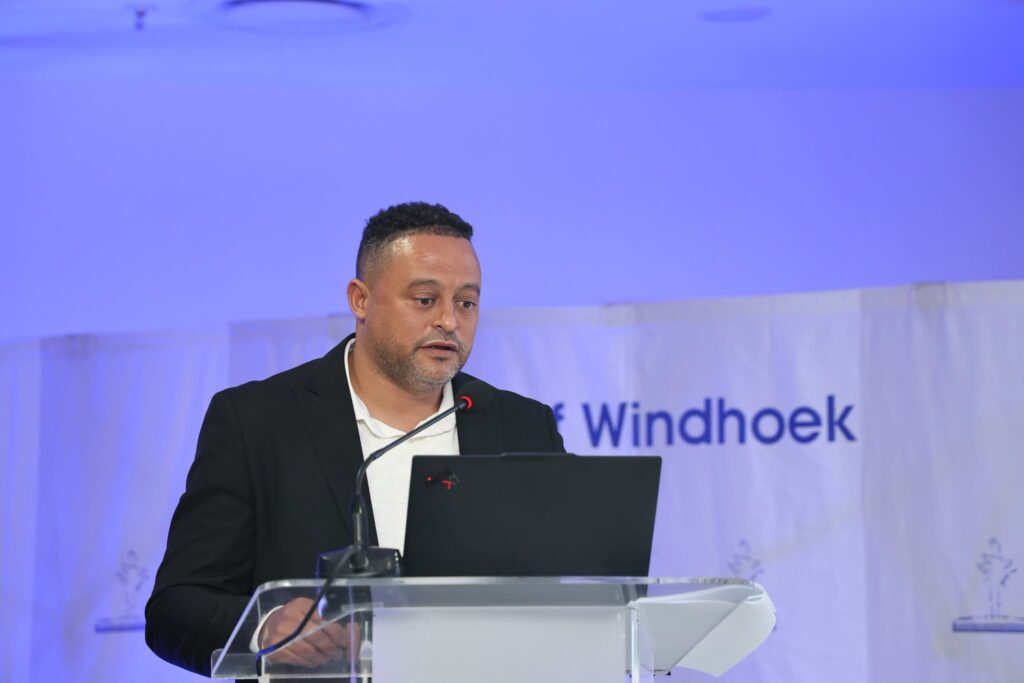
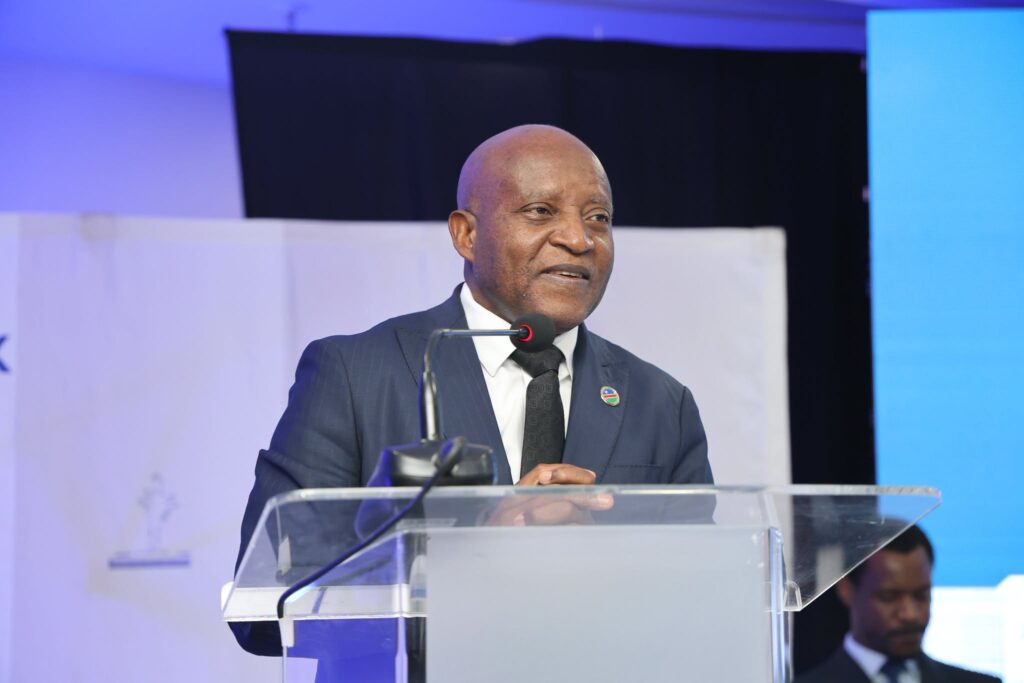
CITY’S UNDER PRESSURE: Scenes from the City of Windhoek’s comprehensive briefing. Photos:: City of Windhoek.
According to Adams, an estimated N$15.4 billion is required to rehabilitate and replace ageing road infrastructure, based on a 2023 assessment. He attributed the deteriorating condition of the city’s roads to years of inadequate maintenance funding.
Further addressing the challenges of the city’s road network, the municipality’s Strategic Executive for Urban and Transport Planning, Pierre van Rensburg, argued that tackling traffic congestion will require more than expanding Windhoek’s road infrastructure.
According to him, road expansion alone is not a long-term solution. He therefore called for a sustainable funding model, along with greater central government support for public transport and the development of alternative transport systems. Van Rensburg stressed that investment in efficient alternative modes of transport will be essential as Windhoek’s population continues to grow.
Inadequate road infrastructure, however, was not the only concern raised during the meeting.
Adams revealed that much of the city’s water pipeline network is more than 35 years old, resulting in frequent pipe bursts that disrupt water supply to parts of the city. He estimated that replacing the ageing water infrastructure will cost approximately N$600 million.
The infrastructure challenges are further compounded by Windhoek’s rapid population growth. The municipality’s Strategic Executive for Housing, Property Management and Human Settlement, Faniel Maanda, noted that the city’s infrastructure was originally designed to serve a much smaller population. He called for a coordinated national funding approach and stronger alignment across all spheres of government to meet Windhoek’s growing development needs.
Further exacerbating these infrastructure challenges are the significant financial losses the city continues to incur as a result of theft and vandalism.
The municipality’s Strategic Executive for Electricity, Obrien Hekandjo, revealed that the city lost approximately N$1.44 million over the past six months due to copper cable theft. While acknowledging the City Police’s efforts to apprehend suspects, Hekandjo said offenders often receive only fines and called for harsher penalties to deter the continued vandalism of critical infrastructure.