Staff Reporter
GERMAN Ambassador Thorsten Hutter joined other officials in Lüderitz as Namibia observed Genocide Remembrance Day on 28 May 2026, with commemorations held across the country, paying tribute to victims of the 1904–1908 colonial war and reiterating commitments to reconciliation between Namibia and Germany.
The day marks the anniversary of 28 May 1908, when the order was given to close concentration camps used during the genocide against the Herero and Nama people in then German South West Africa. Commemorations were held in Lüderitz, Swakopmund and Windhoek, bringing together government representatives, traditional leaders, civil society and diplomatic missions.
In Lüderitz, Ambassador Hutter attended the main commemoration at Shark Island, where he described the day as a solemn moment of remembrance and reflection on what he termed the darkest chapter of German colonial rule in Namibia. He said Germany remains committed to the path of reconciliation and acknowledgement of historical responsibility.
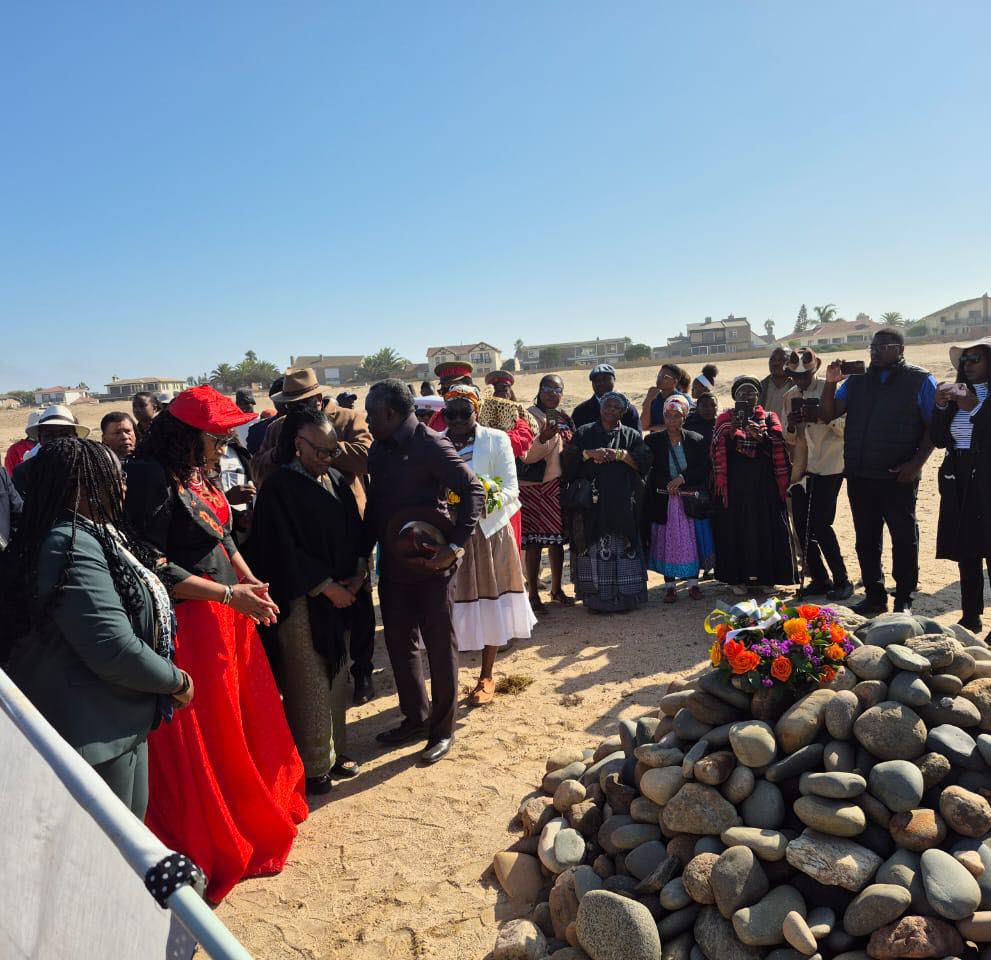

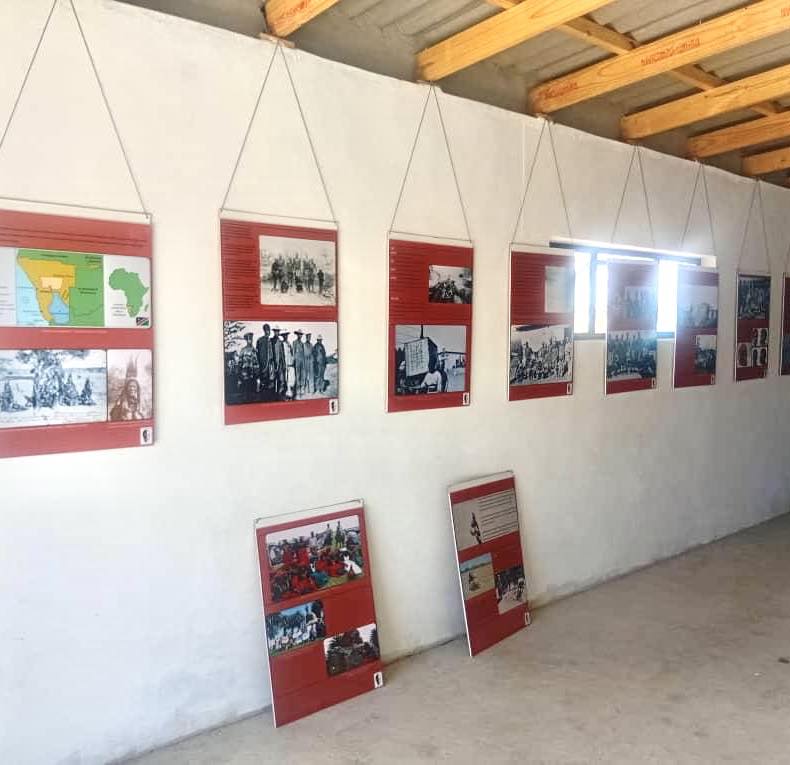
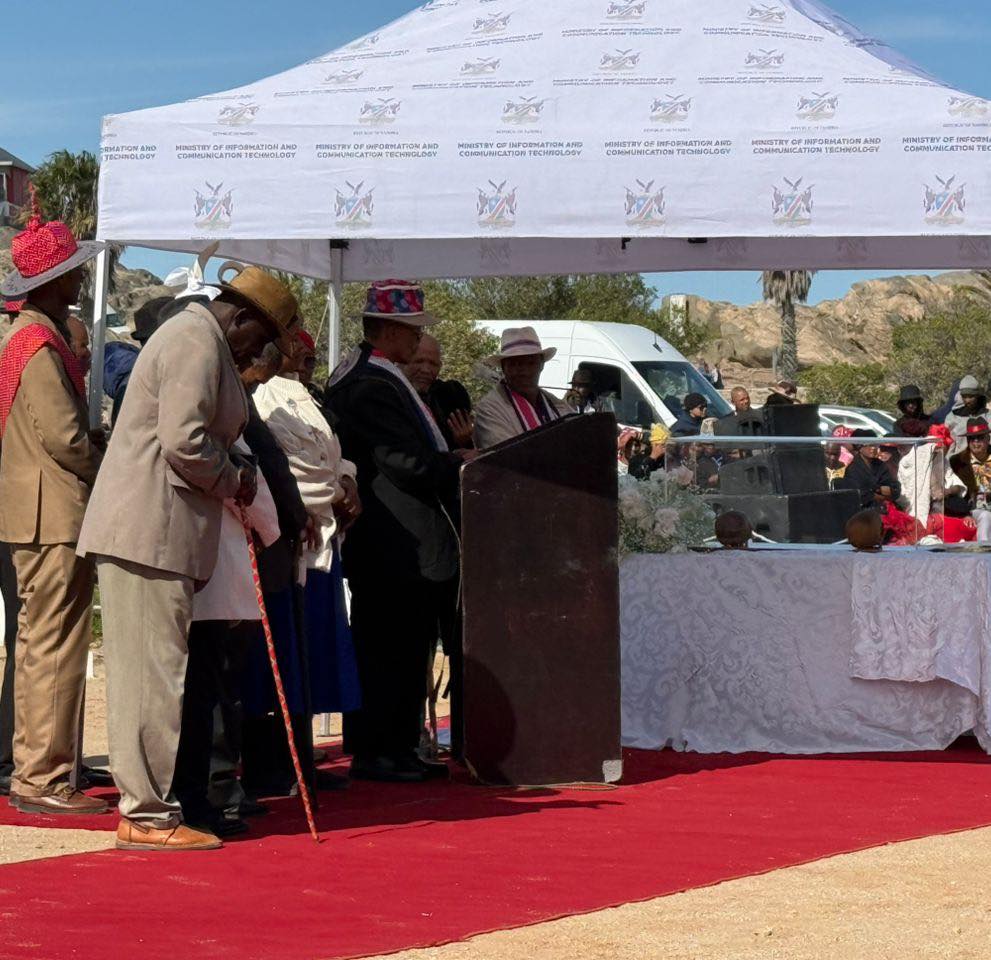


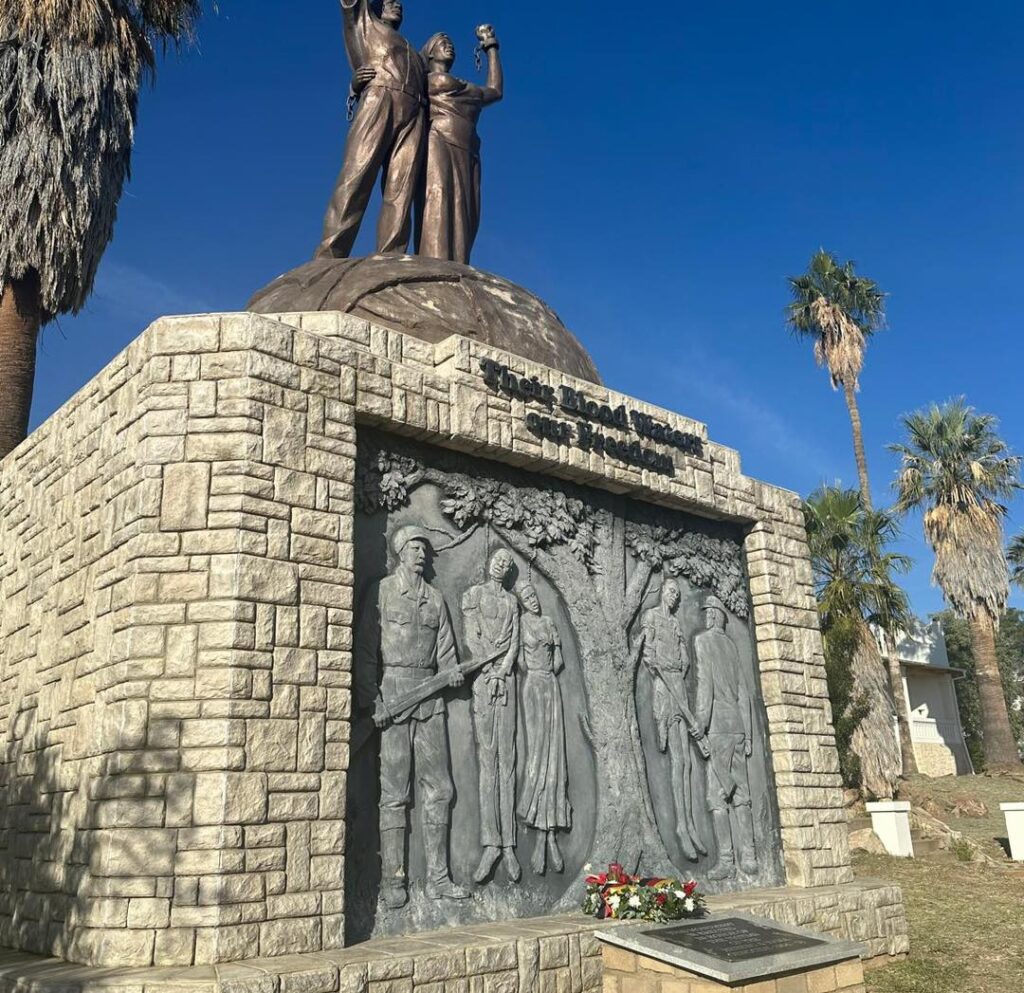
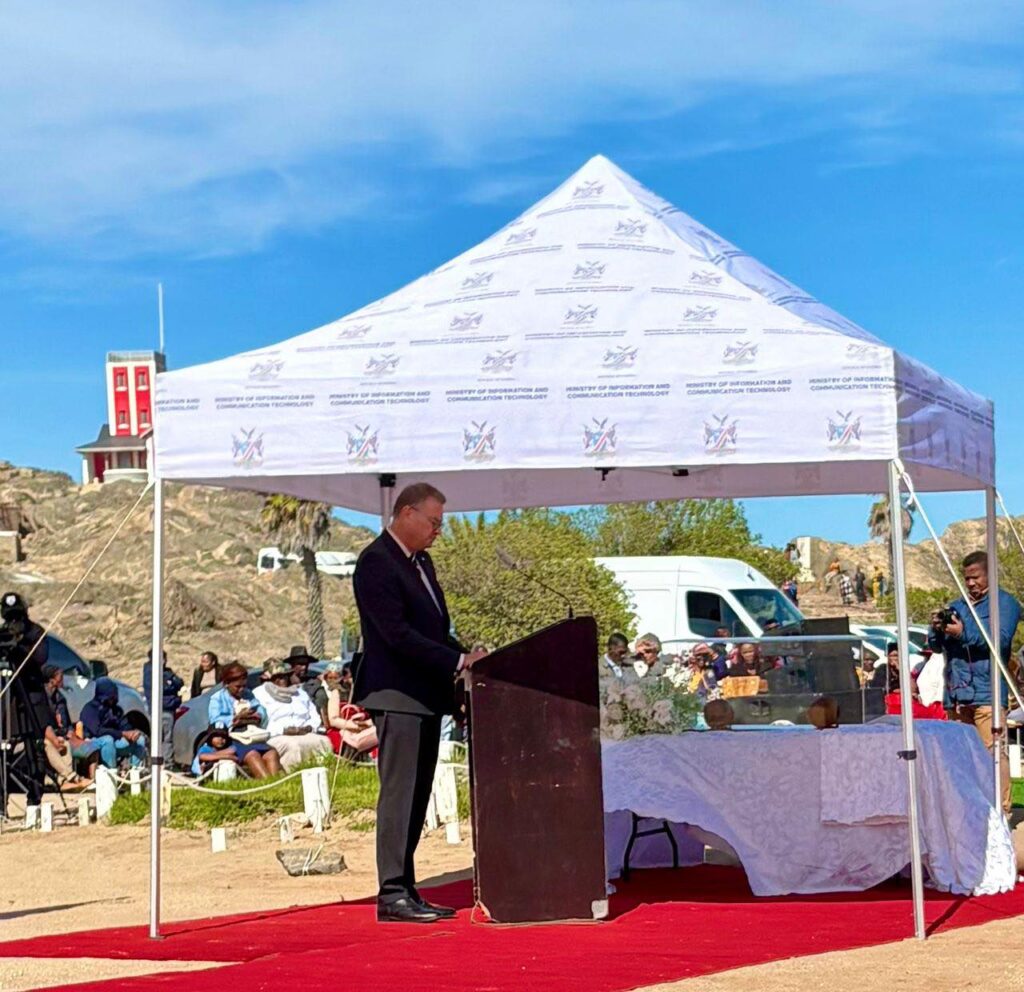
Photos: German Embassy Windhoek/Genocide Museum Swakopmund/Ministry of Information and Communication Technology – Republic of Namibia
“Reconciliation between the affected communities of the genocide and Germany is a process of healing and of understanding. A process of talking and of listening. Of addressing wounds and scars, and of attending to them,” Hutter said.
He added that reconciliation must be viewed not as an attempt to close the past, but as an ongoing responsibility to address historical injustices and build a shared future between Namibia and Germany.
Hutter also said that both governments are working towards concluding a joint declaration recognising the genocide, which is expected to further shape bilateral relations. He referenced President Netumbo Nandi-Ndaitwah’s remarks suggesting the process could be concluded by the end of 2026.
German Cultural Officer Clarissa Judmann participated in commemorations in Swakopmund, including an exhibition opening at the Genocide Museum and a church service, while the German Embassy in Windhoek supported events organised by the Damara Kings Council.
Hutter further highlighted ongoing cooperation between the two countries, including cultural heritage preservation, development partnerships, and joint artistic projects aimed at fostering dialogue on shared history.
He said the relationship between Namibia and Germany continues to evolve beyond government cooperation, extending into civil society, youth engagement, and private sector partnerships.
“This shows that our relationship goes beyond what governments do. It underlines the importance of civil society contacts, of business-to-business contacts, and of people-to-people contacts to create understanding, awareness and respect,” he said.
Commemorations continue to play a key role in Namibia’s efforts to honour victims of the genocide while strengthening dialogue on historical justice, reconciliation and future cooperation.