Business Reporter
HEADLINE inflation, the measure of aggregate price movement within the economy, has risen to 3.1%, with the increase in pricing mainly driven by an increase in the transport category, mainly on the back of rising fuel prices caused by recent geopolitical tensions.
Cheryl Emvula, economic analyst at First National Bank of Namibia (FNB), said that looking ahead, the inflation outlook remains skewed to the upside.
“Further transport price increases are expected to intensify near-term pressures and raise the risk of second-round effects. While food inflation may remain relatively contained, ongoing geopolitical tensions could push up fuel prices and disrupt supply chains, increasing fertiliser costs due to their reliance on fuel and imported inputs. This, in turn, may raise agricultural production costs and gradually feed into higher food prices if these pressures persist. Consequently, with cost-push factors dominating and expected to remain elevated for some time, the balance of risks supports our upward revision to the 2026 inflation forecast, with the potential for further adjustments should external pressures prove more persistent,” Emvula said.
She added that the 3.1% headline inflation increase in April 2026, from 2.1% y/y in the previous month, is, however, still below their expectations and remains lower than the 3.6% y/y recorded in the same period last year.
Meanwhile, core inflation, which represents the long-term trend in overall price levels, slowed further to 2.8% y/y in April from 2.9% y/y in March, remaining below headline inflation.
“While core inflation had previously exceeded headline inflation, largely reflecting demand-driven pressures, the current reversal suggests that cost-push factors will meaningfully move headline inflation higher in 2026,” Emvula said.
The rise in headline inflation was largely driven by the transport category, reflecting recent fuel price adjustments, with petrol increasing by N$2.50 and diesel by N$4.00. Transport inflation rebounded to 5.0% y/y in April from a contraction of 1.7% in March, mainly due to higher fuel costs. On a month-on-month (m/m) basis, the operation of personal transport equipment rose sharply to 9.4% from 0.5%. With further fuel increases that will see petrol up by N$1.40 and diesel by N$4.63, and taxi fares expected to rise to N$15.00 from N$13.00 in May, transport costs are likely to remain elevated, with potential spillover effects on broader inflation.
Food and non-alcoholic beverages inflation edged up moderately to 2.0% y/y from 1.7% y/y, marking a second consecutive increase. Price pressures were observed across key staples, including meat, vegetables, and non-alcoholic beverages such as coffee, tea, and cocoa, although the overall pace remains contained.
Notably, fruit price inflation showed signs of easing, while bread and cereals moved into contraction. Overall, food prices remain relatively stable, increasing at a slow pace, supported by favourable supply conditions.
Emvula emphasised that ongoing tensions in the Middle East pose upside risks, as rising external pressures are likely to feed into import costs and potentially drive food prices higher in the near term.
Inflation in alcoholic beverages and tobacco moderated slightly to 1.8% y/y from 1.9% y/y, reflecting softer price momentum in alcoholic beverages, while tobacco prices remained relatively firm.
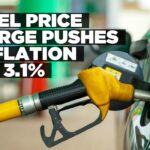
Picture for illustrative purposes only. Photo: Contributed